Container Shipping
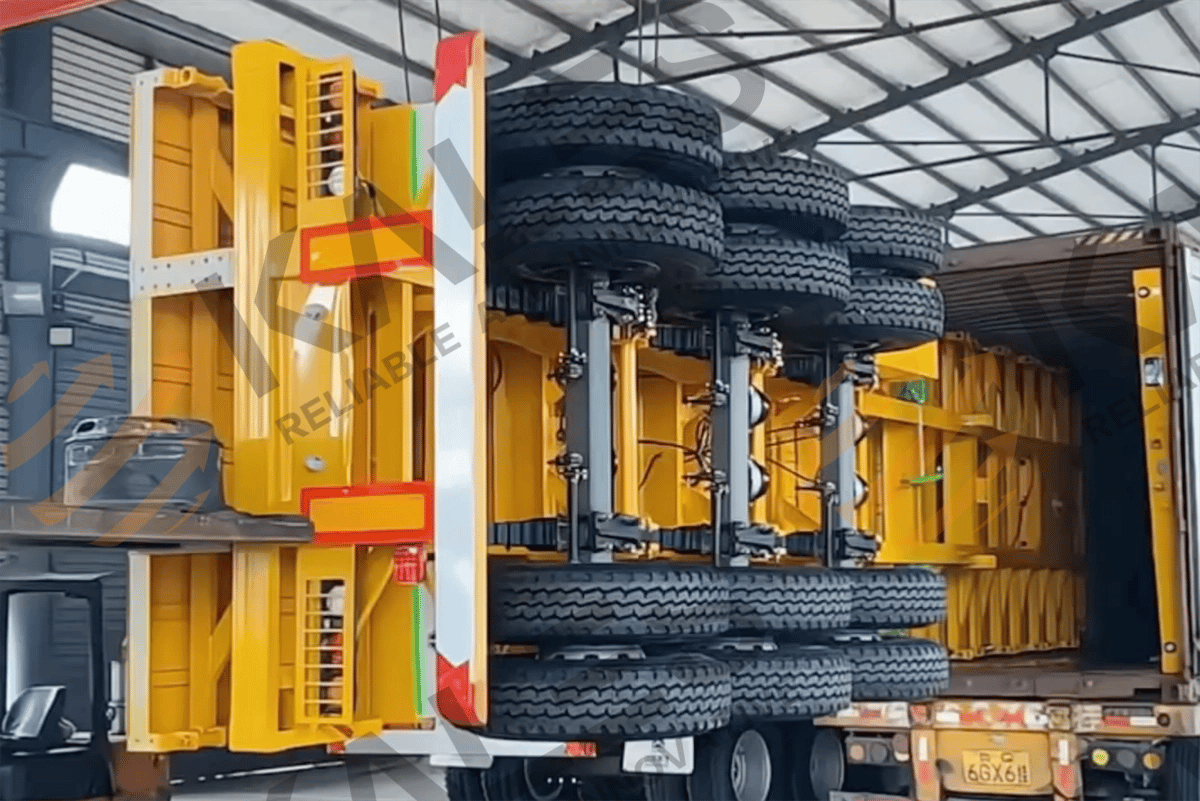
Container loading of Kales semi trailer for export, ensuring secure fastening and space optimization.



Trailer Type
Semi trailer
Axles
Multi-axle options
Payload
Configured to project requirement
Road Matching
leaf spring
Quick answer: choose 28T or 32T landing gear for mainstream semi-trailers that need dependable daily parking and loading support, and move to the 70T class when the trailer program is materially heavier or the support-leg demand is far above standard road-freight duty. This page is the right fit when you are choosing the trailer support legs themselves, not the king pin or fifth wheel coupling.
✓ Direct technical consultation from factory engineers · Zero trader markup
Factory Direct Export
Zero trader markup
Heavy-Duty Certified
ISO9001 / CCC / CIQ
Global Sea Freight
Container / Ro-Ro / Bulk
Custom Engineering
Tailored configurations
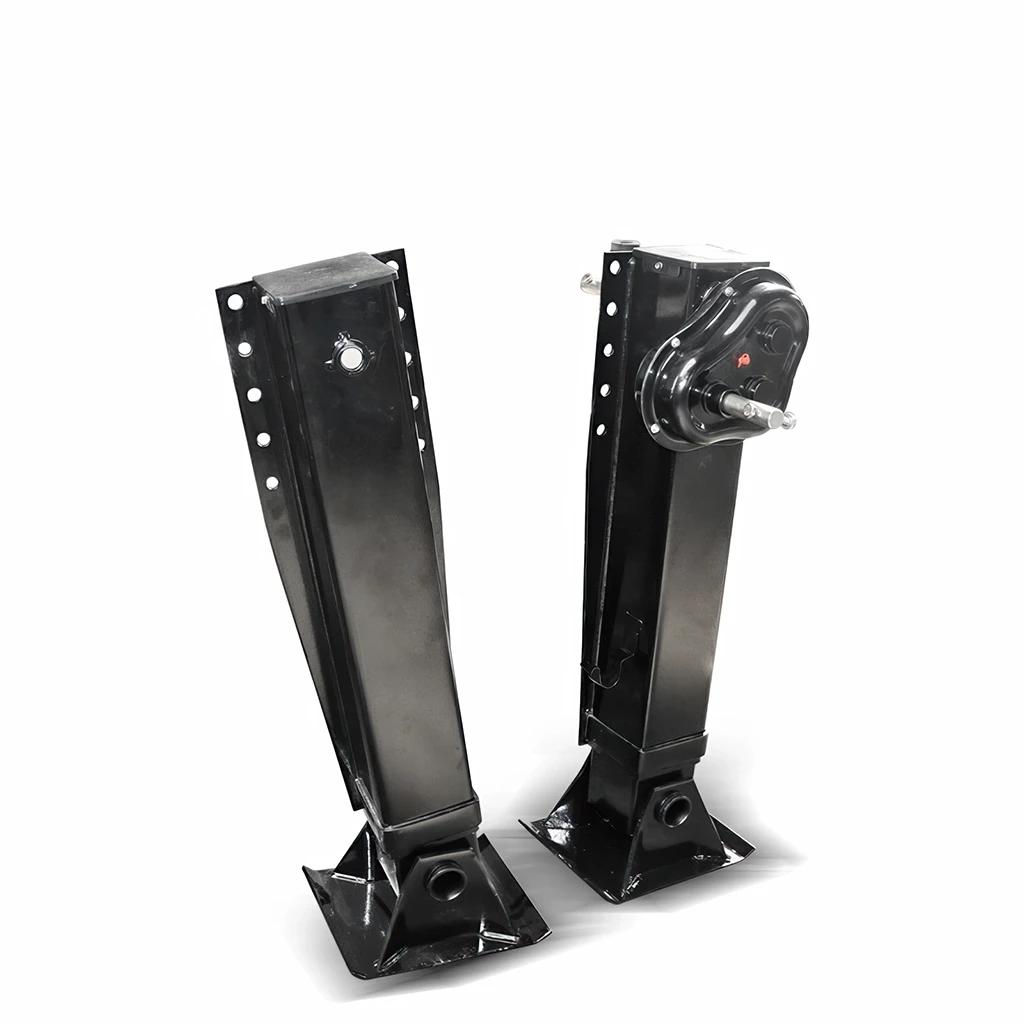
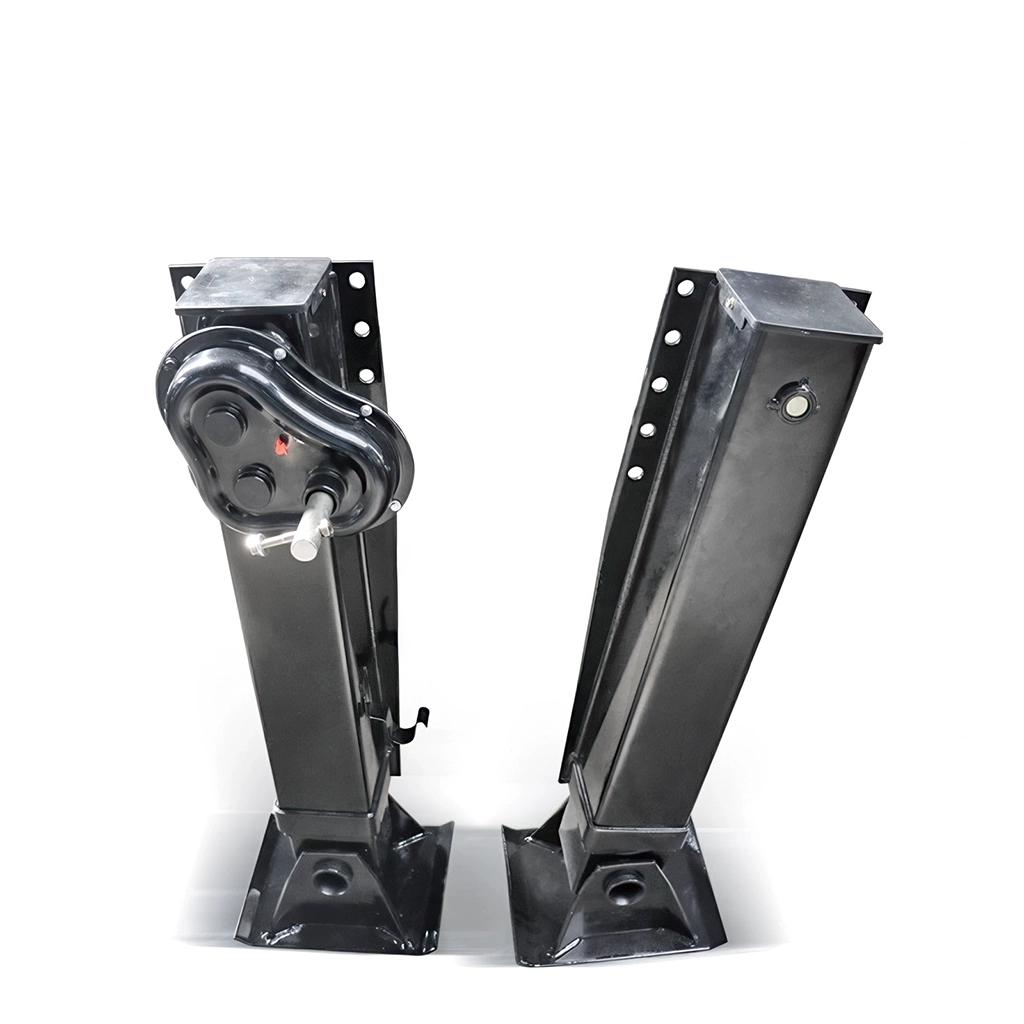
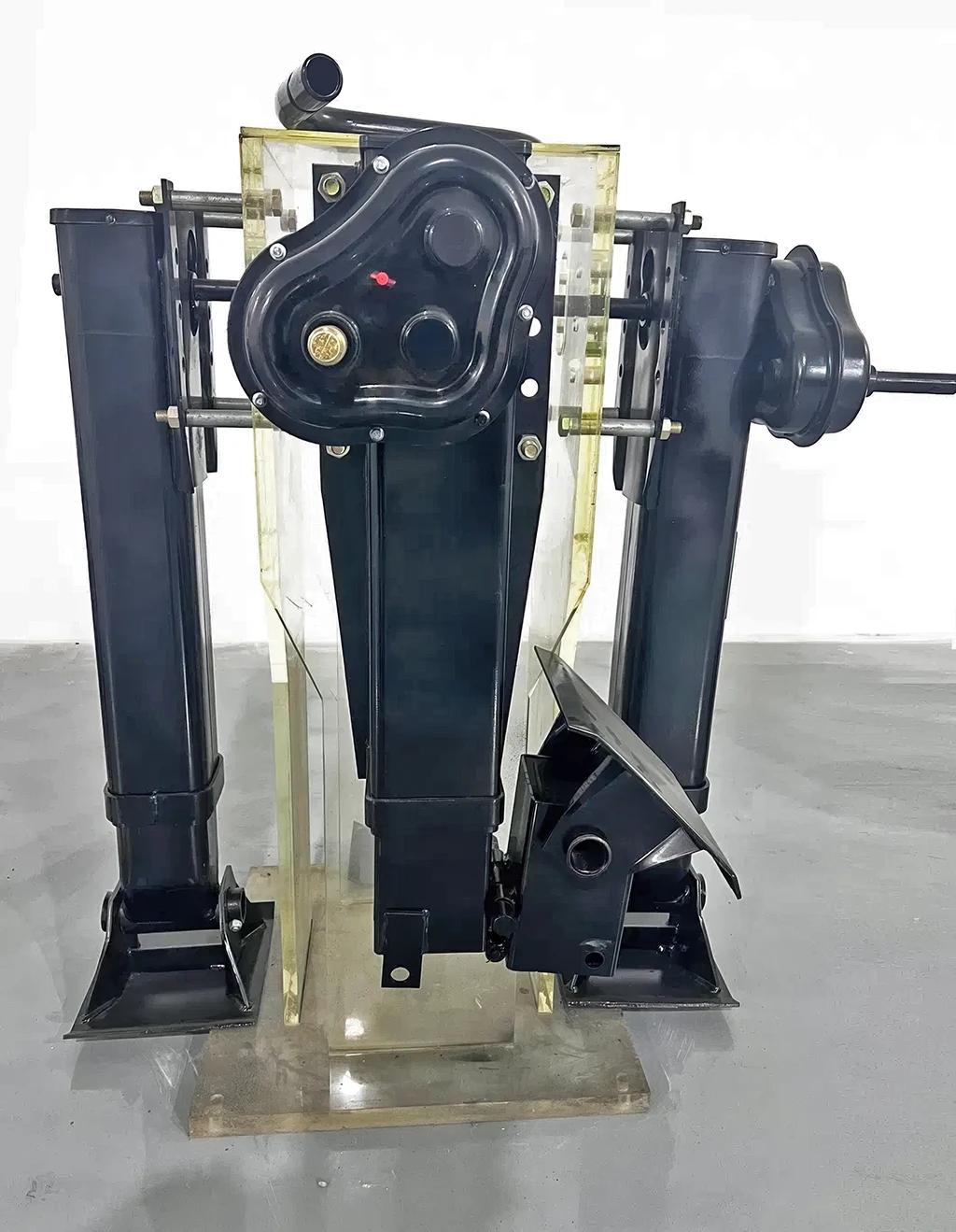
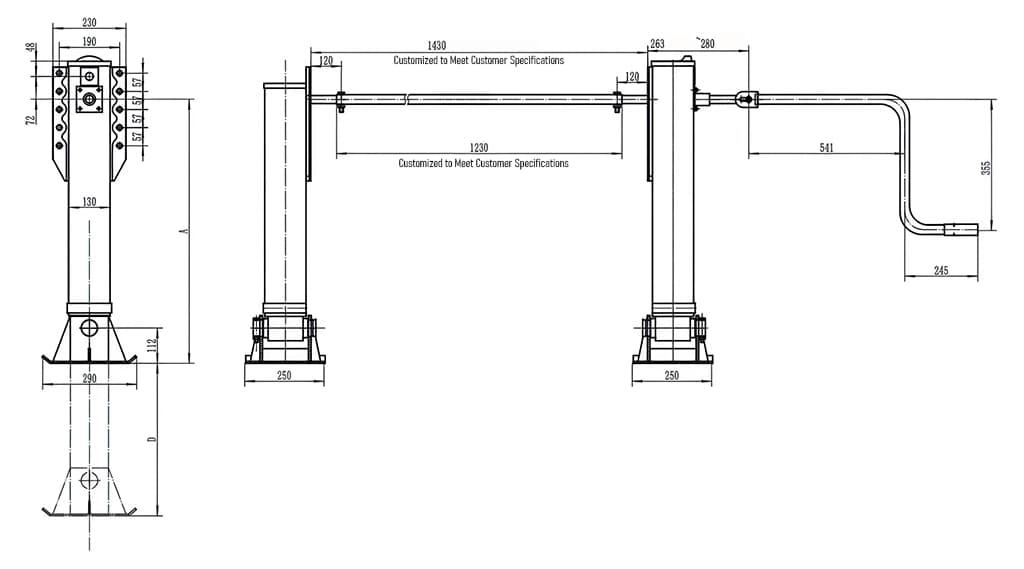
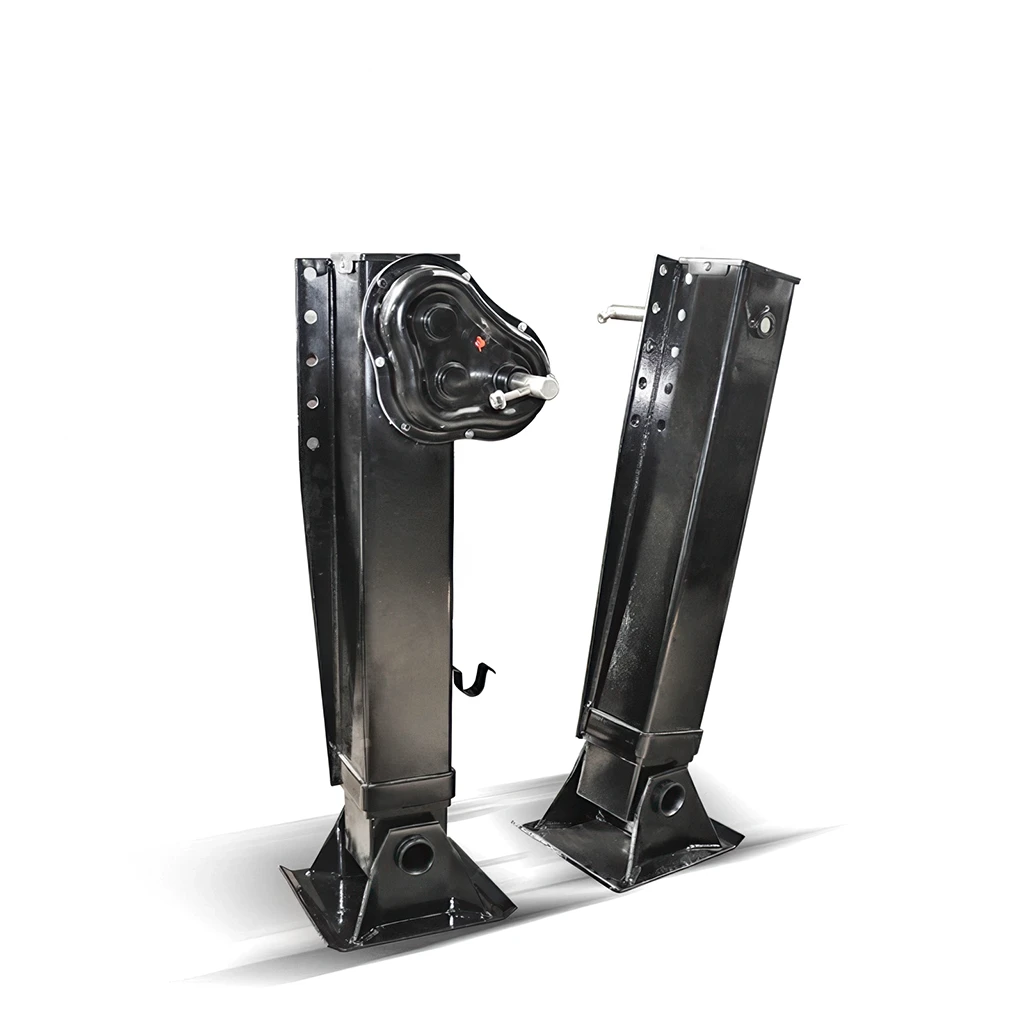
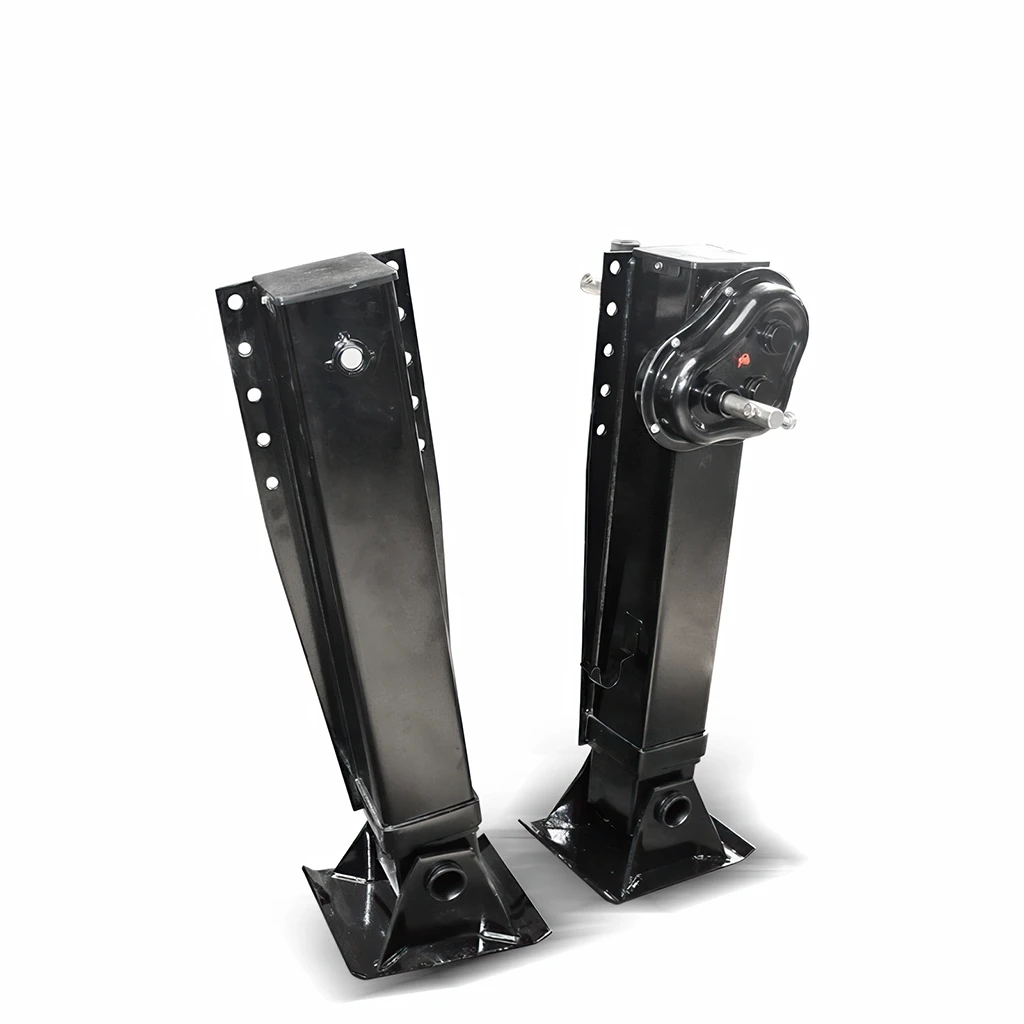
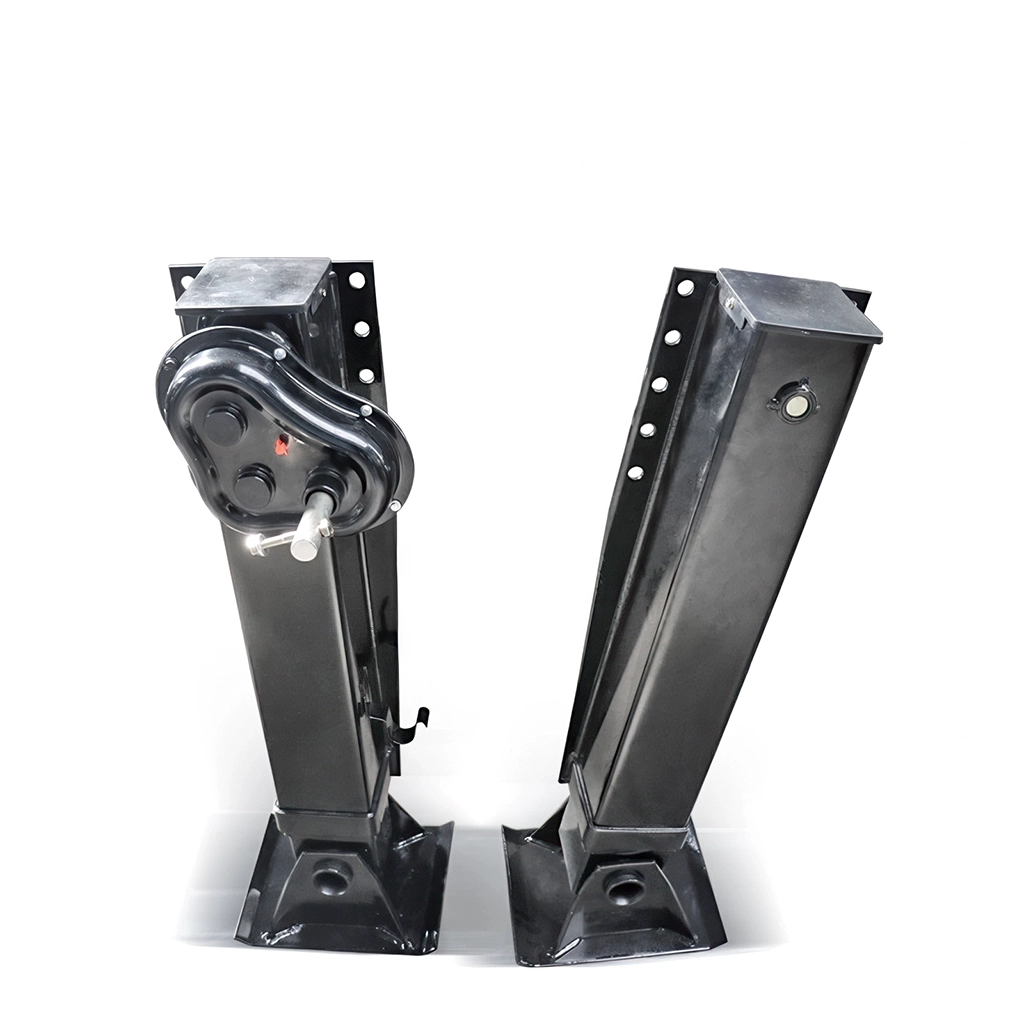
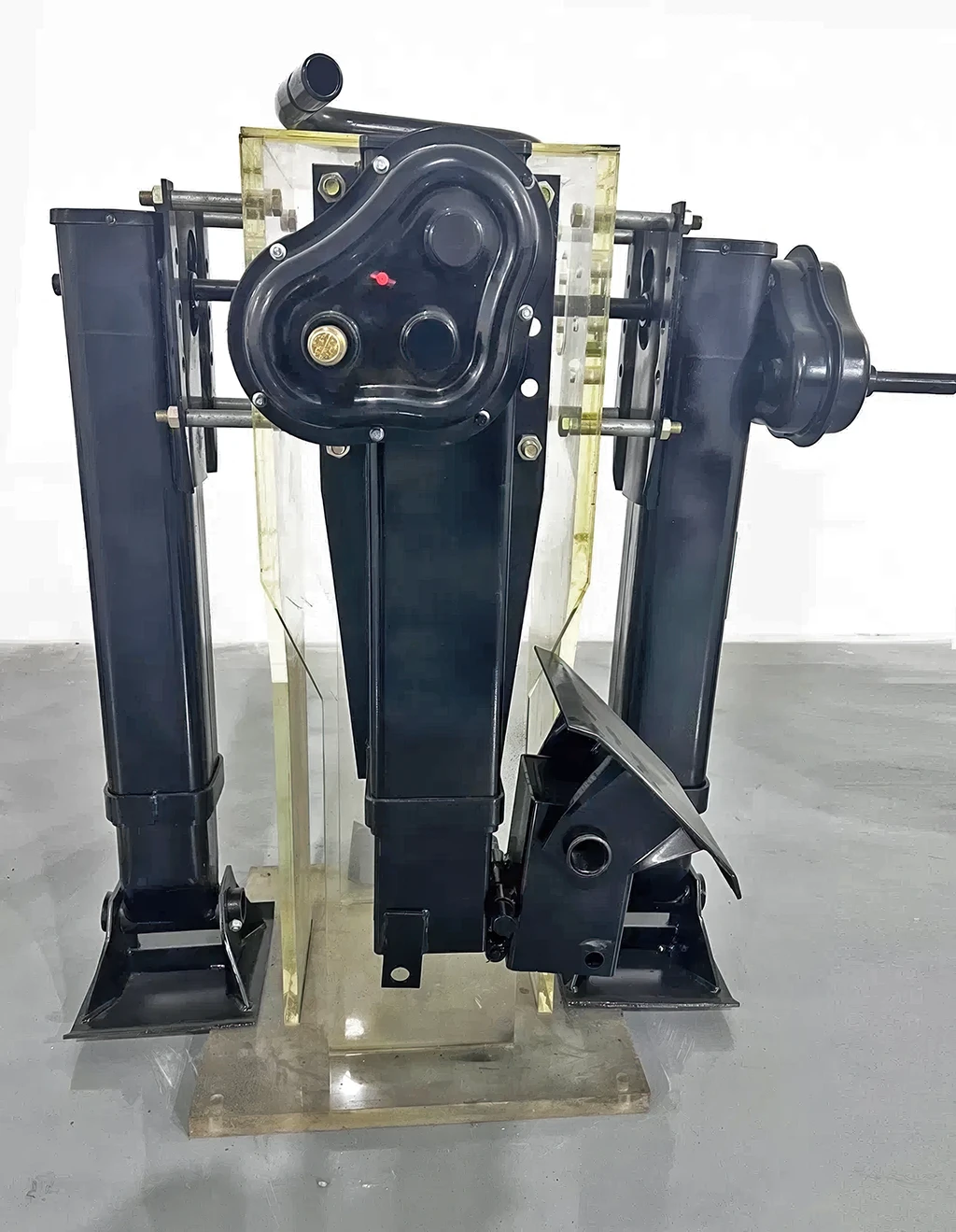
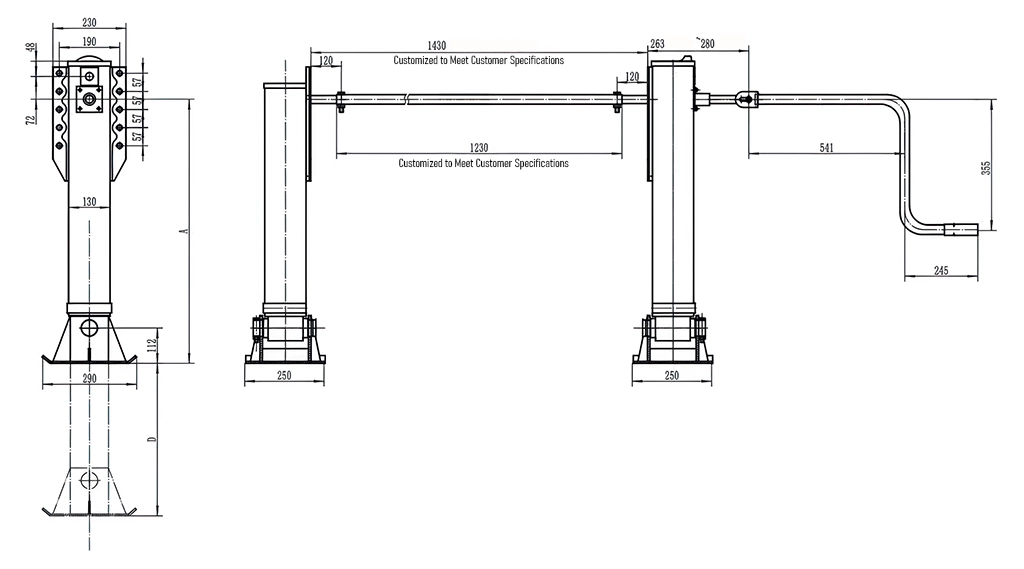
Trailer landing gear family: this Kales page covers 28T, 32T, and 70T landing gear options for semi-trailers, with interlinked support-leg structure for parking stability, loading support, and practical field service. It is built for buyers who need to match support-leg capacity to trailer class rather than buying one generic landing gear set for every chassis.
Engineering guidance from the Kales Vehicle parts team for buyers comparing landing gear sizes, tractor-trailer connection hardware, and heavy-duty trailer support components.
| Product type | Interlinked trailer landing gear family for semi-trailers |
|---|---|
| Main support classes | 28T, 32T, and 70T |
| Typical use | Trailer parking support, loading stability, and uncoupled trailer standing support |
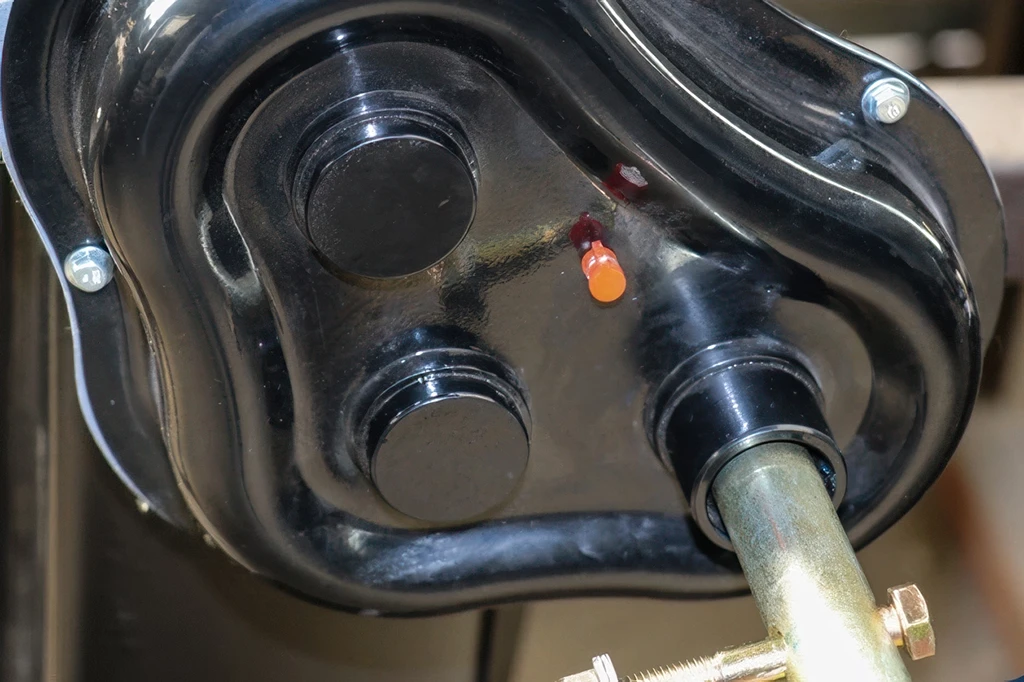
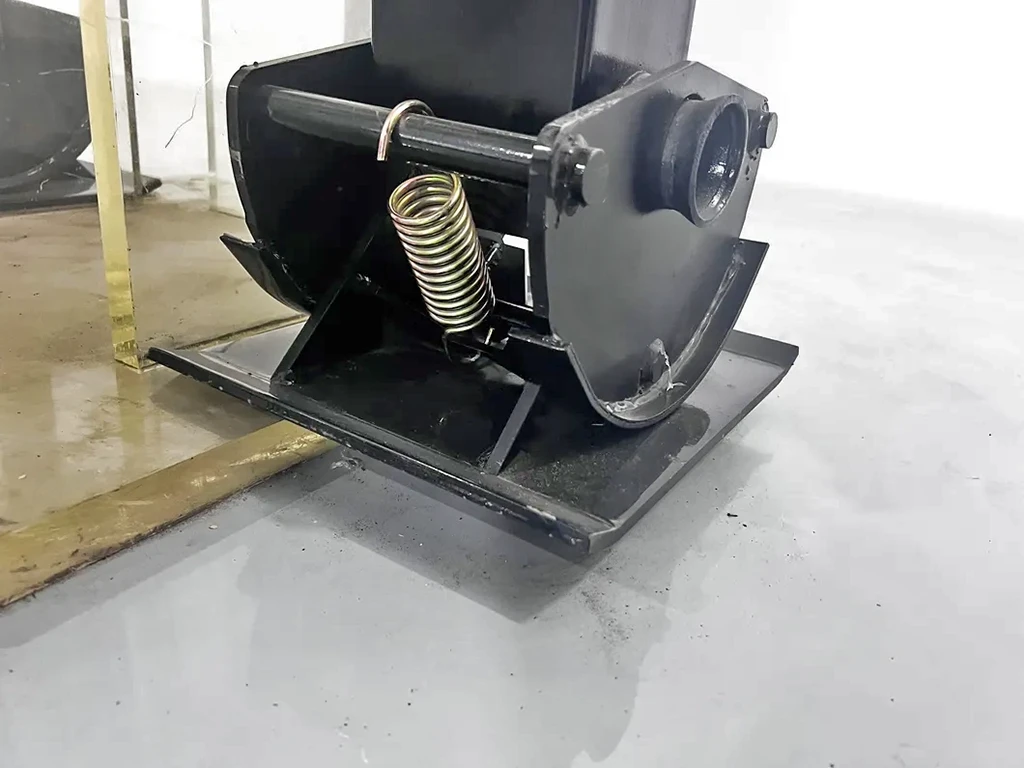
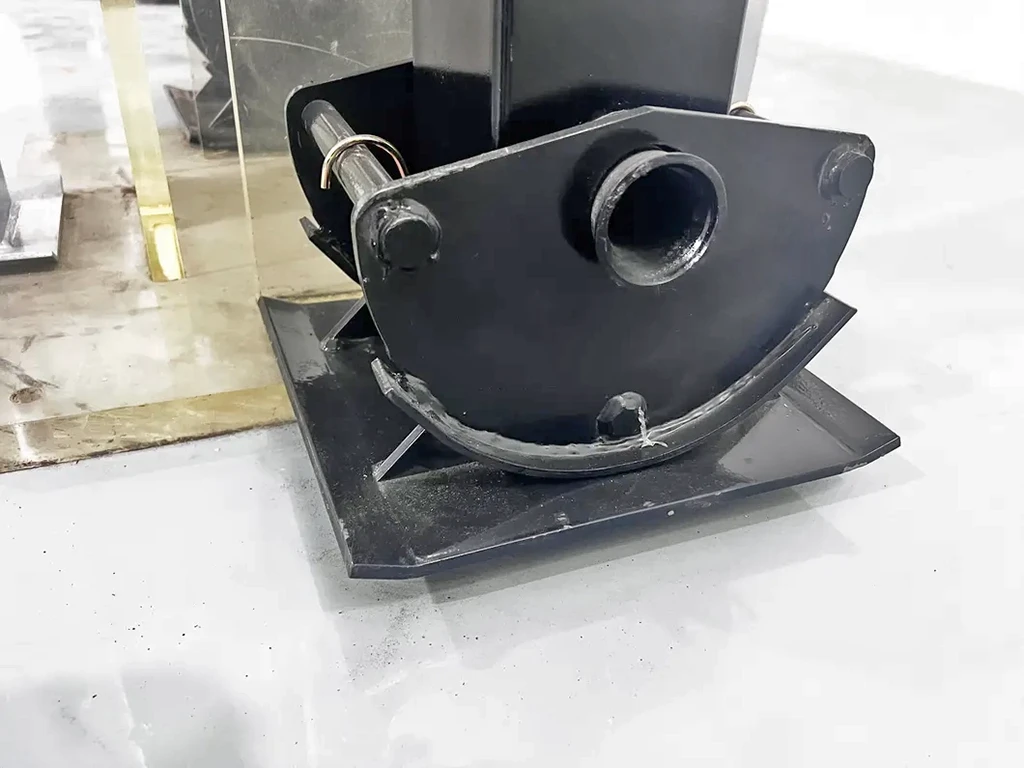
| Structural focus | Thickened fixed base, widened side plates, and precision welding |
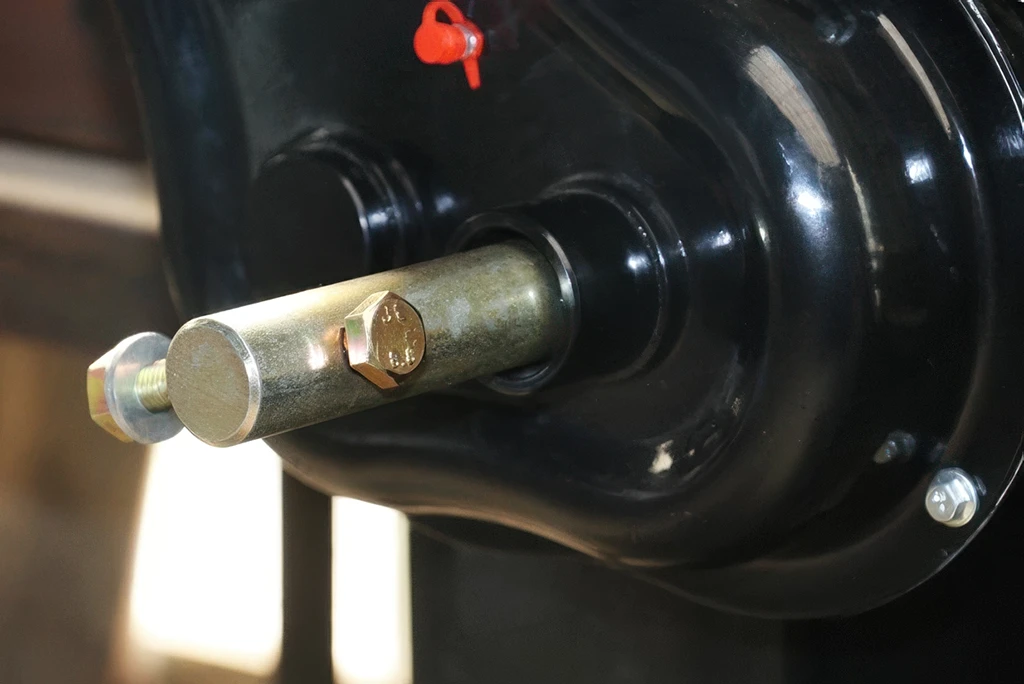
| Connection feature | Universal flange with spline connection for smoother operation and easier replacement |
| Durability detail | Electroplated piston rod with rust, wear, and corrosion resistance |
| Strength treatment | High-frequency quenching on critical components |
| Custom quotation | Contact KALES for a tailored quotation based on the required configuration, order quantity, and destination. |
| Landing gear class | Best-fit trailer situation | Selection logic |
|---|---|---|
| 28T | Standard semi-trailer parking and loading support | Good entry point for mainstream export trailer programs |
| 32T | Heavier mainstream road-freight support demand | Extra margin for buyers who want a stronger support-leg class without moving to an extreme-duty setup |
| 70T | Special heavier-duty trailer support requirement | Used when the support-leg duty is materially above ordinary semi-trailer service |
This landing gear family is best suited to trailer builders, replacement-parts buyers, and fleet workshops that need reliable parked-trailer support matched to actual trailer weight class. It works well for standard road-freight trailers, export trailer assembly, and heavier-duty programs where the support legs must stay stable during loading, unloading, and uncoupled parking.
The right way to evaluate semi-trailer landing gear is to start with support duty rather than sticker price. Buyers should check trailer class, loading pattern, parked support requirement, corrosion exposure, and whether the fleet wants the easiest replacement path in local workshops. That is what separates a correct landing gear purchase from a support-leg set that looks cheap but fails early under real load cycles.
| Buyer situation | Best-fit Kales direction | Why |
|---|---|---|
| Mainstream road-freight semi-trailer | 28T or 32T landing gear | Better matched to everyday trailer parking and loading support duty |
| Heavier-duty trailer support demand | 70T landing gear | Provides the stronger support class for materially heavier applications |
| Buyer replacing trailer connection hardware | King pin or fifth wheel page | Landing gear supports the parked trailer; it does not lock tractor to trailer |
| Buyer rebuilding suspension or axle running gear | Suspension or axle page | Landing gear should be specified separately from running gear components |
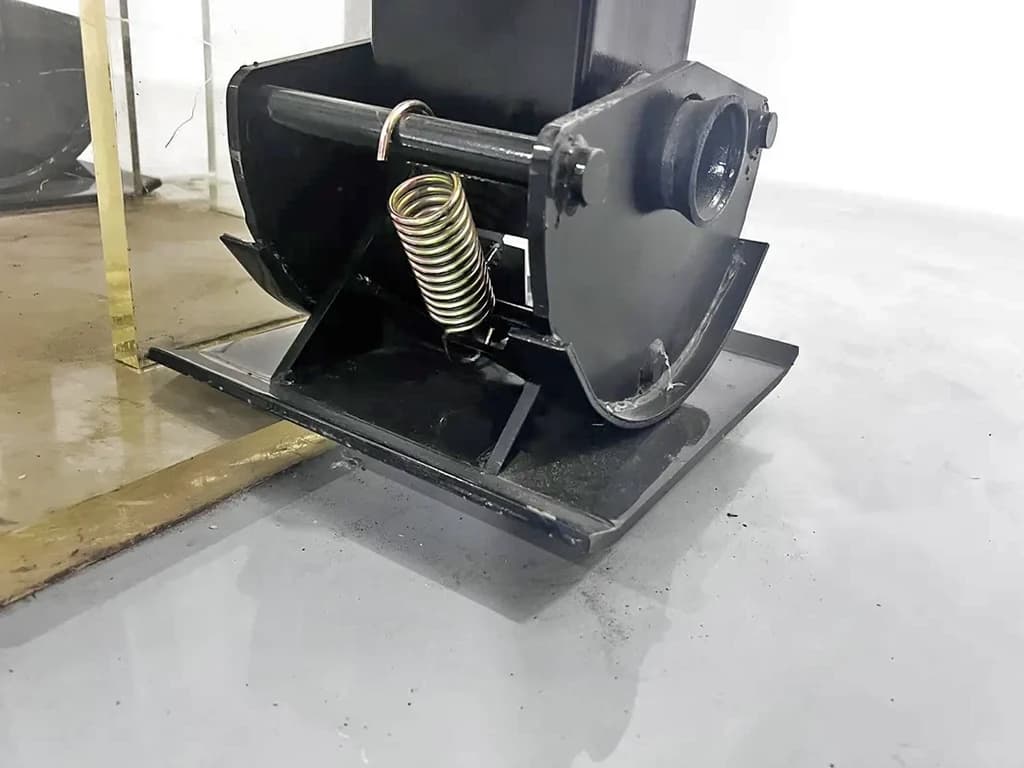
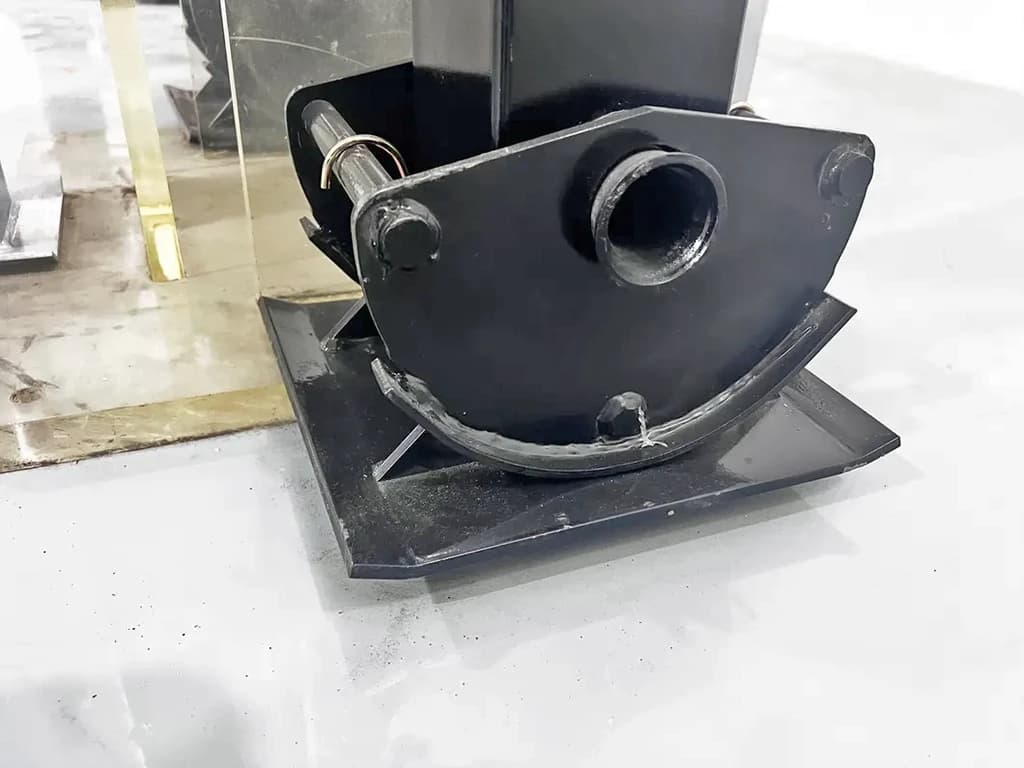
The fixed base is the stability foundation of the landing gear. Thickened and widened side plates, combined with precision welding, help the support legs stay more stable during loading, unloading, and longer parked-trailer service. Buyers who ignore base strength often end up with support legs that work acceptably at first but lose confidence under real yard conditions.
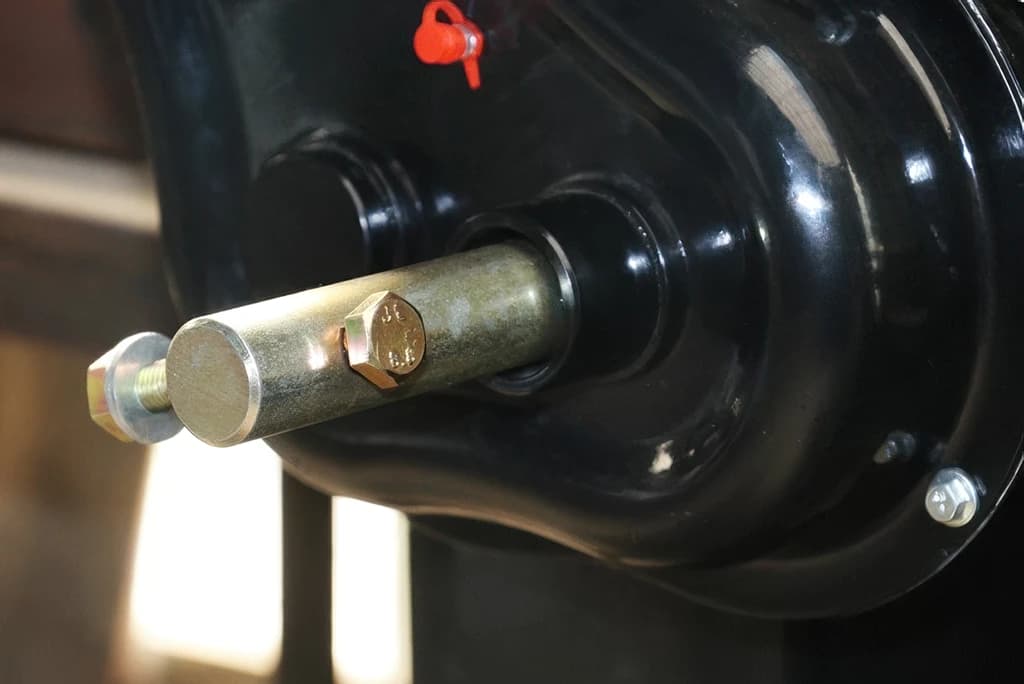
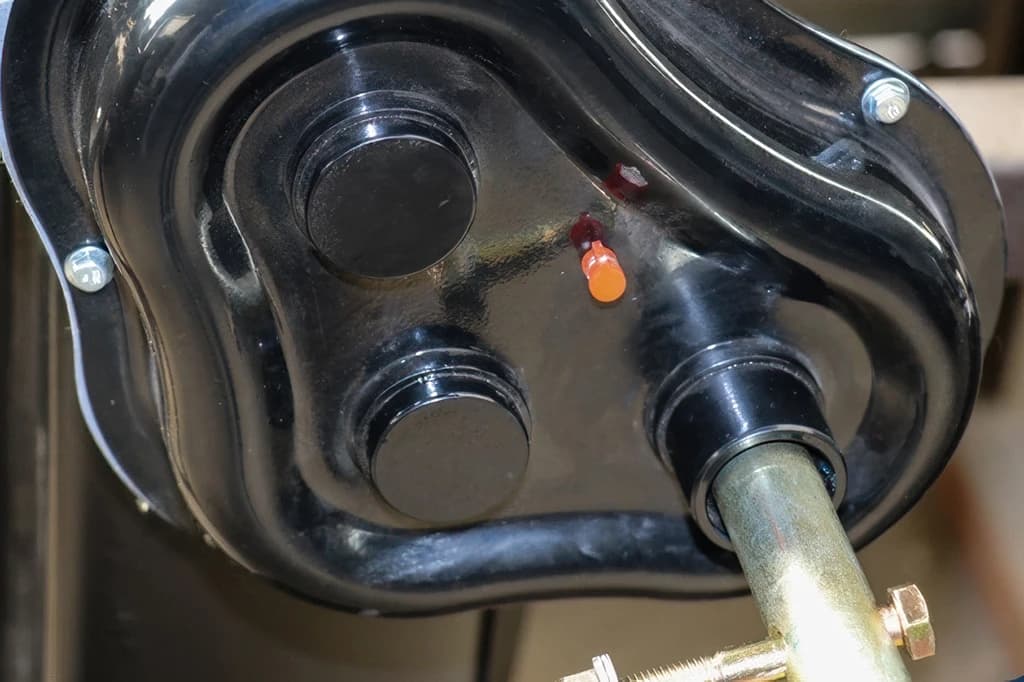
The old product content is right to emphasize the universal flange and spline connection. That detail matters because smoother operation and easier replacement reduce downtime in service workshops. For fleets buying export parts, replaceability is often more important than cosmetic design claims.
The electroplated piston rod helps resist rust, wear, and corrosion, especially when landing gear spends long periods outdoors or in humid transport environments. High-frequency quenching on critical components adds hardness and helps prevent deformation under repeated loading cycles. Those are real service-life controls, not brochure filler.
KALES confirms the quotation after reviewing the required specification, quantity, destination, and delivery terms. Send the operating requirements for an accurate proposal.
Before asking for a quote, buyers should send trailer type, expected support duty, whether the trailer program is mainstream or heavier-duty, and any corrosion or route constraints that affect parts life. Kales can then match the correct 28T, 32T, or 70T landing gear class instead of quoting a generic support-leg set with the wrong duty margin.
Share your target market, usage scenario, and preferred configuration.
Receive our model recommendation, specification review, and factory quotation.
Confirm production, inspection, shipment route, and export documents.
Stay supported after delivery with spare parts and remote assistance.
At Kales Vehicle, we keep freight planning practical so your trailer or truck reaches the destination with the right balance of protection, speed, and cost.
Container Shipping, Ro-Ro (Roll-on/Roll-off), and Bulk Cargo each serve different export needs, and we choose the safest route, loading method, and packing approach for the order.
Container loading of Kales semi trailer for export, ensuring secure fastening and space optimization.
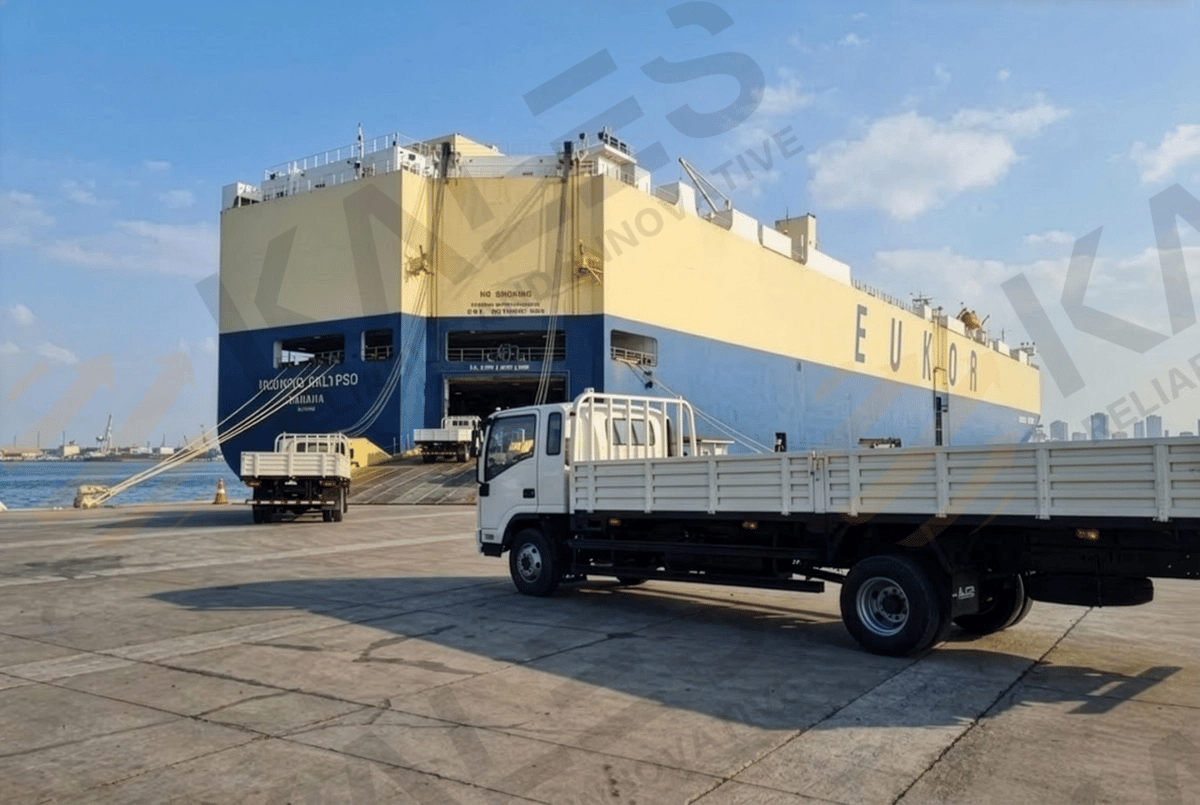
Ro-Ro shipping method for Kales commercial trailers, driving directly onto the vessel for maximum safety.
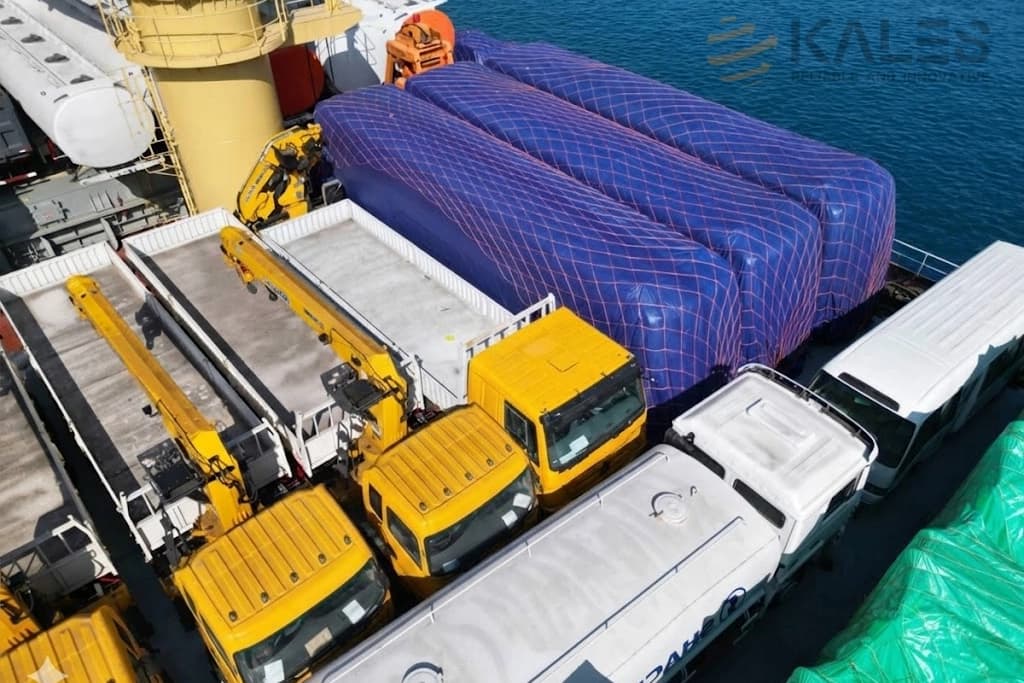
Bulk cargo transport of stacked Kales semi trailers with wax spraying protection against seawater corrosion.
If you need 28T, 32T, or 70T trailer landing gear, send your trailer type, support-duty requirement, and route profile. Kales can then match the correct landing gear class for your trailer build, fleet replacement plan, or export parts order.
Factory engineering notes, maintenance protocols, and buyer checklists related to this equipment.
Mobilizing oversized industrial machinery—including hydraulic excavators, crawler bulldozers, rotary drilling rigs, crus…
In African open-pit mining, quarrying, and bulk mineral haulage—from the gold corridors of Geita and Kahama in Tanzania…
Nigeria represents the largest commercial vehicle market in Sub-Saharan Africa, serving as the industrial and trade loco…
28T/32T/70T Trailer Landing Gear for Semi-Trailers
Factory Direct · Free Quote