Container Shipping
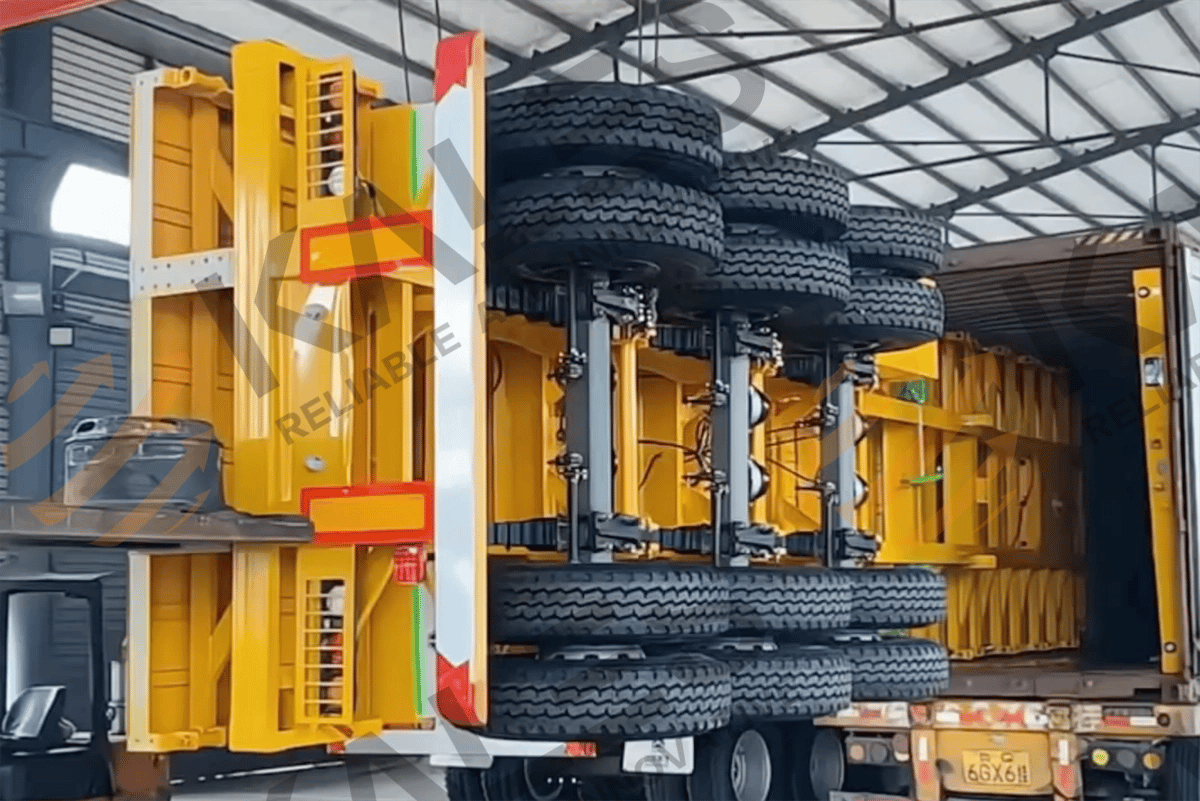
Container loading of Kales semi trailer for export, ensuring secure fastening and space optimization.



Trailer Type
Semi trailer
Axles
Multi-axle options
Payload
Configured to project requirement
Road Matching
leaf spring
Quick answer: choose this German-style air suspension system when your semi-trailer runs mostly on paved roads, carries higher-value or vibration-sensitive cargo, or needs adjustable ride height for dock loading and route flexibility. If the real job is overloaded mining duty, rough off-road abuse, or simplest roadside repair, a leaf spring suspension is still the better fit.
✓ Direct technical consultation from factory engineers · Zero trader markup
Factory Direct Export
Zero trader markup
Heavy-Duty Certified
ISO9001 / CCC / CIQ
Global Sea Freight
Container / Ro-Ro / Bulk
Custom Engineering
Tailored configurations
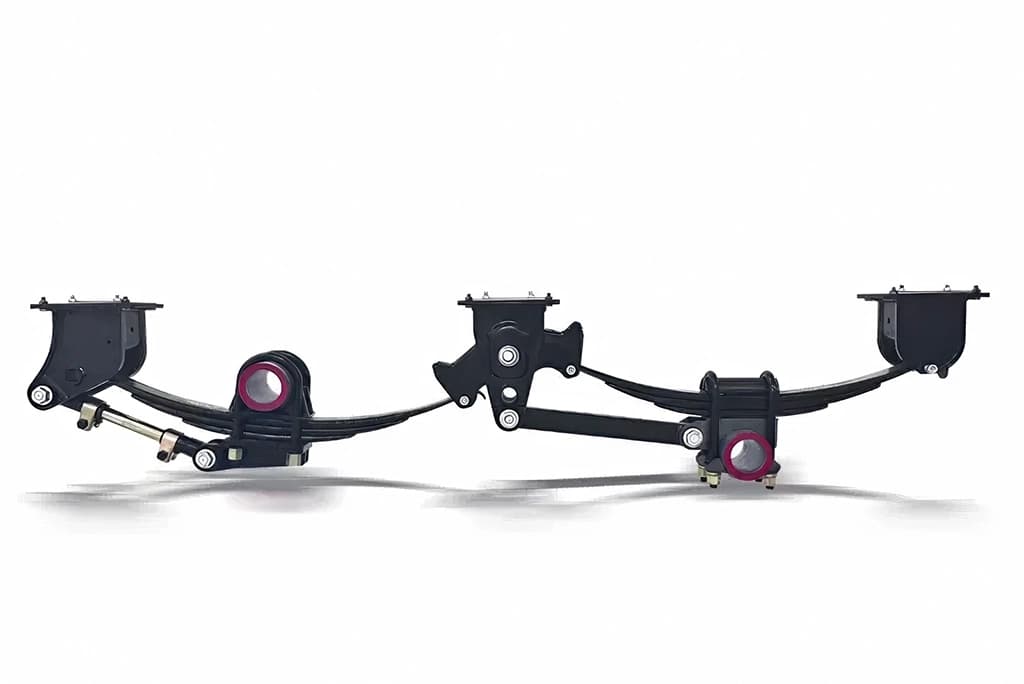
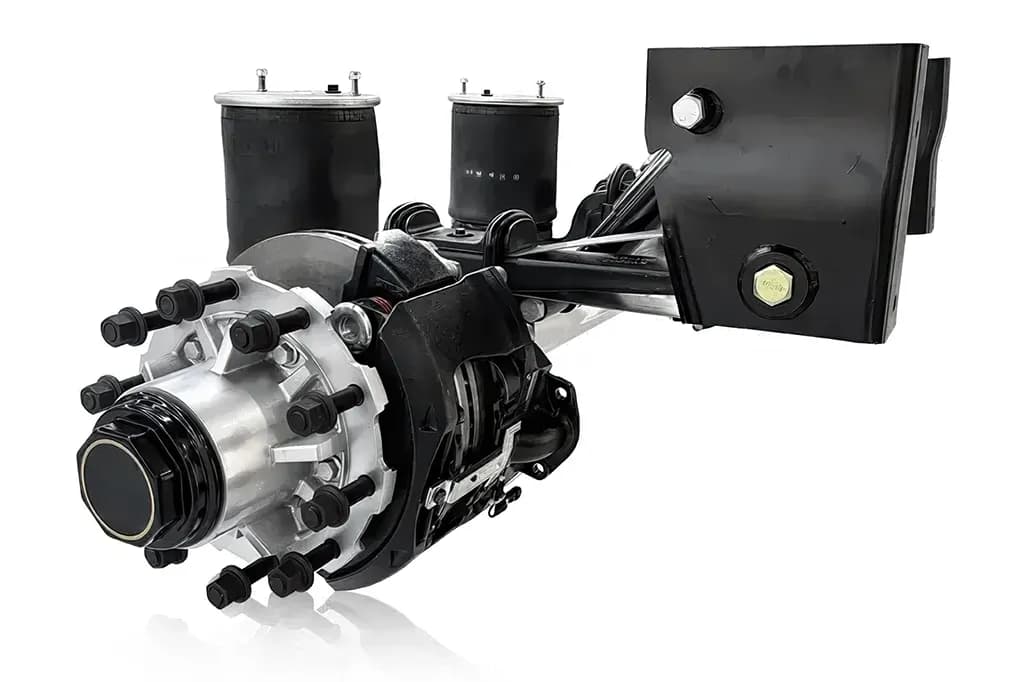
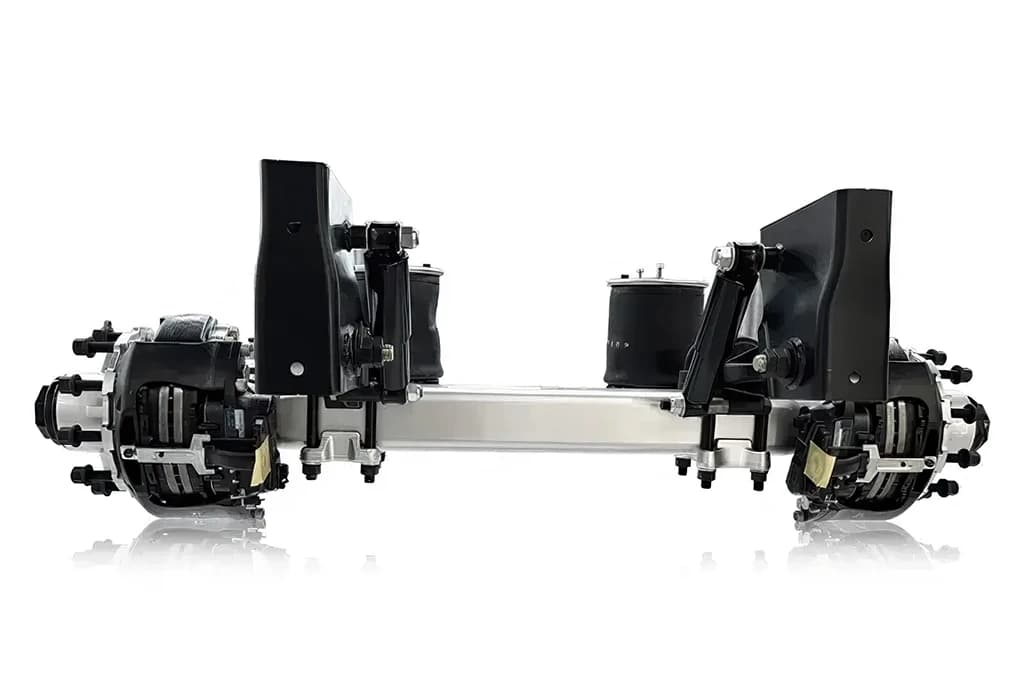
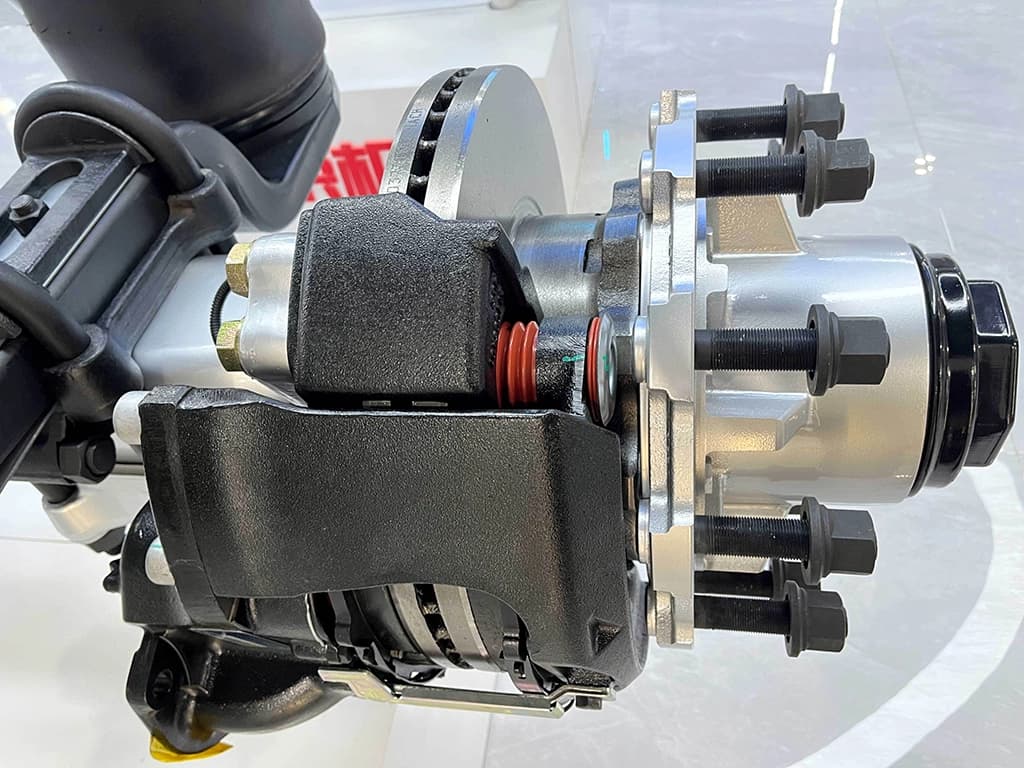
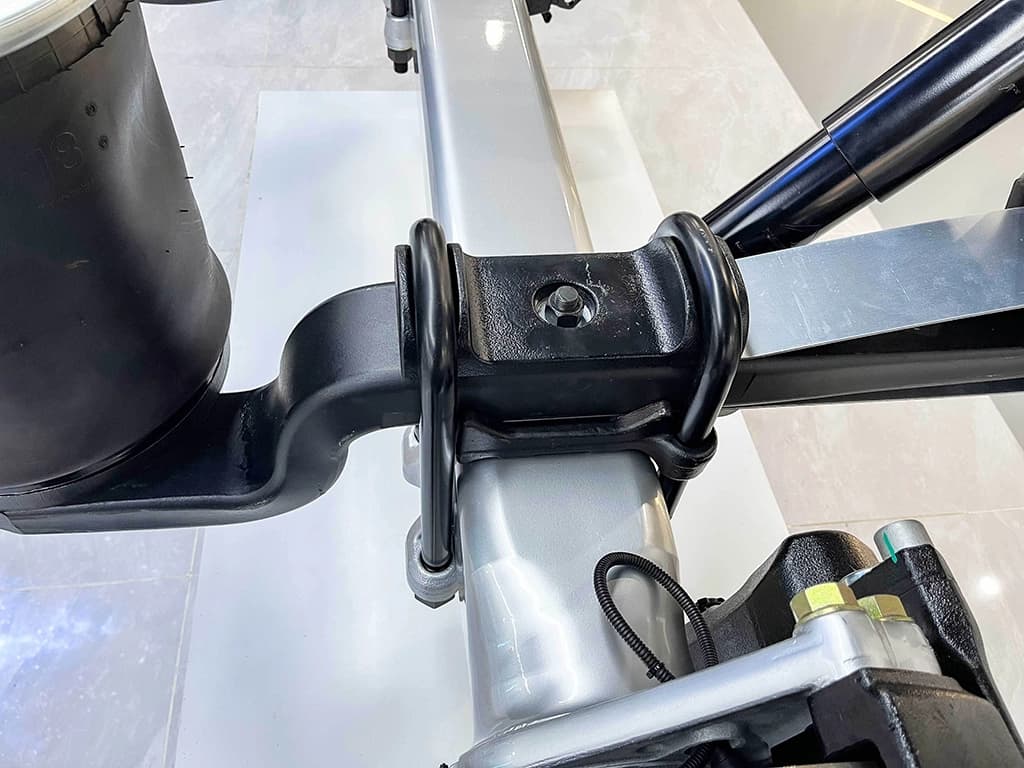
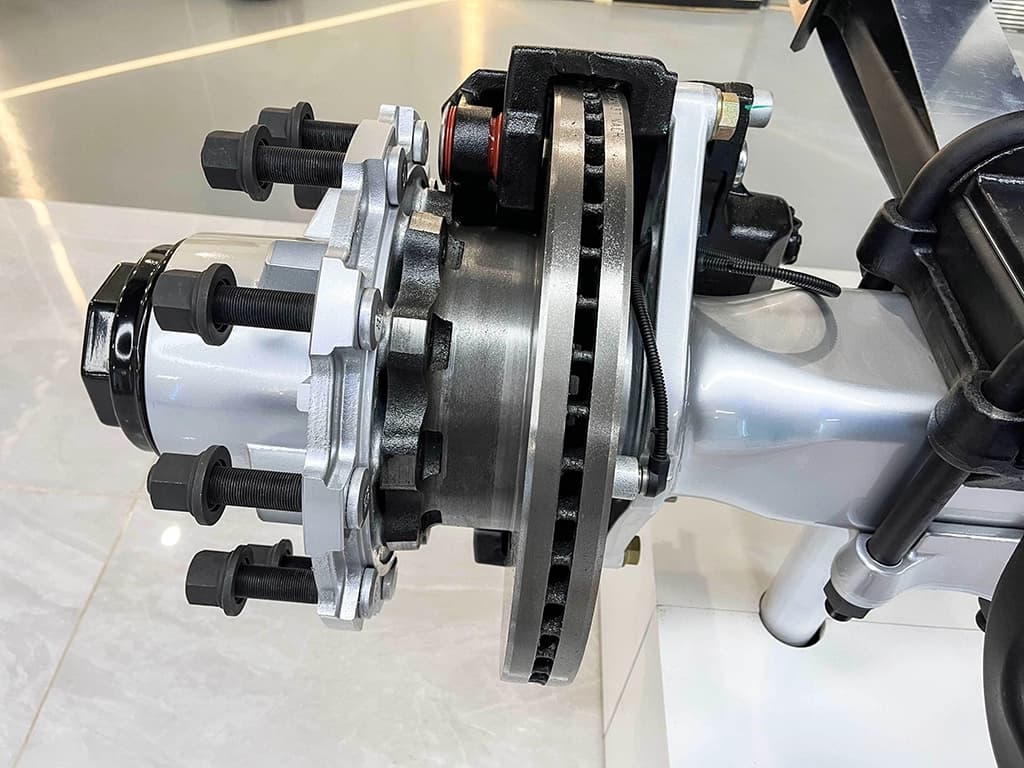
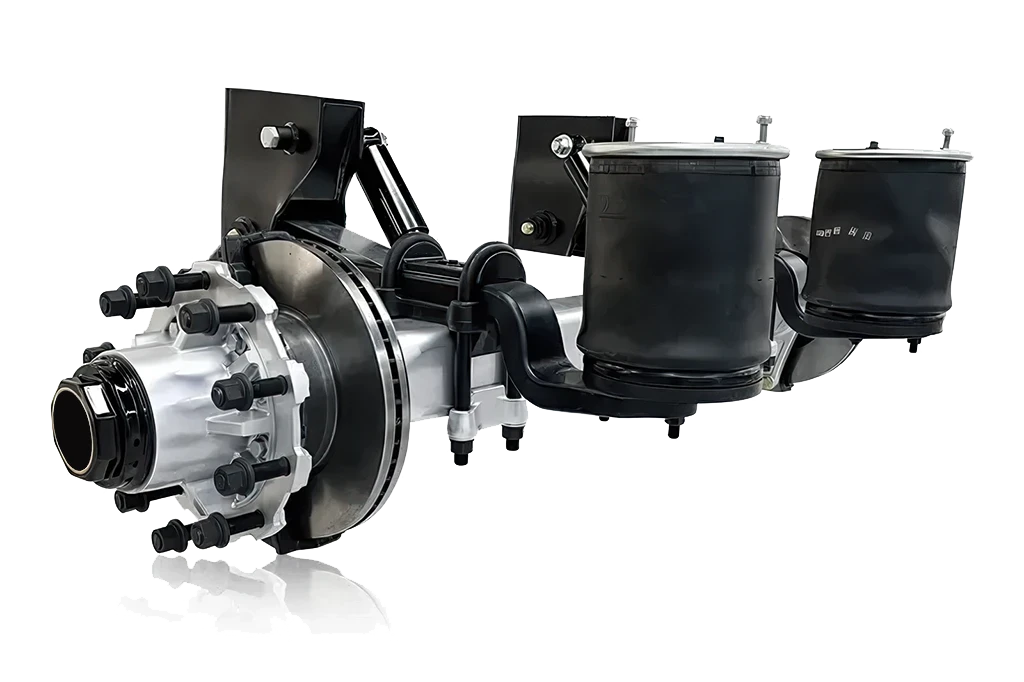
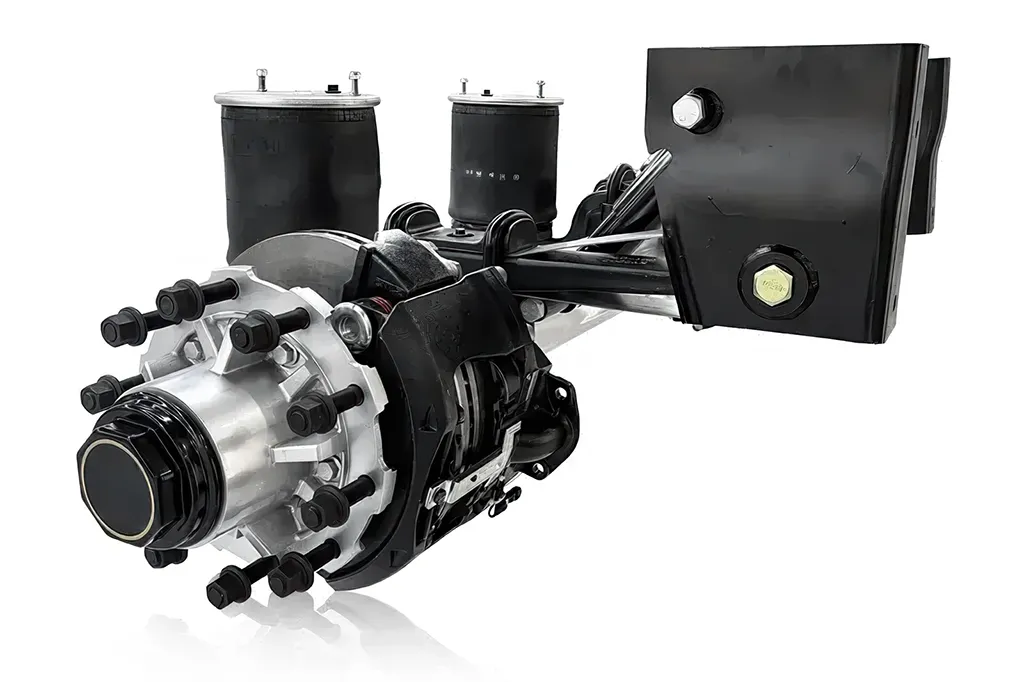
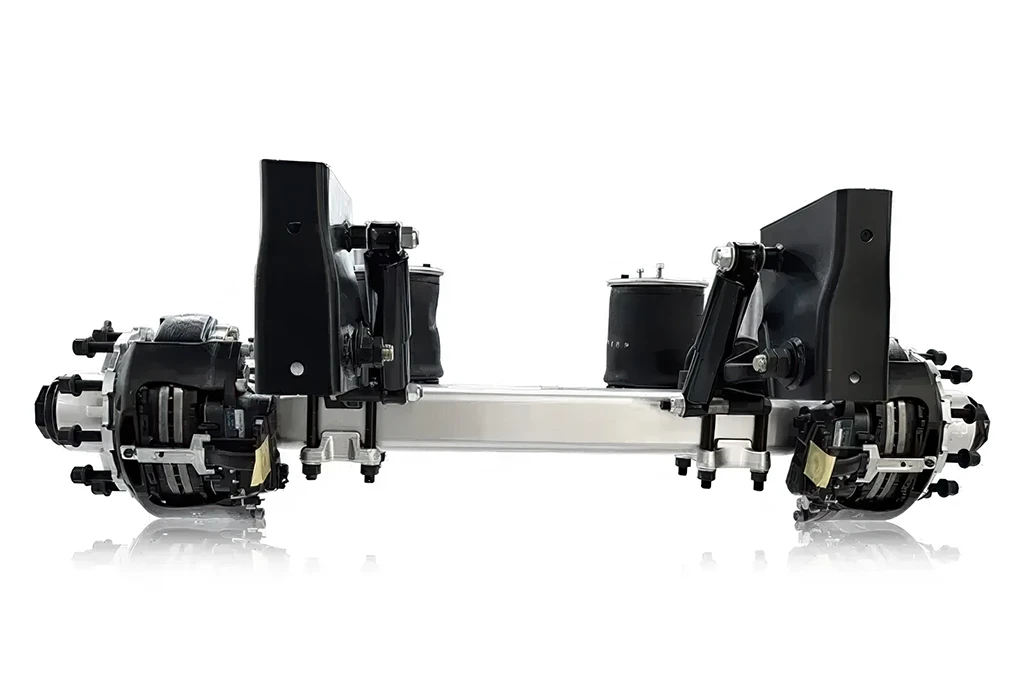
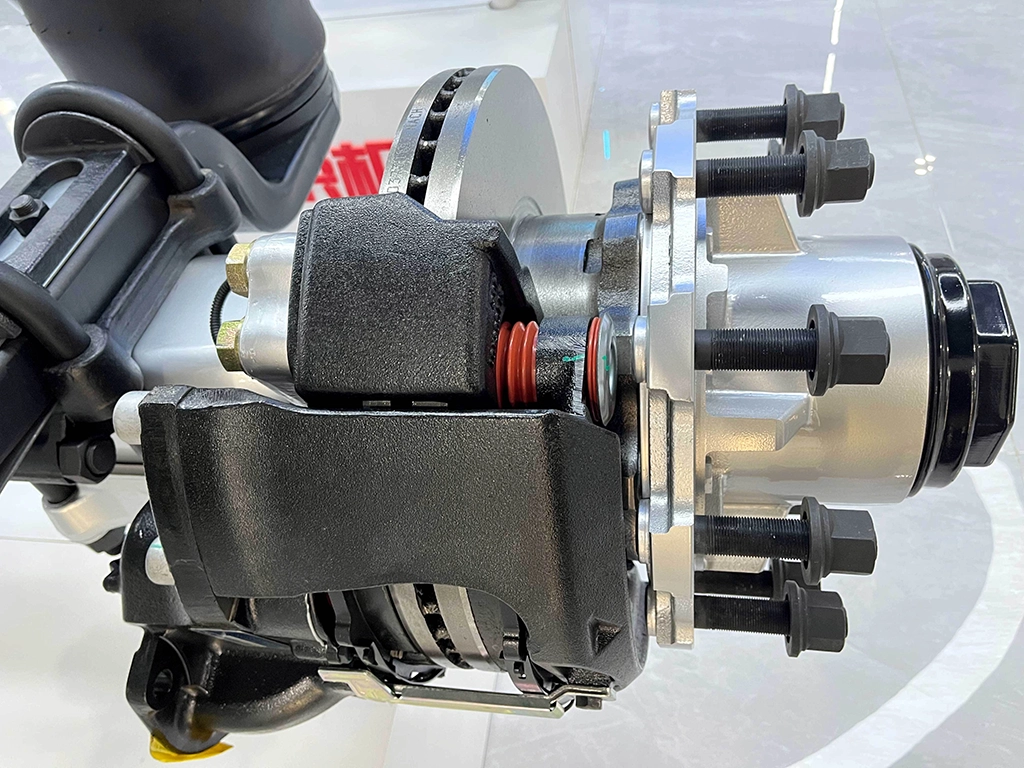
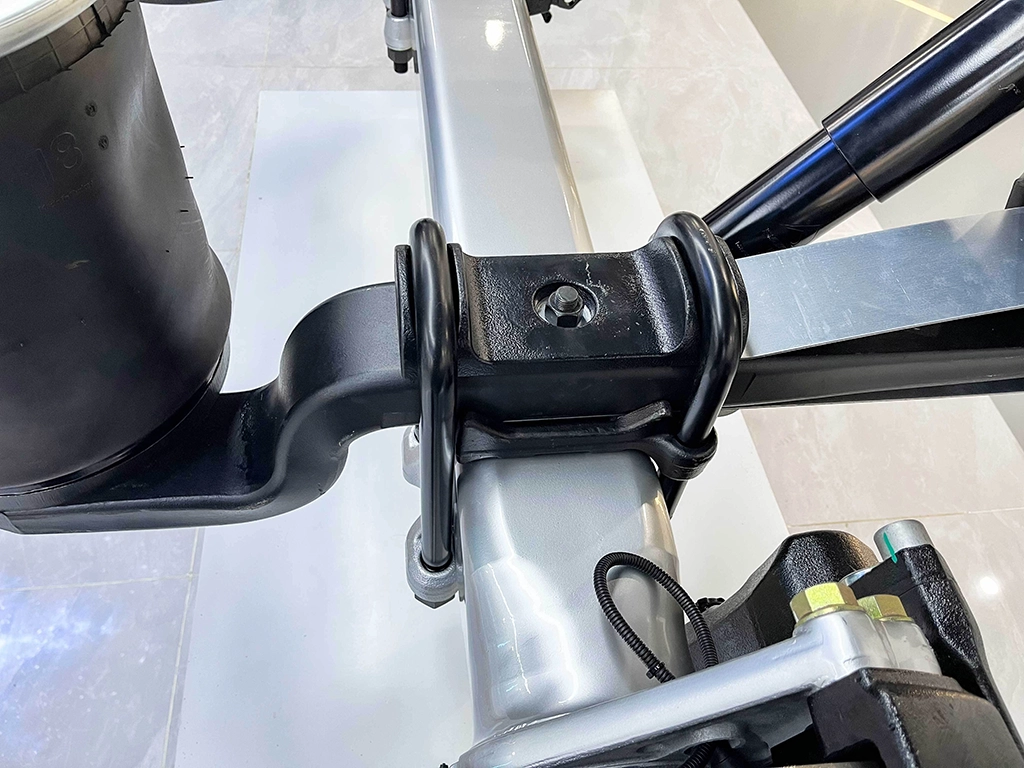
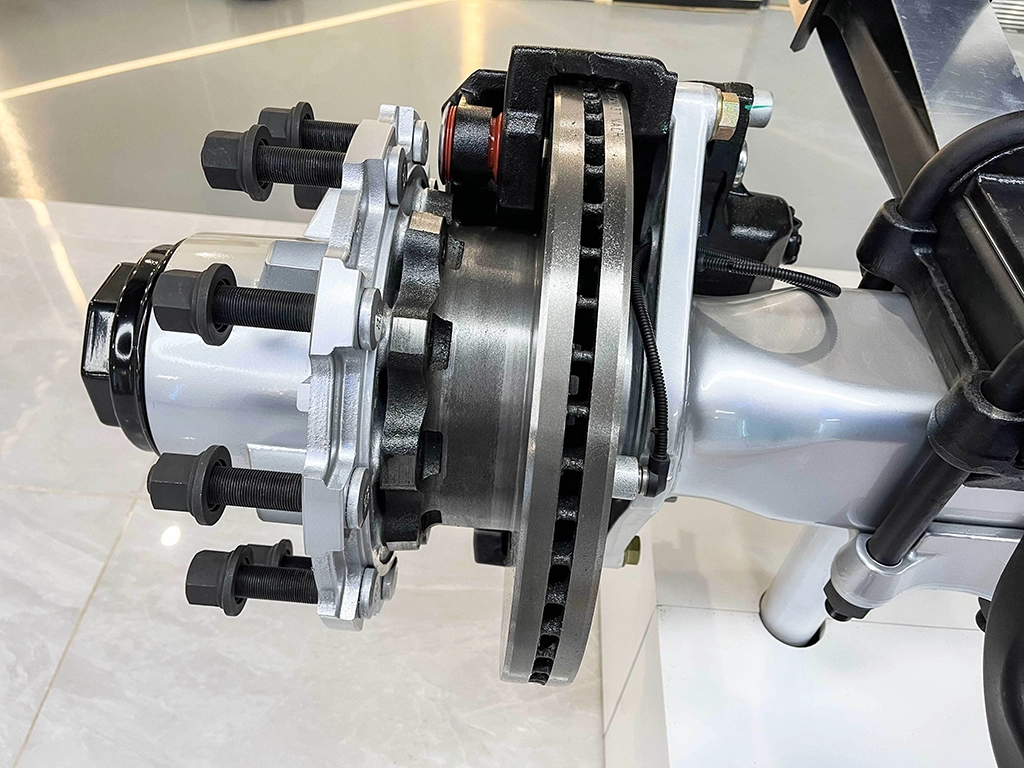
German-style air suspension family: this Kales page covers adjustable air suspension systems for semi-trailers that need smoother ride quality, better cargo isolation, and chassis-height control across highway logistics work. It is built for buyers comparing air suspension against mechanical leaf spring systems on reefer, tanker, curtainsider, and higher-value cargo trailers.
Engineering guidance from the Kales Vehicle suspension team for buyers selecting between air suspension and leaf spring trailer running gear for export fleet programs.
| Product type | German-style adjustable air suspension system for semi-trailers |
|---|---|
| Typical applications | Reefer trailers, tanker trailers, curtainsider trailers, and highway cargo trailers |
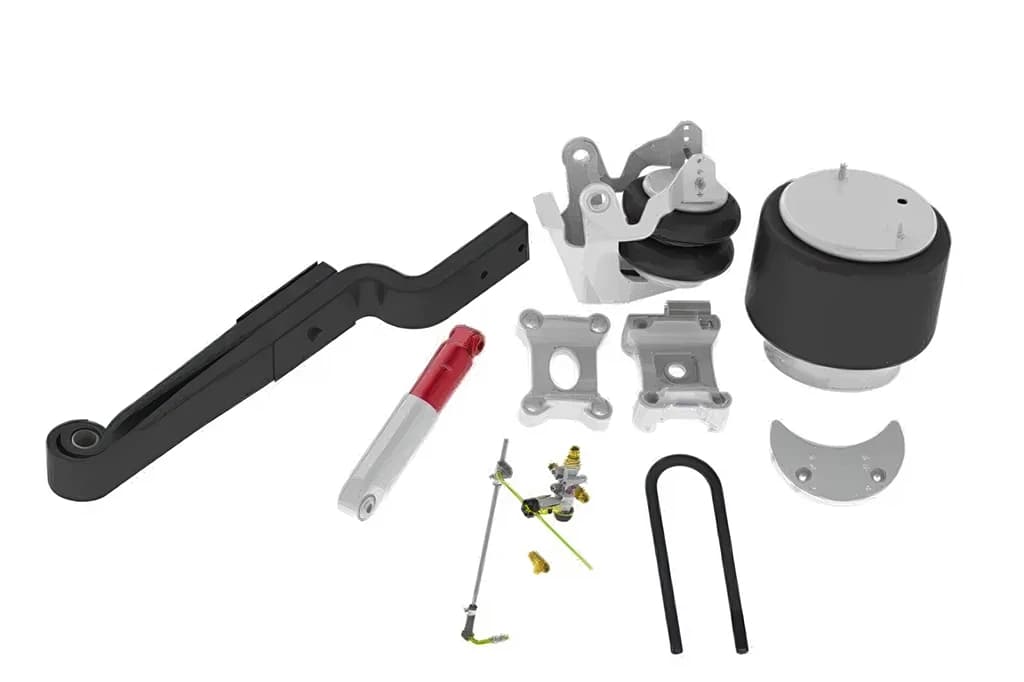
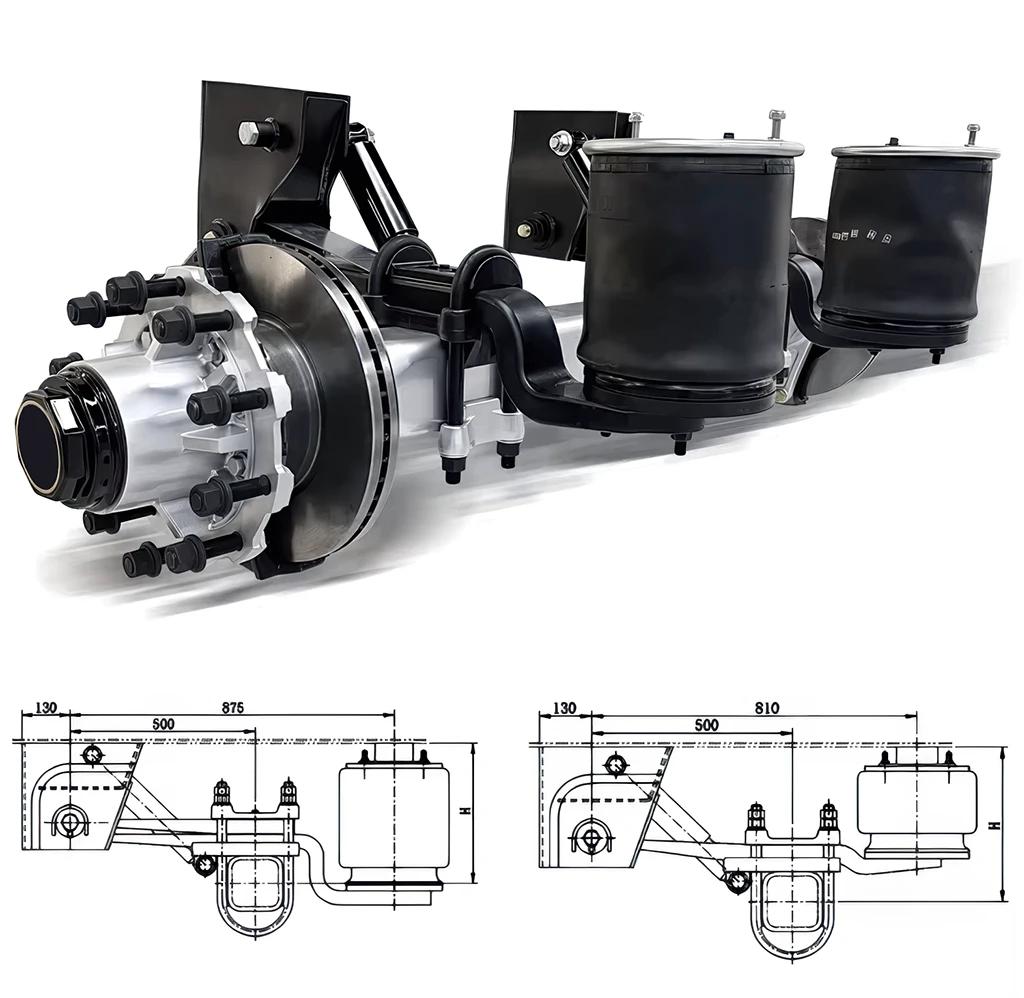
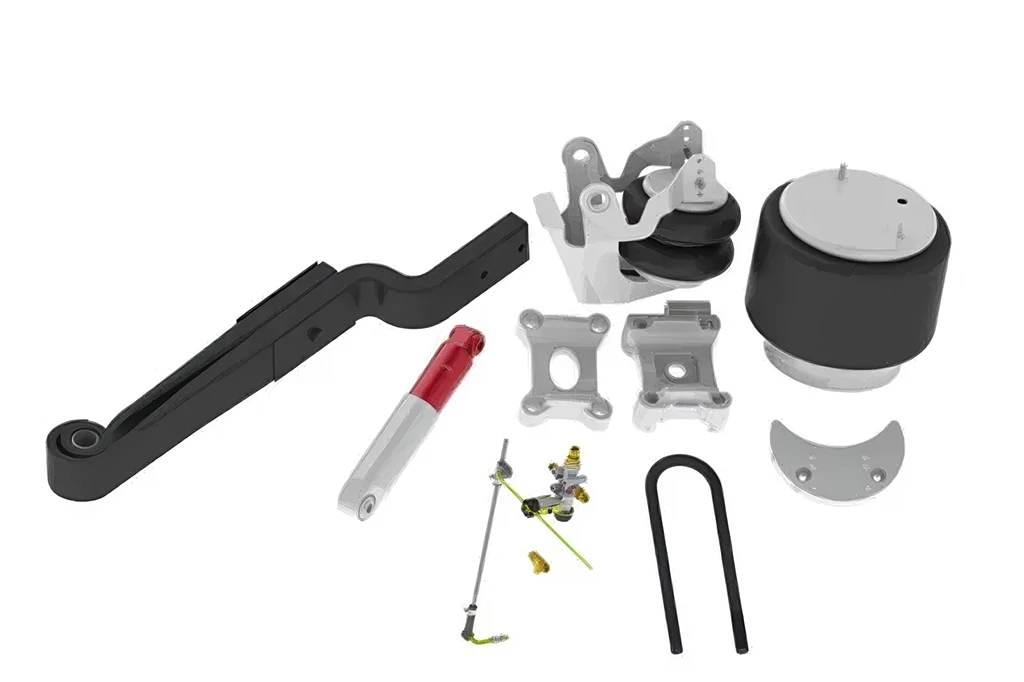
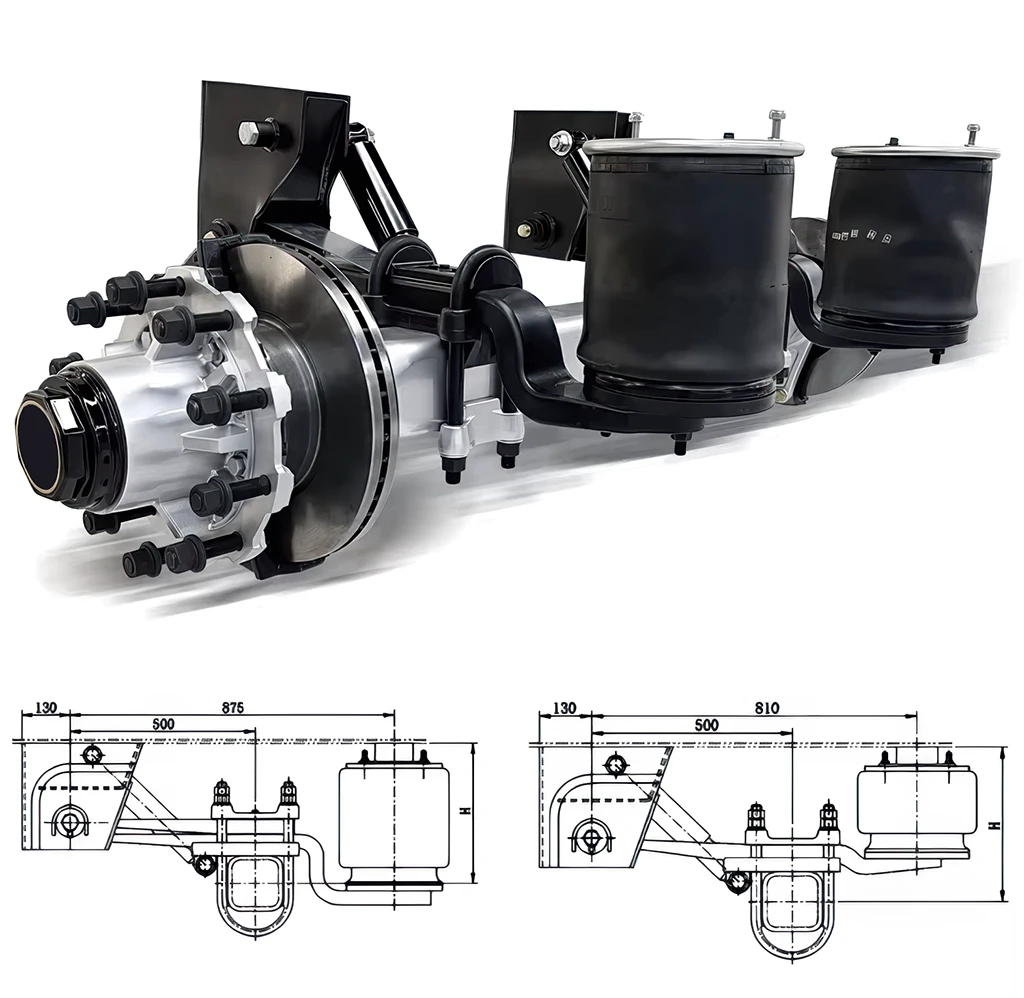
| Main structure | Q345 steel suspension frame with air bags and pneumatic control circuit |
| Configuration forms | Adjustable air suspension, reverse air suspension, and standard air suspension |
| Core benefit | Smoother ride, cargo protection, and adjustable chassis height |
| Weight logic | Approx. 1 ton lighter than comparable leaf spring setup in the original product positioning |
| Custom quotation | Contact KALES for a tailored quotation based on the required configuration, order quantity, and destination. |
| Option | Best-fit use case | Operational value |
|---|---|---|
| Adjustable air suspension | Mixed loading docks and varied load conditions | Dynamic height adjustment and better loading compatibility |
| Standard air suspension | Routine highway logistics | Stable ride quality and cargo protection with simpler configuration |
| Reverse air suspension | Specific chassis packaging or operator preference | Alternative layout for route and body integration needs |
This air suspension family is best suited to fleets that prioritize ride quality, cargo protection, and smoother long-distance transport rather than overload tolerance and field repair simplicity. It fits reefer operations, fuel and chemical tankers, packaged consumer goods, electronics, and other routes where vibration control matters and the fleet mostly runs on highway or improved regional roads.
The right way to evaluate a semi-trailer air suspension system is to start with the route and cargo profile. Buyers should confirm whether the trailer runs mainly on highway, whether cargo is vibration-sensitive, whether dock-height flexibility matters, and whether the operating region can support periodic air-system maintenance. Without that filter, fleets often compare air suspension and leaf spring as if they solve the same operating problem.
| Buyer situation | Best-fit Kales direction | Why |
|---|---|---|
| Highway reefer, tanker, or packaged-cargo trailer | German-style air suspension | Better ride quality, cargo protection, and ride-height control |
| Rough-road mining or overloaded construction trailer | Leaf spring suspension | Better abuse tolerance and simpler field-service logic |
| Buyer needs adjustable dock height and smoother loading operations | Adjustable air suspension | Height control improves loading alignment and operational flexibility |
| Buyer is also rebuilding the axle running gear package | Air suspension plus axle planning | Suspension and axle matching should be reviewed together, not as isolated parts |
The air bag and pneumatic circuit provide a softer, more controlled response than a conventional leaf spring pack, especially on paved highways and faster regional transport routes. That matters when the trailer carries cargo that loses value through repeated vibration, impact, or unstable deck movement.
Adjustable ride height helps the trailer align more closely with dock height and loading equipment. That improves forklift approach, trailer exchange, and general loading speed where the operation depends on controlled deck height rather than pure structural ruggedness.
Air suspension can improve ride quality and reduce shock transfer, but it also brings air bags, valves, lines, and pneumatic service needs that a leaf spring system does not have. Buyers should choose it when those operational benefits are worth the added system complexity, not because it sounds more premium in isolation.
KALES confirms the quotation after reviewing the required specification, quantity, destination, and delivery terms. Send the operating requirements for an accurate proposal.
Before asking for a quote, buyers should send trailer type, expected cargo type, operating road profile, required axle layout, and whether adjustable ride height is necessary. Kales can then recommend whether this air suspension family is the right fit or whether a mechanical leaf spring system would be more practical.
Share your target market, usage scenario, and preferred configuration.
Receive our model recommendation, specification review, and factory quotation.
Confirm production, inspection, shipment route, and export documents.
Stay supported after delivery with spare parts and remote assistance.
At Kales Vehicle, we keep freight planning practical so your trailer or truck reaches the destination with the right balance of protection, speed, and cost.
Container Shipping, Ro-Ro (Roll-on/Roll-off), and Bulk Cargo each serve different export needs, and we choose the safest route, loading method, and packing approach for the order.
Container loading of Kales semi trailer for export, ensuring secure fastening and space optimization.
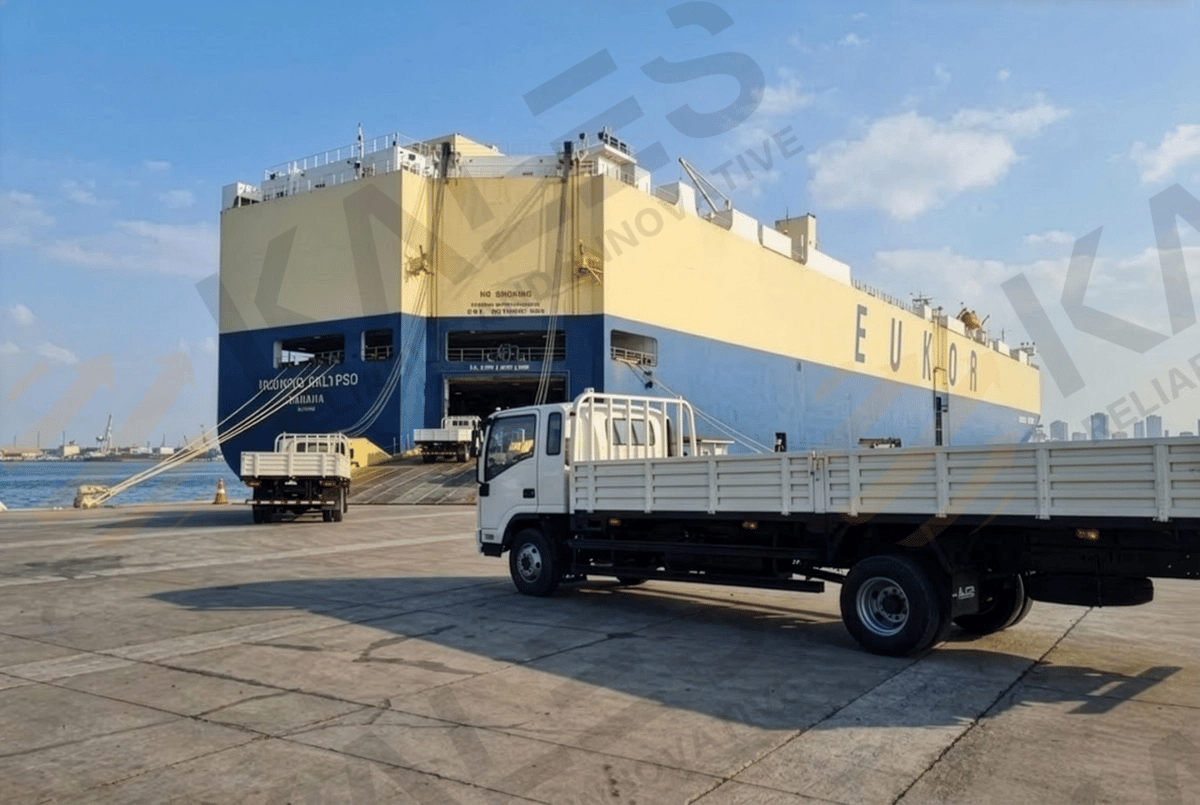
Ro-Ro shipping method for Kales commercial trailers, driving directly onto the vessel for maximum safety.
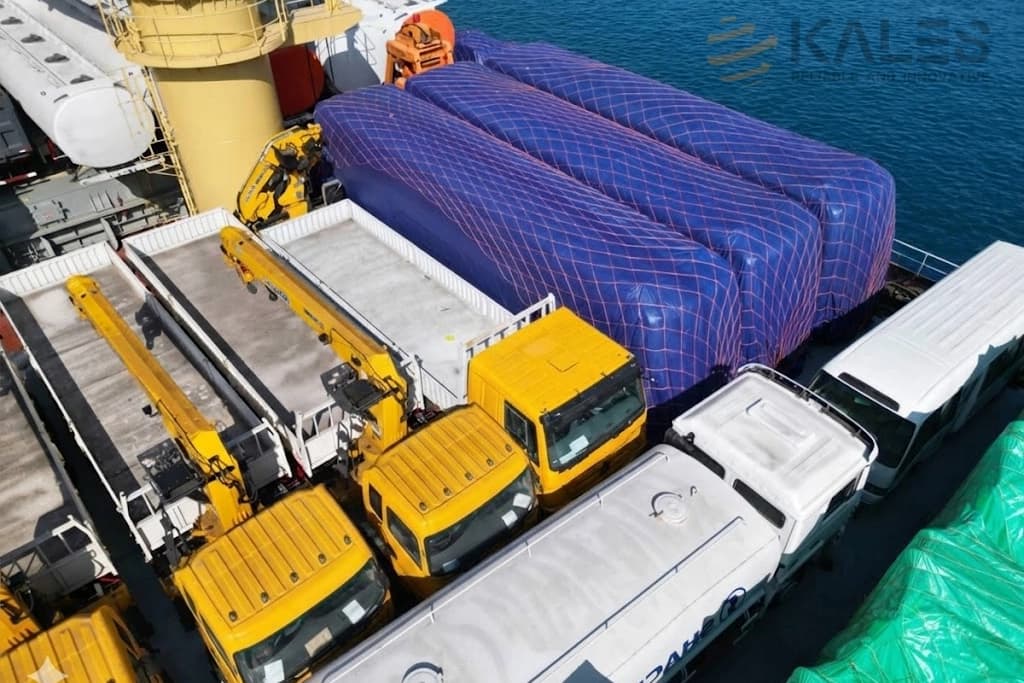
Bulk cargo transport of stacked Kales semi trailers with wax spraying protection against seawater corrosion.
If you need a German-style air suspension system for a semi-trailer, send your trailer type, route profile, cargo type, and whether adjustable ride height is required. Kales can then confirm whether this air suspension family or a leaf spring alternative is the better fit for your fleet.
Factory engineering notes, maintenance protocols, and buyer checklists related to this equipment.
Mobilizing oversized industrial machinery—including hydraulic excavators, crawler bulldozers, rotary drilling rigs, crus…
In African open-pit mining, quarrying, and bulk mineral haulage—from the gold corridors of Geita and Kahama in Tanzania…
Nigeria represents the largest commercial vehicle market in Sub-Saharan Africa, serving as the industrial and trade loco…
German-Style Air Suspension System for Semi-Trailers
Factory Direct · Free Quote