Container Shipping
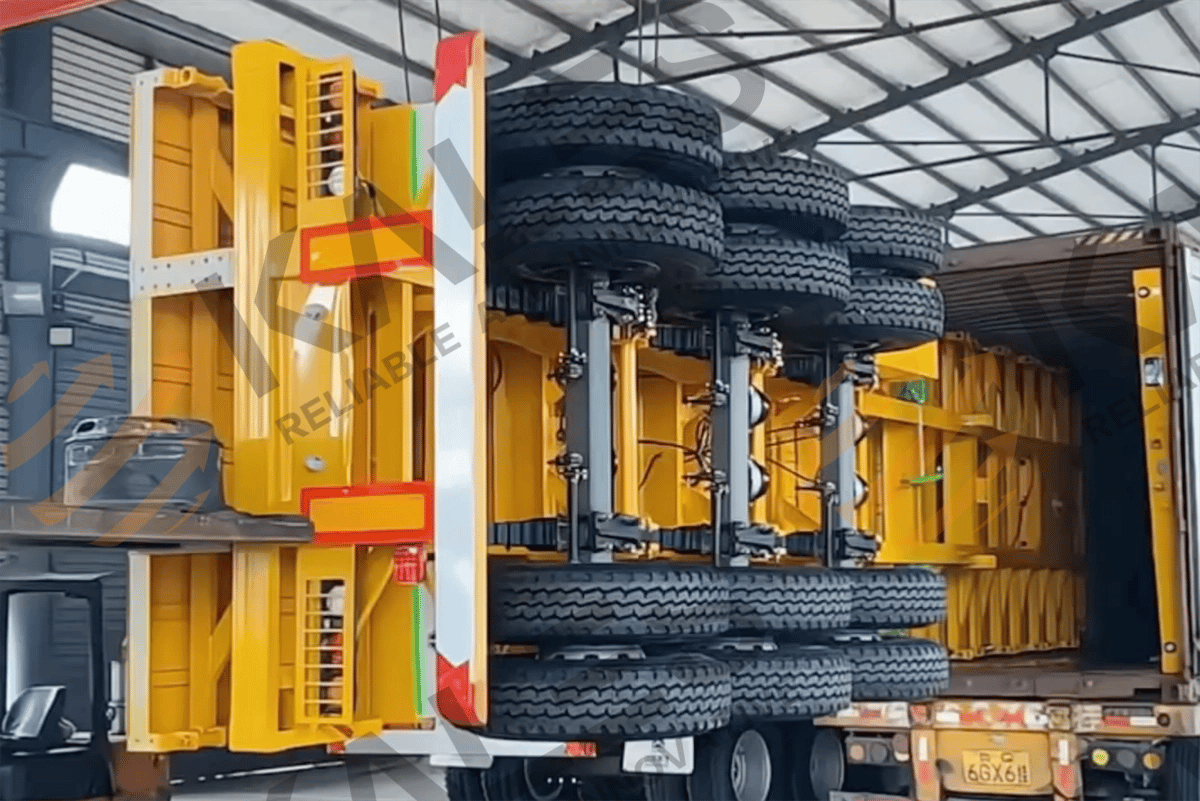
Container loading of Kales semi trailer for export, ensuring secure fastening and space optimization.



Trailer Type
Semi trailer
Axles
3 axles
Payload
60
Road Matching
leaf spring
Quick answer: Choose this 80 ton dropside semi trailer when your fleet needs a heavier-duty 3 axle sidewall platform for dense cargo and mixed route work, but still wants removable side walls and 12 twist locks for container backhaul. It is the better fit than a lighter 60 ton sidewall trailer when payload intensity is higher. It is not the right choice when your operation is mostly container-only, mostly fence-style agricultural cargo, or specialized machinery hauling.
✓ Direct technical consultation from factory engineers · Zero trader markup
Factory Direct Export
Zero trader markup
Heavy-Duty Certified
ISO9001 / CCC / CIQ
Global Sea Freight
Container / Ro-Ro / Bulk
Custom Engineering
Tailored configurations
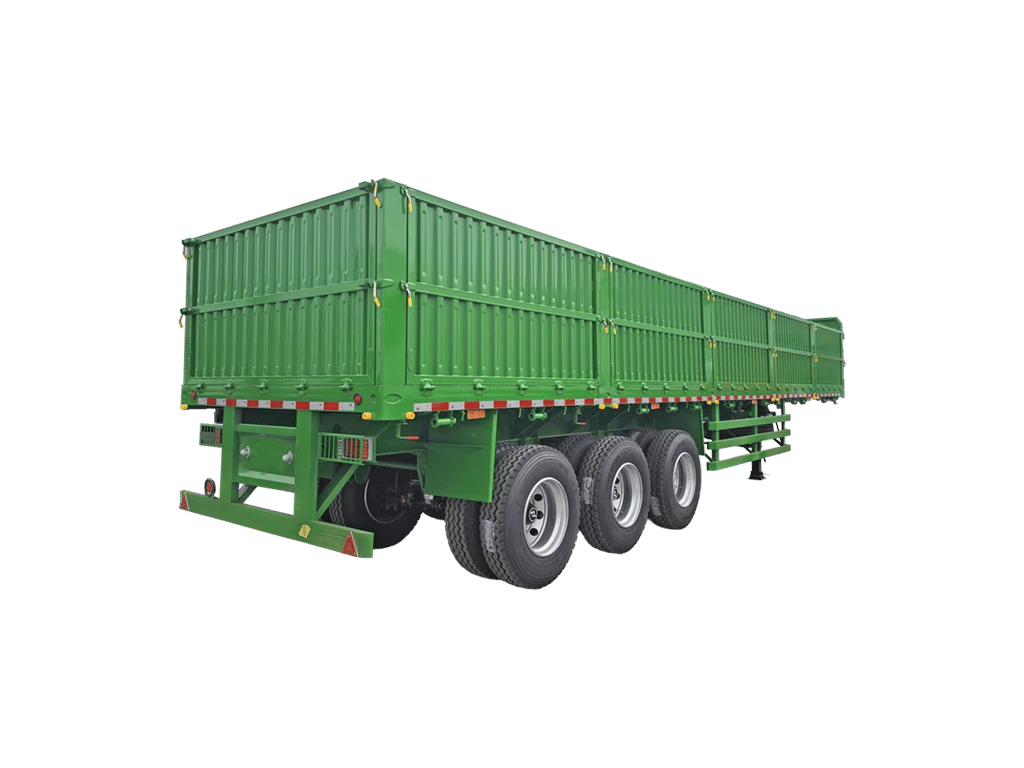
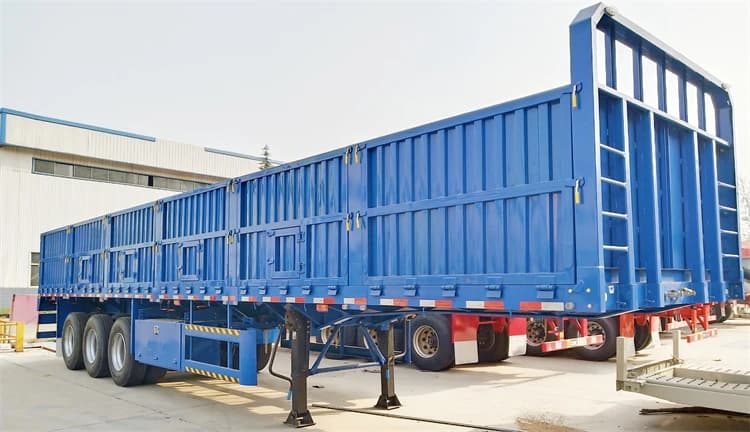
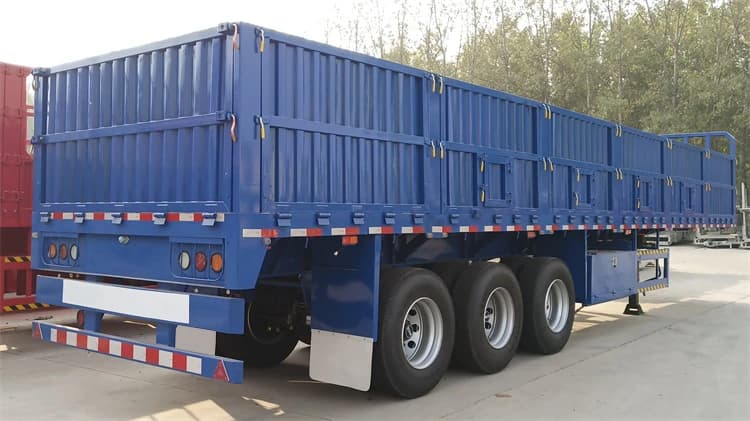
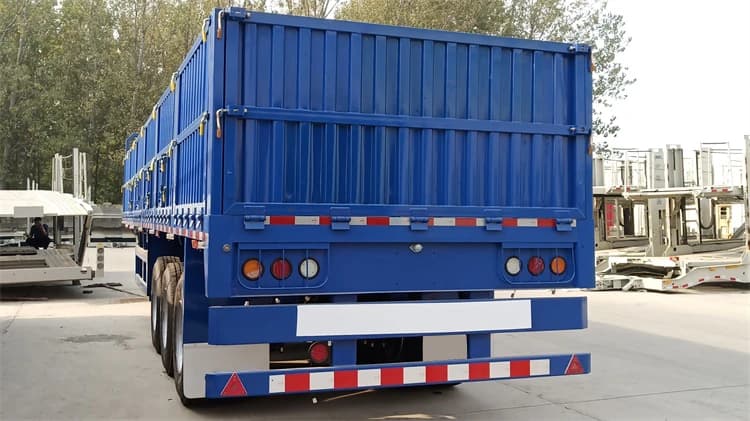
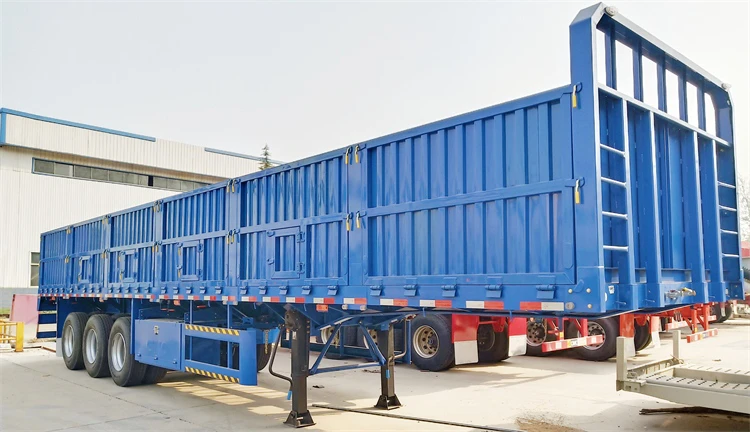
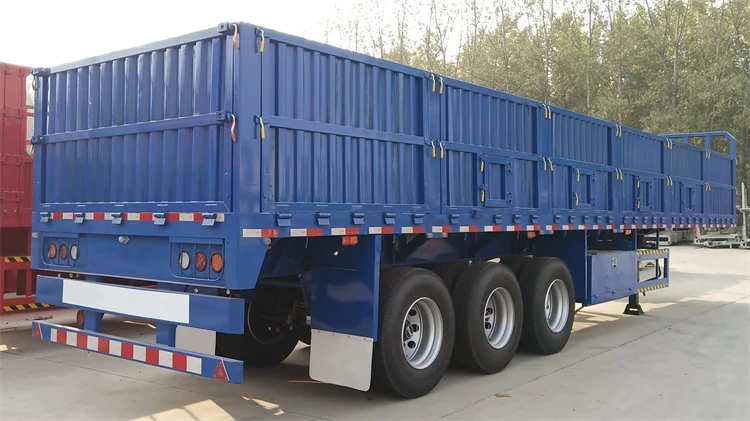
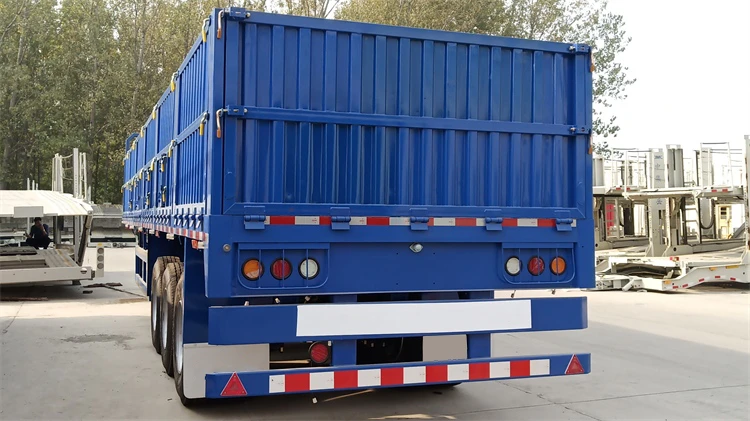
80 ton dropside semi trailer: this Kales 3 axle sidewall trailer is the heavier-payload choice for buyers carrying dense bulk cargo, bagged materials, palletized building products, steel, and mixed freight that still benefits from removable side boards and container backhaul flexibility. It is built around a T700 high-strength main beam, reinforced side structure, and serviceable mechanical running gear for practical export fleet use.
Engineering guidance from the Kales Vehicle product team for buyers comparing heavier-payload dropside trailers against lighter 60 ton sidewall, fence, and flatbed configurations.
| Product type | 3 axle 60-80 ton dropside semi trailer / sidewall trailer |
|---|---|
| Payload class | 60 to 80 tons depending on axle selection, route regulation, tractor match, and final cargo density |
| Overall dimensions | 12,500 mm x 2,500 mm x 1,550 mm, customizable for local route and cargo requirements |
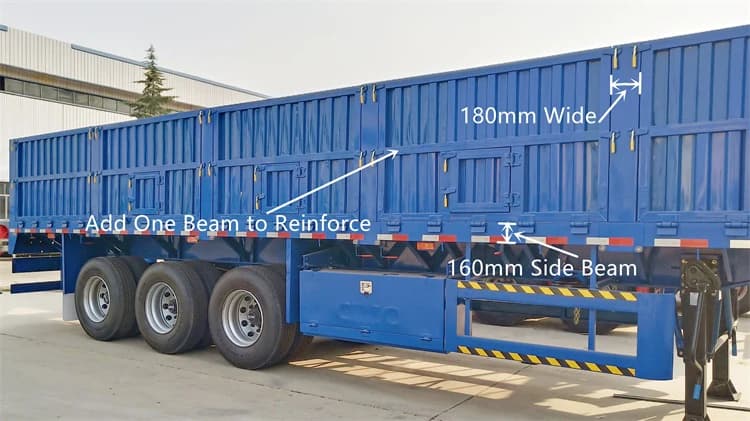
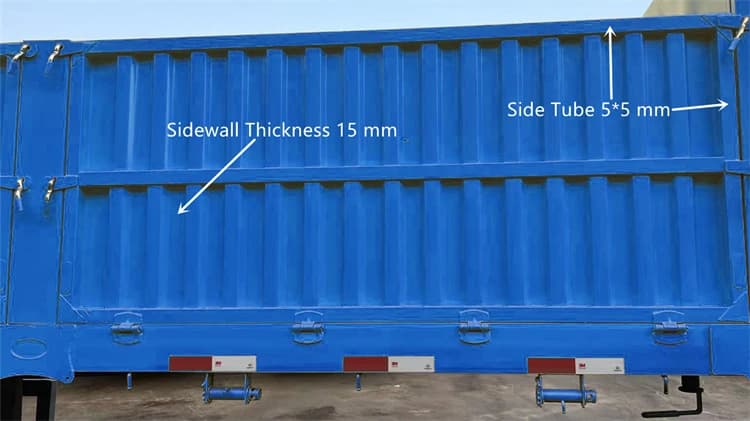
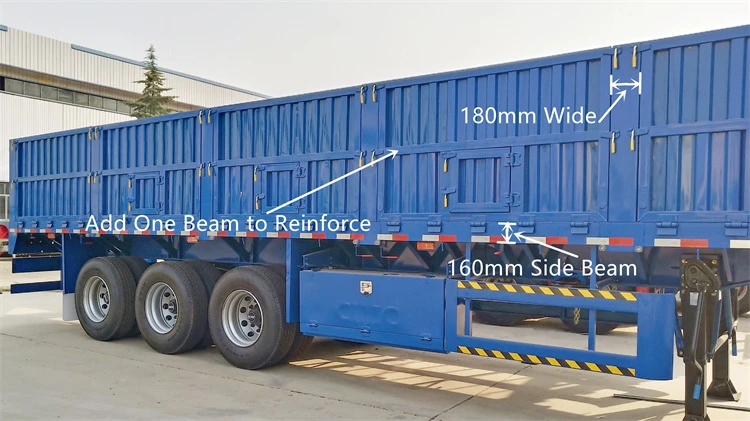
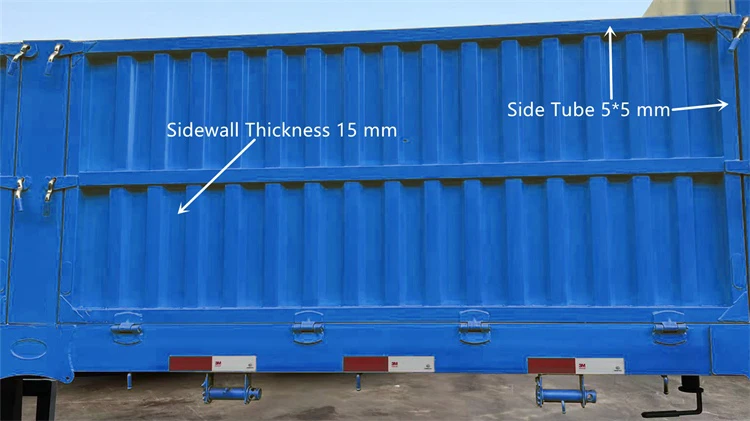
| Side wall height | 600 mm, 800 mm, 1000 mm, or 1200 mm; grain-door options available |
| Main beam material | T700 high-strength steel main beam for heavier payload support |
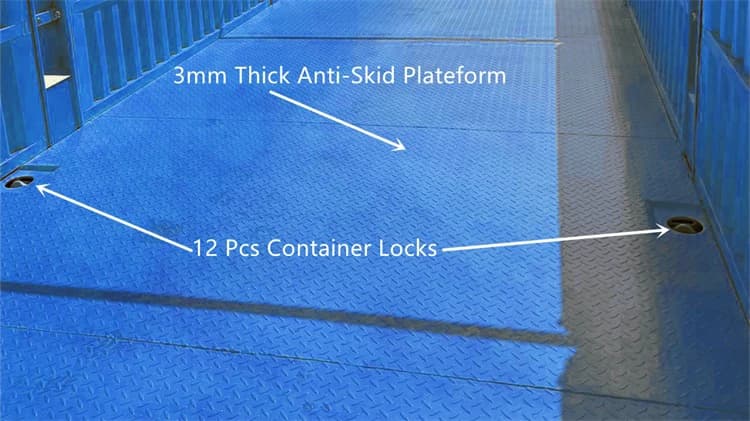
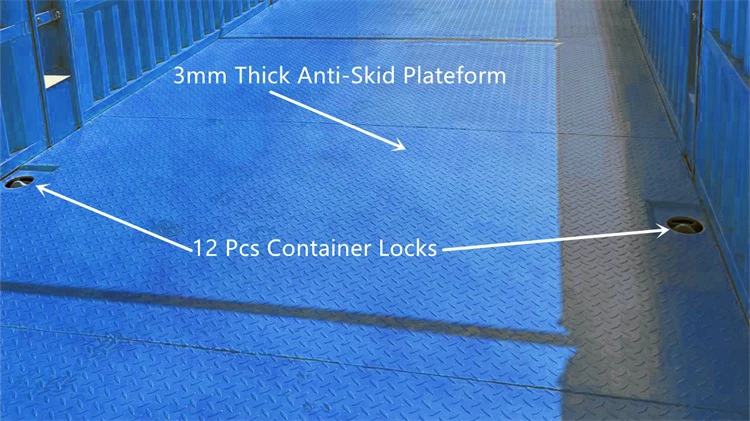
| Platform floor | 3 mm reinforced checkered anti-skid plate |
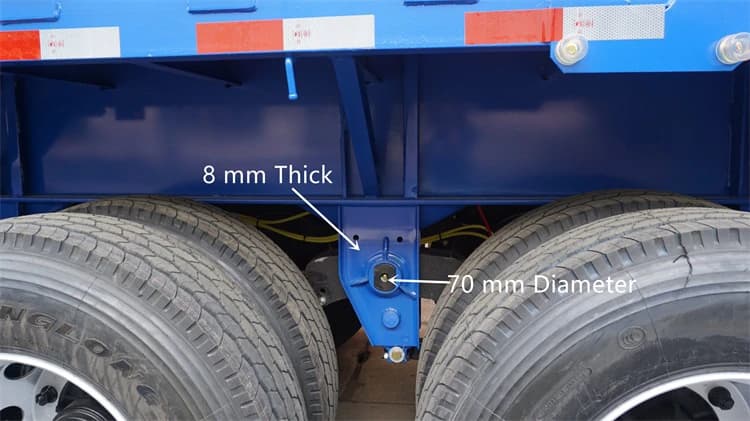
| Axles | 3 axles in 13T or 16T matching; FUWA, BPW, or KALES options |
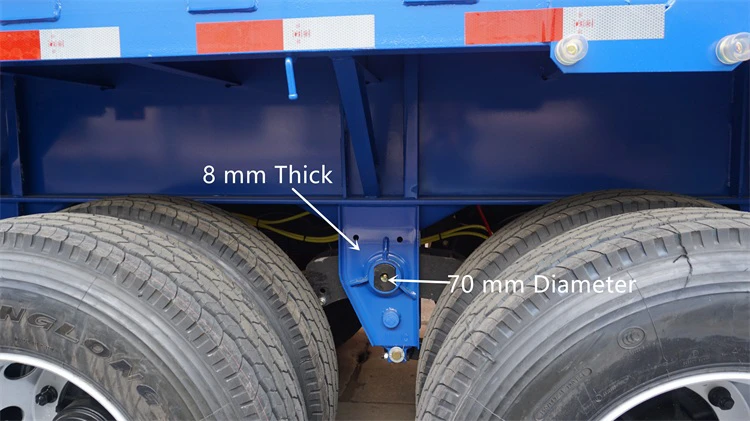
| Suspension | Heavy-duty mechanical suspension with 10-leaf spring layout |
| Tires | 12.00R22.5 or 315/80R22.5, 12 units as standard matching |
| Container locks | 12 twist locks for 1 x 40ft or 2 x 20ft ISO containers |
| King pin | JOST 2.0 inch or 3.5 inch bolted type |
| Landing gear | JOST 28T two-speed manual landing gear |
This heavy payload dropside trailer is built for fleets that do not want to dedicate one chassis to only one cargo type. It works well when the same trailer may haul bagged cement one week, bulk grain with higher side panels the next, then return with palletized building materials or a 40ft container. That versatility matters most to buyers running cross-border, port-to-inland, and construction supply routes where empty-return risk is high.
This page should not compete with every other open-deck trailer in the catalog. The product angle is specific: a reinforced 3 axle dropside semi trailer for buyers who need more payload support than the standard 60 ton sidewall class, but still want removable side boards and container versatility. That keeps the keyword position clear and helps buyers avoid paying for the wrong structure.
| Route and cargo profile | Best-fit Kales option | Why |
|---|---|---|
| Dense bagged cargo, grain, steel, and heavier mixed freight | This 60-80 ton dropside semi trailer | Higher payload class with removable side walls and container-capable deck |
| Mainstream regional general freight with lower daily payload pressure | 60 ton 3 axle sidewall trailer | Lighter cost structure for buyers who do not need the heavier 80 ton positioning |
| Farm cargo, bagged goods, and loads needing more open side restraint | 60 ton fence trailer | Fence architecture fits agricultural and bagged cargo handling better than full side boards |
| Container-first and open platform cargo without side board need | 40ft flatbed trailer | Simpler deck structure when removable side walls are not part of the operating logic |
| Feature | Basic market trailer | Kales heavy-duty standard |
|---|---|---|
| Main beam steel | Q345 carbon steel in a lighter beam section | T700 high-strength steel for better resistance to sagging under dense loads |
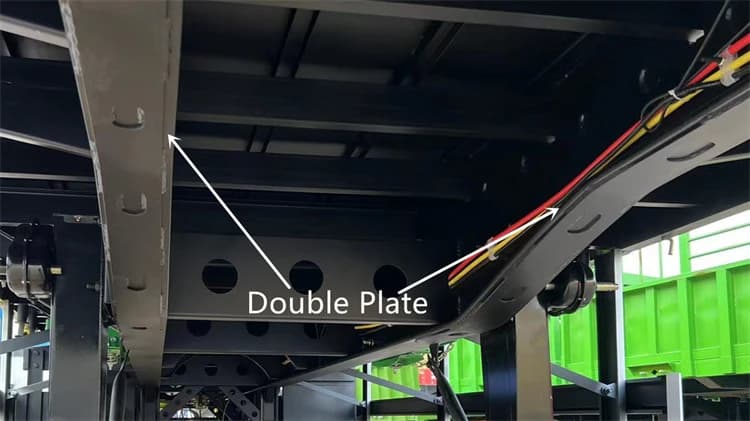
| Gooseneck and front structure | Standard single-layer construction | Reinforced front structure with stronger load transition into the main beam |
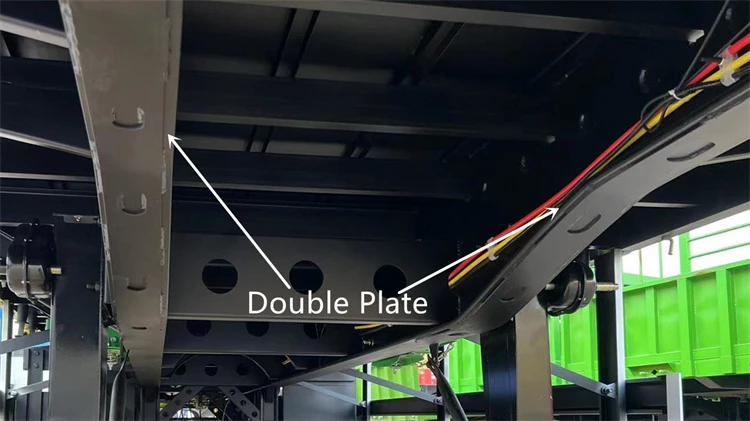
| Side structure and deck details | Lighter posts, fewer reinforcements, lower long-term abuse tolerance | Reinforced side posts, stronger edge beam, grain-door options, and container lock integration |
| Suspension and durability | Lighter spring packs and lower fatigue margin on rough roads | Heavy-duty 10-leaf mechanical suspension for practical mixed-route service |
The strongest argument for this product is not a decorative spec sheet line; it is the fact that denser cargo punishes weak chassis faster than buyers expect. Bagged cement, fertilizer, and steel do not behave like light consumer cargo. The T700 main beam, reinforced edge beam, and stronger side posts help the trailer stay straighter over time, especially when loading practices in the field are imperfect.
Many buyers do not need a trailer that only does one job well. They need a trailer that can switch revenue modes. The removable side walls allow the operator to load bulk or bagged cargo on the outbound leg, then use the 12 twist locks for a 40ft or 2 x 20ft container backhaul on return routes. That is often a more important profit lever than chasing the lowest purchase quote.
This page stays with heavy-duty mechanical suspension because many export fleets still prioritize repairability and parts access over premium air-suspension comfort. On rough corridors and overloaded yard conditions, a straightforward spring suspension with known axle brands is usually the better operating decision for this trailer type.
Buyers usually search this configuration when they want an 80 ton dropside semi trailer or a heavy payload sidewall trailer without moving into a more specialized chassis type. The procurement mistake is to compare it only against the lightest quote in the market. The better comparison is whether the trailer gives enough structural margin and enough cargo flexibility to keep working across multiple freight profiles.
Kales can match side wall height, grain-door details, axle class, tire configuration, and brand selection to the actual route. For sea freight control, stacking shipment or related export packing options can also be discussed before production. That usually matters more to delivered value than forcing every buyer into one fixed generic configuration.
Share your target market, usage scenario, and preferred configuration.
Receive our model recommendation, specification review, and factory quotation.
Confirm production, inspection, shipment route, and export documents.
Stay supported after delivery with spare parts and remote assistance.
At Kales Vehicle, we keep freight planning practical so your trailer or truck reaches the destination with the right balance of protection, speed, and cost.
Container Shipping, Ro-Ro (Roll-on/Roll-off), and Bulk Cargo each serve different export needs, and we choose the safest route, loading method, and packing approach for the order.
Container loading of Kales semi trailer for export, ensuring secure fastening and space optimization.
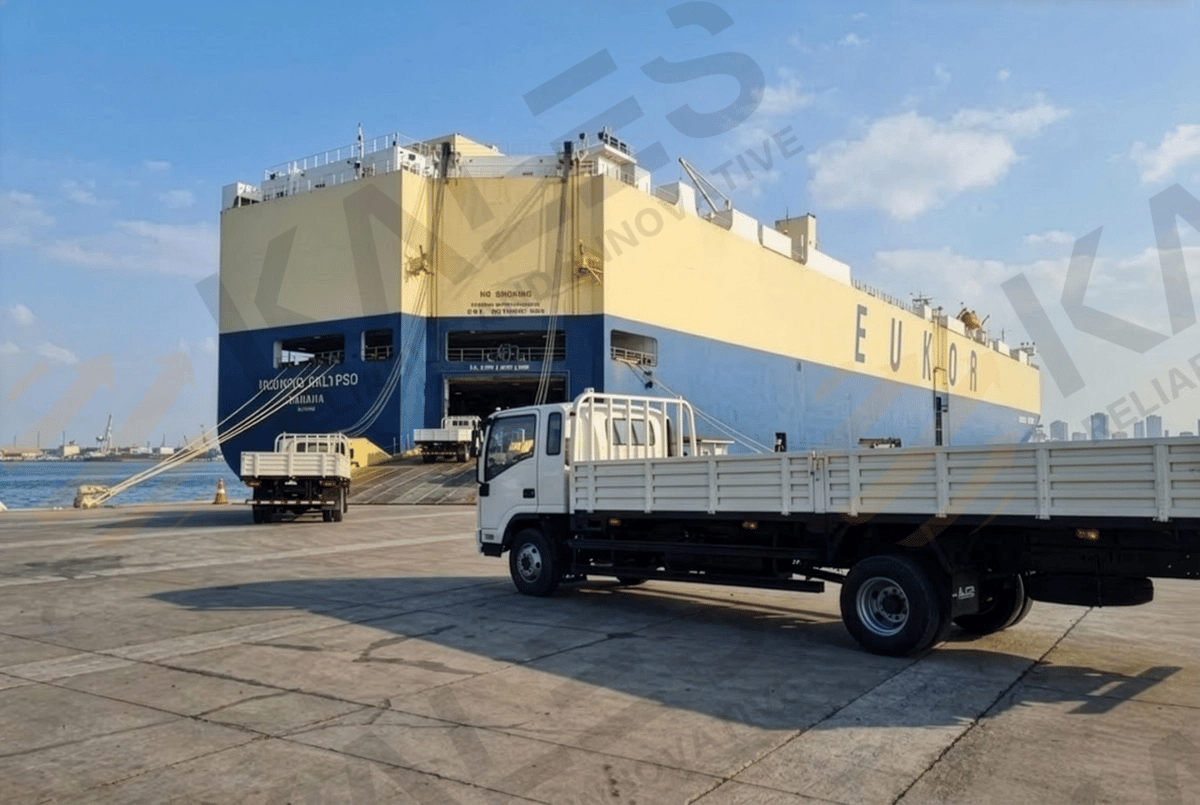
Ro-Ro shipping method for Kales commercial trailers, driving directly onto the vessel for maximum safety.
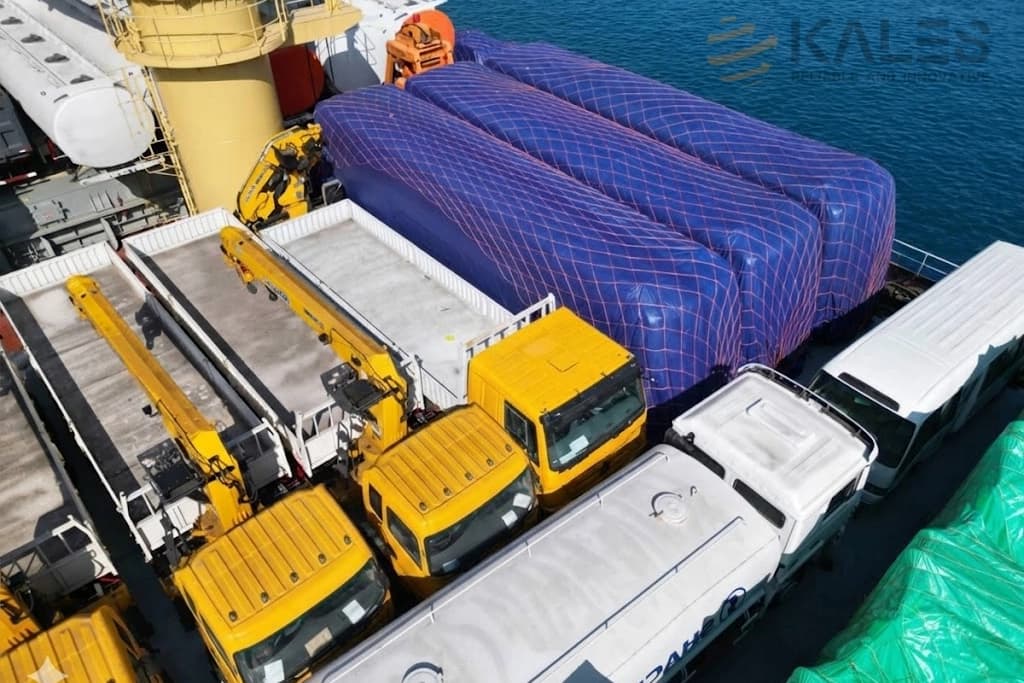
Bulk cargo transport of stacked Kales semi trailers with wax spraying protection against seawater corrosion.
If you are comparing a heavier-payload dropside or sidewall trailer for bulk cargo, bagged materials, or container backhaul, send your target payload, side wall height preference, main cargo mix, and destination country. Kales can then recommend whether this 60-80 ton configuration is the right fit or whether a lighter sidewall, fence, or flatbed layout matches the route better.
Factory engineering notes, maintenance protocols, and buyer checklists related to this equipment.
Mobilizing oversized industrial machinery—including hydraulic excavators, crawler bulldozers, rotary drilling rigs, crus…
In African open-pit mining, quarrying, and bulk mineral haulage—from the gold corridors of Geita and Kahama in Tanzania…
Nigeria represents the largest commercial vehicle market in Sub-Saharan Africa, serving as the industrial and trade loco…
Kales 3 Axle Dropside Semi Trailer (60-80 Ton)
Factory Direct · Free Quote