Container Shipping
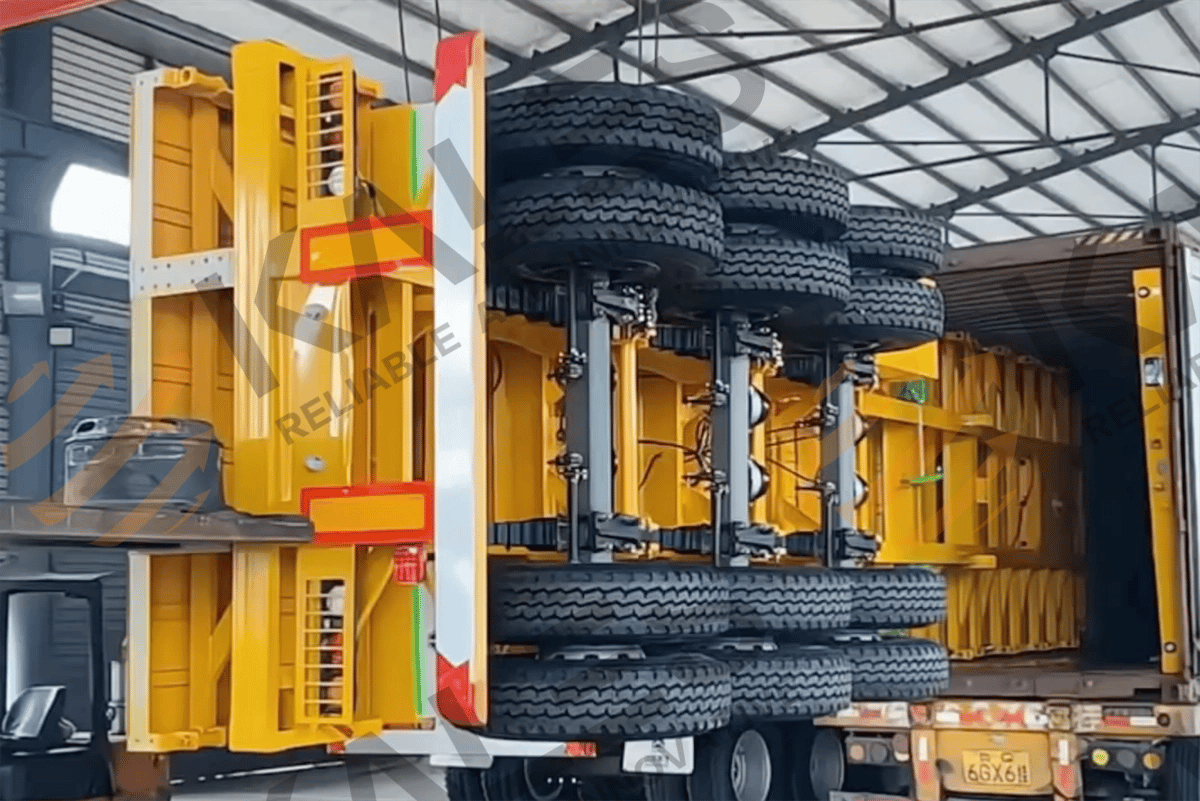
Container loading of Kales semi trailer for export, ensuring secure fastening and space optimization.



Trailer Type
Semi trailer
Axles
3 axles
Payload
60000
Road Matching
air suspension
Quick answer: Choose this 60 ton fence semi trailer when your cargo benefits from open side restraint, airflow, and easier manual or forklift loading, especially for agricultural produce, bagged materials, and mixed regional freight. It is the better option than a full sidewall trailer when cargo handling flexibility matters more than full wall containment. It is not the right fit for very dense bulk cargo, heavy pallet programs that need closed side boards, or machinery transport.
✓ Direct technical consultation from factory engineers · Zero trader markup
Factory Direct Export
Zero trader markup
Heavy-Duty Certified
ISO9001 / CCC / CIQ
Global Sea Freight
Container / Ro-Ro / Bulk
Custom Engineering
Tailored configurations
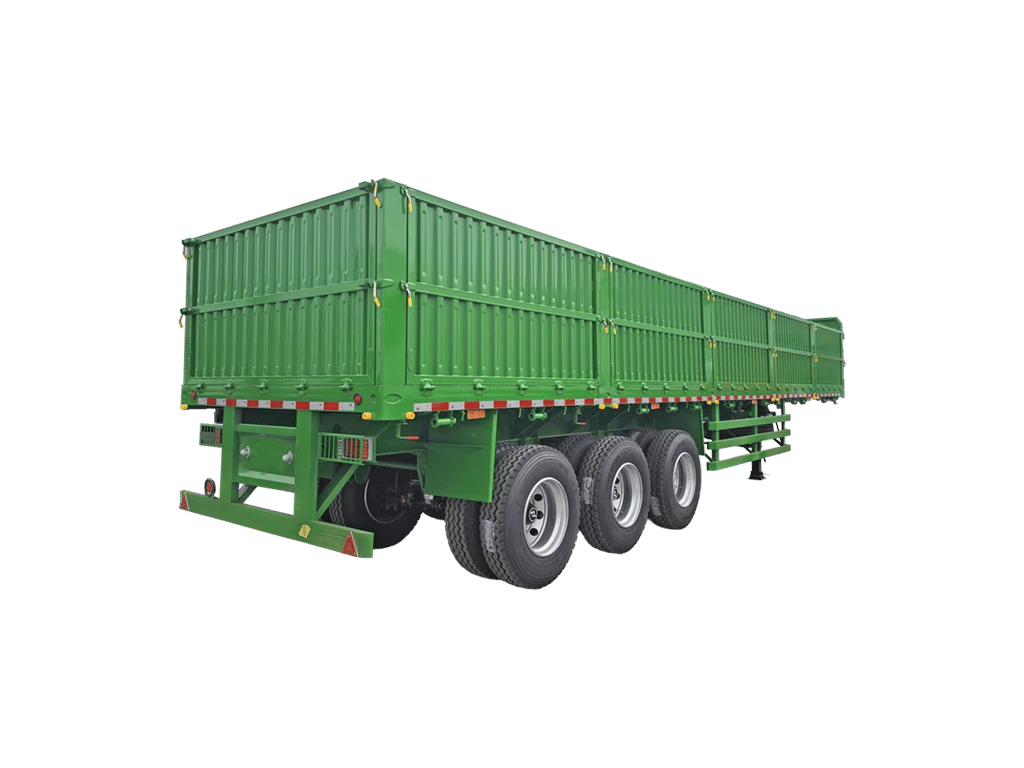
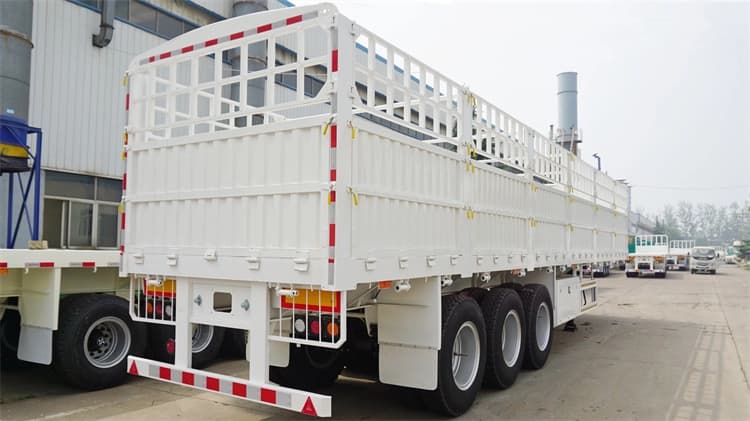
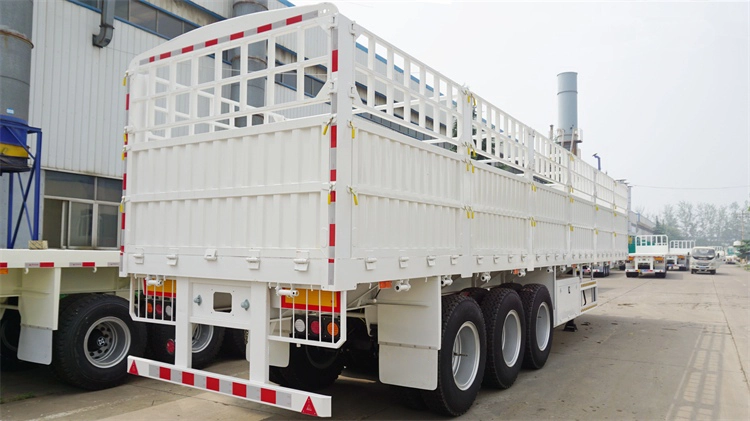
60 ton fence semi trailer: this Kales 3 axle stake trailer is designed for buyers who need more airflow, easier side access, and more flexible restraint than a full dropside wall can provide. It is a practical fit for agricultural produce, bagged goods, palletized mixed freight, and selected livestock or farm logistics routes where an open fence structure improves loading speed and cargo handling.
Engineering guidance from the Kales Vehicle product team for fleets comparing fence trailers with sidewall and flatbed alternatives.
| Product type | 3 axle 60 ton fence semi trailer / stake trailer |
|---|---|
| Payload capacity | 60,000 kg nominal payload class depending on local route regulation, tractor match, and actual cargo density |
| External dimensions | 13,000 mm x 2,600 mm x 3,420 mm with 1.8 m fence height as the reference build |
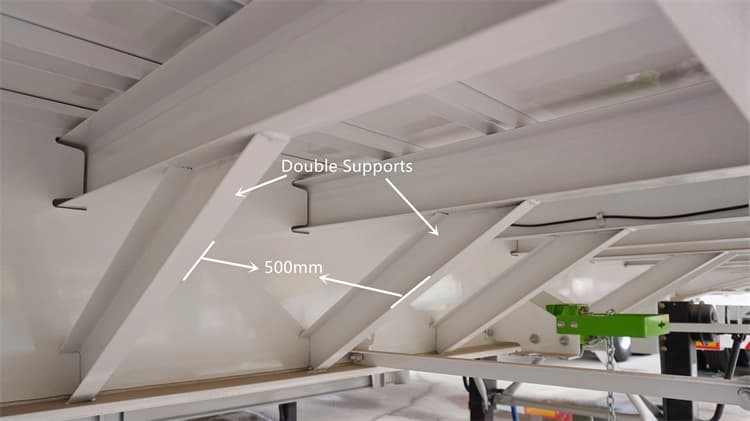
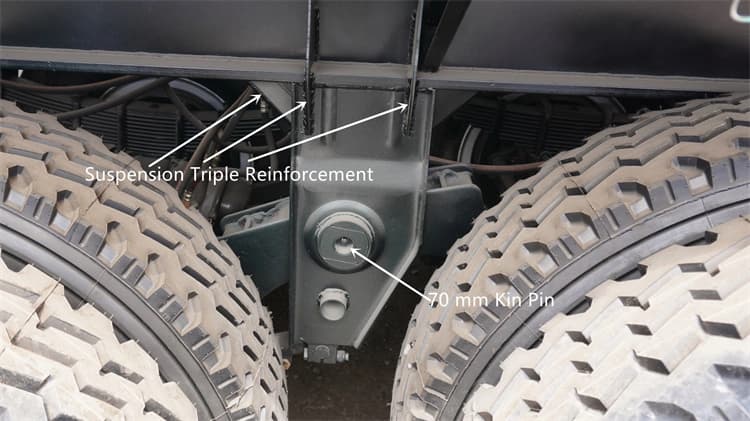
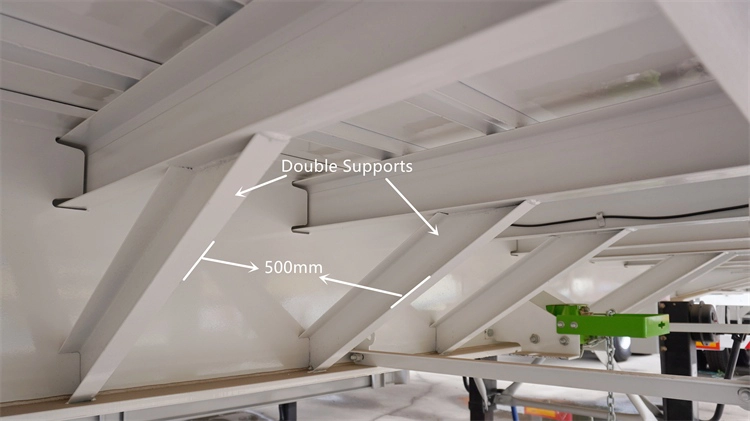
| Main beam | T700 high-strength steel main beam, 500 mm beam height |
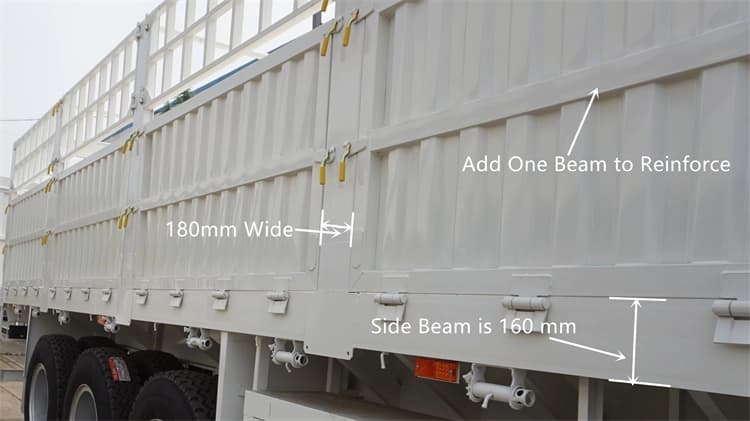
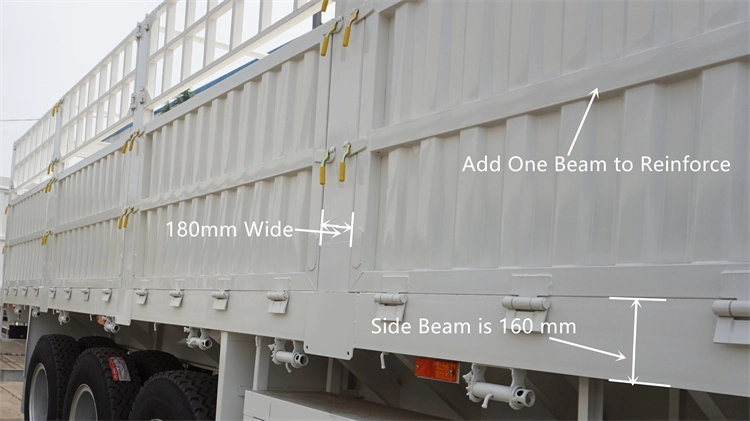
| Side structure | Q355 high-strength side walls and stakes; higher-strength anti-bulging options available |
| Axles | 3 axles in 13T or 16T configuration; BPW, SAF, FUWA, or KALES |
| Tires | 12 units, 12.00R22.5 or 315/80R22.5 tubeless radial |
| Suspension | Mechanical suspension standard, air suspension optional |
| Brake system | WABCO braking system with ABS standard and EBS optional |
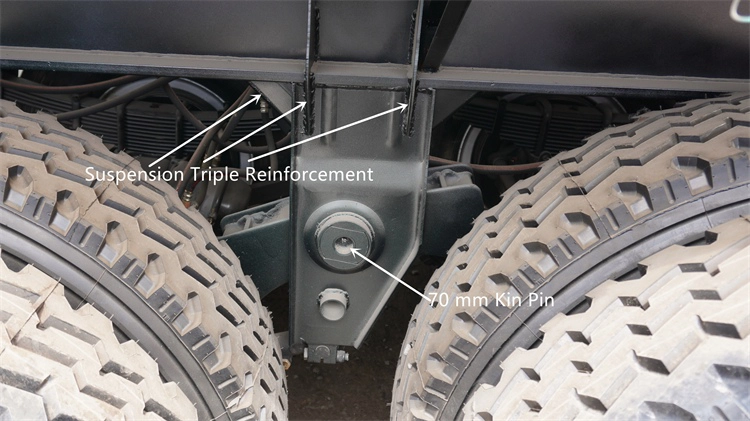
| King pin | JOST 2.0 inch or 3.5 inch bolt-in type |
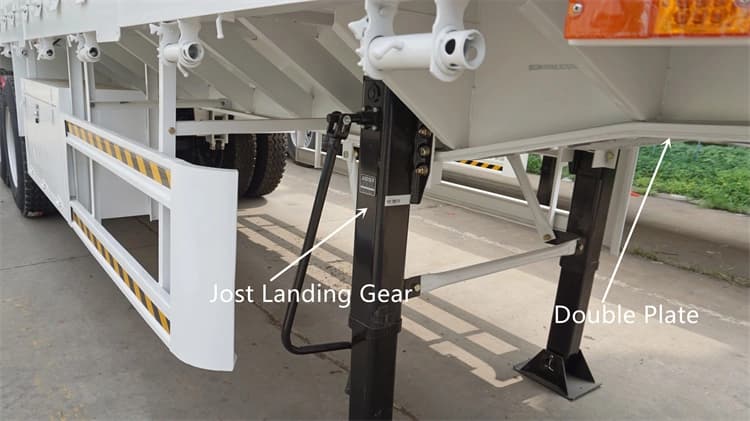
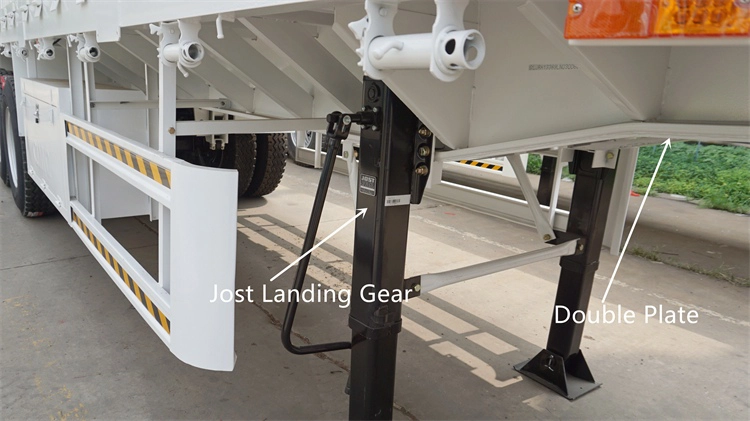
| Landing gear | JOST D200T 28 ton lifting capacity |
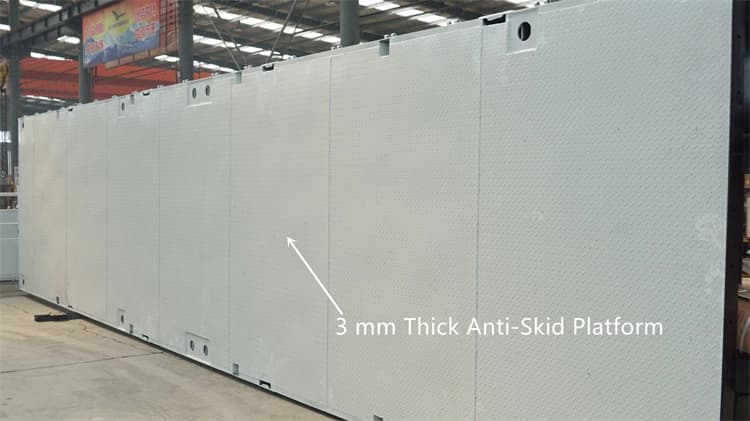
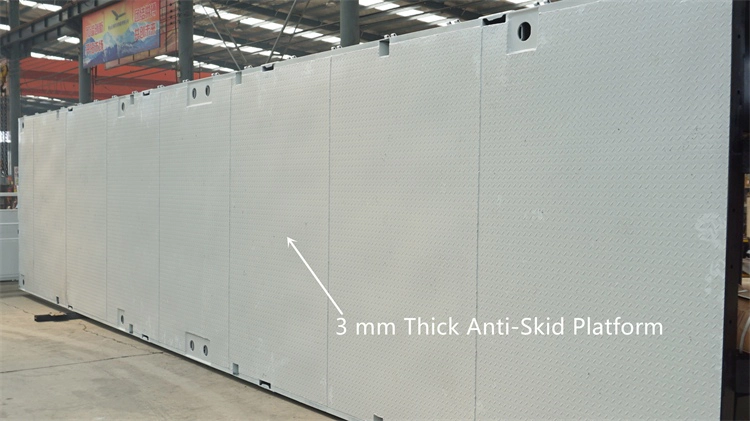
| Platform floor | 3 mm anti-slip checkered steel plate |
This fence trailer works best for fleets that need an open but still controlled cargo platform. It is especially suitable for farm supply routes, produce distribution, bagged goods, regional mixed freight, and operations where loaders want more side access than a closed sidewall trailer gives them. In many markets it also serves livestock routes, but that use case should always be matched against local welfare and transport regulations before order confirmation.
This page should own the open-fence cargo intent. It sits beside, not on top of, the sidewall and dropside pages. Buyers should choose this page when airflow, open side restraint, and flexible loading matter more than closed wall containment. That distinction is what prevents this trailer from cannibalizing the sidewall pages.
| Cargo and route logic | Best-fit Kales option | Why |
|---|---|---|
| Produce, bagged cargo, and open-side mixed freight | This 60 ton fence semi trailer | Fence structure improves airflow and loading flexibility |
| Mainstream sidewall cargo with more need for closed side containment | 60 ton 3 axle sidewall trailer | Full side boards control dense freight better than open fence stakes |
| Heavier mixed freight and denser payload demand | 80 ton dropside semi trailer | Higher payload class and stronger side board structure |
| Container-first or open platform cargo without side restraint needs | 40ft flatbed trailer | Simpler deck structure when fence layout adds no operating value |
| Feature | Basic market fence trailer | Kales heavy-duty standard |
|---|---|---|
| Main beam steel | Standard carbon steel beam with less fatigue margin | T700 high-strength main beam for better durability under mixed freight loading |
| Fence stakes and side walls | Lighter Q235-type side structure | Q355 side walls and stakes for better resistance to impact and deformation |
| Brake and axle ecosystem | Generic component mix with weaker parts availability | WABCO braking with BPW, SAF, FUWA, or KALES axle options matched to destination support |
| Suspension strategy | One fixed light-duty setup | Mechanical suspension standard, air suspension optional for more fragile cargo routes |
The core value of a fence trailer is not just that it looks more open. The layout changes how the fleet works. More side access helps with manual handling, easier forklift approach, agricultural loading, and cargo that needs tie-down flexibility without the obstruction of full-height steel walls. That is why this page should stay focused on produce, bagged goods, and mixed open-side freight rather than trying to imitate a full dropside trailer.
Fence trailers often get treated as simple rural cargo tools, but the structure still matters. If the main beam is too light or the stakes deform early, the trailer becomes harder to load safely and faster to depreciate. The T700 chassis and Q355 side structure are therefore central to the product, not decorative upgrades. They are what allow the trailer to survive repeated loading abuse and rough regional roads with less structural drift.
Mechanical suspension remains the default choice for buyers running tougher roads, heavier bagged cargo, and workshop-led maintenance. Air suspension becomes relevant only when the route is better paved and the cargo is more sensitive to vibration, such as fruit, packaged goods, or other fragile loads where ride behavior matters more.
Buyers usually search terms such as 60 ton fence semi trailer, 3 axle stake trailer, or farm cargo fence trailer. The real buying question is whether the trailer will improve cargo handling and keep enough structural margin for repeated mixed-freight work. If the route mainly carries produce and bagged cargo, the open fence structure often delivers more daily operating value than a sidewall trailer that looks stronger on paper but slows loading and unloading.
Kales can customize fence height, axle brand, suspension type, and paint scheme before production. For export shipping, stacking or other packing methods can also be discussed to control freight cost. That flexibility matters because fence trailer demand is usually driven by route-specific handling needs rather than one universal cargo pattern.
Share your target market, usage scenario, and preferred configuration.
Receive our model recommendation, specification review, and factory quotation.
Confirm production, inspection, shipment route, and export documents.
Stay supported after delivery with spare parts and remote assistance.
At Kales Vehicle, we keep freight planning practical so your trailer or truck reaches the destination with the right balance of protection, speed, and cost.
Container Shipping, Ro-Ro (Roll-on/Roll-off), and Bulk Cargo each serve different export needs, and we choose the safest route, loading method, and packing approach for the order.
Container loading of Kales semi trailer for export, ensuring secure fastening and space optimization.
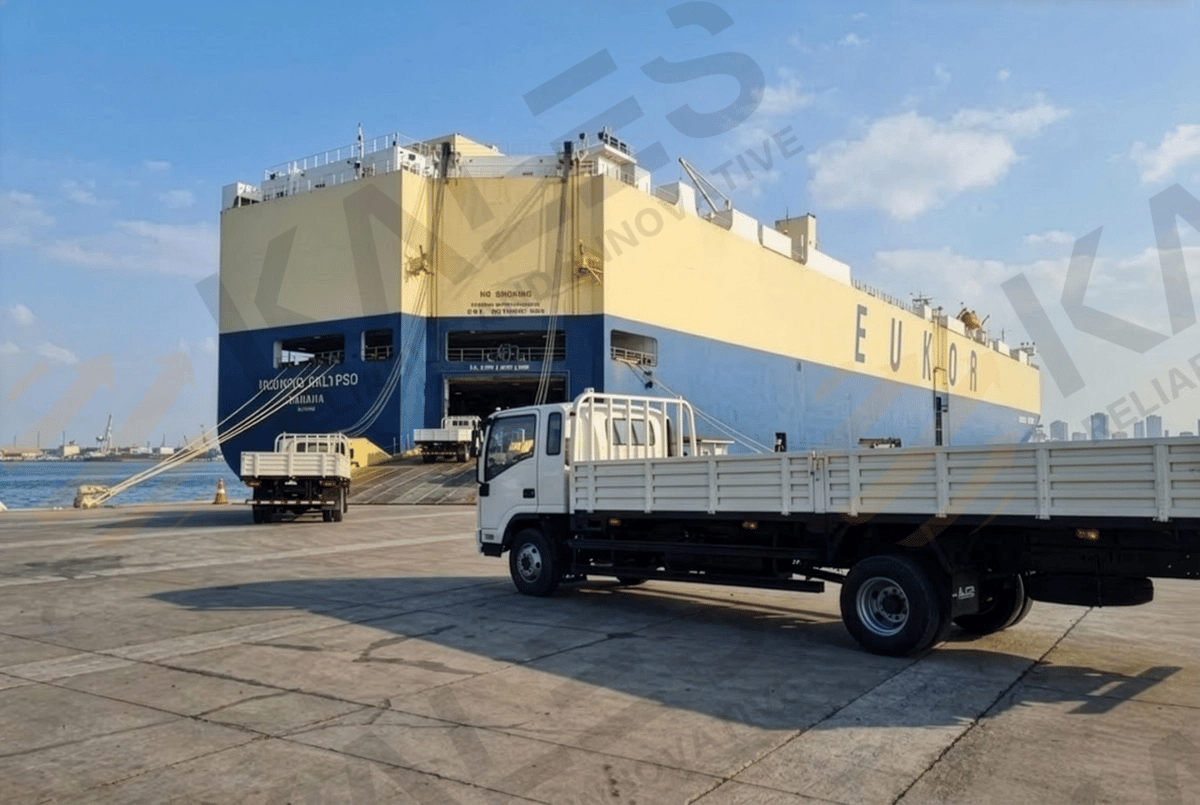
Ro-Ro shipping method for Kales commercial trailers, driving directly onto the vessel for maximum safety.
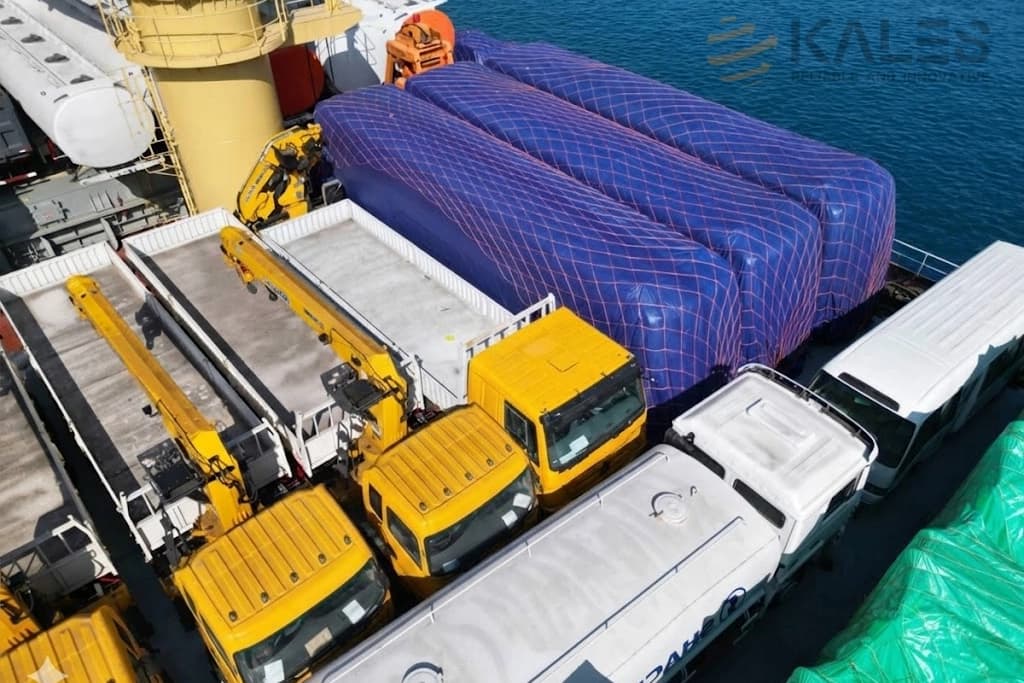
Bulk cargo transport of stacked Kales semi trailers with wax spraying protection against seawater corrosion.
If you are comparing a 60 ton fence semi trailer for produce, bagged cargo, or mixed farm freight, send your main cargo types, target fence height, route country, and axle brand preference. Kales can then confirm whether this open fence layout or a sidewall trailer will perform better for the actual job.
Factory engineering notes, maintenance protocols, and buyer checklists related to this equipment.
Mobilizing oversized industrial machinery—including hydraulic excavators, crawler bulldozers, rotary drilling rigs, crus…
In African open-pit mining, quarrying, and bulk mineral haulage—from the gold corridors of Geita and Kahama in Tanzania…
Nigeria represents the largest commercial vehicle market in Sub-Saharan Africa, serving as the industrial and trade loco…
Kales 3 Axle Fence Semi Trailer (60 Ton)
Factory Direct · Free Quote