Container Shipping
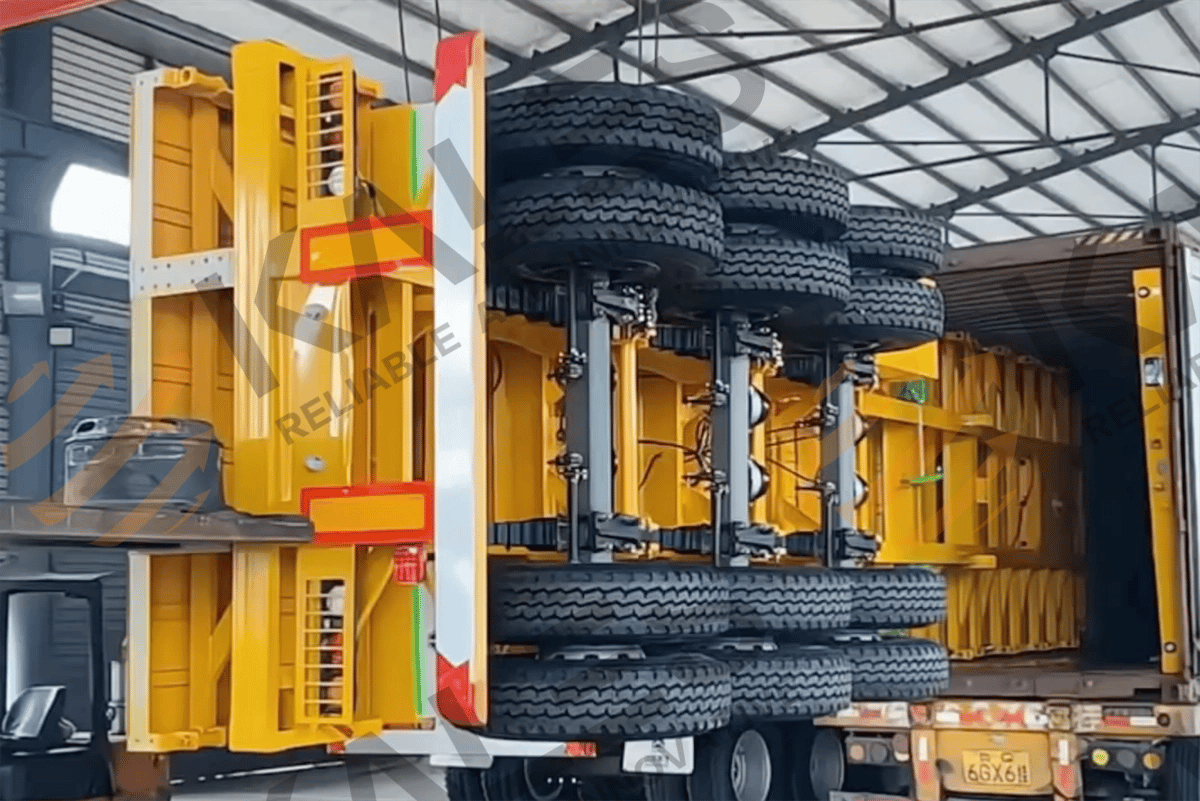
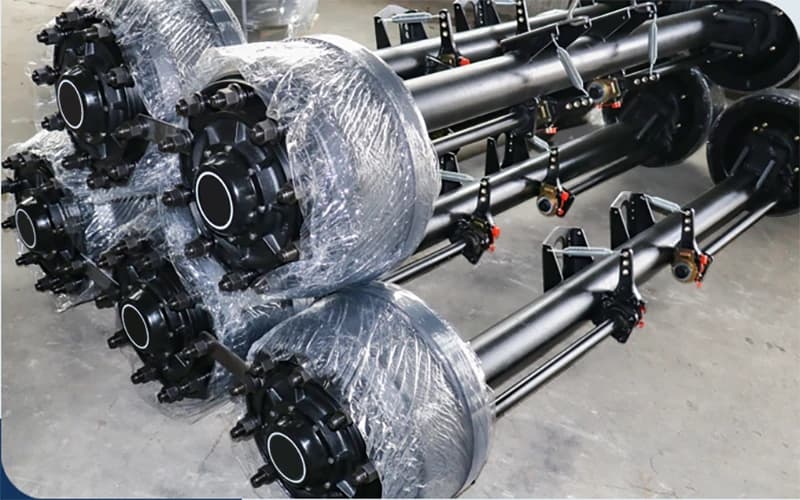
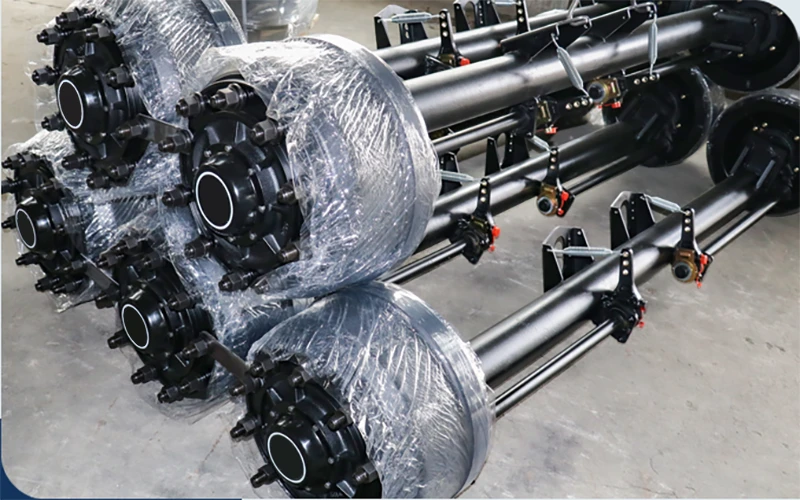
Container loading of Kales semi trailer for export, ensuring secure fastening and space optimization.



Trailer Type
Semi trailer
Axles
Multi-axle options
Payload
Configured to project requirement
Road Matching
leaf spring
Quick answer: choose this 13T American type drop axle when your trailer needs lower deck height for height-sensitive cargo or special low-deck geometry. It is the right fit for special trailer builds, lowbed-adjacent layouts, and replacement programs where deck clearance matters more than standard axle simplicity. It is not the first choice for harsh obstacle-heavy routes where maximum under-axle clearance is more important than a lower trailer stance.
✓ Direct technical consultation from factory engineers · Zero trader markup
Factory Direct Export
Zero trader markup
Heavy-Duty Certified
ISO9001 / CCC / CIQ
Global Sea Freight
Container / Ro-Ro / Bulk
Custom Engineering
Tailored configurations
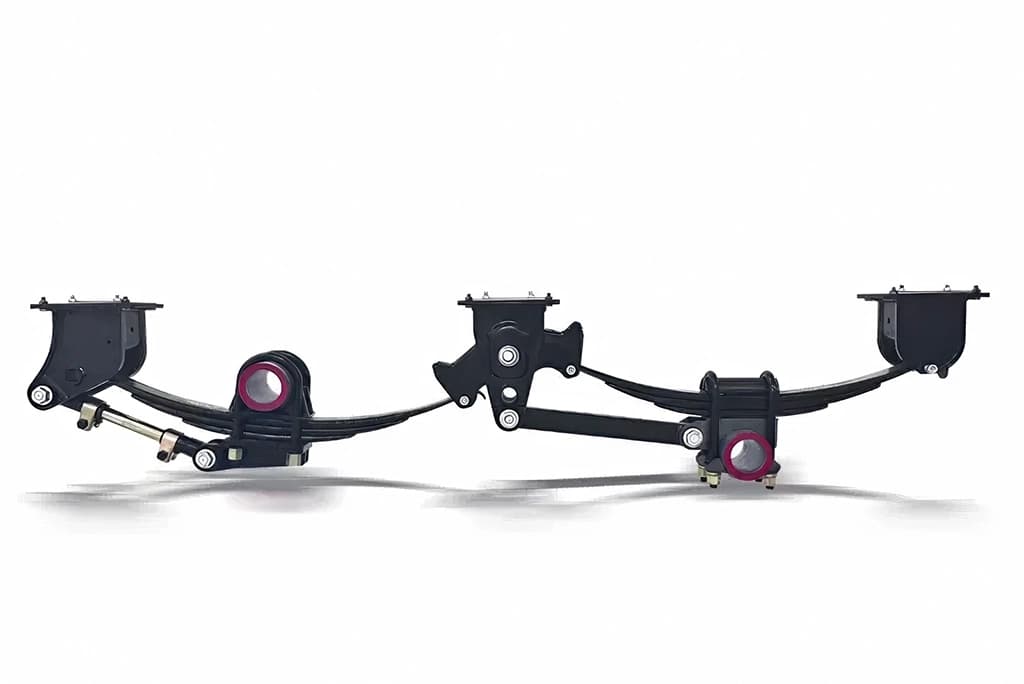
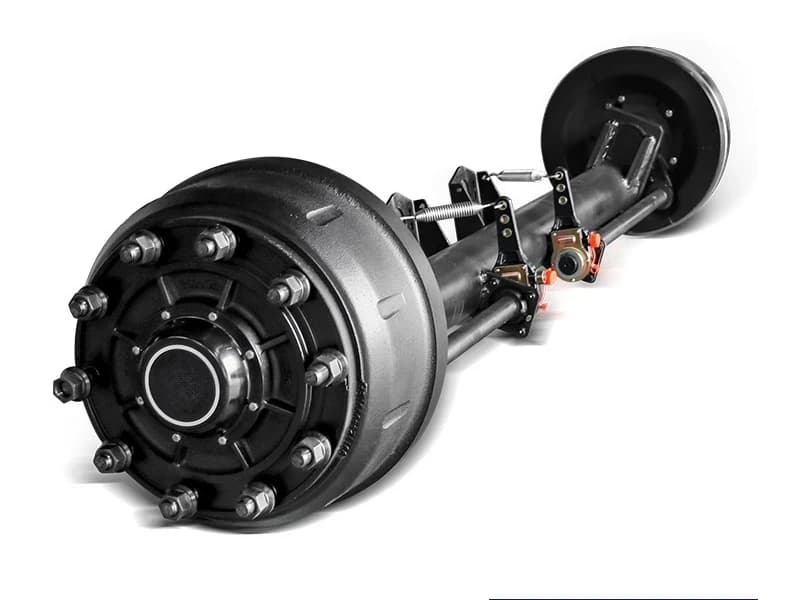
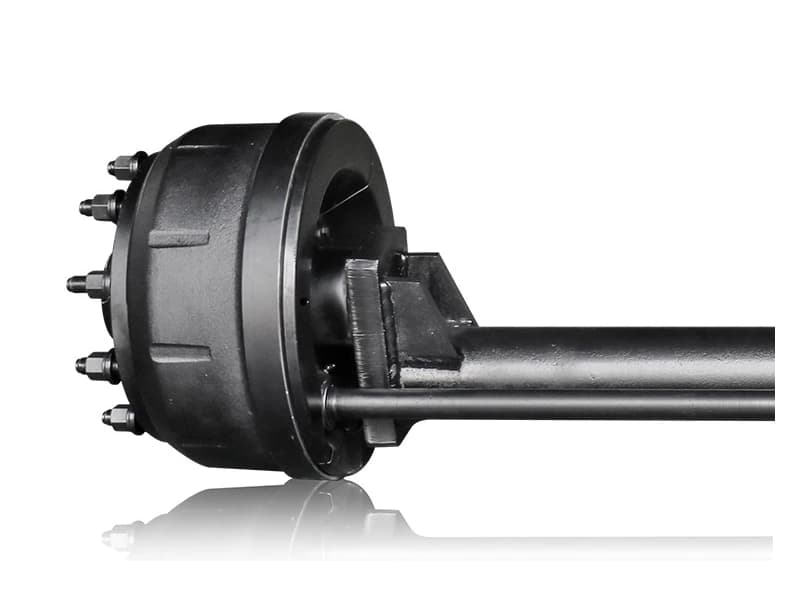
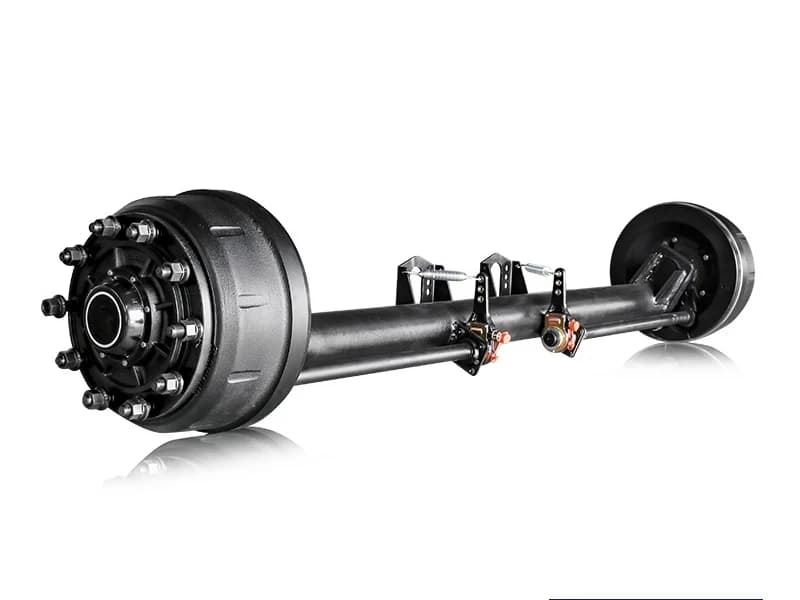
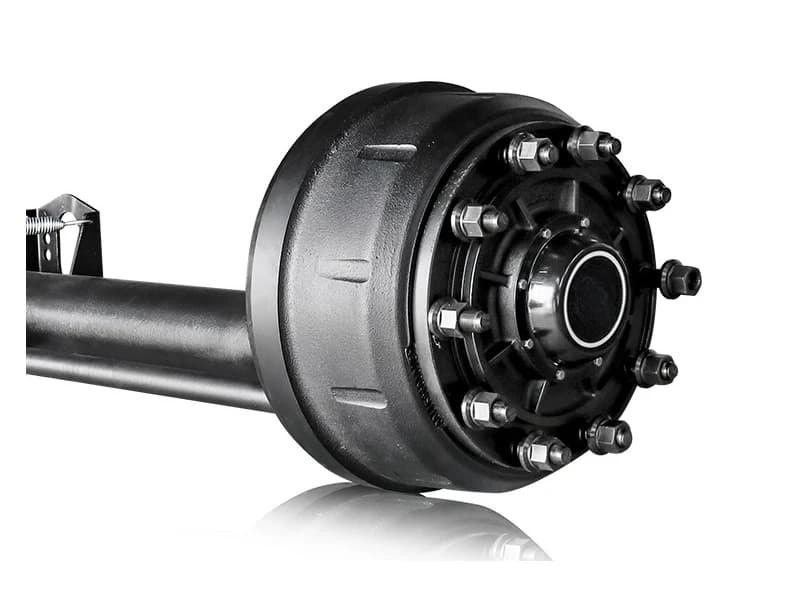
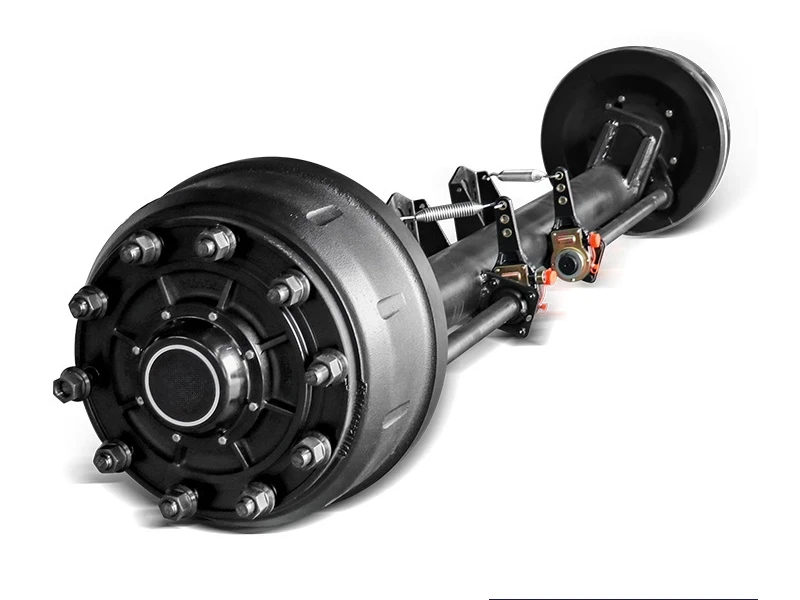
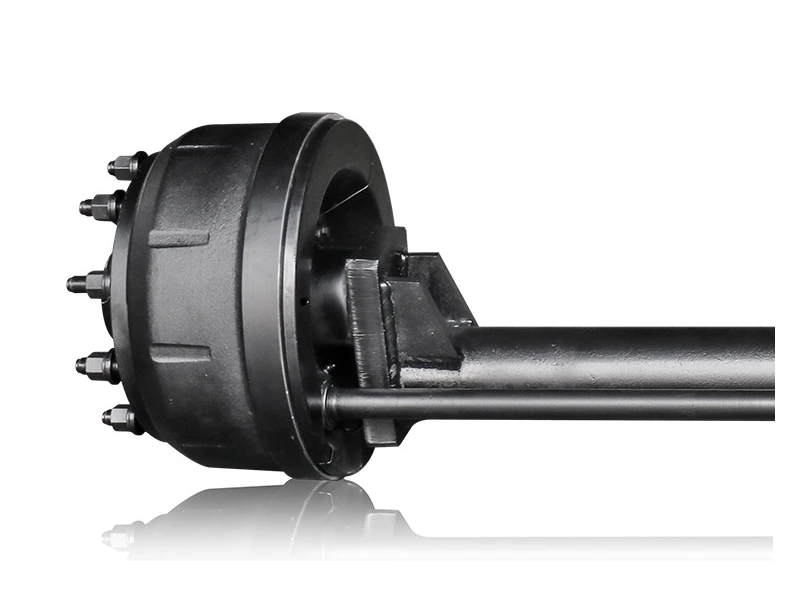
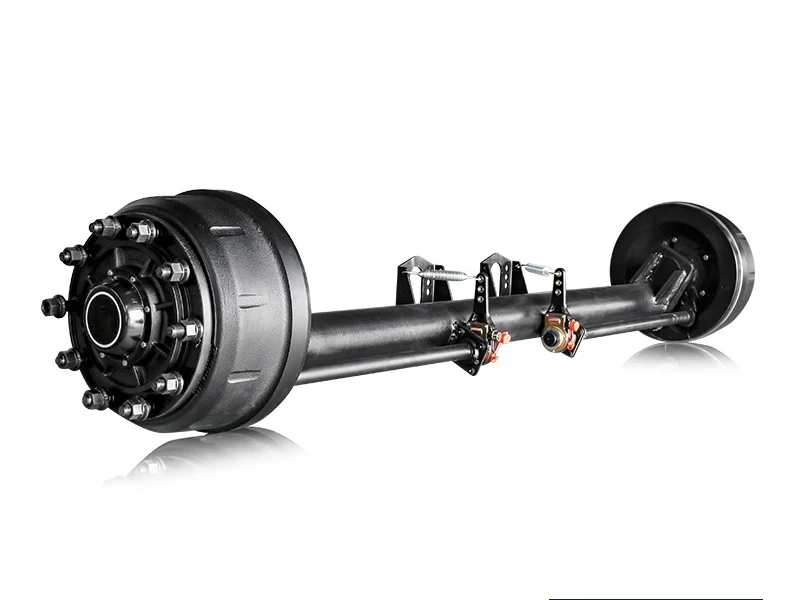
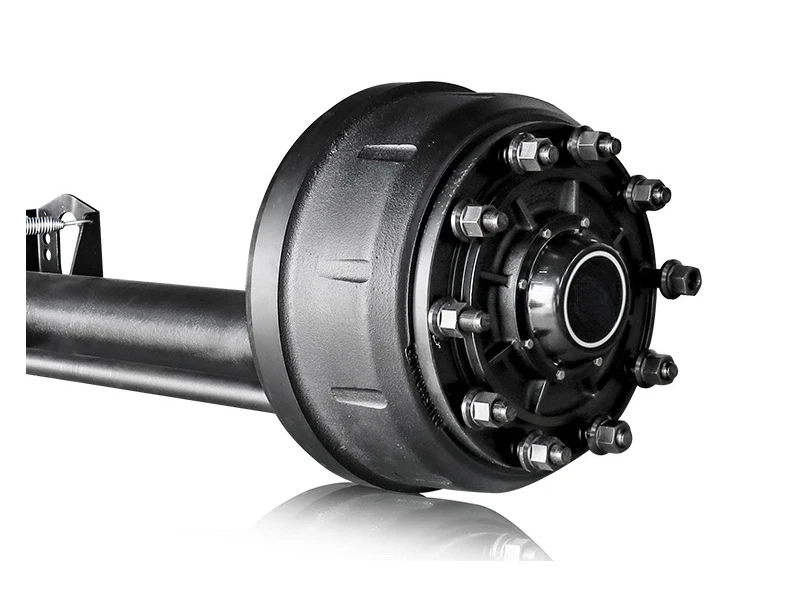
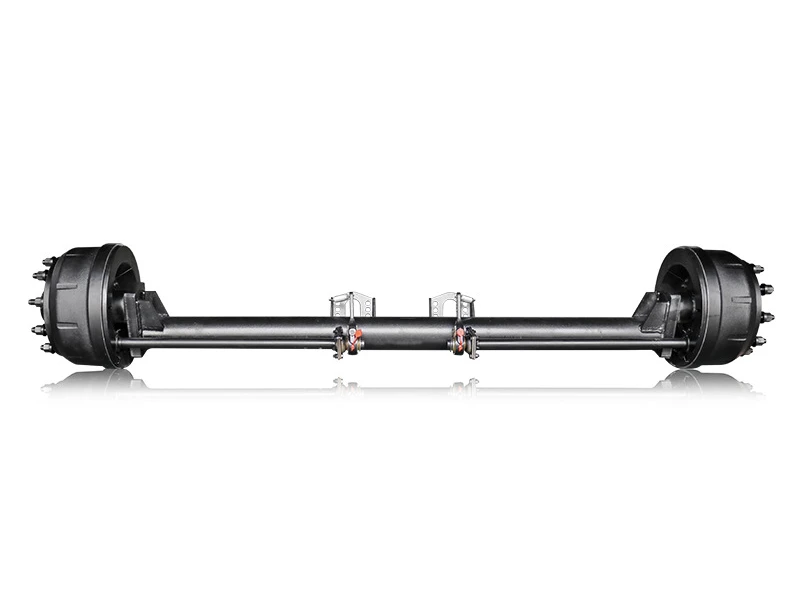
13T American type drop axle: this Kales lowered-axle family is built for buyers who need lower deck height, lower loaded center of gravity, and special trailer geometry that a standard straight rear axle cannot deliver. The page is centered on the 13 ton drop axle while covering the main single-tyre and twin-tyre variants for buyers comparing spring center, wheel track, axle tube, and fitment logic.
Engineering guidance from the Kales Vehicle parts team for buyers comparing a 13T drop axle with standard 13T external drum axles, 13T disc axles, and heavier 20 ton American-type drum axle options.
| Product type | American-type lowered/drop semi-trailer axle family |
|---|---|
| Headline configuration | KAASDA13 lowered axle |
| Rated capacity | 13 tons |
| Brake size | 420 x 150 mm drum brake |
| Spring center | 1500 mm or 1650 mm depending on wheel layout |
| Wheel track | 2340 mm or 2575 mm depending on wheel layout |
| Axle tube options | 150 x 150 mm square tube or O127 round tube |
| Stud pattern | 10 x M22 x 1.5 |
| PCD | 335 mm |
| Center hole | 281 mm |
| Recommended wheel | 7.5V-20 or above |
| Wheel layouts | Single-tyre and twin-tyre configurations |
| Optional equipment | ABS support and air brake chamber matching available |
| Custom quotation | Contact KALES for a tailored quotation based on the required configuration, order quantity, and destination. |
| Model | Capacity (T) | Spring center (mm) | Wheel track (mm) | Brake (mm) | Axle tube | PCD (mm) | Center hole (mm) | Recommended wheel |
|---|---|---|---|---|---|---|---|---|
| KAASDA13A single tyres | 13 | 1650 | 2575 | 420 x 150 | 150 x 150 | 335 | 281 | 7.5V-20 or above |
| KAASDA13B single tyres | 13 | 1650 | 2575 | 420 x 150 | O127 | 335 | 281 | 7.5V-20 or above |
| KAASDA13C twin tyres | 13 | 1500 | 2340 | 420 x 150 | 150 x 150 | 335 | 281 | 7.5V-20 or above |
| KAASDA13D twin tyres | 13 | 1500 | 2340 | 420 x 150 | O127 | 335 | 281 | 7.5V-20 or above |
This axle family is best suited to special trailer programs where lower deck height changes the legality or practicality of the transport job. It works well for low-deck cargo layouts, height-sensitive freight, special platform trailers, and certain replacement programs where a standard straight axle would leave the trailer too high. Its value comes from geometry, not from being a universal replacement for every rear axle application.
The correct way to assess a 13T American type drop axle is not only by capacity and price. Buyers should confirm required deck-height reduction, spring-center spacing, wheel track, wheel layout, axle tube format, brake package, and route environment. Those details determine whether the lowered axle solves the trailer geometry problem without creating avoidable fitment or clearance issues elsewhere.
| Buyer situation | Best-fit Kales option | Why |
|---|---|---|
| Special trailer build that needs lower deck height | This 13T lowered/drop axle family | It is designed around lower trailer geometry rather than standard axle height |
| Mainstream 13T trailer replacement with simpler service logic | 13T external drum trailer axle | Better fit when low-deck geometry is not required and workshop simplicity matters more |
| 13T highway trailer with road-speed braking priority | 13T American disc trailer axle | Better fit when thermal braking behavior matters more than lowered geometry |
| Heavier bulk or harsher load duty above the 13T class | 20 ton American type drum trailer axle | Better fit when load severity requires a heavier axle platform instead of lowered geometry |
The real reason to buy a drop axle is geometry. If the transport job is limited by trailer height or center of gravity, a lowered axle can solve a problem that a standard axle cannot. If the transport job does not need that geometry change, a standard axle often remains the simpler and more economical answer.
A lower trailer deck helps with cargo height and stability, but buyers should also think about route obstacles, yard ramps, and under-axle clearance. A lowered axle is strongest on routes where the geometry benefit matters more than maximum clearance under the axle beam.
This family covers both single-tyre and twin-tyre layouts with different spring-center and wheel-track numbers. That matters because the correct lowered axle is not just about capacity. It is also about how the trailer builder wants the chassis, wheel envelope, and deck structure to work together.
Special trailers often need non-standard wheel track or closer fit control. That is why drop-axle procurement should focus on exact dimensional matching rather than buying by headline price alone. A low-deck axle that is dimensionally wrong can undo the very geometry benefit the buyer wanted.
This page keeps aggregate pricing because the family spans different wheel layouts and axle-tube combinations under one lowered-axle concept. Buyers should compare the price range only after confirming spring center, wheel track, axle tube, wheel layout, and the exact trailer geometry target.
Kales can match wheel layout, axle tube, brake arrangement, wheel track, and optional ABS or air brake chamber setup before order confirmation. For serious buyers, the goal is to buy the lowered axle that actually solves the trailer design problem instead of selecting a standard axle simply because it is easier to quote.
Share your target market, usage scenario, and preferred configuration.
Receive our model recommendation, specification review, and factory quotation.
Confirm production, inspection, shipment route, and export documents.
Stay supported after delivery with spare parts and remote assistance.
At Kales Vehicle, we keep freight planning practical so your trailer or truck reaches the destination with the right balance of protection, speed, and cost.
Container Shipping, Ro-Ro (Roll-on/Roll-off), and Bulk Cargo each serve different export needs, and we choose the safest route, loading method, and packing approach for the order.
Container loading of Kales semi trailer for export, ensuring secure fastening and space optimization.
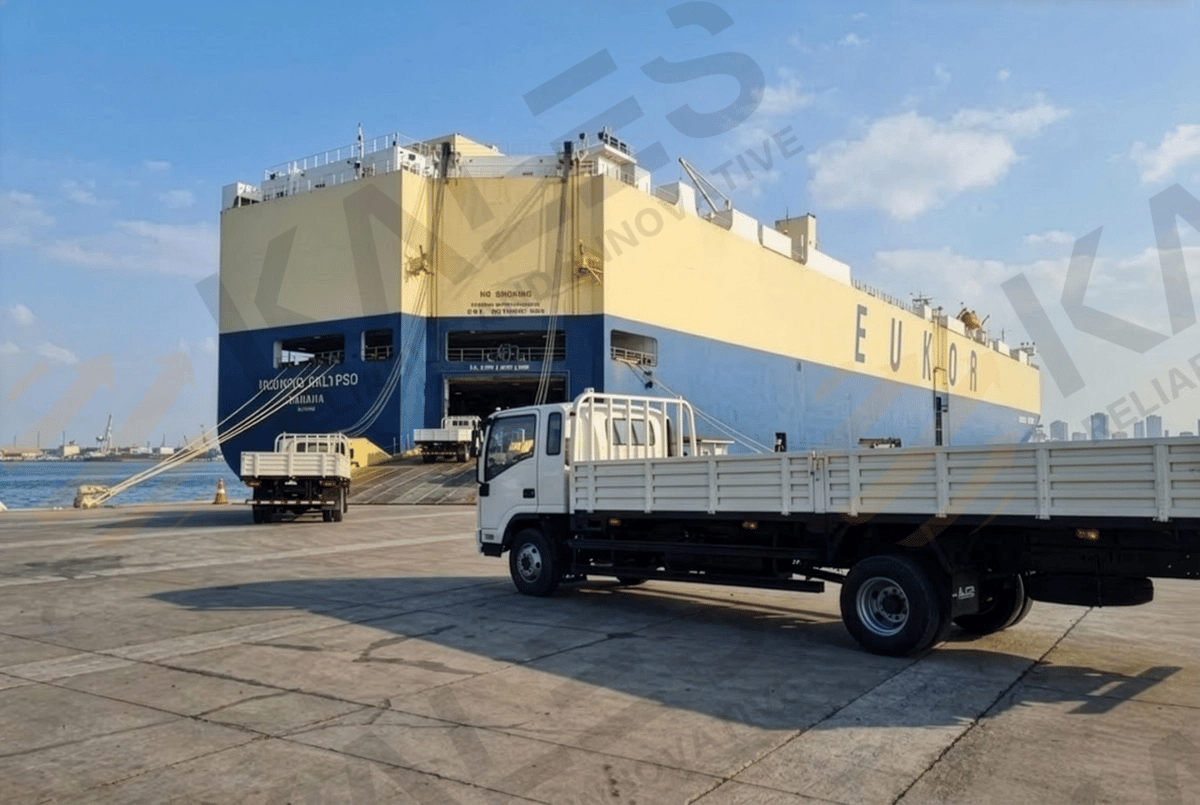
Ro-Ro shipping method for Kales commercial trailers, driving directly onto the vessel for maximum safety.
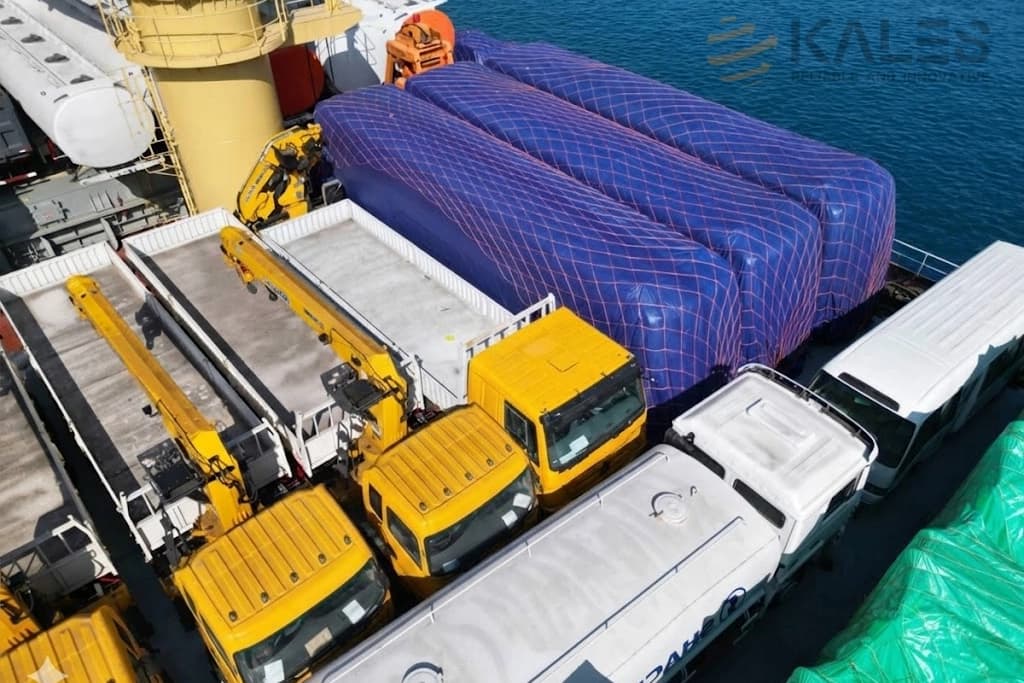
Bulk cargo transport of stacked Kales semi trailers with wax spraying protection against seawater corrosion.
If you are comparing a 13T American type drop axle for a low-deck or special trailer build, send your required deck-height target, spring center, wheel track, wheel layout, brake package, and trailer application. Kales can then match the correct lowered-axle variant and quote the right fitment package instead of a generic axle offer.
Factory engineering notes, maintenance protocols, and buyer checklists related to this equipment.
Mobilizing oversized industrial machinery—including hydraulic excavators, crawler bulldozers, rotary drilling rigs, crus…
In African open-pit mining, quarrying, and bulk mineral haulage—from the gold corridors of Geita and Kahama in Tanzania…
Nigeria represents the largest commercial vehicle market in Sub-Saharan Africa, serving as the industrial and trade loco…
13T American Type Drop Axle
Factory Direct · Free Quote