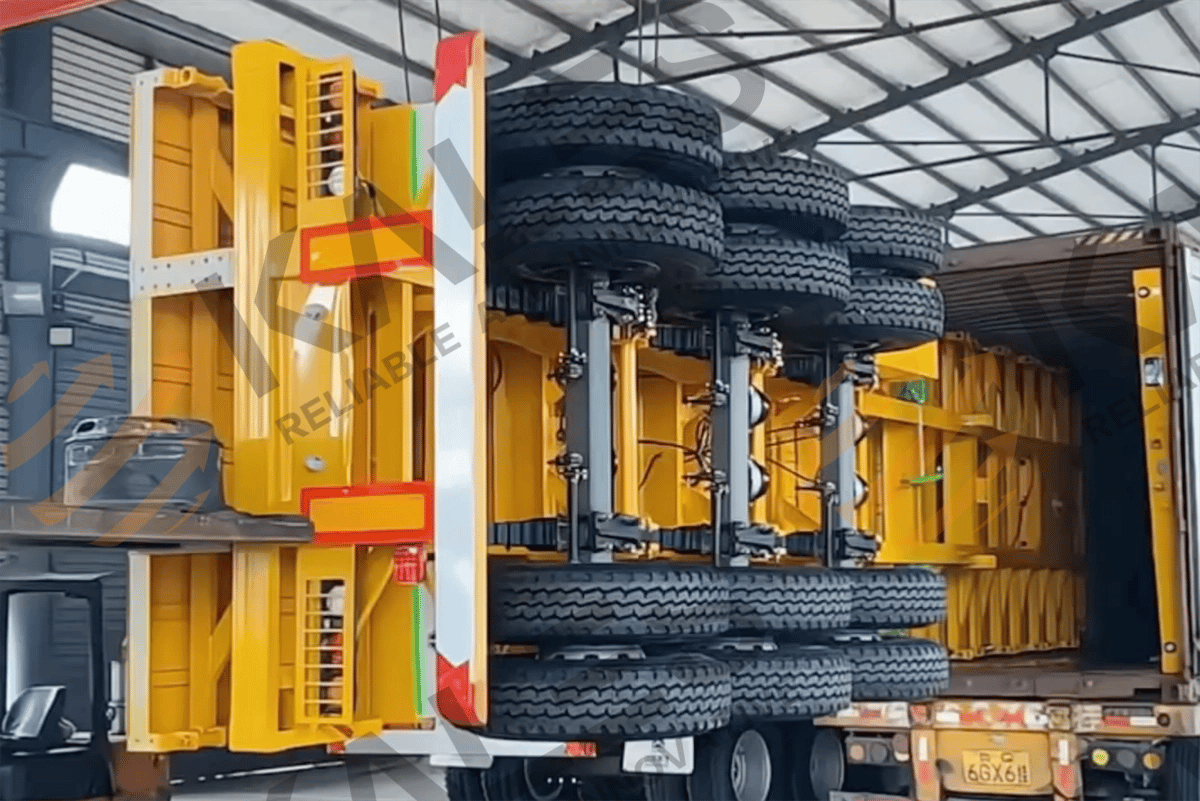
Container Shipping
Container loading of Kales semi trailer for export, ensuring secure fastening and space optimization.



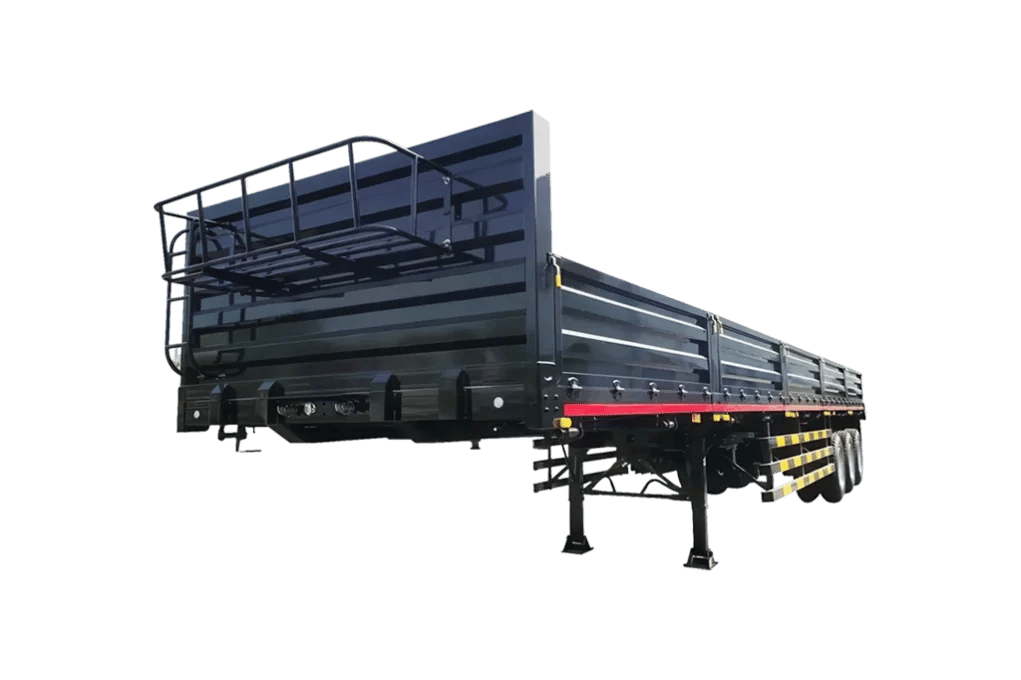
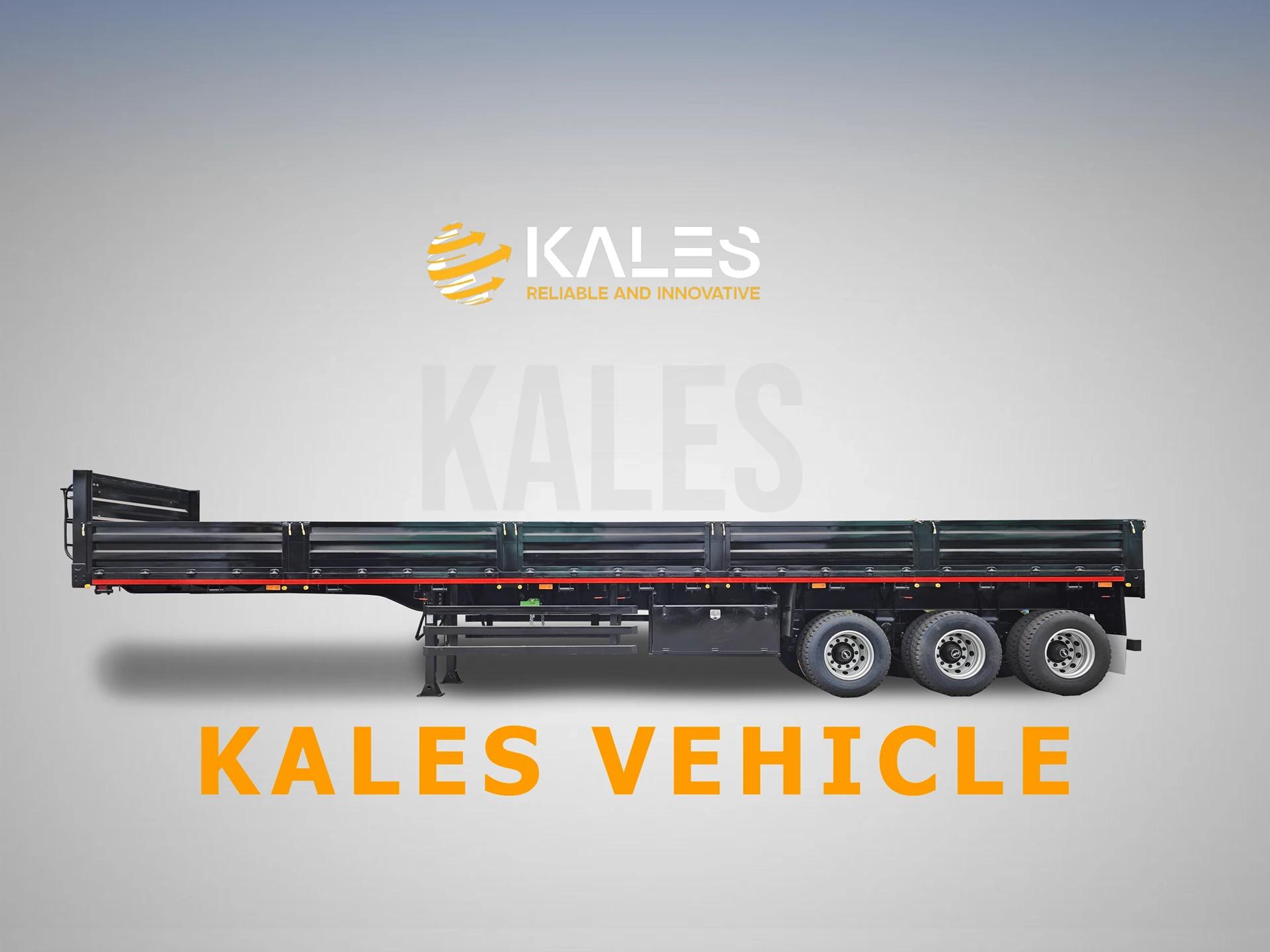
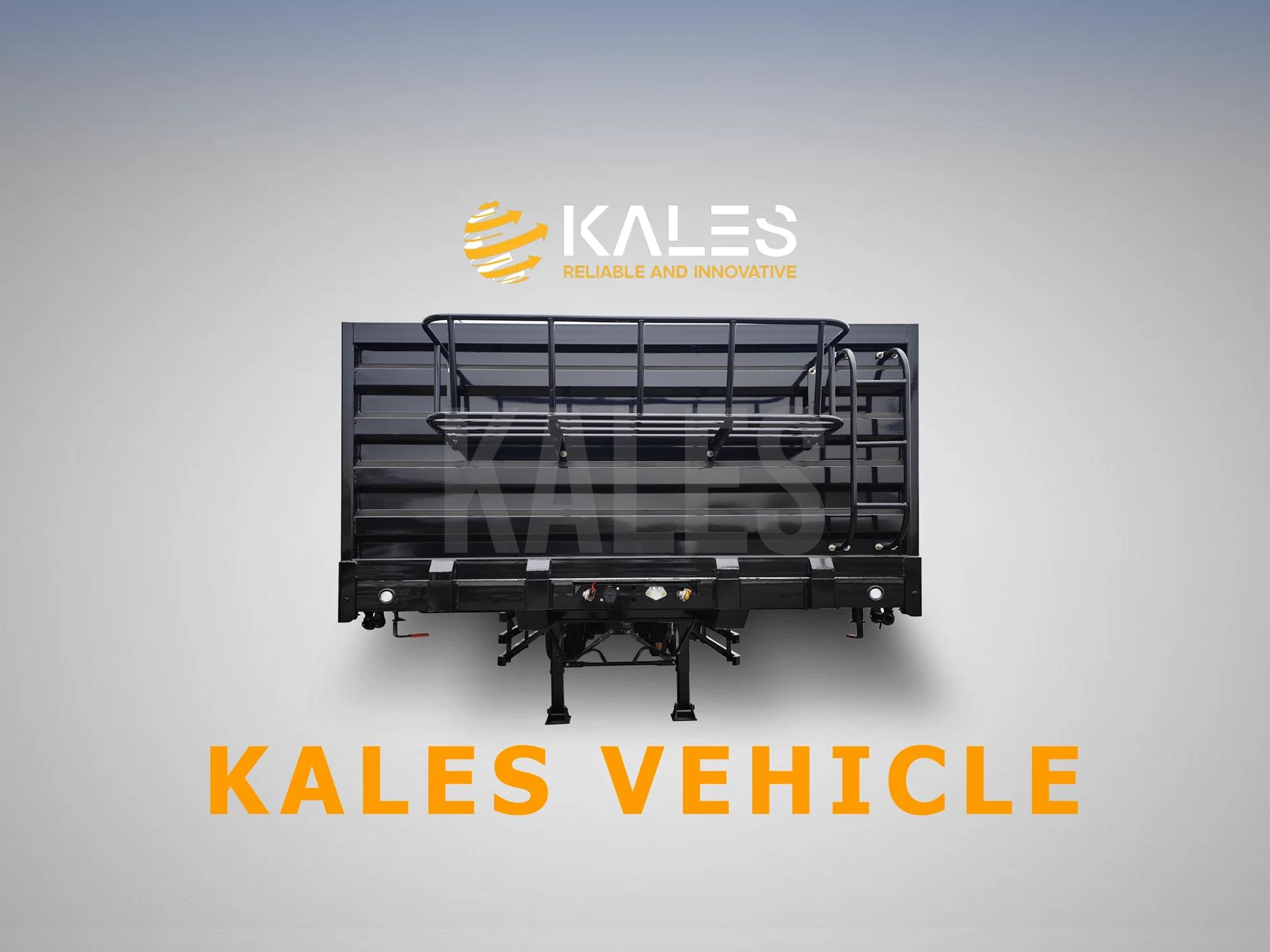
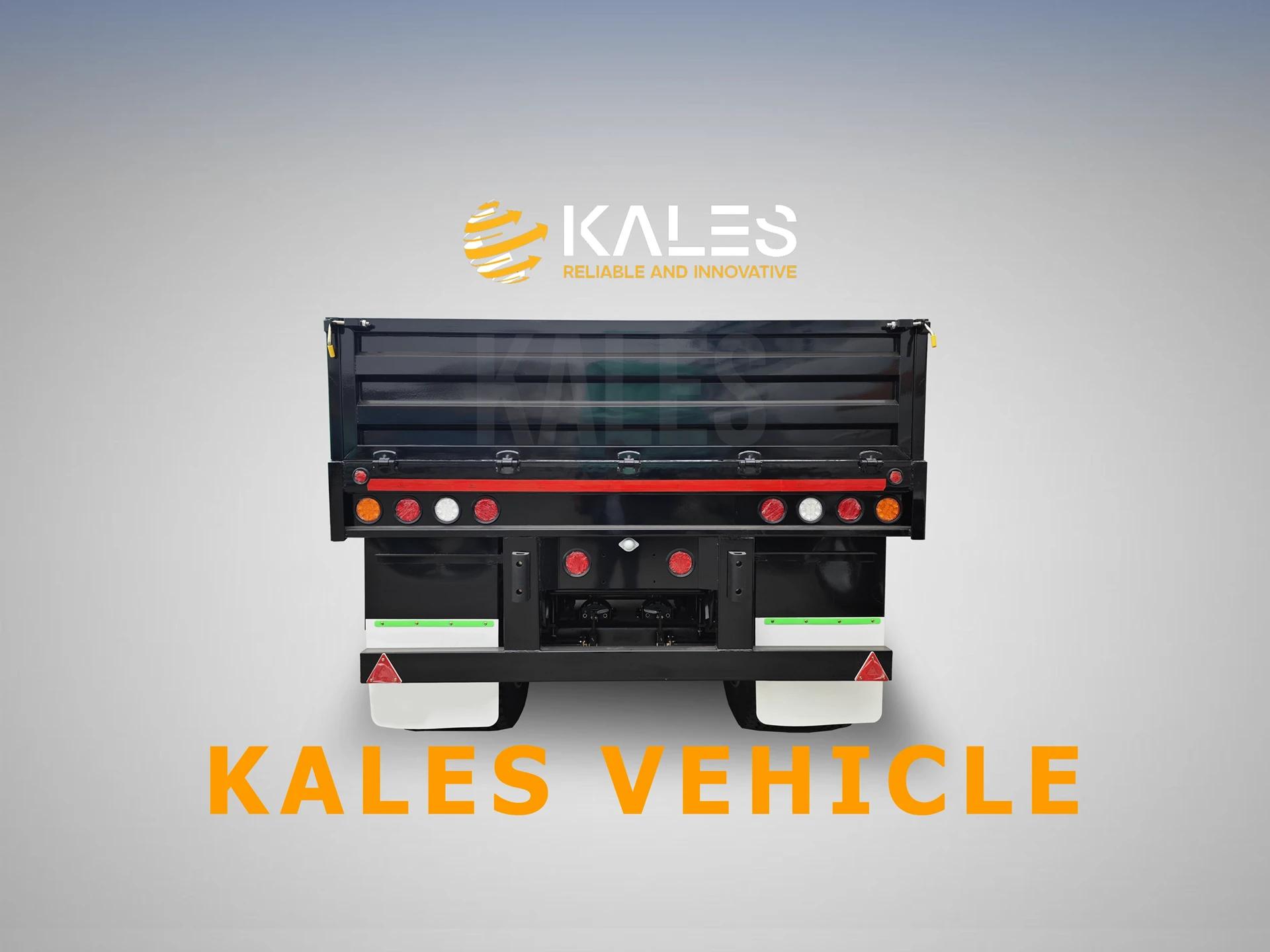
Trailer Type
flatbed
Axles
3 axles
Payload
45
Road Matching
air suspension
Quick answer: choose this 3-axle drop-side flatbed trailer when your operation needs one open trailer that can handle containers, bagged freight, bulk cargo, steel, and general cargo with practical side restraint. It is the right fit when removable sidewalls matter more than a pure open deck, but your freight profile still does not justify moving into a heavier 80 ton dropside program.
✓ Direct technical consultation from factory engineers · Zero trader markup
Factory Direct Export
Zero trader markup
Heavy-Duty Certified
ISO9001 / CCC / CIQ
Global Sea Freight
Container / Ro-Ro / Bulk
Custom Engineering
Tailored configurations
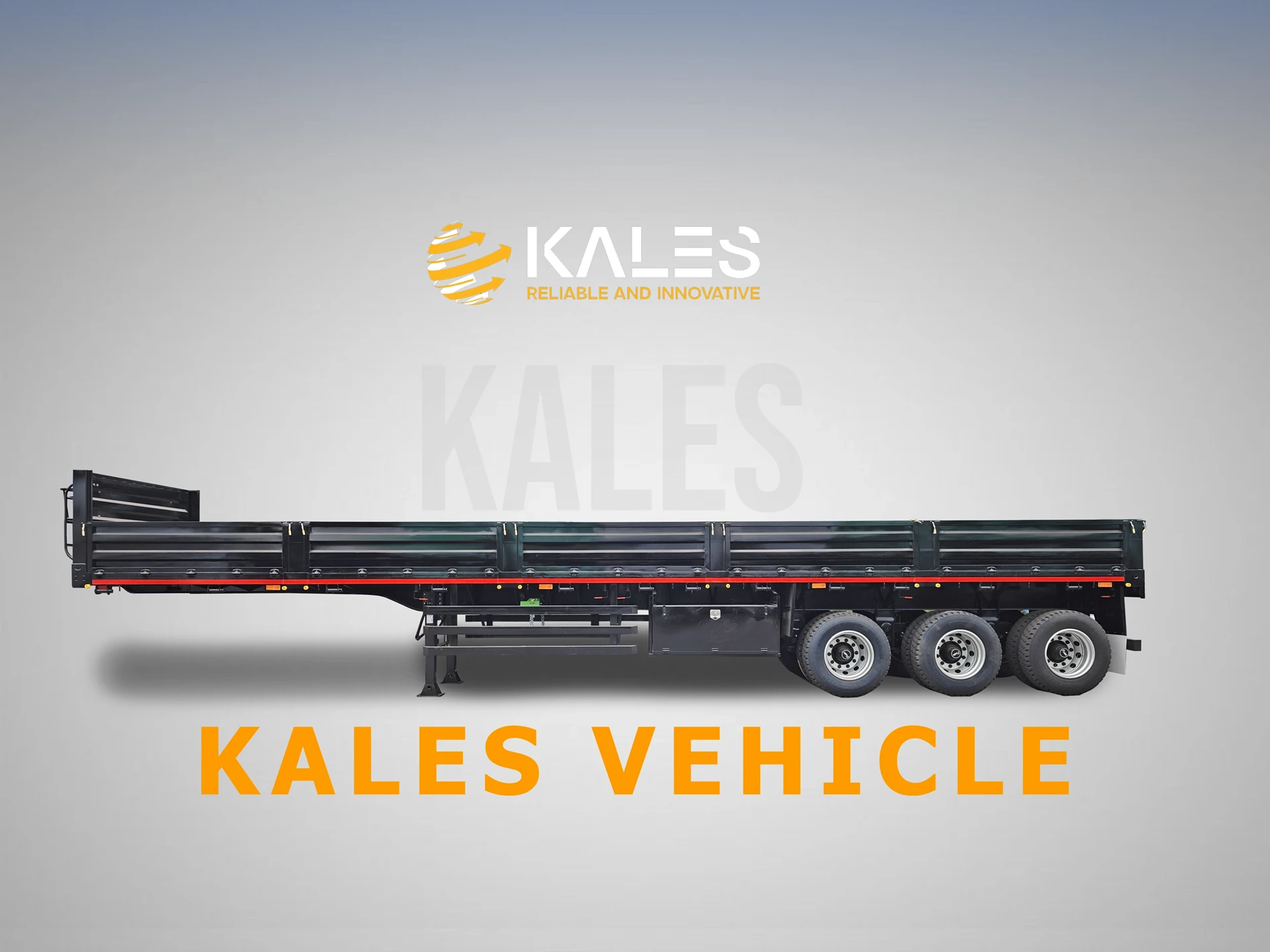
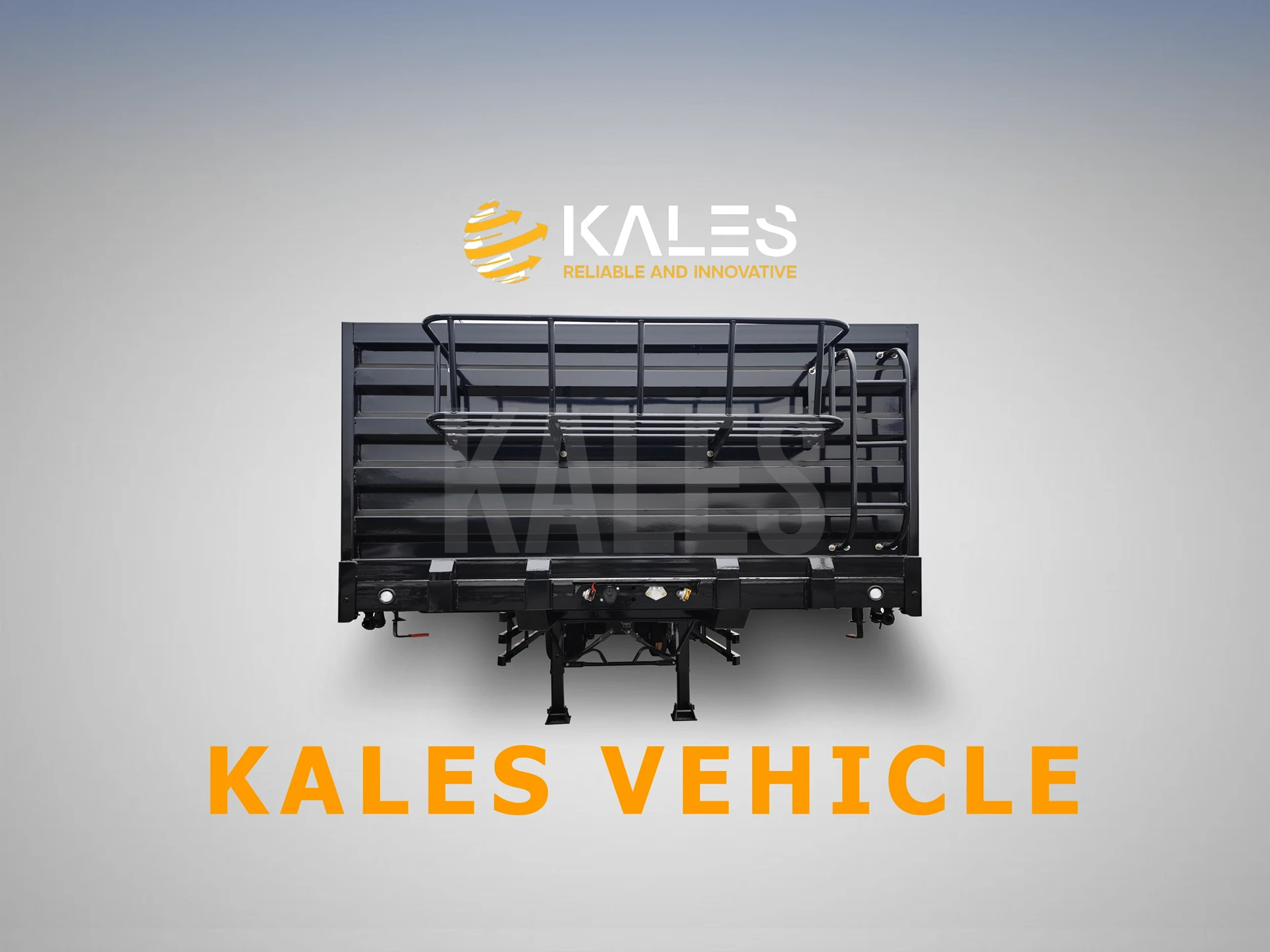
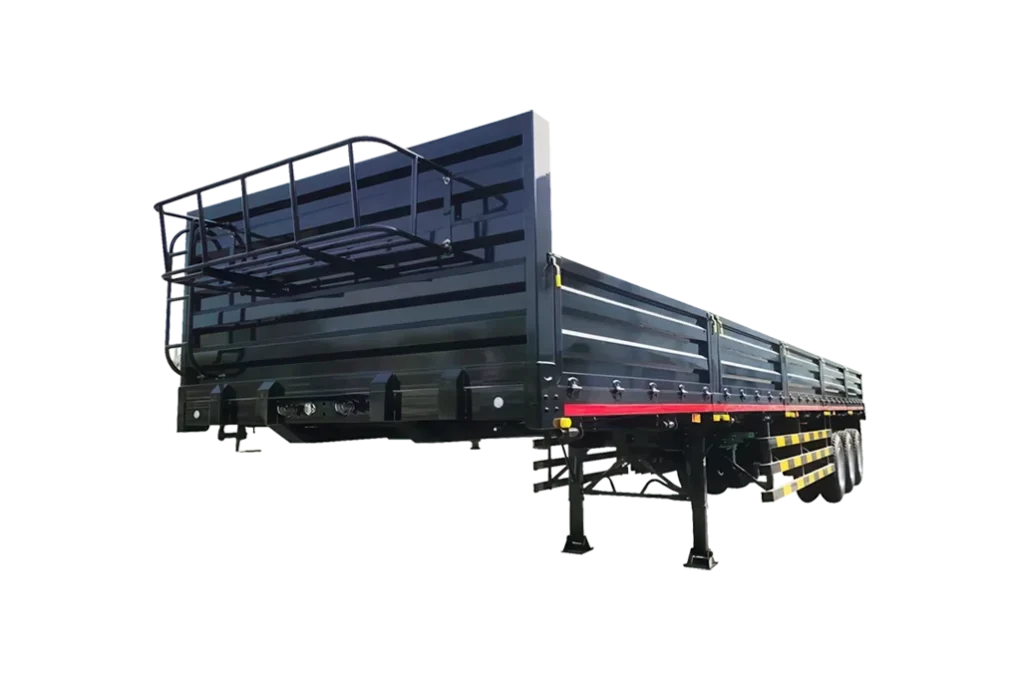
3-axle drop-side flatbed trailer: this Kales sidewall platform is built for fleets that need more cargo restraint than an open flatbed, but more flexibility than a fixed sidewall trailer focused only on dense heavy freight. It fits container backhaul, bagged cargo, bulk materials, steel, pallets, timber, and general cargo where removable side panels make the trailer commercially useful on more than one route type.
Engineering guidance from the Kales Vehicle product team for buyers comparing a removable-sidewall platform with open flatbeds, broader 45ft export decks, and heavier 80 ton dropside trailers.
| Product type | 3-axle drop-side flatbed trailer / removable-sidewall semi trailer |
|---|---|
| Primary freight role | Containers, bagged cargo, bulk freight, steel, pallets, timber, and mixed general cargo |
| Reference dimensions | About 13,000 mm x 2,500 mm x 1,550 mm, customizable by cargo program and destination market |
| Payload class | About 45T to 60T depending on axle matching, legal road limits, floor thickness, and reinforcement level |
| Main beam | Q355B high-strength steel beam with reinforced front transition and side structure support |
| Sidewall arrangement | Removable corrugated steel side panels, typically 600 mm or 800 mm, with higher options by request |
| Deck floor | 3 mm to 4 mm anti-slip checkered steel plate |
| Container locking | 12 ISO twist locks for 1 x 40ft or 2 x 20ft container positioning |
| Axles | 3 axles, usually 13T or 16T; FUWA, BPW, or KALES options |
| Suspension | Heavy-duty mechanical suspension standard; air suspension optional for selected highway cargo programs |
| Brake system | WABCO valve logic with dual-circuit air braking |
| Custom quotation | Contact KALES for a tailored quotation based on the required configuration, order quantity, and destination. |
This trailer fits fleets that alternate between restrained open cargo and container work on the same route network. It performs well when the cargo mix includes bagged cement, fertilizer, feed, grain sacks, steel products, pallets, timber, packaged goods, and occasional container moves. The removable-sidewall design matters most when the operator needs containment without giving up open-deck flexibility.
This page should own the removable-sidewall flatbed intent. It is not the same as a standard open flatbed, because side retention is part of the buying logic. It is not the same as the broader 45ft export platform, because this page is centered on cargo restraint and mixed-route practicality, not longer international deck framing. It is also not the same as the heavier 80 ton dropside page, because this model is about 45T to 60T versatility rather than maximum dense-freight positioning.
| Buyer situation | Best-fit Kales page | Why |
|---|---|---|
| Containers plus bagged or general cargo with side retention needs | This 3-axle drop-side flatbed trailer | Removable sidewalls give restraint without giving up open-deck flexibility |
| Open-deck freight and containers without permanent side restraint focus | 40ft flatbed semi trailer | Simpler structure when the cargo does not need side panels |
| Broader 40ft and 45ft export logistics with longer deck framing | Tri-axle 45ft flatbed semi trailer | Better fit when deck length and wider export framing matter more than side containment |
| Heavier dense cargo and stronger sidewall-heavy daily duty | 80 ton dropside semi trailer | Higher heavy-freight positioning when structural margin matters more than mid-range versatility |
The value of this page is not only that the trailer has side panels. The real point is that the sidewalls can be part of the route plan instead of a permanent limitation. The trailer can support restrained cargo on one dispatch cycle, then return to a cleaner open-deck role when the cargo changes. That is what keeps the page distinct from both pure flatbeds and denser fixed-sidewall programs.
This configuration is not meant to be a decorative light-duty platform. Cargo such as cement bags, feed sacks, fertilizer, steel, and palletized materials creates repeated side loading and deck stress. The Q355B beam, reinforced edge members, and stronger panel supports are there to keep the trailer structurally useful over time instead of allowing early distortion around the floor and side attachments.
Because the trailer keeps 12 ISO twist locks, it can support container work without becoming container-only. That matters in route networks where the return leg should still earn revenue from open cargo, or where the same fleet unit needs to shift between container and cargo dispatch during the same month.
KALES confirms the quotation after reviewing the required specification, quantity, destination, and delivery terms. Send the operating requirements for an accurate proposal.
Buyers should quote this trailer against the real cargo mix, not against the cheapest open flatbed on a spreadsheet. The key question is whether the route earns more from removable side restraint than from a simpler open deck. If the answer is yes, this page is the right midpoint between a standard flatbed and a heavier high-payload dropside.
Kales can match panel height, deck thickness, axle brand, suspension, grain-door details, and reinforcement before production. That keeps the build aligned with the cargo program instead of forcing a generic sidewall layout onto every buyer.

Share your target market, usage scenario, and preferred configuration.
Receive our model recommendation, specification review, and factory quotation.
Confirm production, inspection, shipment route, and export documents.
Stay supported after delivery with spare parts and remote assistance.
At Kales Vehicle, we keep freight planning practical so your trailer or truck reaches the destination with the right balance of protection, speed, and cost.
Container Shipping, Ro-Ro (Roll-on/Roll-off), and Bulk Cargo each serve different export needs, and we choose the safest route, loading method, and packing approach for the order.
Container loading of Kales semi trailer for export, ensuring secure fastening and space optimization.
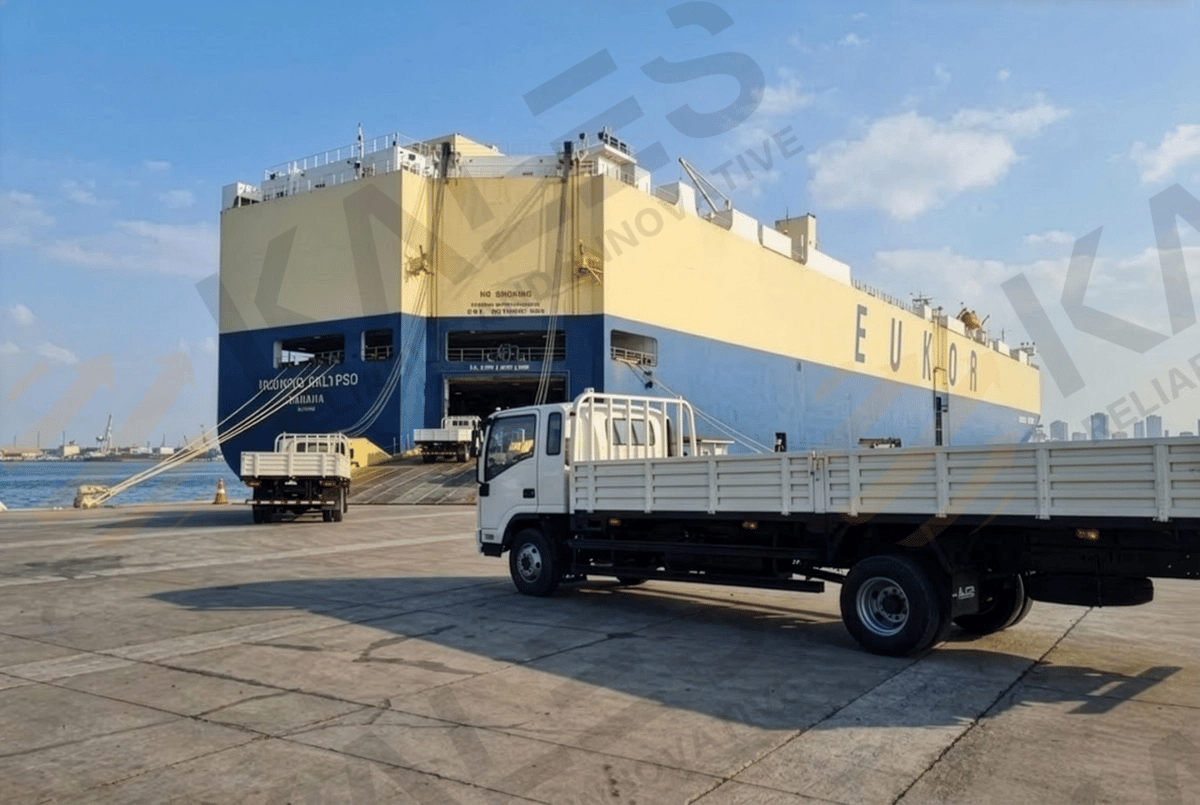
Ro-Ro shipping method for Kales commercial trailers, driving directly onto the vessel for maximum safety.
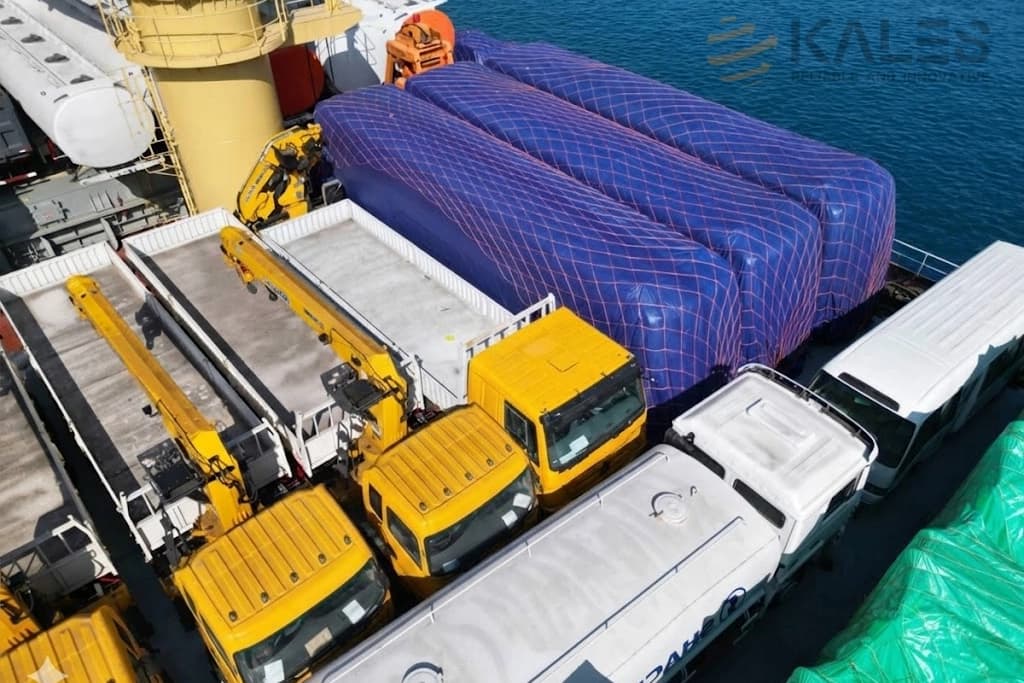
Bulk cargo transport of stacked Kales semi trailers with wax spraying protection against seawater corrosion.
If you are comparing a 3-axle drop-side flatbed trailer for containers, bagged cargo, steel, bulk freight, or mixed-route open cargo work, send your route country, main cargo mix, target payload, sidewall height preference, and whether container backhaul is regular. Kales can then match the right panel layout, beam program, axle package, and reinforcement level.
Factory engineering notes, maintenance protocols, and buyer checklists related to this equipment.
Mobilizing oversized industrial machinery—including hydraulic excavators, crawler bulldozers, rotary drilling rigs, crus…
In African open-pit mining, quarrying, and bulk mineral haulage—from the gold corridors of Geita and Kahama in Tanzania…
Nigeria represents the largest commercial vehicle market in Sub-Saharan Africa, serving as the industrial and trade loco…
3-Axle Drop-Side Flatbed Trailer
Factory Direct · Free Quote