

Published: September 9, 2026 · Word count: 2845 · Reading time: 16 minutes
Nigeria represents the largest commercial vehicle market in Sub-Saharan Africa, serving as the industrial and trade locomotive of West Africa. With maritime gateways at the Lagos Port Complex (Apapa Wharf), Tin Can Island Port, Onne Port in Rivers State, and the emerging Lekki Deep Sea Port, moving freight inland to key consumer and industrial hubs—such as Ibadan, Sagamu, Abuja, Kano, and Onitsha—is the backbone of national commerce. However, operating commercial semi-trailers profitably in Nigeria presents extraordinary challenges: severe road potholes, high ambient temperatures, complex axle weight enforcement under the ECOWAS Supplementary Act on Axle Load Harmonization, and strict import documentation via the Standards Organisation of Nigeria Conformity Assessment Programme (SONCAP).
This technical procurement guide equips Nigerian fleet managers, logistics operators, and transport investors with actionable engineering guidance to select, configure, and import heavy-duty semi-trailers built to survive Nigerian operating realities.
Executive Summary: Nigeria Semi-Trailer Procurement Blueprint
- Operating Environment Realities: Nigerian arterial freight routes—including the Lagos–Ibadan Expressway, Sagamu–Ore–Benin corridor, and the A1 North-South highway to Kano—impose intense dynamic shock, torsional frame twisting, and severe brake thermal cycles caused by dense traffic and asphalt depressions.
- Axle Weight Regulations: Enforced under the ECOWAS Supplementary Act (SP.17/02/12) by the Federal Road Safety Corps (FRSC) and the Federal Ministry of Works. Standard legal axle limits: 10 metric tons on single steering axles, 18 metric tons on tandem drive axles, and 24 metric tons on tridem trailer bogies.
- Recommended Trailer Formats:
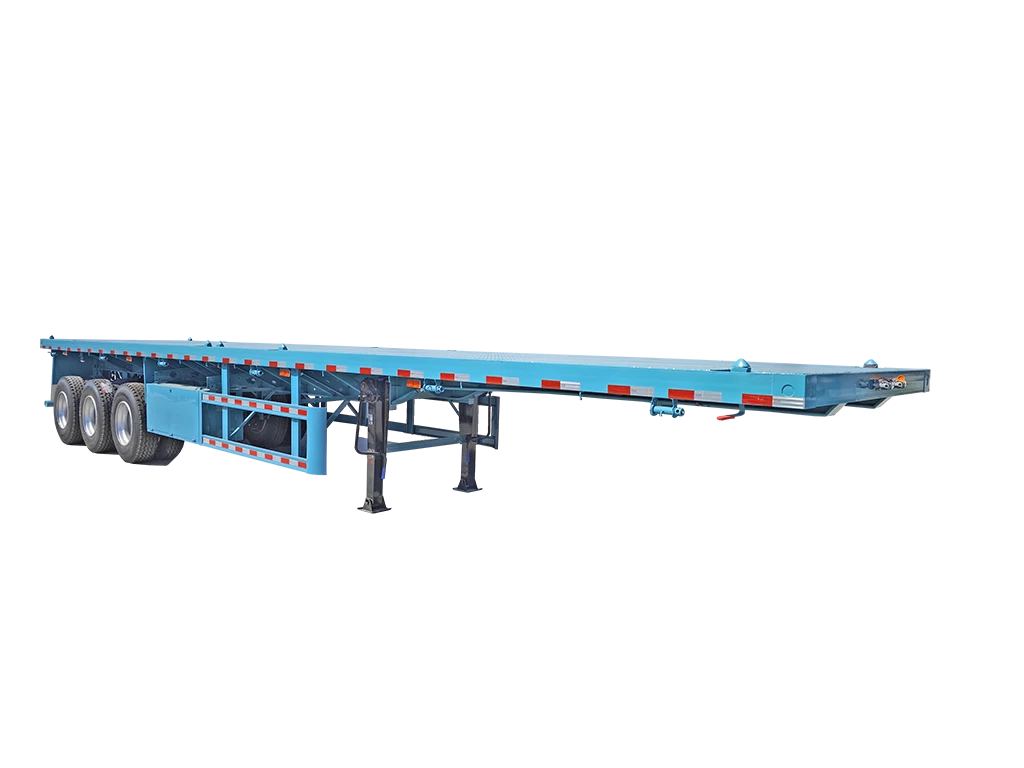
- 40ft Container Flatbed Trailers: The industry workhorse for Apapa and Tin Can Island port drayage (high-tensile T700 steel, 12 ISO twist locks).
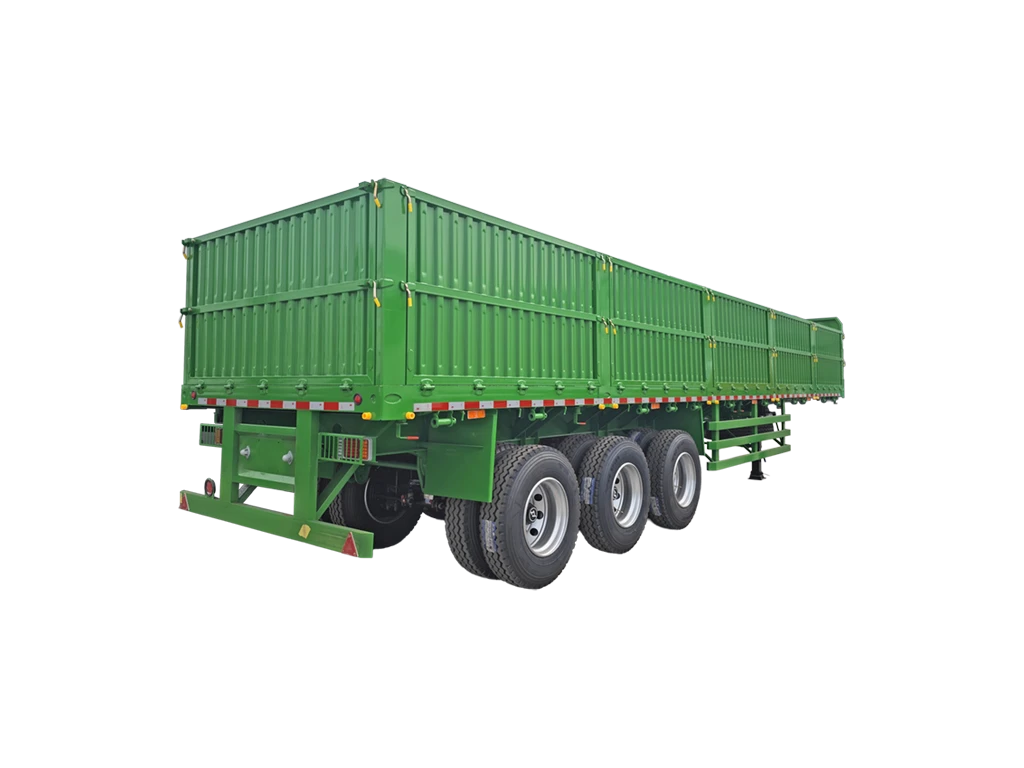
- Dropside Cargo Semi-Trailers: For agricultural commodities, fertilizer, palletized goods, and cement distribution from Obajana, Ibese, and Ewekoro.
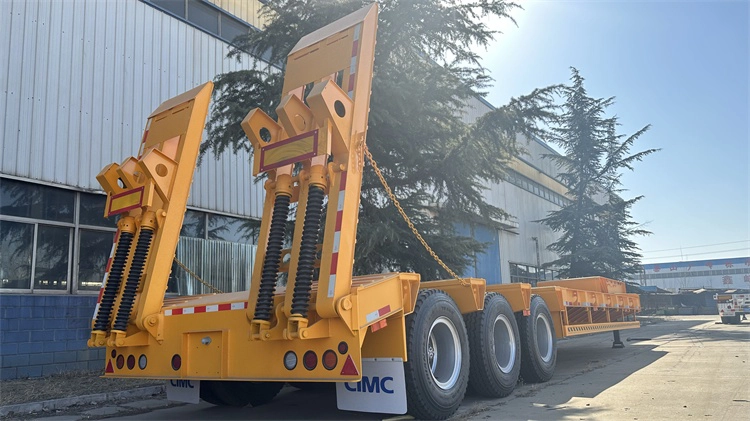
- Heavy-Duty Multi-Axle Lowbeds: For infrastructure construction plant, excavators, and drilling equipment.
- 45,000L–50,000L Fuel Tanker Trailers: For bulk PMS and AGO distribution from coastal tank farms to regional fuel depots.
- Import & Port Clearance Steps: Mandatory pre-shipment SONCAP verification, Form M opening, Pre-Arrival Assessment Report (PAAR) issuance, and clearing through Nigeria Customs Service (NCS) NICIS II automated system.
Quick Answer: What are the critical engineering specifications for buying semi-trailers in Nigeria?
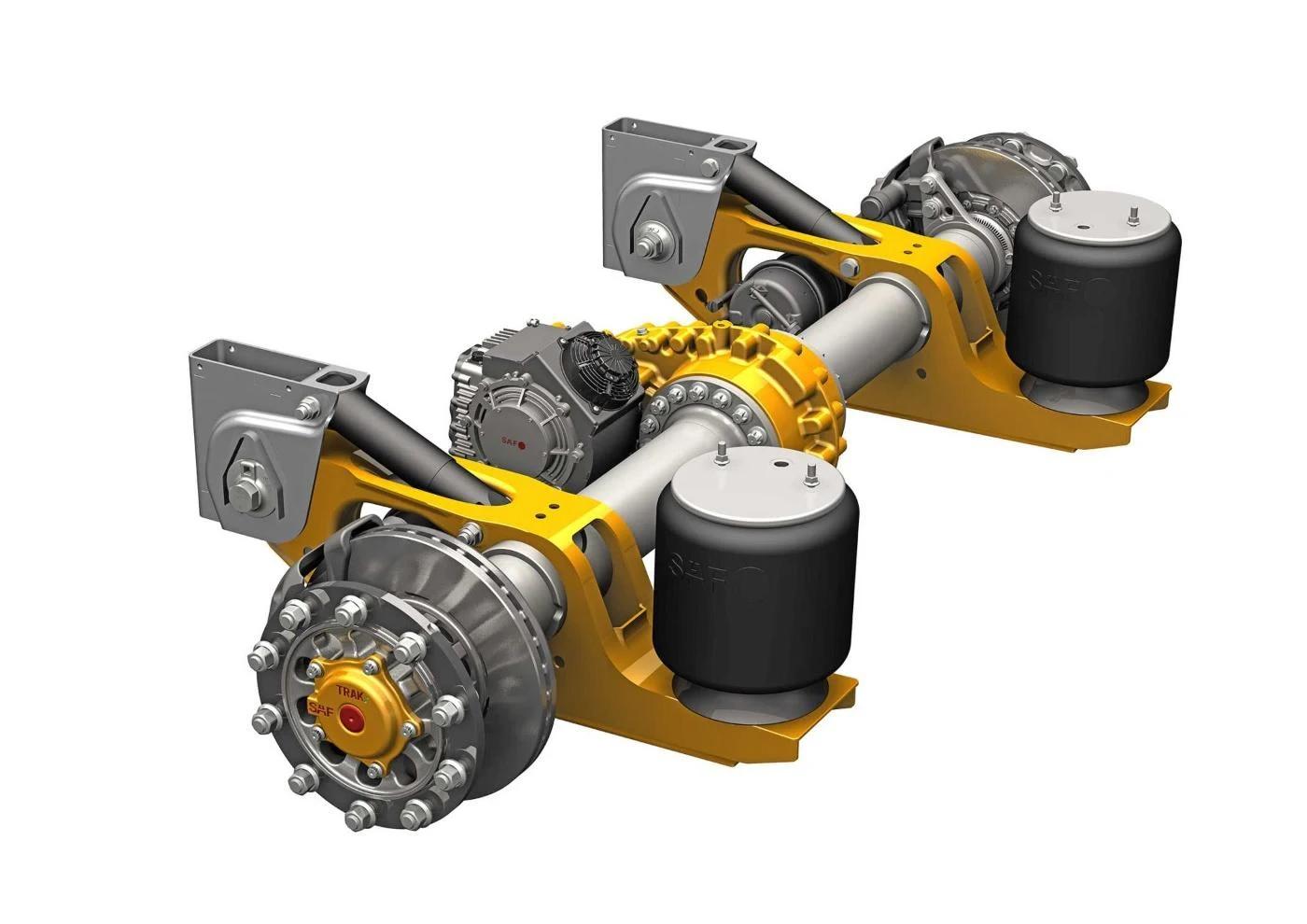
To prevent chassis neck cracking and catastrophic suspension failure on Nigerian trunk roads, avoid cheap commercial trailers fabricated from low-grade Q235 steel. Always specify T700 thermo-mechanically rolled high-strength steel for the main chassis beam (minimum 500mm web depth, 14mm top / 16mm bottom flanges), genuine FUWA 13-ton or 16-ton heavy-duty axles, 10-leaf mechanical spring suspension (13mm × 90mm) with heavy greasable equalizer rockers, and tubeless 12R22.5 all-steel radial tires. For imports, mandate a genuine SONCAP Certificate of Conformity before maritime dispatch from China to Lagos.
Key Takeaways for Nigerian Fleet Managers
- Steel Grade Determines Lifespan: High-tensile T700 steel (yield strength 700 MPa) flexes elastically over deep potholes without cracking, whereas cheap carbon steel frames warp permanently within 6 months of container drayage.
- Tubeless Tires Mitigate Heat Blowouts: 12R22.5 tubeless radial tires operate up to 25°C cooler on hot Nigerian highways than old-fashioned tube-type 11.00R20 tires, virtually eliminating roadside blowouts along the Benin–Ore expressway.
- 12-Lock Flexibility: Ordering flatbeds with 12 retractable twist locks allows the trailer to earn revenue on 1 × 40ft, 2 × 20ft, or 1 × 20ft center-loaded container missions.
- Avoid SONCAP Demurrage: Operating without verified SONCAP paperwork results in immediate container detention and severe demurrage penalties by the Nigeria Customs Service at Apapa Port.
1. Nigerian Road Conditions: Structural Engineering for Highway Reality
Hauling commercial freight across Nigeria involves traversing a demanding transport ecosystem. Heavy hauliers must navigate sharp road transitions, extreme pavement temperature variations (exceeding 50°C road surface temperature during the dry season), and long transit corridors connecting the coastal ports to the northern hinterland:
- Impact and Torsional Fatigue on Potholed Arterials: Even recently rehabilitated trunk roads, such as the Lagos–Ibadan Expressway, connect to severely deteriorated secondary feeder roads and port access corridors (e.g. Creek Road and Oshodi-Apapa Expressway). Trailers experience severe cyclic torsion when one wheel drops into a 150mm asphalt rut while the opposite wheel remains elevated. Low-grade trailers with thin flange plates suffer main beam web buckling or crossmember weld tearing within their first year of operation.
- Overweight Cargo Realities: Despite official regulation, maritime import containers arriving at Apapa Wharf often exceed nominal manifest weights, with 40ft high-cube containers frequently scaling between 32 and 36 metric tons of cargo. A trailer chassis must incorporate substantial engineering safety margins to handle dynamic vertical bouncing without developing permanent center-sag.
- Braking Stress in Port Bottlenecks: Heavy traffic congestion leading into the Lagos ports requires hours of continuous stop-and-go creep, followed by high-speed highway cruising. This combination causes severe thermal brake drum expansion. Reliable dual-line pneumatic systems with genuine WABCO relay valves and heavy 30/30 double spring brake chambers are critical to prevent catastrophic brake fade.

2. ECOWAS Axle Load Harmonization & FRSC Enforcement Standards
The Economic Community of West African States (ECOWAS) enacted the Supplementary Act SP.17/02/12 on the Harmonization of Standards and Procedures for the Control of Dimensions, Weight and Axle Load of Goods Vehicles. In Nigeria, this framework is enforced jointly by the Federal Road Safety Corps (FRSC) and the Federal Ministry of Works across strategic federal highway weighbridge stations:
- Single Steering Axle (2 tires): Maximum legal limit of 10,000 kg (10 metric tons).
- Tandem Axle Group (8 tires, 6×4 tractor drive axles): Maximum legal limit of 18,000 kg (18 metric tons).
- Tridem Axle Group (12 tires, 3-axle semi-trailer bogie): Maximum legal limit of 24,000 kg (24 metric tons).
- Gross Combination Weight (GCW): Generally capped between 50,000 kg and 55,000 kg for standard 6-axle articulated tractor-semitrailer configurations depending on route bridge classifications.
To comply with FRSC regulations and avoid costly roadside offloading penalties, fleet owners must ensure that trailer axle centers are spaced at least 1,310 mm apart. Closer axle spacing (e.g. 1,200 mm) reclassifies the bogie under a lower statutory weight rating, directly reducing the trailer’s legal payload capacity.
ECOWAS Legal Axle Load Limits & Bogie Geometry for Nigeria
| Axle Configuration Group | Tire Quantity & Position | Maximum Statutory Axle Limit | Key FRSC Compliance Enforcement Requirement |
|---|---|---|---|
| Single Steering Axle | 2 tires (Tractor front axle) | 10,000 kg (10 metric tons) | Standard front axle load verification at state weighbridges. |
| Tandem Drive Axles | 8 tires (6×4 tractor dual drive bogie) | 18,000 kg (18 metric tons) | Enforced across federal trunk routes (Lagos–Ibadan, Benin–Ore corridors). |
| Tridem Trailer Bogie | 12 tires (3-axle semi-trailer group) | 24,000 kg (24 metric tons) | Mandatory axle spacing ≥ 1,310 mm; spacing under 1.31m is down-rated. |
| Gross Combination Weight (GCW) | Full 6-axle articulated rig | 50,000–55,000 kg | Subject to bridge classification along northern freight corridors (A1 Highway). |
3. Top Commercial Semi-Trailer Categories for Nigeria
A. 3-Axle 40ft Container Flatbed Trailers (Port Intermodal Drayage)
As documented in our Nigeria 40ft Container Flatbed Fleet Delivery Case Study, the 3-axle 40ft flatbed is the core revenue driver for Nigerian logistics operators. Built with 12 forged retractable twist locks and a 3 mm diamond checkered steel floor, this configuration transports one 40ft container, two 20ft containers, or one 20ft container loaded centrally over the bogie, while also serving as an open deck for structural steel, timber, and crated industrial equipment.

B. Dropside Semi-Trailers (Bagged Cement, Fertilizer & Grains)
Nigeria’s massive domestic manufacturing and agricultural sectors—led by cement giants like Dangote and BUA, and grain corridors from Kano, Kaduna, and Sokoto—rely heavily on 3-axle dropside semi-trailers. Featuring 800 mm to 1,200 mm removable or hinged corrugated steel side walls, dropside trailers transport up to 50 tons of palletized or bagged goods securely, preventing cargo shifting on uneven road cambers.
C. Heavy-Duty Multi-Axle Lowbed Semi-Trailers (Construction & Energy)
Infrastructure modernization, oil and gas developments in the Niger Delta, and quarry expansions demand reliable heavy equipment transport. Kales supplies 3-axle and 4-axle 60-to-80-ton lowbed semi-trailers constructed with HG60 high-yield steel beams, low working deck heights (1,150 mm laden), and heavy spring-assisted ramps capable of loading 50-ton class excavators safely on uncompacted soil.
D. Petroleum Tanker Semi-Trailers (PMS, AGO & DPK Haulage)
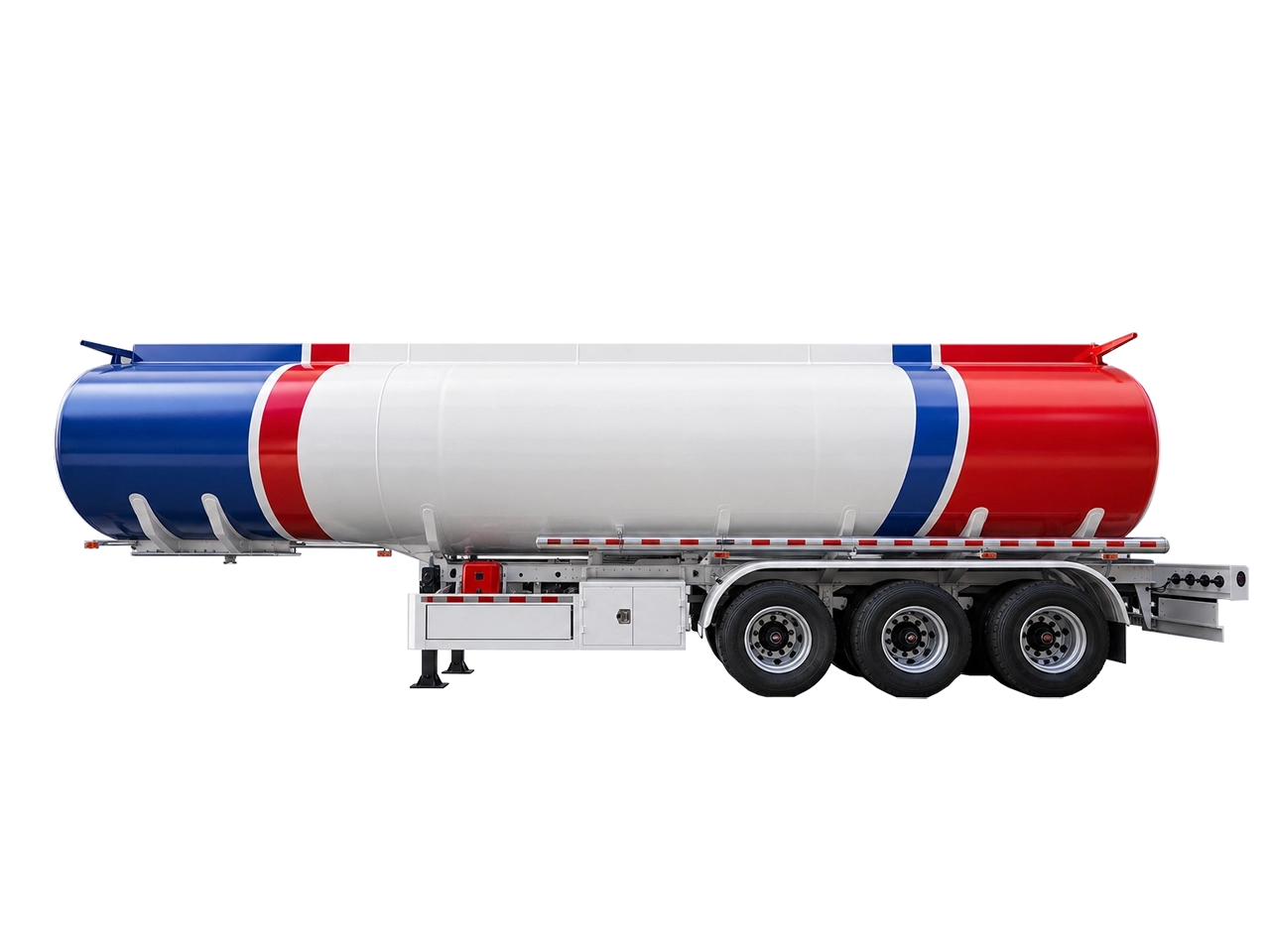
Due to pipeline limitations, the vast majority of Nigeria’s refined petroleum products (PMS petrol, AGO diesel, and DPK kerosene) are transported by road from coastal tank farms in Apapa, Ibafon, and Port Harcourt to inland filling stations. Kales builds 45,000L to 50,000L heavy-duty carbon steel fuel tanker trailers featuring 5 to 6 compartments, pneumatic bottom-loading systems, and reinforced rollover protection coamings compliant with Nigerian Midstream and Downstream Petroleum Regulatory Authority (NMDPRA) safety standards.
Recommended Semi-Trailer Configurations for Nigerian Fleets
| Trailer Category | Primary Corridors & Cargo | Axle & Suspension Specification | Chassis Steel Grade | Rated Payload Capacity |
|---|---|---|---|---|
| 40ft Container Flatbed | Apapa/Tin Can Port, Lagos–Ibadan Drayage | 3 × 13T FUWA Heavy Mechanical (10 leaves) | T700 High-Strength Steel | 50,000 kg (Structural Rating) |
| Dropside Cargo Trailer | Obajana, Ibese (Cement), Northern Grains | 3 × 13T FUWA Heavy Mechanical | T700 / Q345 Alloy | 45,000–50,000 kg |
| Multi-Axle Heavy Lowbed | Road Construction, Quarry & Oilfield Plant | 3 or 4 × 16T Severe-Duty FUWA | HG60 High-Yield Steel | 60,000–80,000 kg |
| Bulk Petroleum Tanker | Lagos Coastal Depots to Northern Capitals | 3 × 13T FUWA with ABS Braking | Q235B / Q345 High-Spec Plate | 45,000–50,000 Liters |
Structural Comparison: Cheap Commodity Trailers vs. Kales Nigeria Fleet Spec
| Engineering Element | Generic Market “Cheap” Build | Kales Nigeria Heavy Fleet Spec | Commercial Impact on Transport Operations |
|---|---|---|---|
| Main Chassis Beam | Standard Q235/Q345 Carbon Steel (345 MPa) | T700 High-Tensile Steel (700 MPa) | Zero permanent sagging under heavy 35-ton containers. |
| Suspension Leaves | 8-leaf light commercial packs (10mm thick) | 10-leaf heavy-duty packs (13mm × 90mm) | Eliminates catastrophic leaf breakage on potholed highways. |
| Tire Technology | 11.00R20 tube-type tires with flap & tube | 12R22.5 Tubeless All-Steel Radial | Runs 20°C cooler; eliminates 80% of highway heat blowouts. |
| Container Twist Locks | Generic cast iron lock housings | Heavy-duty forged steel retractable locks | Prevents twist-lock shear under severe lateral cornering sway. |
4. Import Procedures, SONCAP Certification & Lagos Port Clearance
Importing commercial semi-trailers into Nigeria requires systematic adherence to federal import protocols. Following these four steps ensures rapid customs release at Apapa Port, Tin Can Island, or Onne Port:
Step 1: Standards Organisation of Nigeria Conformity Assessment (SONCAP)
All commercial automotive equipment imported into Nigeria must comply with the mandatory SONCAP regime. The process consists of two stages:
- Product Certificate (PC): Issued following factory testing and quality auditing by accredited international inspection partners (such as Bureau Veritas, SGS, or Intertek) verifying that Kales manufacturing meets Nigerian industrial standards (NIS).
- SONCAP Certificate (SC): Issued per commercial shipment based on the validated PC, commercial invoice, and final packing list. The SC is required by commercial banks in Nigeria to activate the import declaration.
Step 2: Form M & Pre-Arrival Assessment Report (PAAR)
The Nigerian importer opens an electronic Form M on the Nigeria Single Window Trade Portal through their authorized dealer commercial bank. Once shipping documents (Bill of Lading, Final Invoice, Packing List, and SONCAP Certificate) are uploaded, the Nigeria Customs Service generates the Pre-Arrival Assessment Report (PAAR) establishing duty assessments before the vessel arrives in Lagos.
Step 3: Ocean Shipping & Nesting Economics
Kales organizes direct maritime transport from Chinese ports (Tianjin, Qingdao, Shanghai) to the ports of Apapa or Tin Can Island in Lagos:
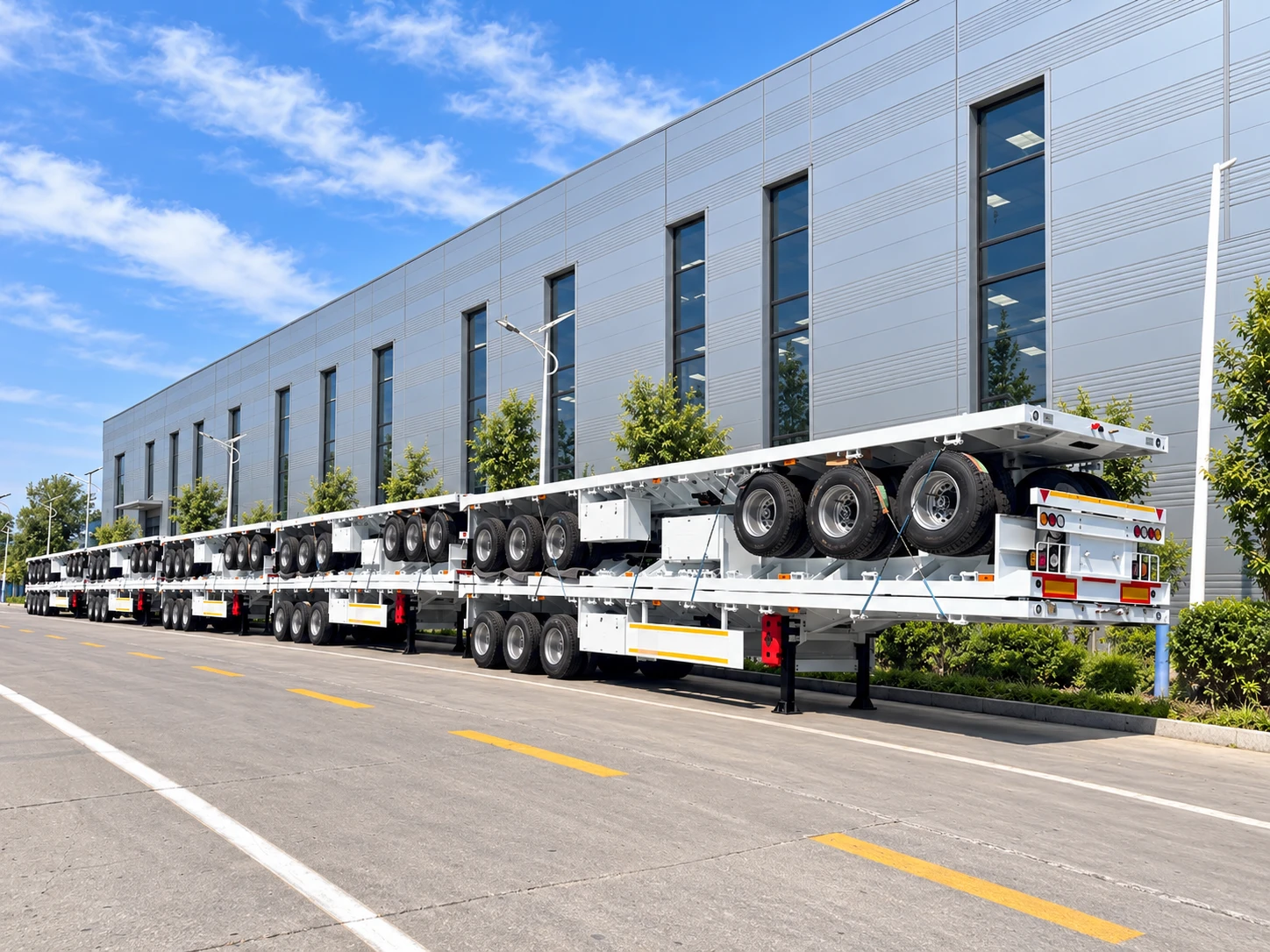
- Flatbed and Dropside Trailers: Shipped in rigid nested stacks of 3 units, reducing ocean freight expenses by up to 60% compared to shipping units individually.
- Lowbeds and Dump Trailers: Transported via direct Roll-On/Roll-Off (RORO) or dedicated breakbulk carriers with protective marine grease coatings applied to machined kingpins, landing gear screws, and brake drum surfaces.
- Sailing Time: Direct maritime transit averages 28 to 35 days to Lagos.
Step 4: Lagos Port Clearance, Terminal Handling & Customer Acceptance
Upon the carrying vessel’s arrival at the Lagos Port Complex (Apapa Wharf) or Tin Can Island Port, the terminal clearing process proceeds as follows:
- Delivery Order (DO) Issuance: The consignee’s licensed clearing agent surrenders the endorsed Bill of Lading to the shipping line (such as Maersk, CMA CGM, or COSCO) to obtain the Delivery Order.
- Customs Examination & Tariff Assessment: Under the Nigeria Customs Service (NCS) NICIS II automated system, semi-trailers classified under HS Code 8716.39 undergo physical inspection or fast-track container terminal verification against the Pre-Arrival Assessment Report (PAAR) to confirm chassis numbers and technical specifications.
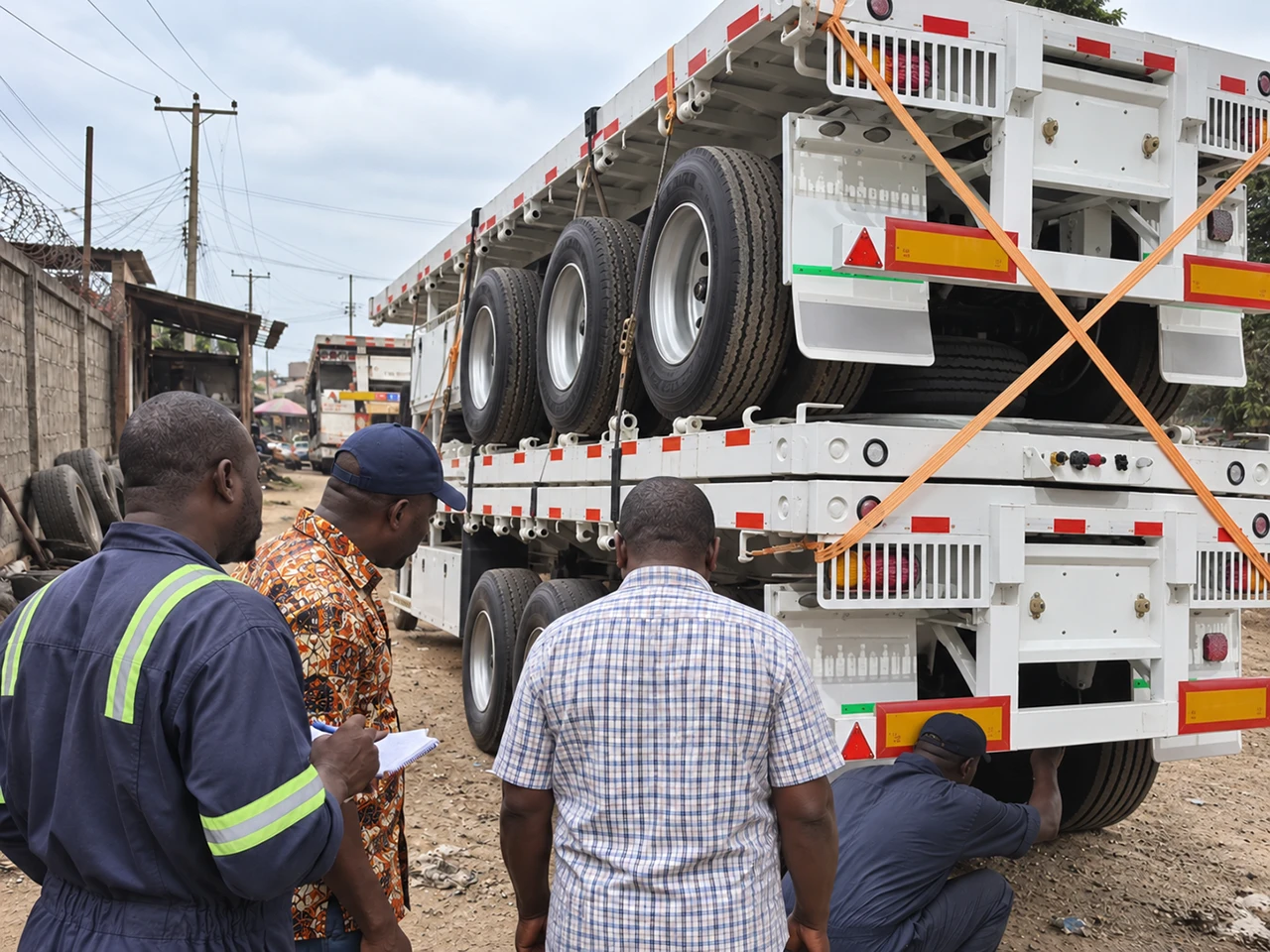
- Terminal Destacking & Road Delivery: Breakbulk and nested 3-in-1 trailer bundles are safely un-nested within port terminal staging yards using heavy shore cranes. After completing final terminal handling charge (THC) settlements and gate release protocols, the units are coupled to tractor units for direct transit along the Lagos–Ibadan logistics corridor.
Engineering Checklist for Nigerian Semi-Trailer Buyers
Before issuing letters of credit or placing deposits for imported trailers, verify these critical items:
- Verify Beam Steel Certification: Request mill test certificates confirming the chassis main beams are fabricated from genuine T700 or HG60 high-tensile alloy steel.
- Check Axle Brand Authenticity: Ensure axles are genuine FUWA or BPW with verifiable manufacturer serial plates; counterfeit axles frequently experience spindle shearing under heavy loading.
- Mandate Full WABCO Dual-Line Air Brakes: Verify dual 45-liter air tanks and 30/30 double spring brake chambers on all three axles for fail-safe emergency stopping.
- Confirm Valid SONCAP Documentation: Never ship commercial vehicles to Nigeria without an authentic SONCAP Certificate; failure to comply leads to customs detention and punitive demurrage.
Kales Proven Heavy Transport Deliveries in Nigeria
Discover how leading Nigerian logistics operators scale their fleets with Kales:
Frequently Asked Questions: Buying Semi-Trailers in Nigeria
- What is the legal axle load limit for semi-trailers in Nigeria under ECOWAS rules?
- Under ECOWAS Supplementary Act SP.17/02/12, the legal limit for a tridem (3-axle) trailer bogie is 24 metric tons. Tandem drive axles on a 6×4 tractor are capped at 18 metric tons, and the single steering axle is capped at 10 metric tons. Total Gross Combination Weight is generally limited between 50 and 55 metric tons.
- Why is a SONCAP Certificate mandatory for importing semi-trailers into Nigeria?
- The Standards Organisation of Nigeria (SON) enforces SONCAP certification to ensure that imported automotive equipment meets strict safety and quality benchmarks. Without a valid SONCAP Certificate, commercial banks cannot finalize Form M documentation, and Nigeria Customs will block port clearance.
- How long does shipping take from China to Lagos Port?
- Ocean transit time from major Chinese export ports (Tianjin, Qingdao, Shanghai) to Apapa or Tin Can Island Port in Lagos typically takes between 28 and 35 days. Total delivery time including manufacturing, SONCAP inspection, and shipping averages 7 to 9 weeks.
- Why are tubeless 12R22.5 tires superior to 11.00R20 tires for Nigerian operations?
- Tubeless 12R22.5 radial tires operate without friction-generating inner tubes and flaps, running significantly cooler at sustained highway speeds on hot asphalt roads. This drastically reduces highway tire blowouts while improving fuel efficiency and puncture resistance.
- Can Kales flatbed trailers carry both 40ft and 20ft shipping containers?
- Yes. Kales 40ft container flatbeds are equipped with 12 forged retractable twist locks, allowing fleets to secure 1 × 40ft container, 2 × 20ft containers, or 1 × 20ft container loaded centrally over the suspension bogie for balanced axle weight distribution.
Conclusion: Investing in Long-Term Fleet Reliability
Success in Nigeria’s competitive logistics industry demands trailers engineered specifically for local infrastructure realities. By investing in Kales heavy-duty semi-trailers built with high-tensile T700 steel, genuine FUWA axles, and complete SONCAP compliance, Nigerian fleet operators eliminate structural failures, safeguard driver safety, and maximize long-term operating profitability.
Request a Factory-Direct Nigeria Fleet Quotation
Are you expanding your container drayage, manufacturing distribution, or heavy machinery transport fleet in Nigeria? Contact Kales vehicle export engineers to discuss custom specifications, nested shipping options, and CIF Lagos delivery schedules.
Contact Kales West Africa Export Division | WhatsApp / Mobile: +86 131 5638 8843