Container Shipping
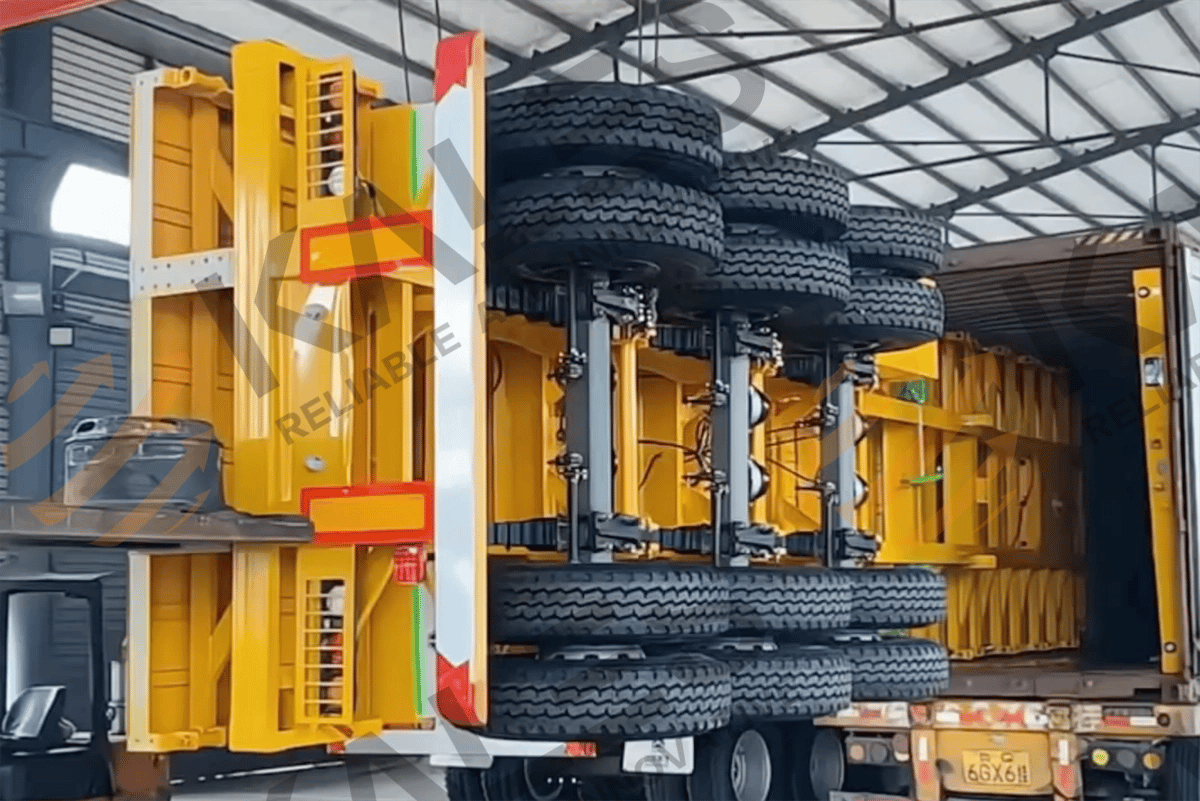
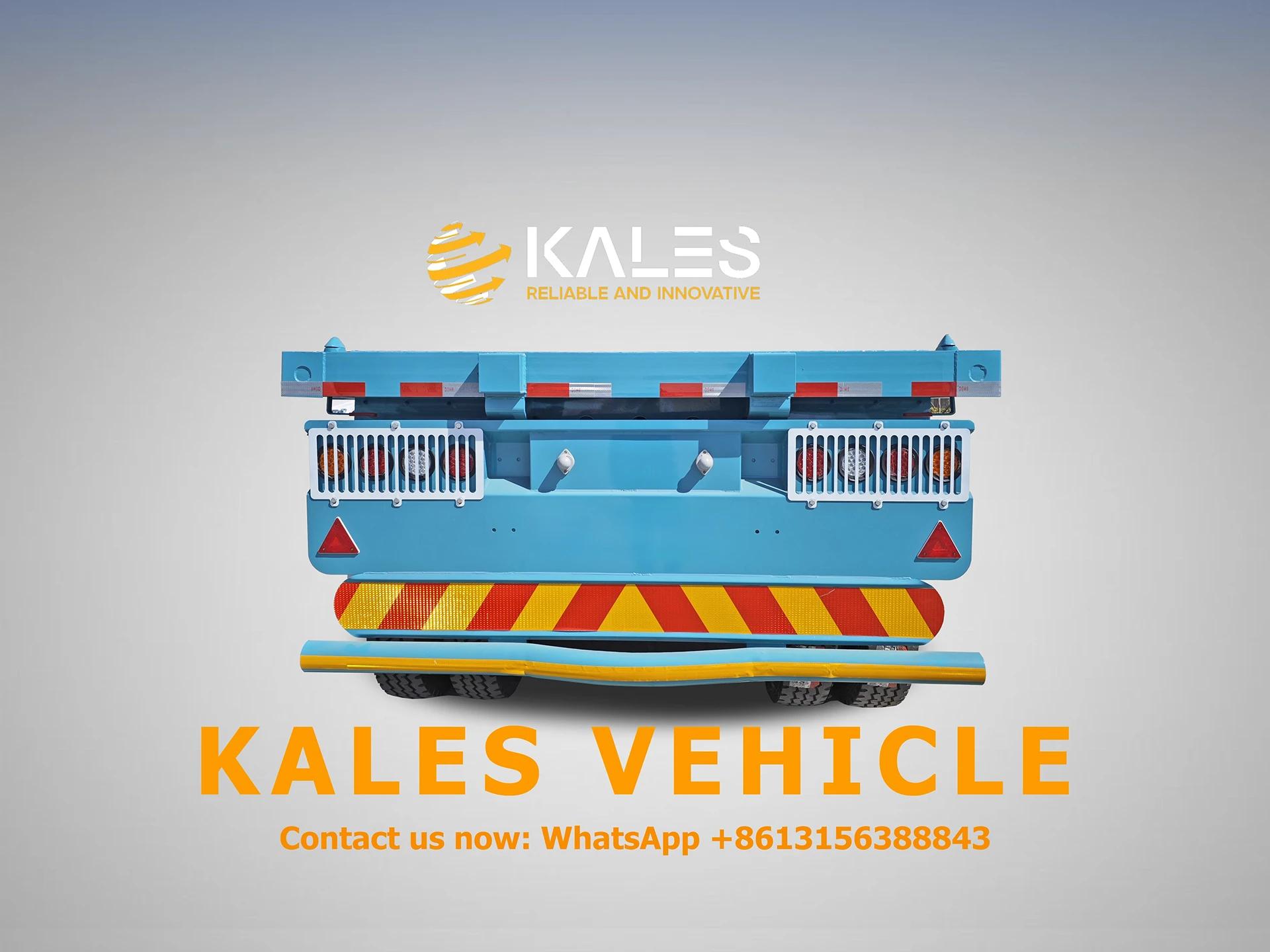
Container loading of Kales semi trailer for export, ensuring secure fastening and space optimization.





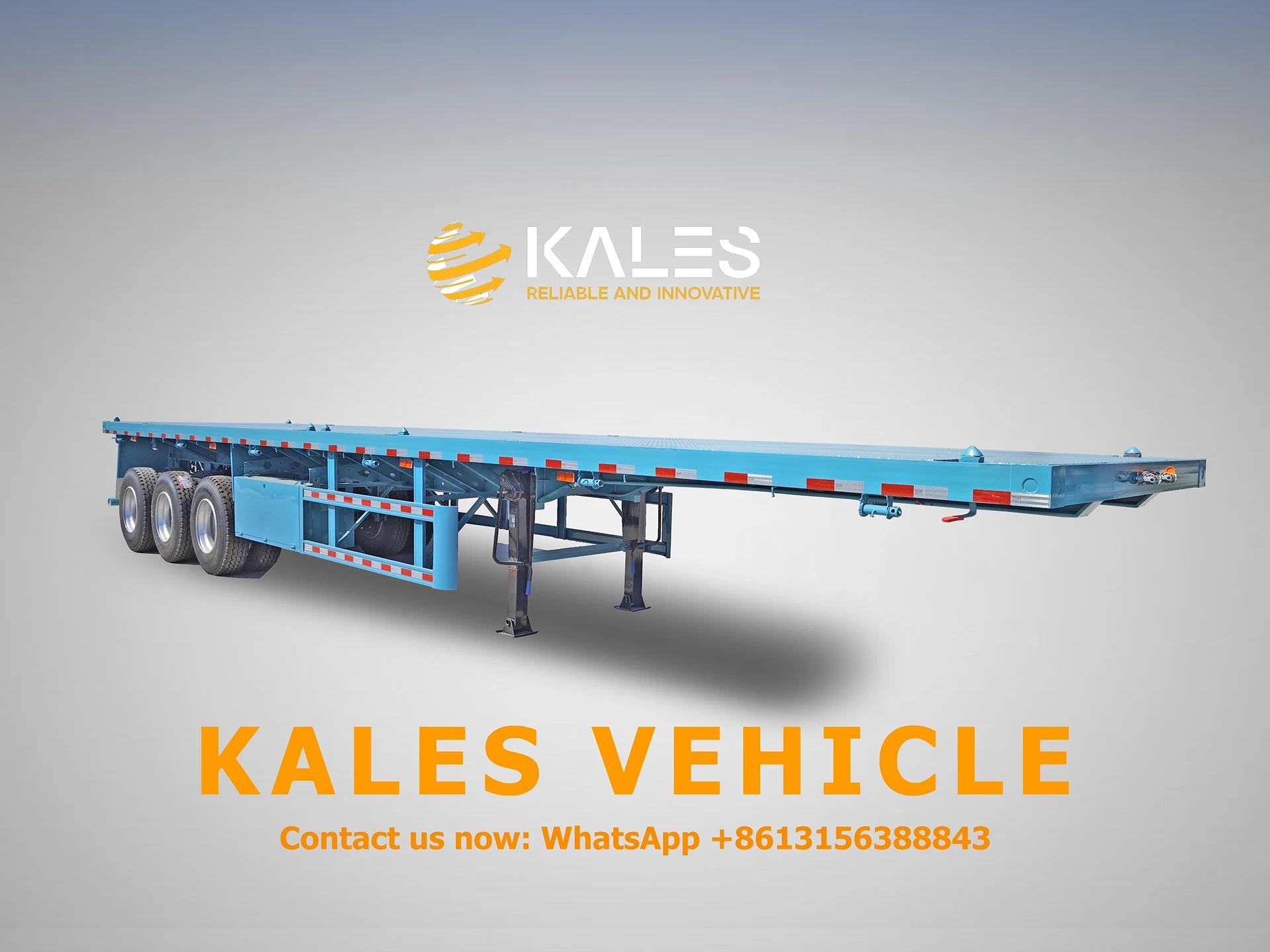
Trailer Type
flatbed
Axles
3 axles
Payload
40
Road Matching
leaf spring
Quick answer: choose this 3-axle 40ft flatbed trailer for Africa when your route needs a durable, easier-service platform for mixed freight rather than a broader 45ft export trailer. It is the right fit for container pickup, steel and timber transport, bagged cargo, machinery support, and regional open-deck hauling where practical maintenance, chassis toughness, and everyday dispatch flexibility matter more than extra deck length.
✓ Direct technical consultation from factory engineers · Zero trader markup
Factory Direct Export
Zero trader markup
Heavy-Duty Certified
ISO9001 / CCC / CIQ
Global Sea Freight
Container / Ro-Ro / Bulk
Custom Engineering
Tailored configurations
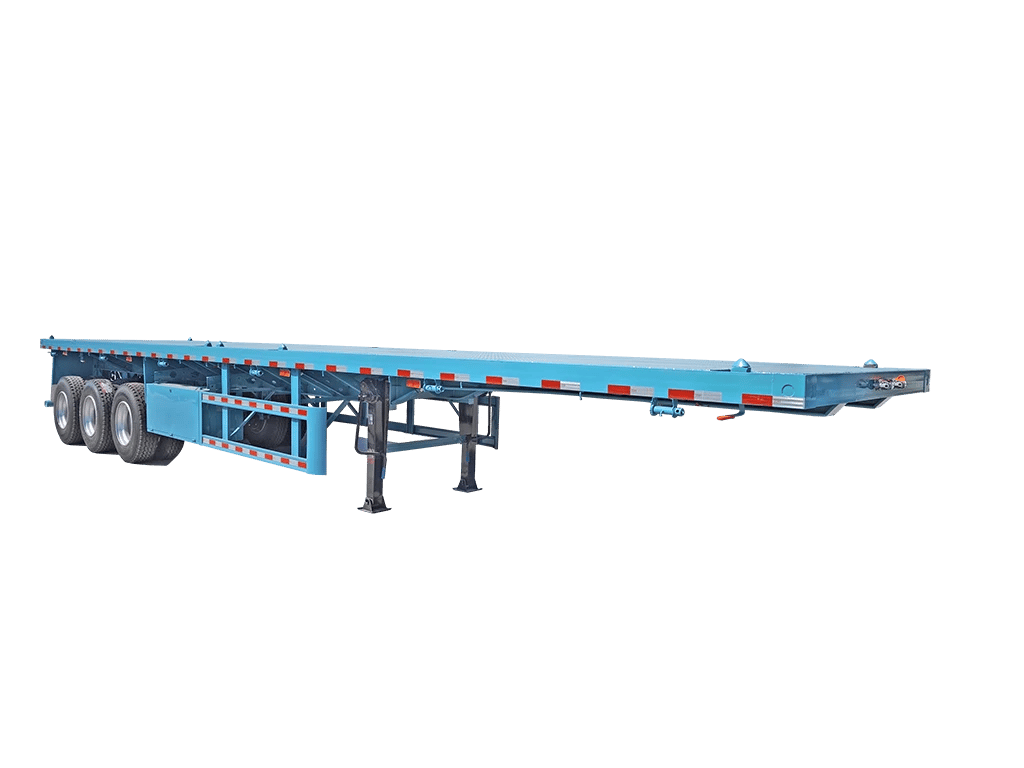
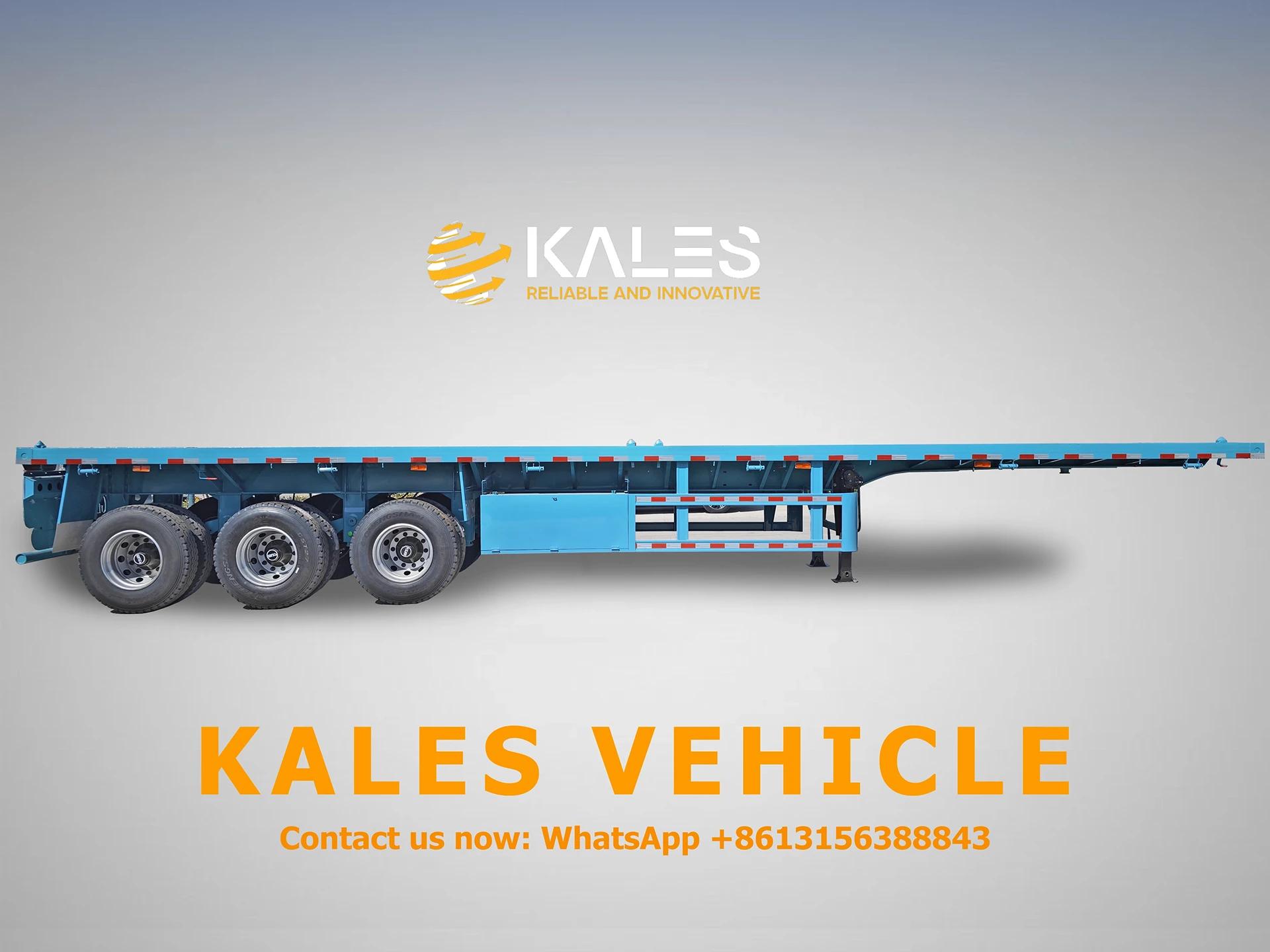
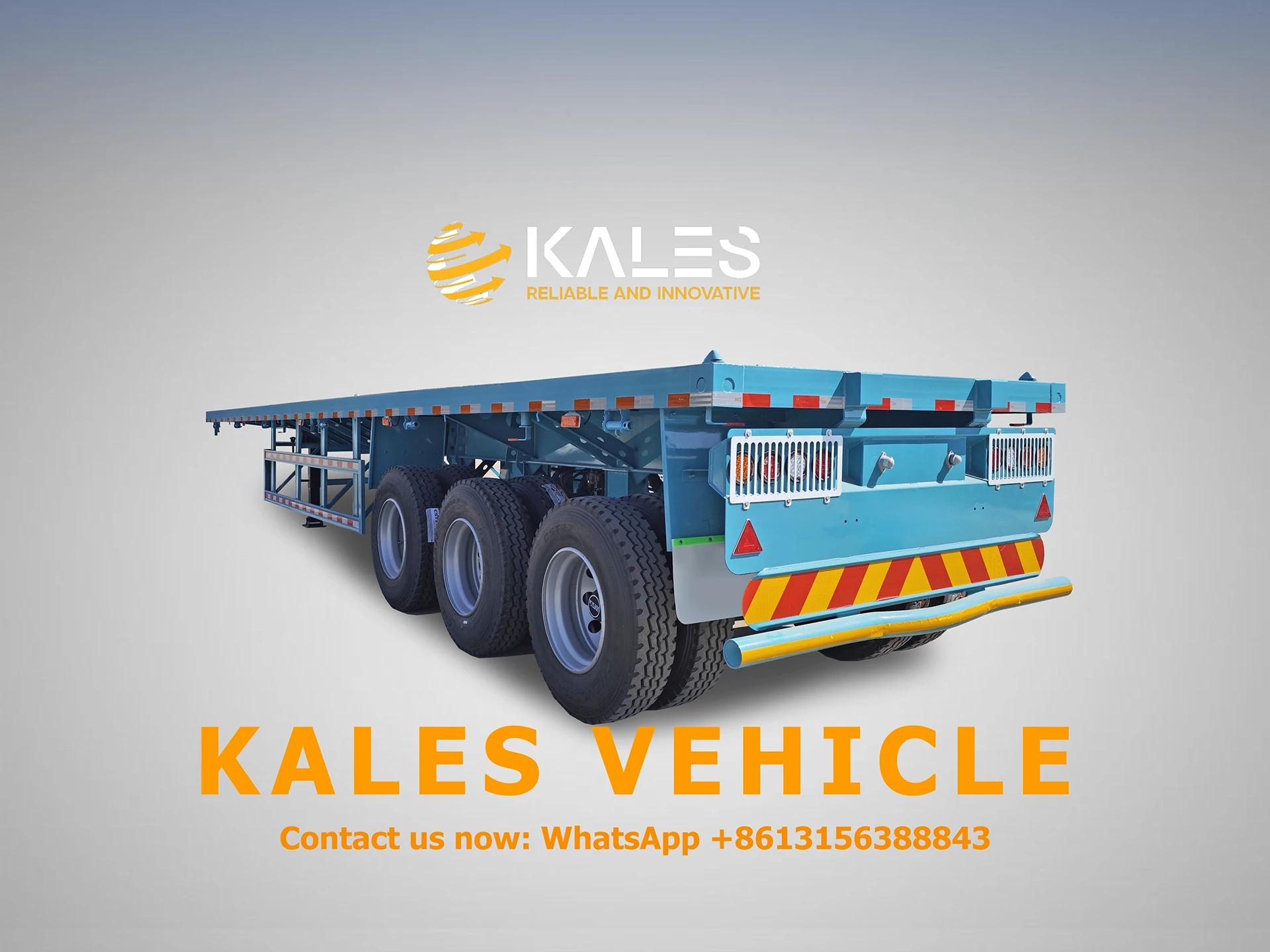
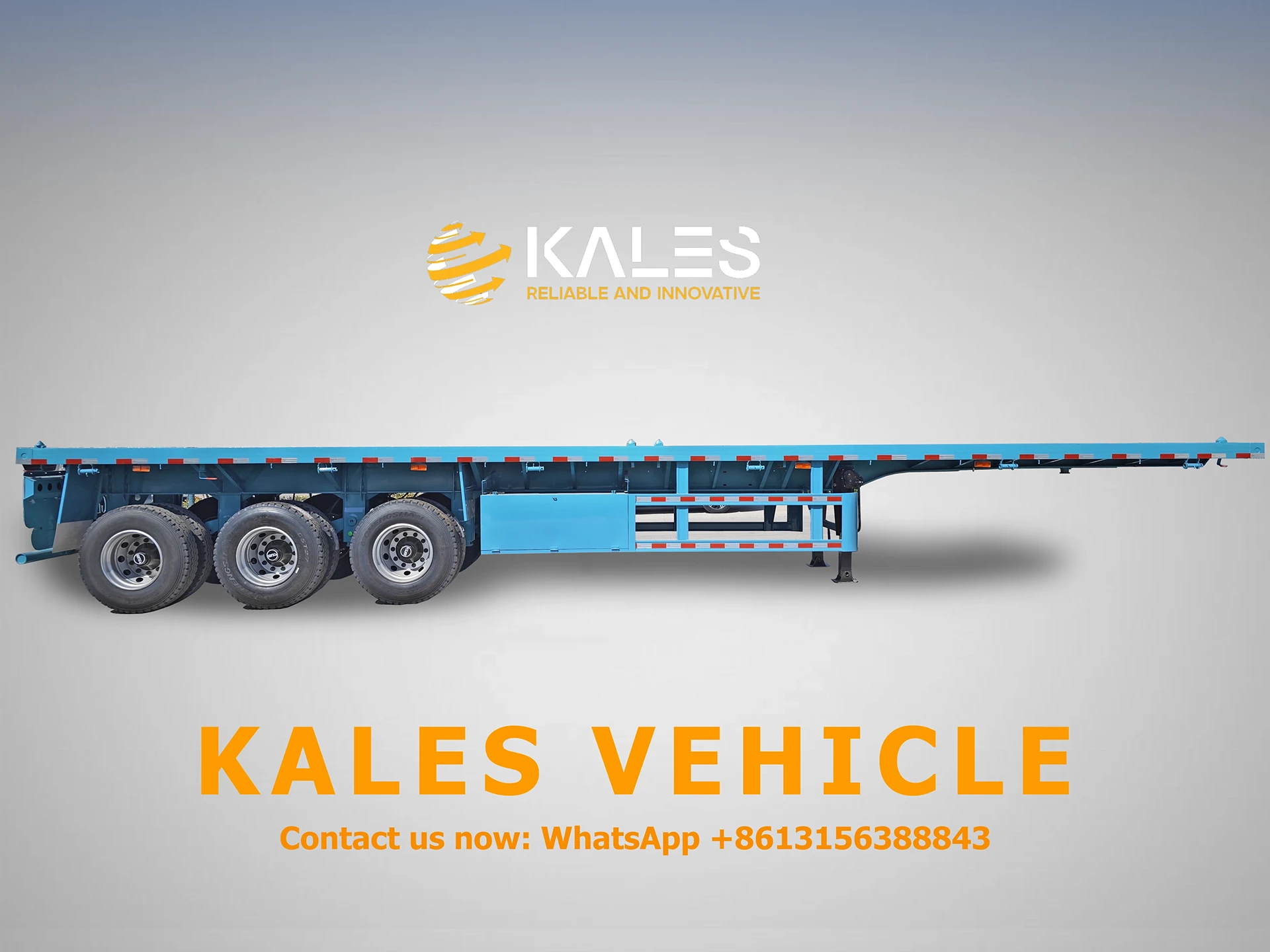
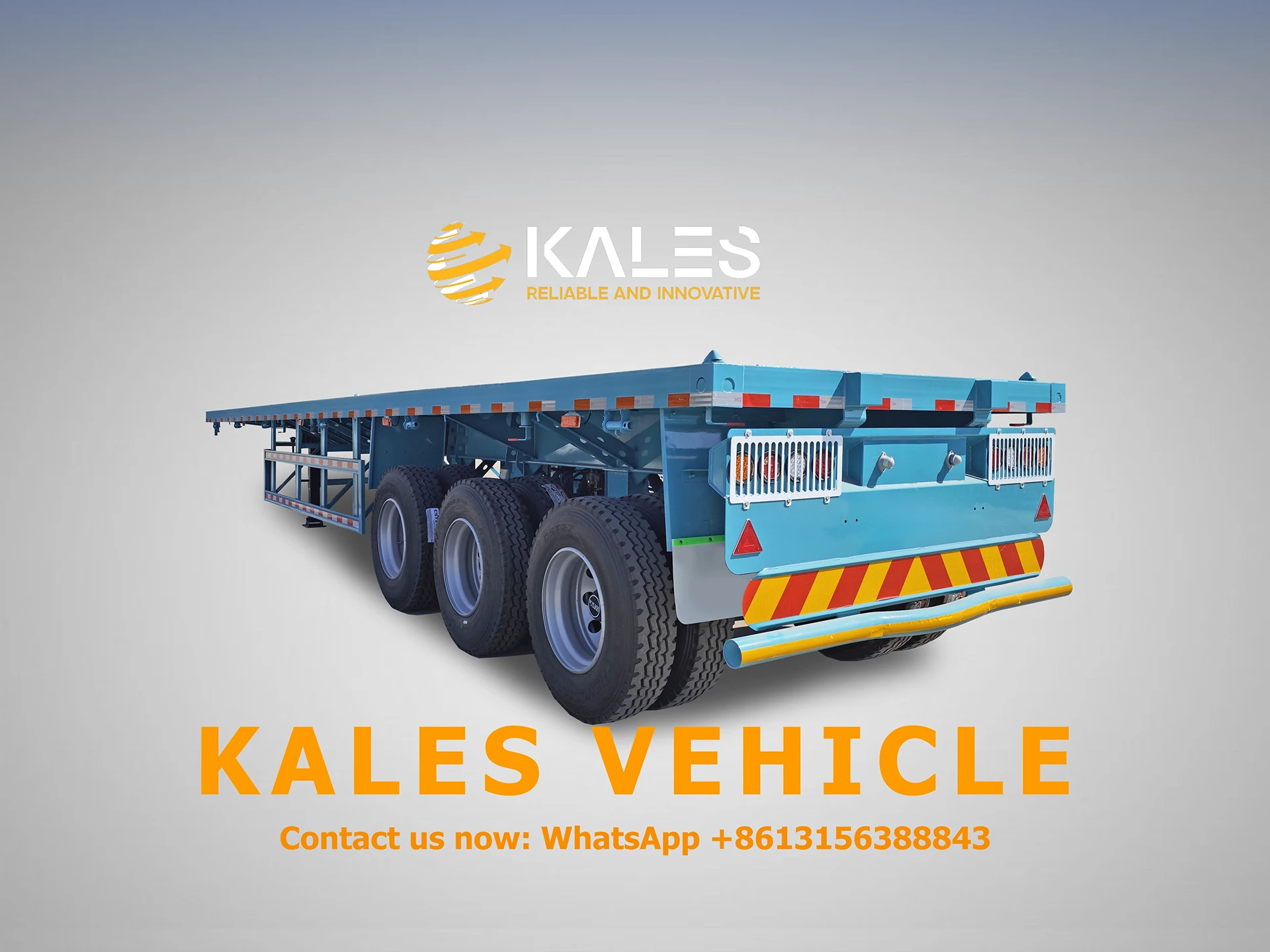
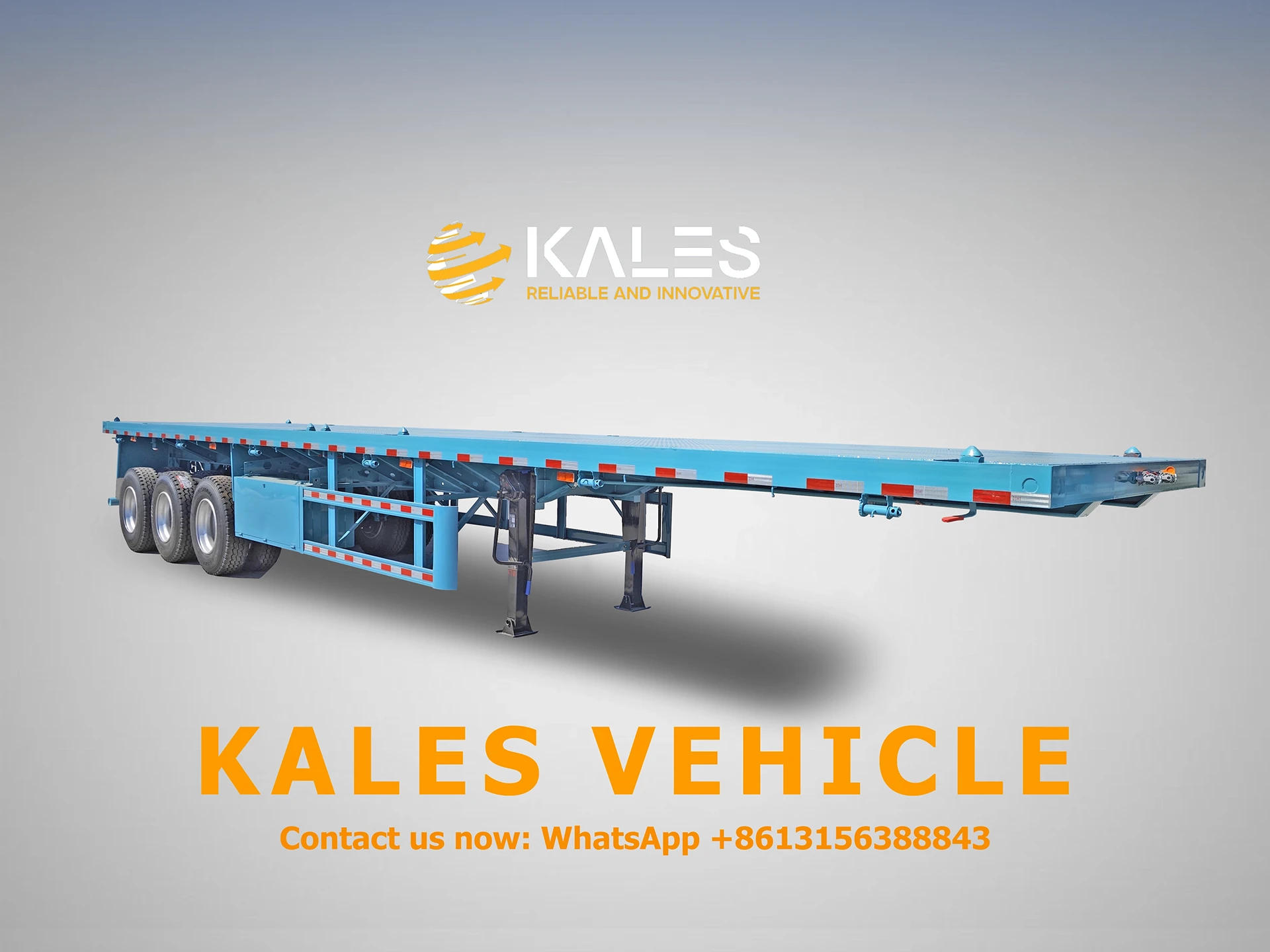
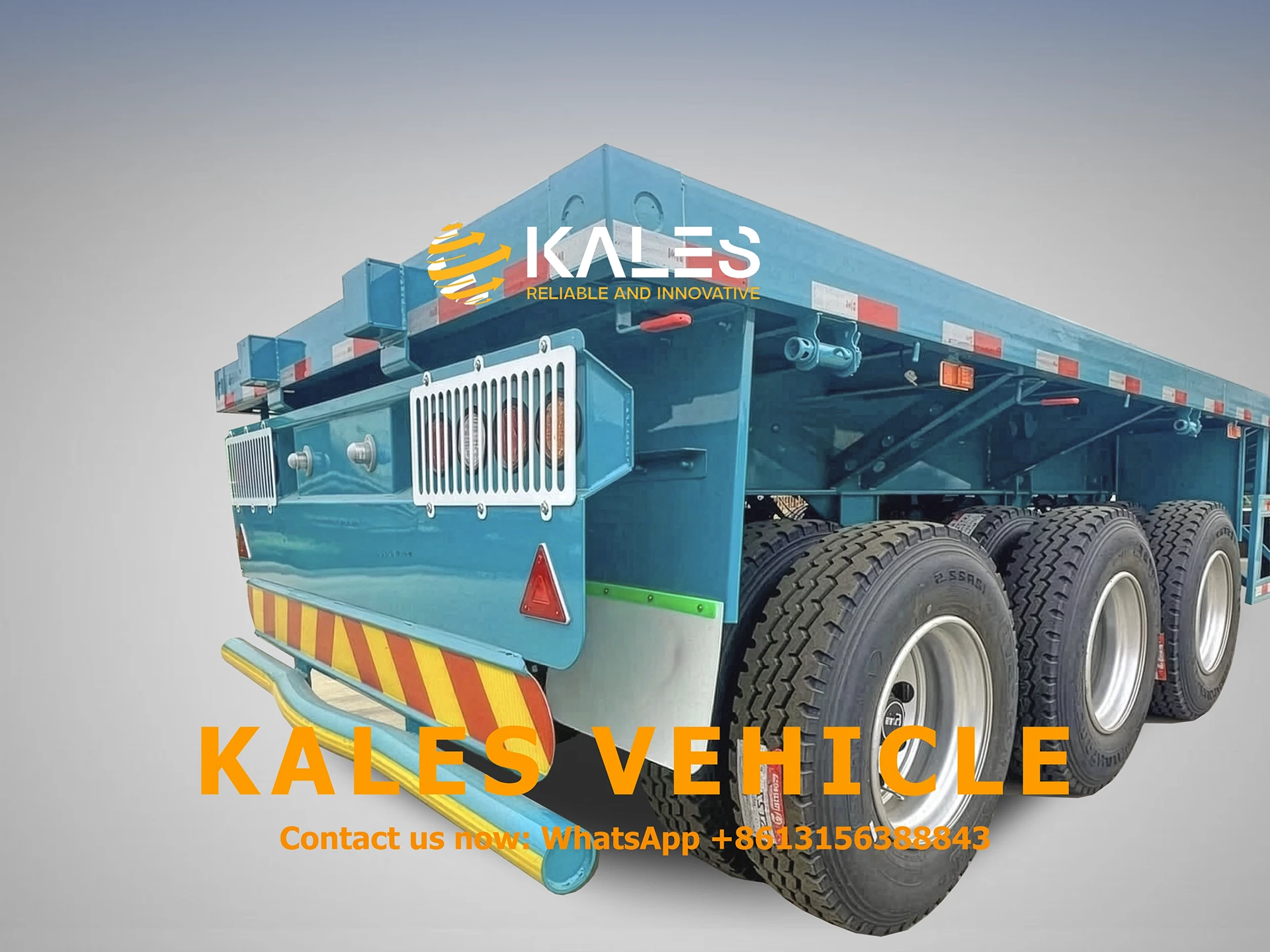
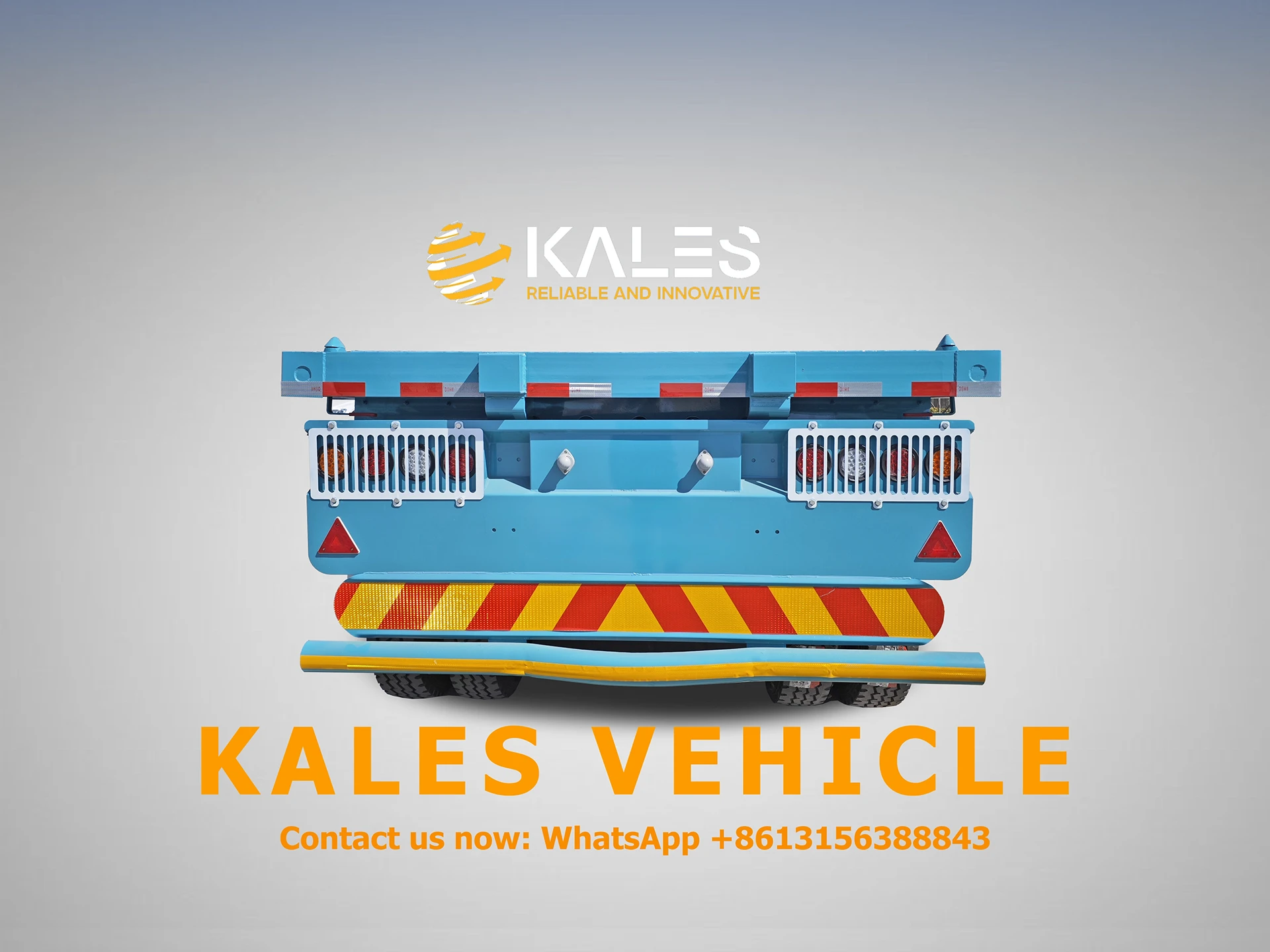
3-axle 40ft flatbed trailer for Africa: this Kales regional workhorse is built for fleets that need one practical platform for containers, steel, timber, bagged cargo, pallets, pipes, and machinery without pushing into a longer export-oriented 45ft configuration. It is framed around daily uptime, simpler maintenance, and durable use on mixed road conditions where repair logic matters as much as payload.
Engineering guidance from the Kales Vehicle product team for African transport buyers comparing a regional 40ft flatbed with longer export flatbeds, container chassis, and side-structure trailer alternatives.
| Product type | 3-axle 40ft flatbed semi trailer / regional platform trailer |
|---|---|
| Primary freight role | Mixed open-deck freight plus standard 40ft container-compatible platform work |
| Reference dimensions | About 12,500 mm x 2,500 mm x 1,550 mm |
| Payload class | 40T to 50T practical regional workhorse range, with heavier matching possible by configuration |
| Main beam | High-strength steel beam with reinforced gooseneck and heavy cross-member support |
| Deck floor | Anti-slip steel plate for mixed freight loading and forklift handling |
| Container handling | Open-deck platform suitable for container pickup plus general cargo work |
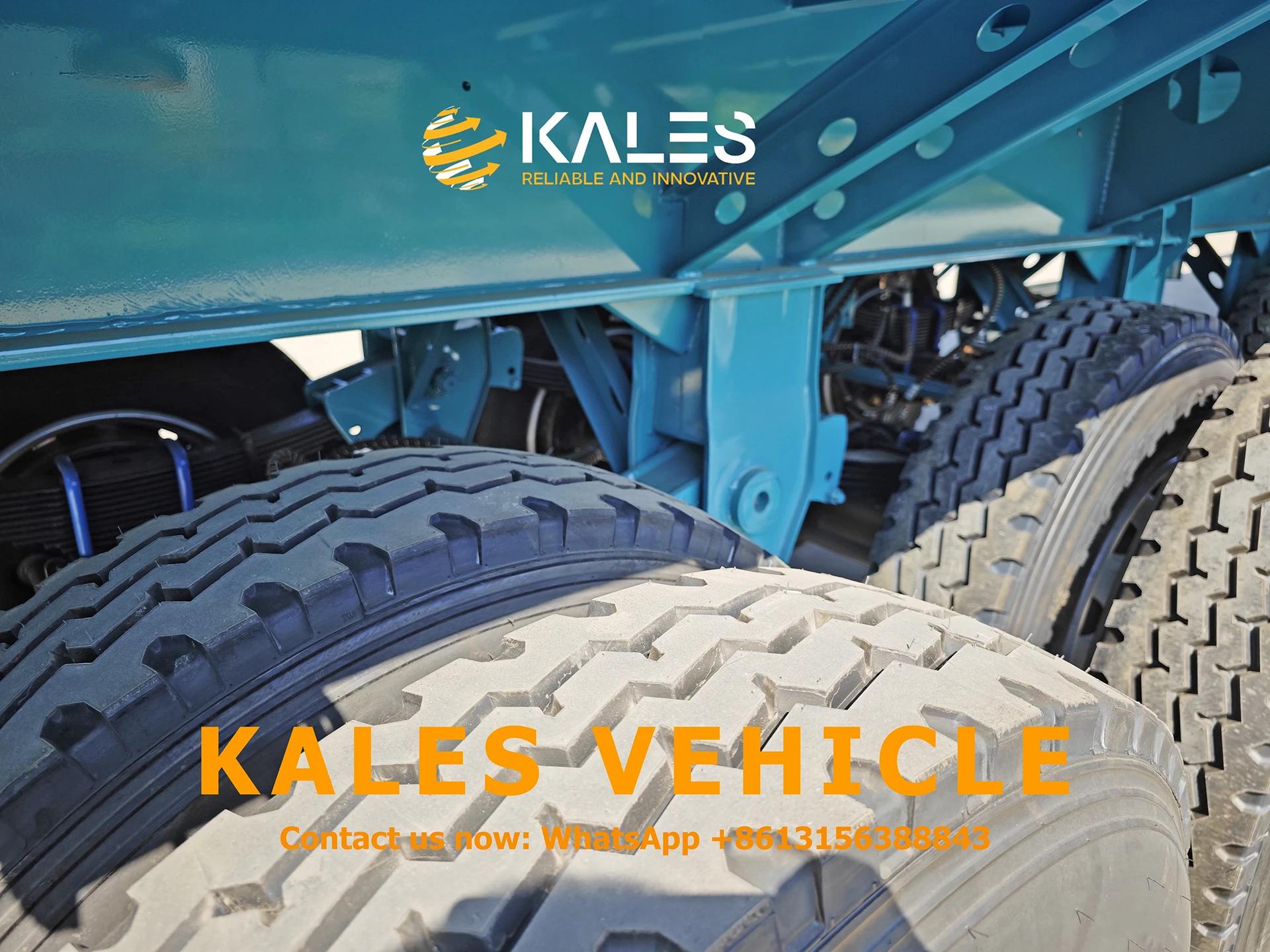
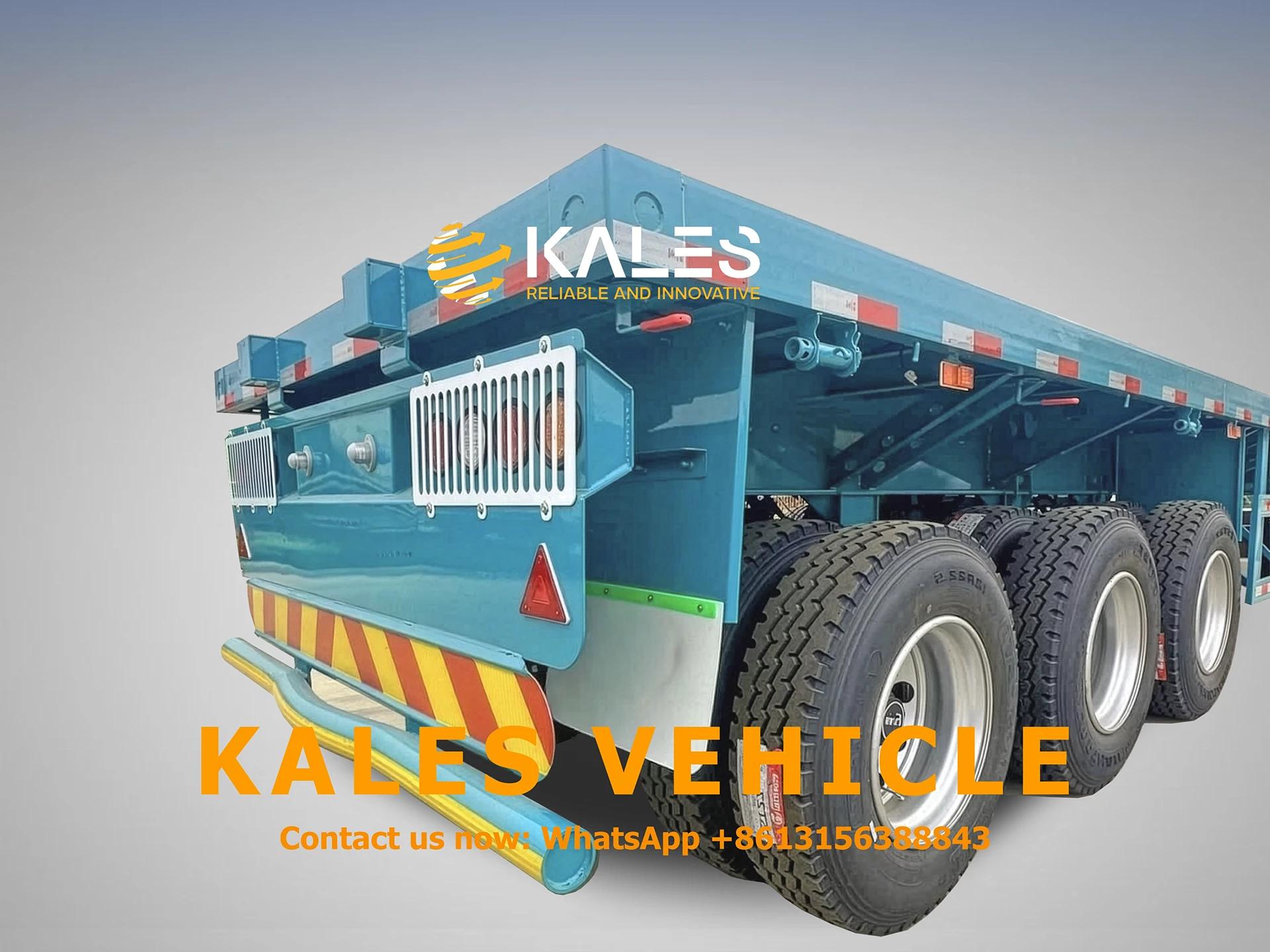
| Axles | 3 axles, typically 13T or 16T; FUWA, BPW, or KALES matching |
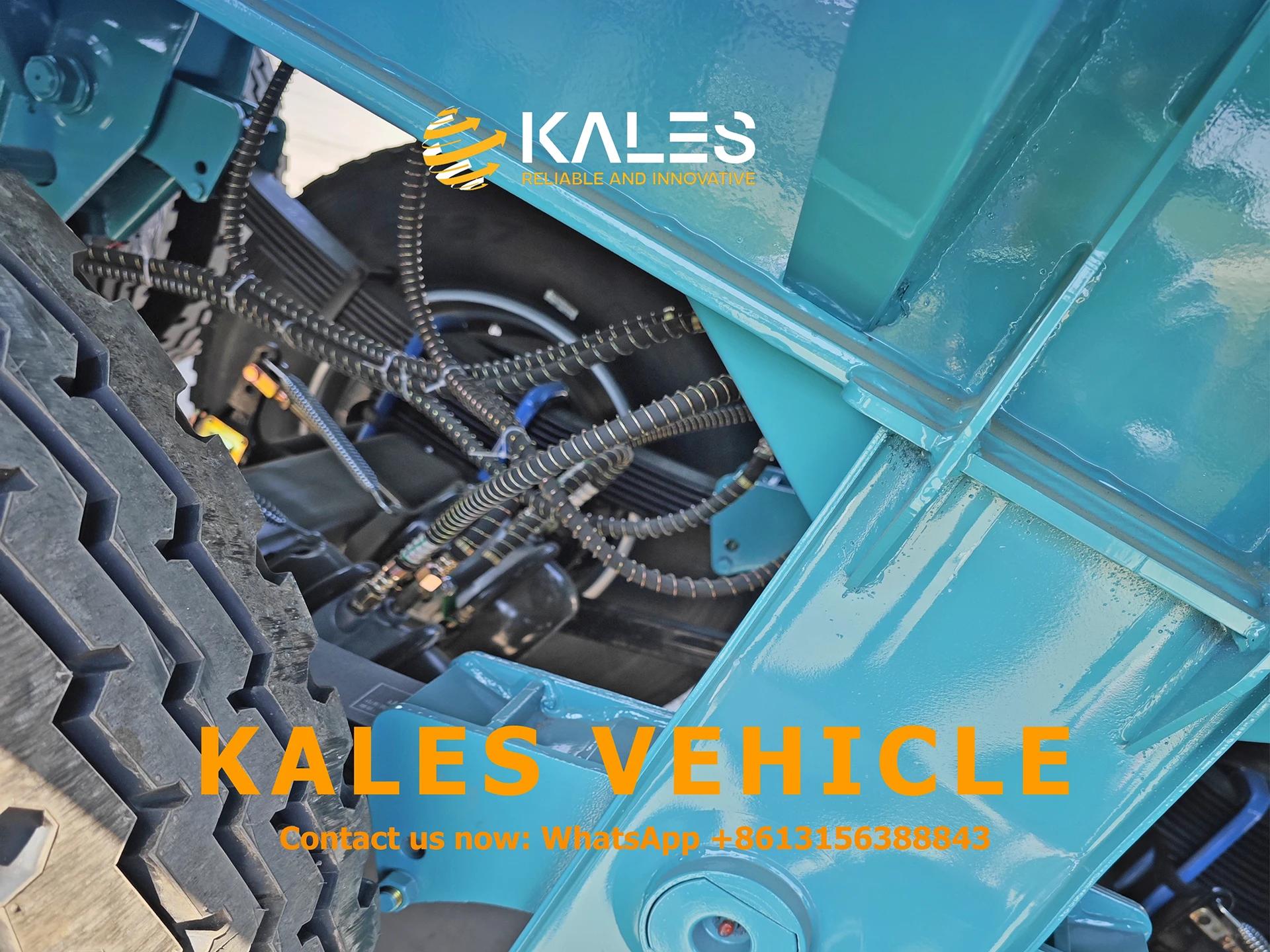
| Suspension | Heavy-duty mechanical leaf spring suspension as the default regional setup |
| Brake system | Dual-circuit air brake system with WABCO valve logic |
| Landing gear | JOST or KALES 28T heavy-duty landing gear |
| Custom quotation | Contact KALES for a tailored quotation based on the required configuration, order quantity, and destination. |
This page fits fleets that need a practical regional 40ft platform for Africa rather than a longer export-oriented flatbed. It works well for container pickup, construction-supply transport, bagged cargo, steel and timber delivery, machinery support, and inland distribution where the route network mixes ports, highways, secondary roads, depots, and rougher operating surfaces. The trailer is especially valuable when serviceability and cargo range matter more than extending the deck to 45ft.
This page is intentionally narrower than the 45ft export flatbed. It owns the regional 40ft workhorse intent: practical mixed-freight uptime, easier service logic, and durable daily use for African route conditions. The 45ft page is for broader export framing, longer deck utility, and 40/45ft container comparison. Here, the focus stays on operational durability and everyday usability.
| Buyer comparison point | This regional 40ft page | 45ft export flatbed page |
|---|---|---|
| Primary intent | Regional 40ft mixed-freight workhorse | Broader 40/45ft export flatbed platform |
| Route frame | Africa ports, inland freight, secondary roads, and construction logistics | Port, highway, export, and cross-border logistics |
| Buyer concern | Repair simplicity, durability, and practical cargo range | Compliance, longer deck utility, and broader container flexibility |
| Step-up path | 45ft export flatbed when longer deck and broader framing are truly needed | Regional 40ft page when simpler mixed-freight uptime matters more |
The core value of this page is not specialization. It is useful durability across a wide cargo mix. Many fleets in Africa do not run one perfect highway mission all week. They move a container today, steel tomorrow, timber next week, and construction cargo after that. A regional 40ft flatbed works because it stays commercially useful across those changes without forcing the fleet into a longer, less practical platform.
A 40ft flatbed earns its value when the beam and deck stay straight under concentrated freight. Kales positions this trailer around a reinforced main beam, strong gooseneck support, and dense cross-members so the platform can handle steel, bagged materials, pallets, and machinery support without quickly sagging into maintenance trouble.
Mechanical suspension remains the default because this page is written for real regional operating conditions. That means easier repair, better tolerance of rough road abuse, and more workshop familiarity than a more system-heavy running-gear program. Where the business cares most about uptime and field service, that logic remains commercially sound.
KALES confirms the quotation after reviewing the required specification, quantity, destination, and delivery terms. Send the operating requirements for an accurate proposal.
Buyers searching for a 3-axle 40ft flatbed trailer for Africa should compare this page against route reality. If the freight program is mixed, the roads are varied, and maintenance simplicity matters, this regional 40ft platform usually makes more sense than stretching into a longer export-oriented 45ft trailer. The right purchase decision comes from cargo mix and service conditions, not from headline length alone.
Kales can match deck plate thickness, axle brand, suspension, landing gear, and structural reinforcement to the actual route and load pattern. That keeps the trailer practical for field use instead of forcing a more international specification that the operation does not truly need.




Share your target market, usage scenario, and preferred configuration.
Receive our model recommendation, specification review, and factory quotation.
Confirm production, inspection, shipment route, and export documents.
Stay supported after delivery with spare parts and remote assistance.
At Kales Vehicle, we keep freight planning practical so your trailer or truck reaches the destination with the right balance of protection, speed, and cost.
Container Shipping, Ro-Ro (Roll-on/Roll-off), and Bulk Cargo each serve different export needs, and we choose the safest route, loading method, and packing approach for the order.
Container loading of Kales semi trailer for export, ensuring secure fastening and space optimization.
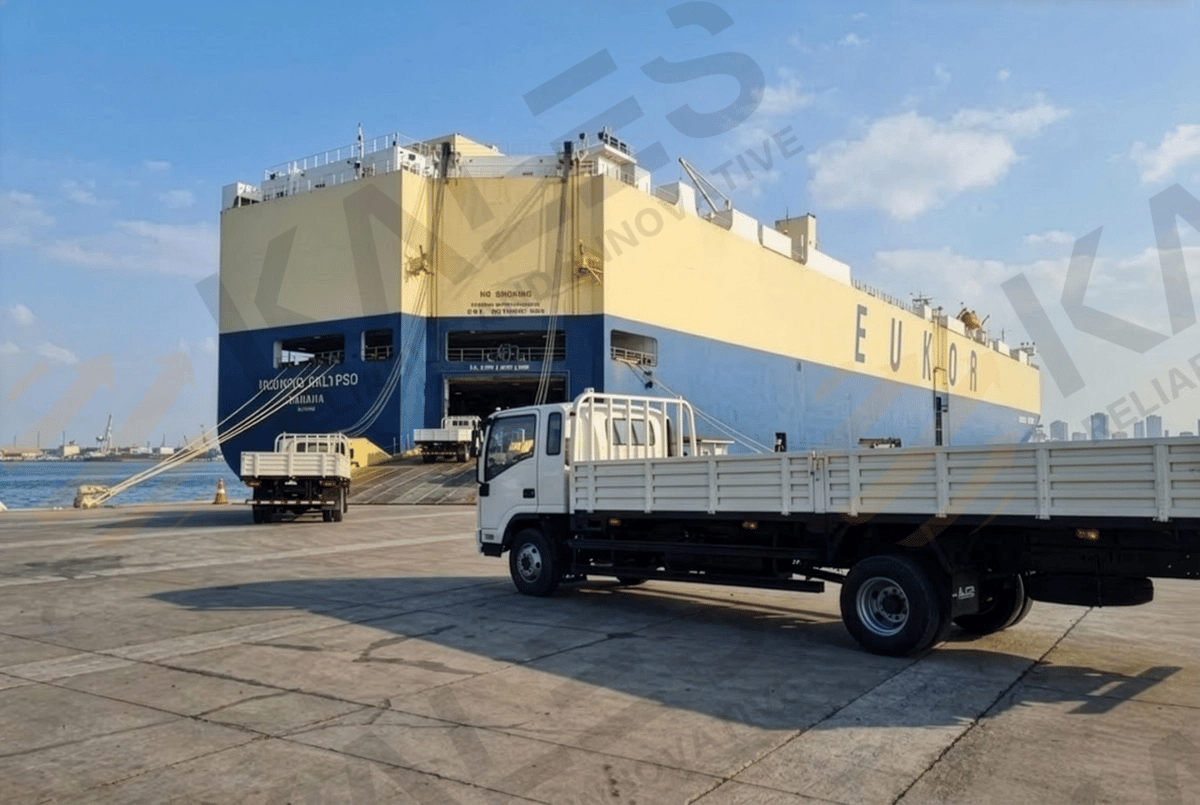
Ro-Ro shipping method for Kales commercial trailers, driving directly onto the vessel for maximum safety.
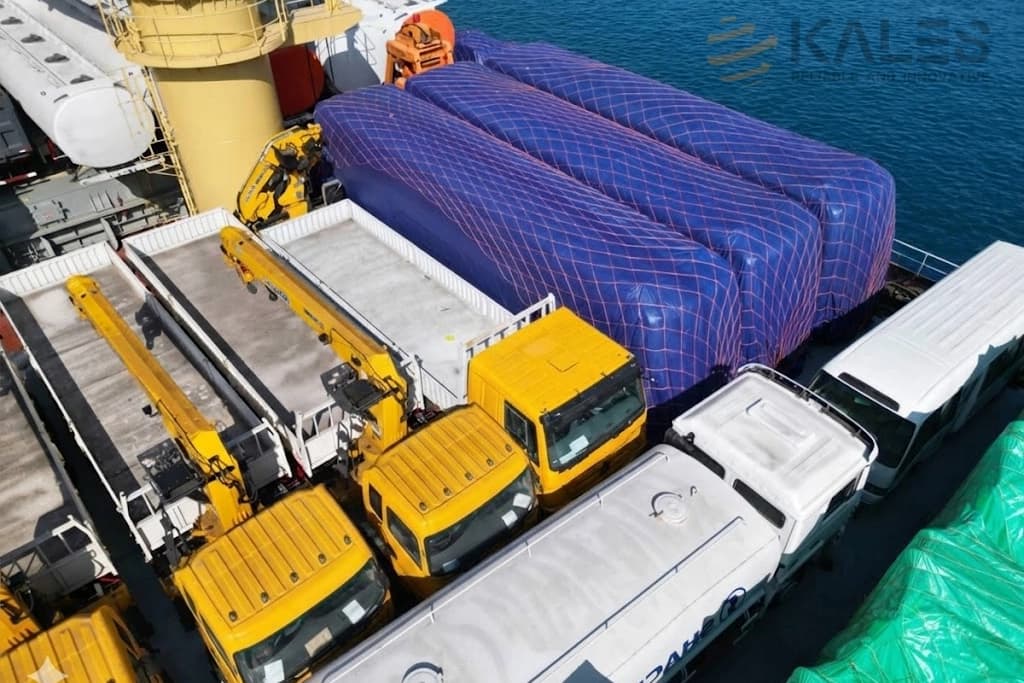
Bulk cargo transport of stacked Kales semi trailers with wax spraying protection against seawater corrosion.
If you are comparing a 3-axle 40ft flatbed trailer for Africa for mixed freight, container pickup, construction cargo, or inland open-deck transport, send your route country, cargo mix, target payload, and road-condition profile. Kales can then match the beam, deck, axle package, and reinforcement level to the real regional duty.
Factory engineering notes, maintenance protocols, and buyer checklists related to this equipment.
Mobilizing oversized industrial machinery—including hydraulic excavators, crawler bulldozers, rotary drilling rigs, crus…
In African open-pit mining, quarrying, and bulk mineral haulage—from the gold corridors of Geita and Kahama in Tanzania…
Nigeria represents the largest commercial vehicle market in Sub-Saharan Africa, serving as the industrial and trade loco…
3-Axle 40ft Flatbed Trailer for Africa
Factory Direct · Free Quote