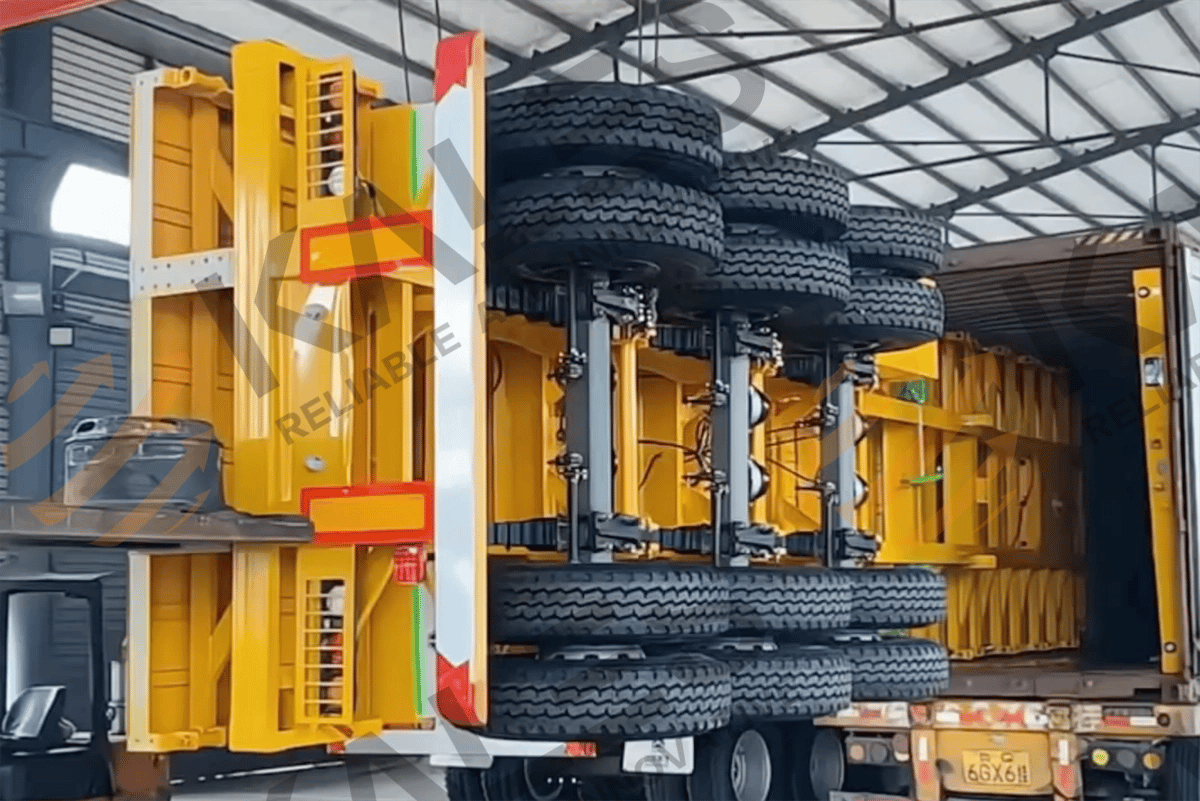
Container Shipping
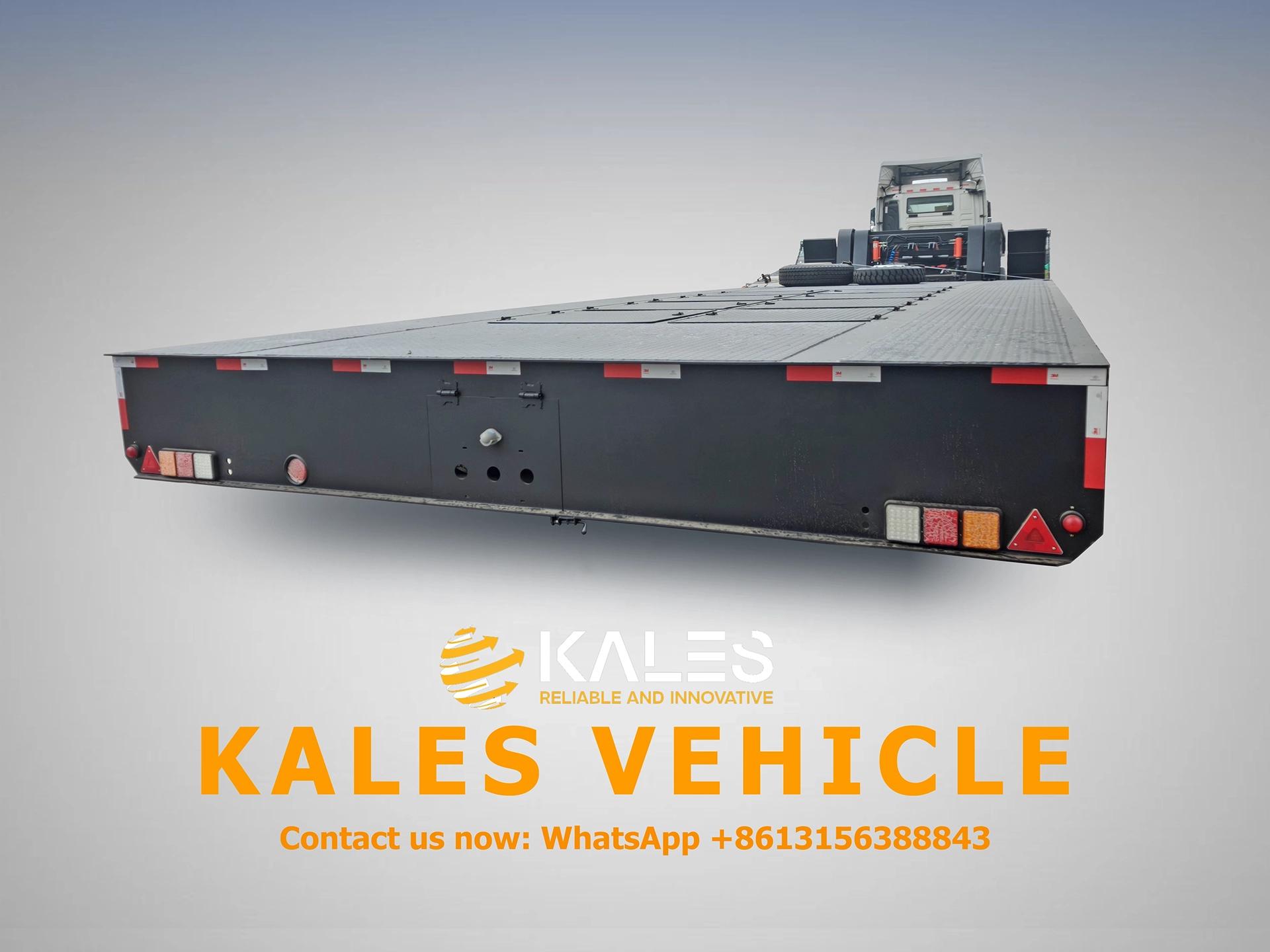
Container loading of Kales semi trailer for export, ensuring secure fastening and space optimization.



Trailer Type
lowbed
Axles
Multi-axle options
Payload
150
Road Matching
leaf spring
Contact KALES for a tailored quotation based on the required configuration, order quantity, and destination.
✓ Direct technical consultation from factory engineers · Zero trader markup
Factory Direct Export
Zero trader markup
Heavy-Duty Certified
ISO9001 / CCC / CIQ
Global Sea Freight
Container / Ro-Ro / Bulk
Custom Engineering
Tailored configurations
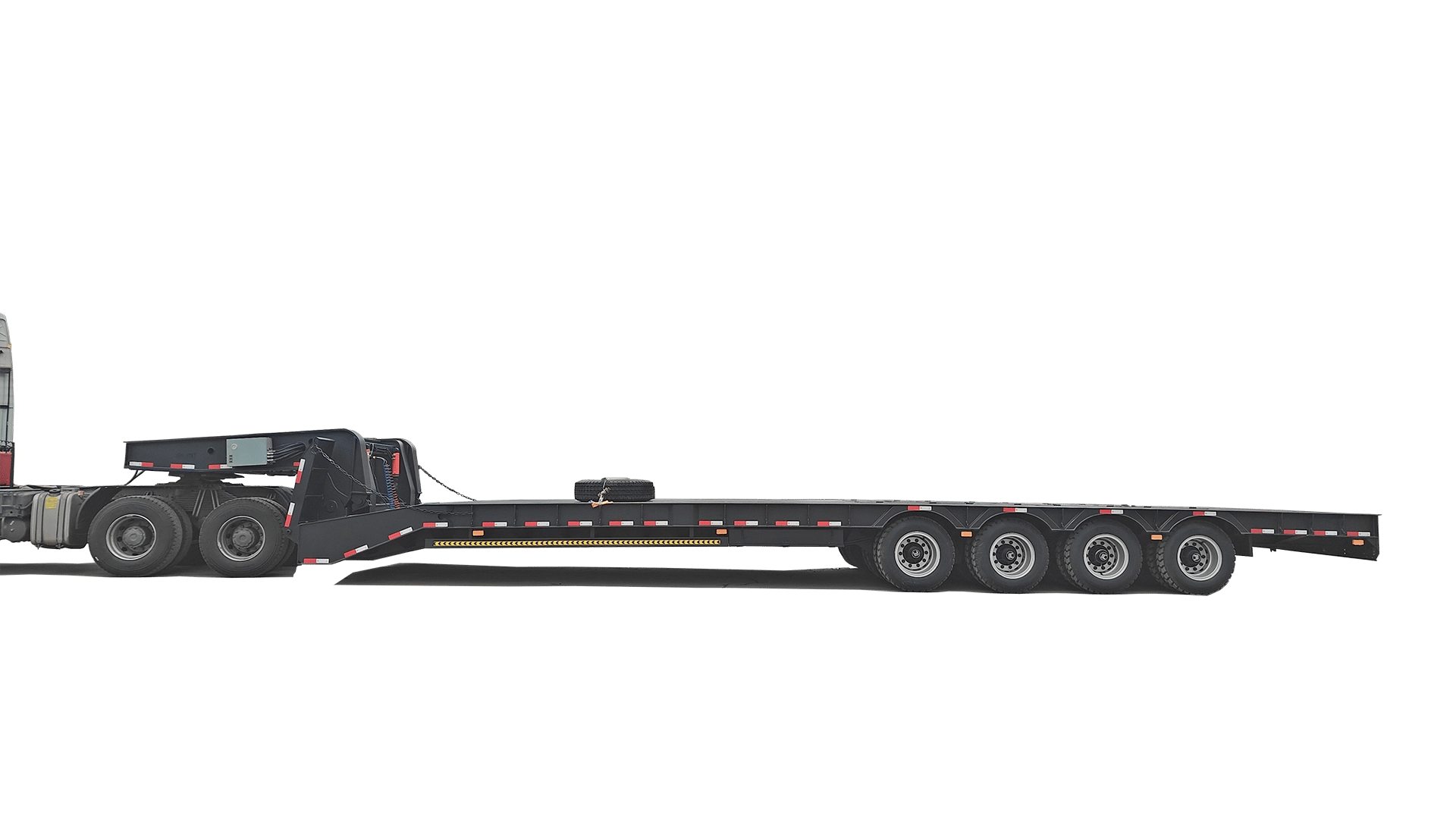
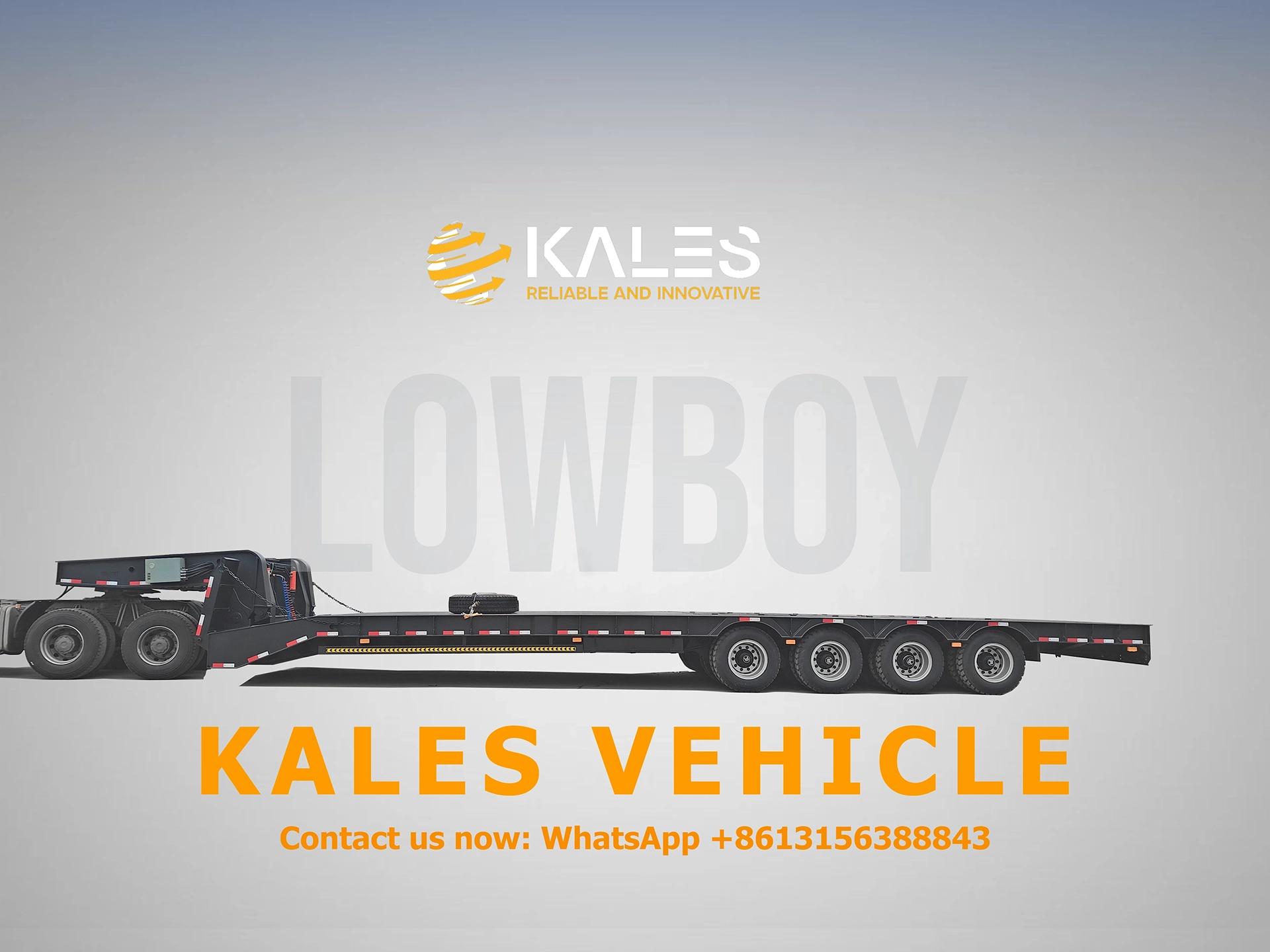
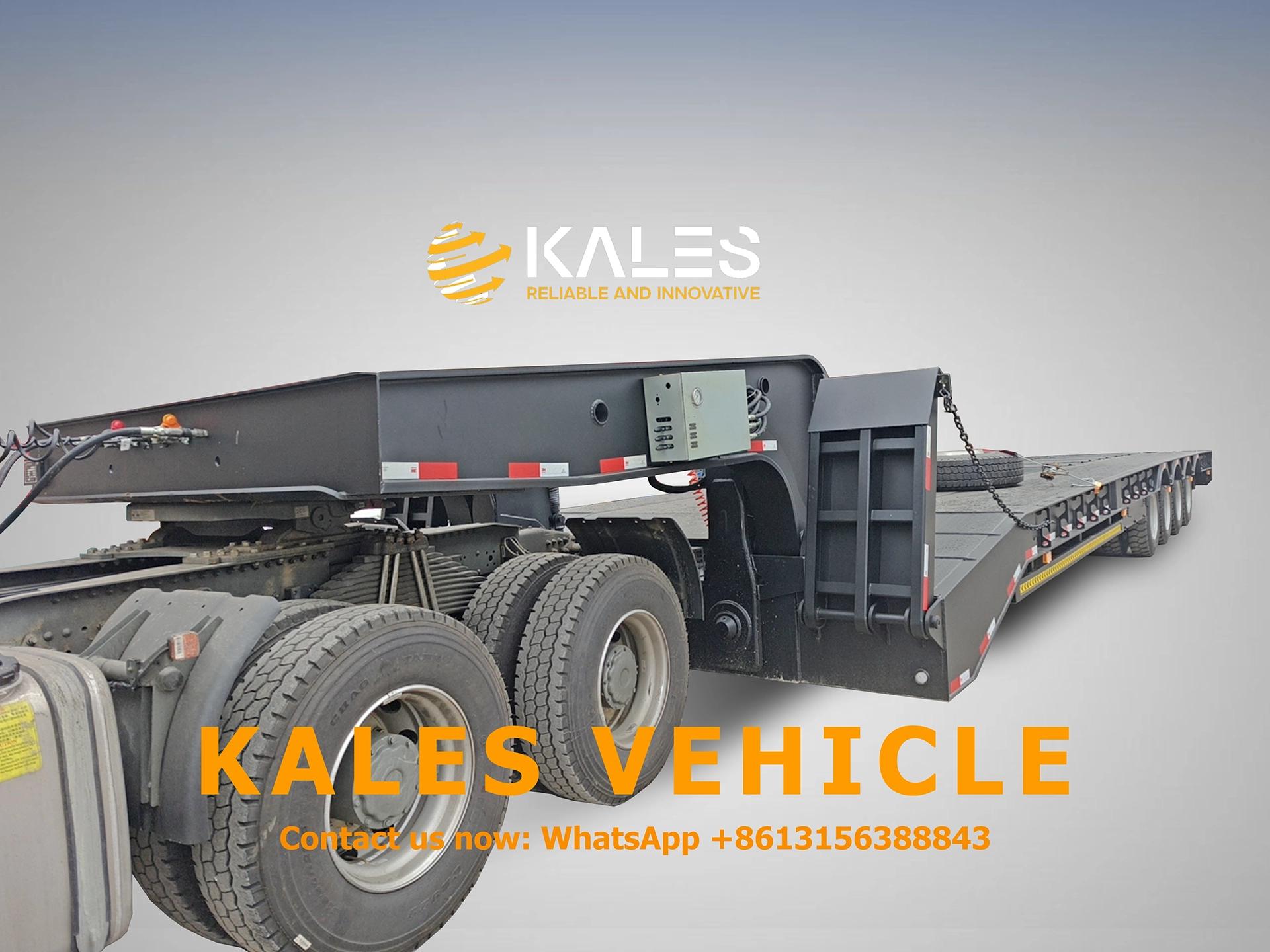
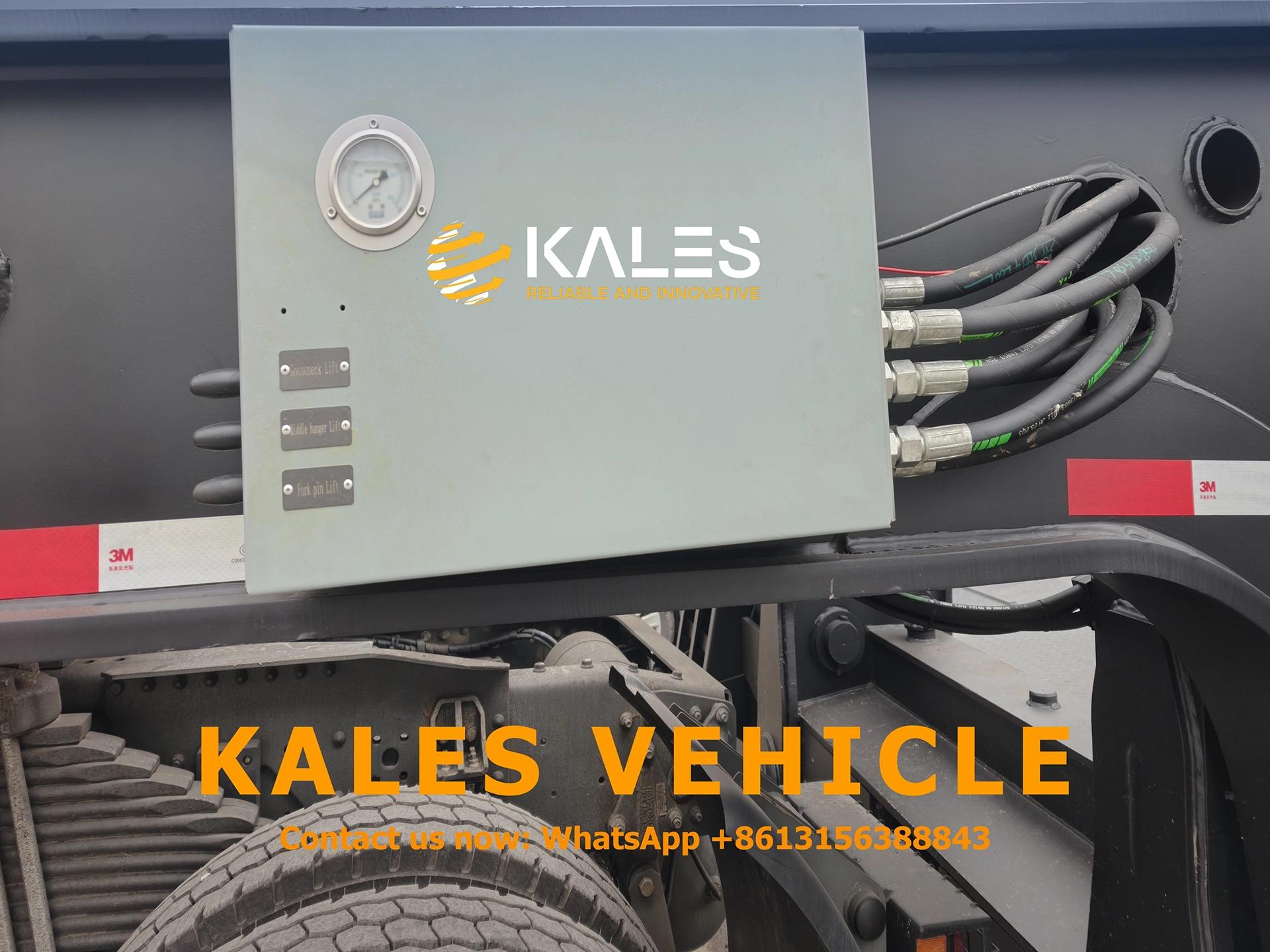
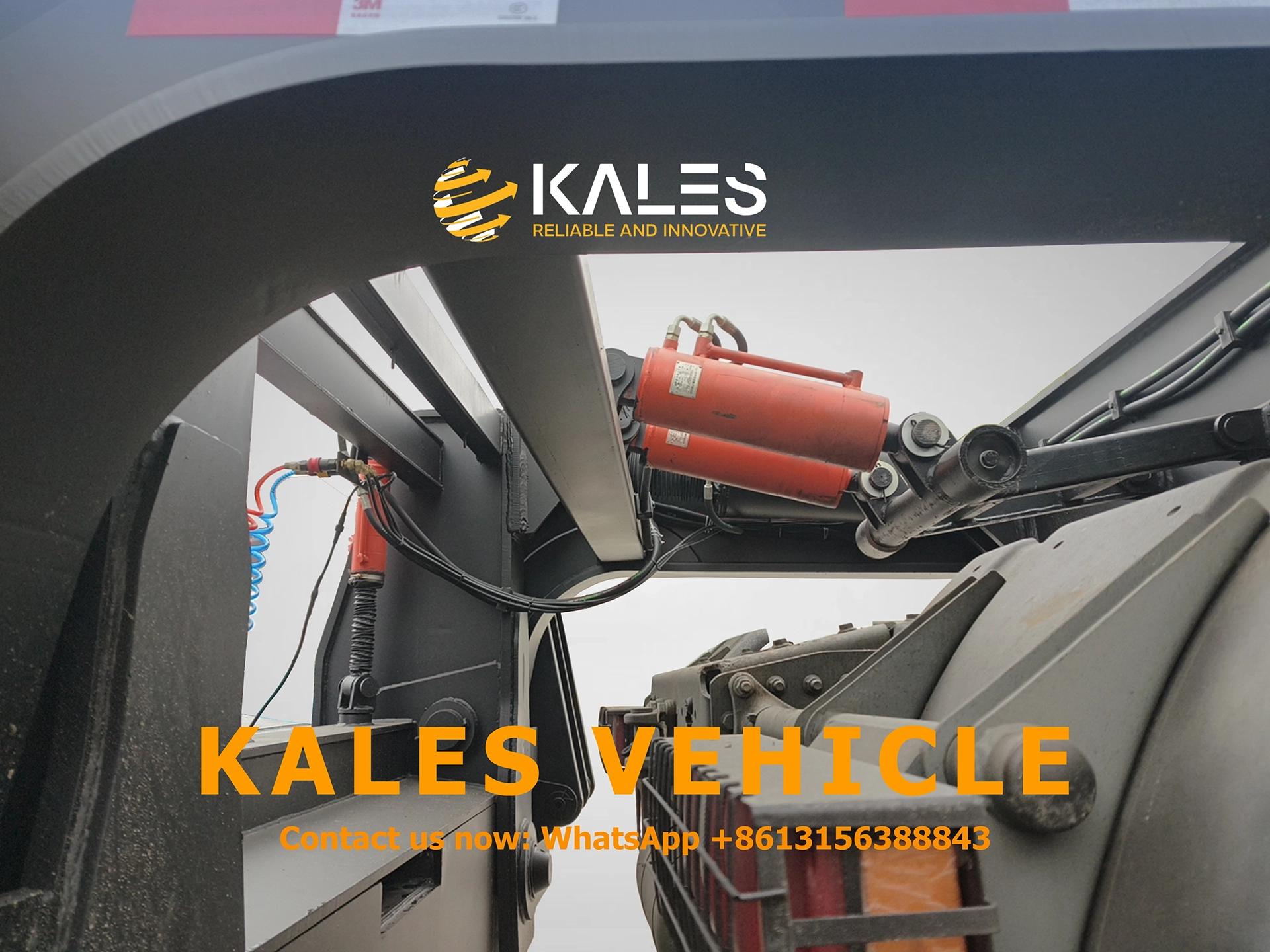
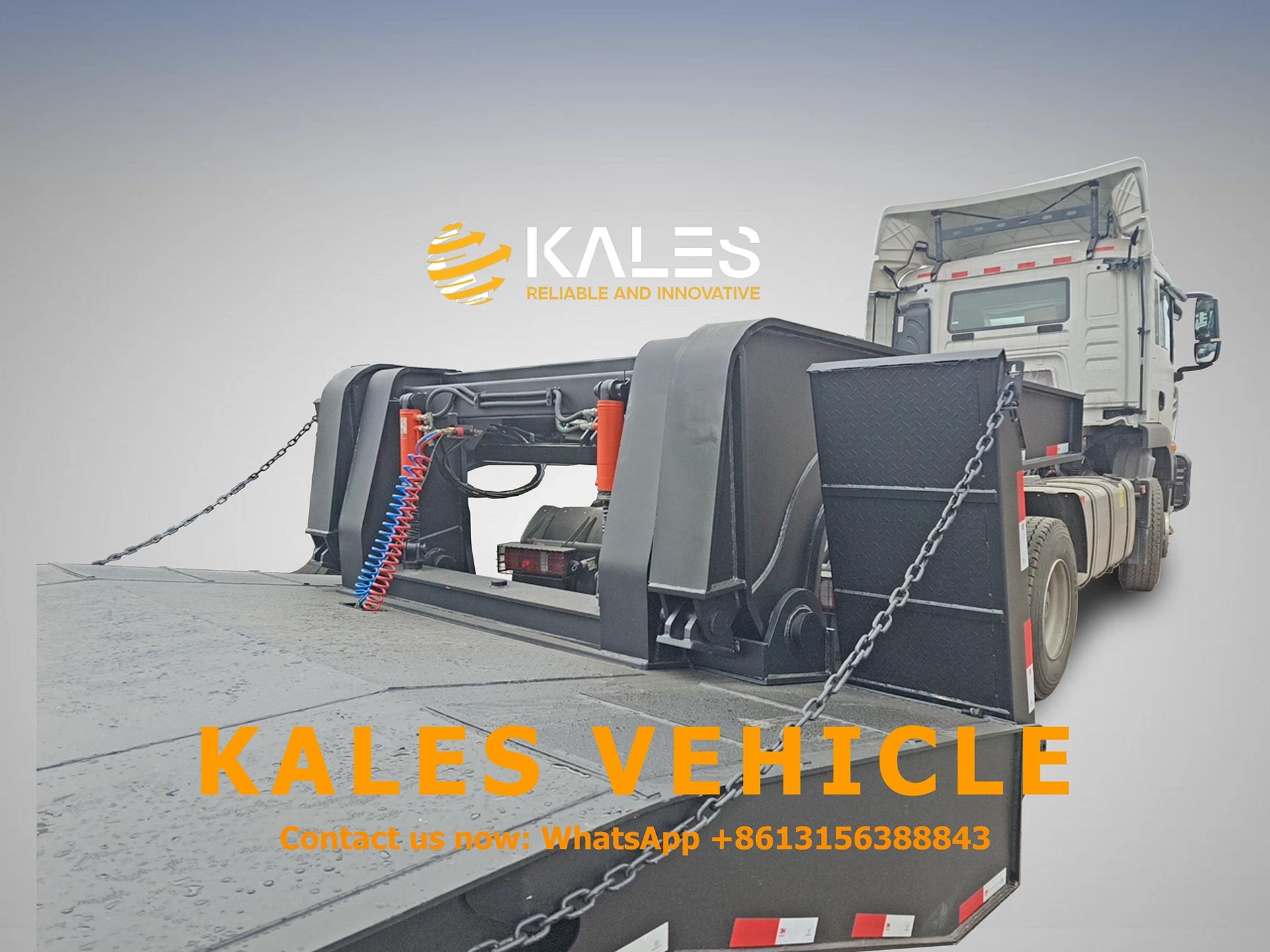
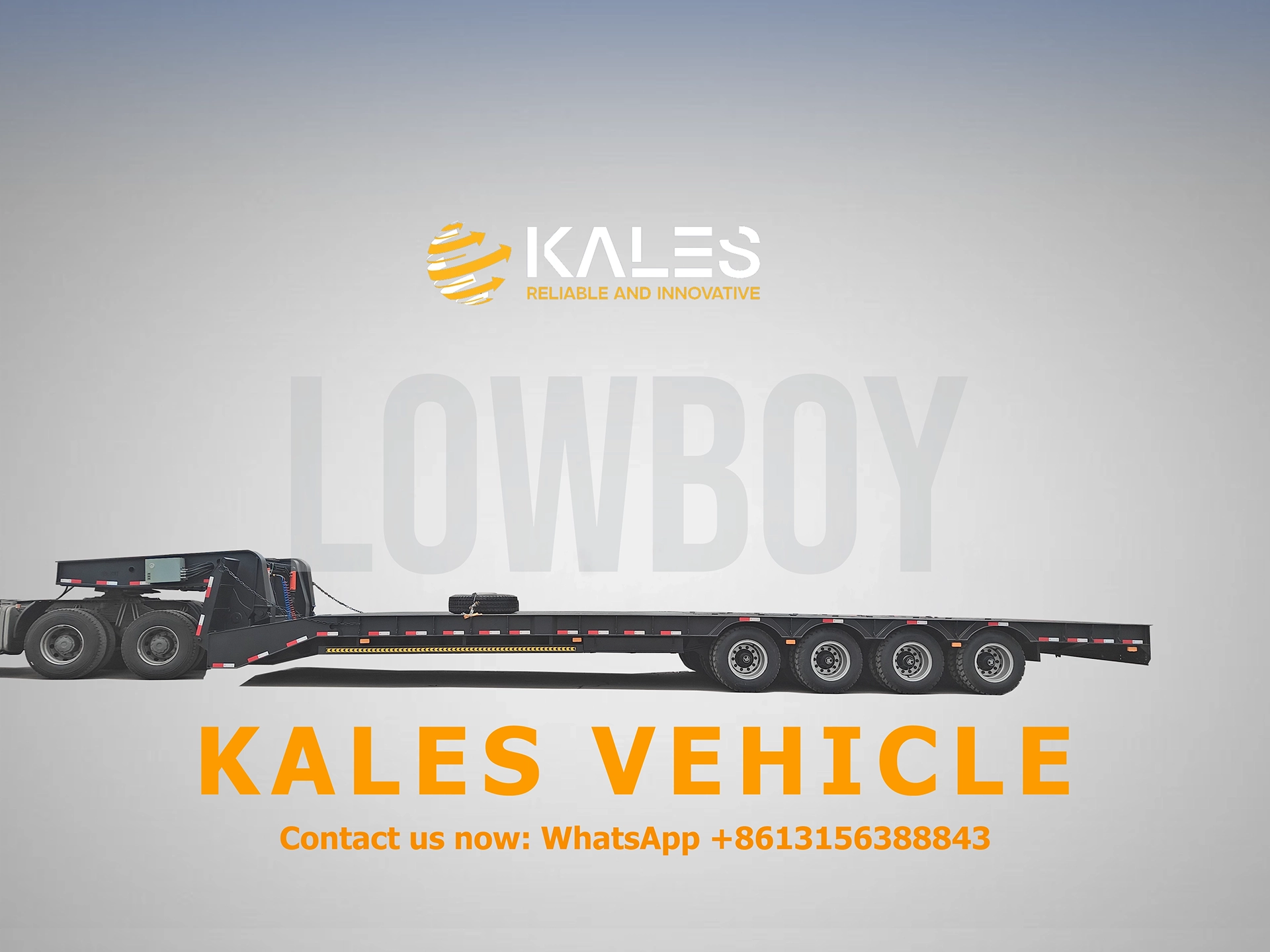
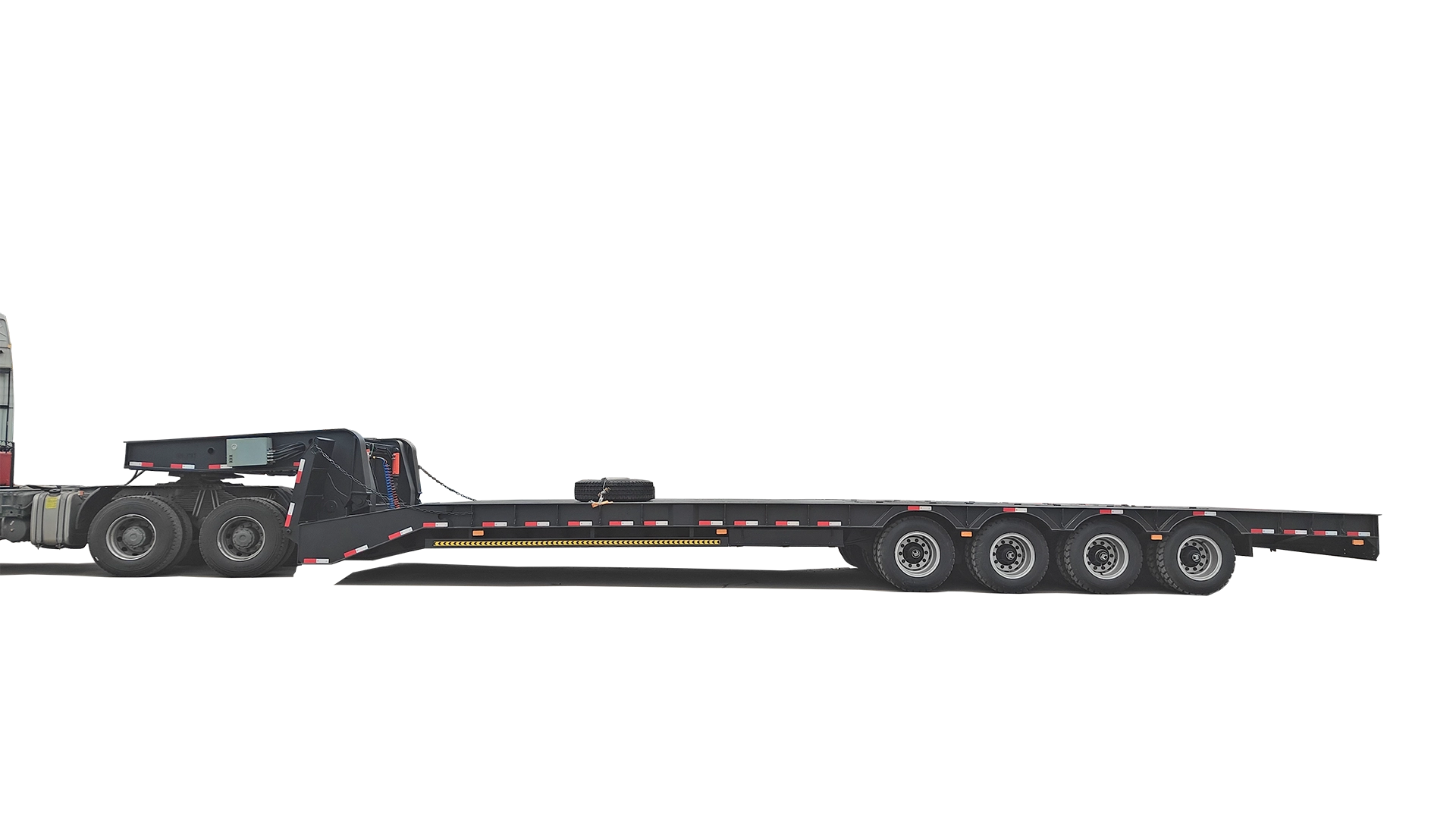
150 ton 8-axle lowboy trailer with detachable gooseneck: this Kales project-haul platform is built for buyers whose freight has already moved beyond normal machinery transport into transformer logistics, oversized equipment relocation, ultra-wide components, and modular heavy-haul planning. It combines an ultra-wide 4,200 mm deck, front-loading detachable gooseneck access, and multi-axle heavy-haul structure for real project cargo rather than standard excavator moves.
Engineering guidance from the Kales Vehicle heavy-haul team for EPC buyers, abnormal-load carriers, power-sector contractors, mining logistics teams, and fleet procurement managers comparing 50 ton entry lowbeds, 80 ton lowbeds, and true 150 ton detachable-gooseneck platforms.
| Product type | 150 ton 8-axle lowboy semi trailer with detachable gooseneck |
|---|---|
| Project role | Ultra-heavy project-haul trailer for transformers, oversized equipment, and modular cargo |
| Rated payload class | 150 ton class, with final legal payload depending on route regulation, tractor combination, and axle configuration |
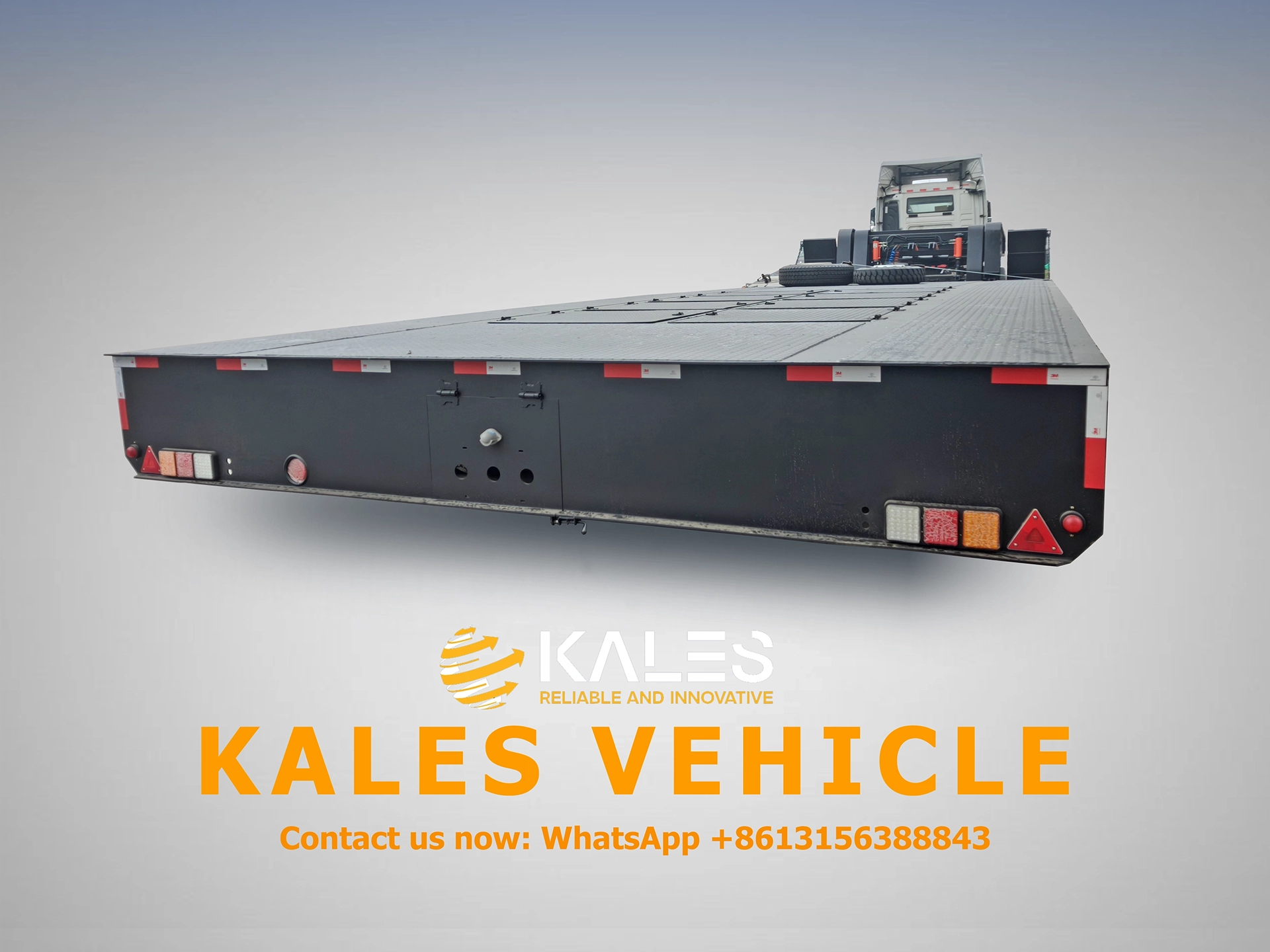
| Overall dimensions | 16,300 x 4,200 x 970 mm reference configuration |
| Deck layout | Ultra-wide flat low deck, approximately 4,200 mm wide, designed for oversized-width cargo support |
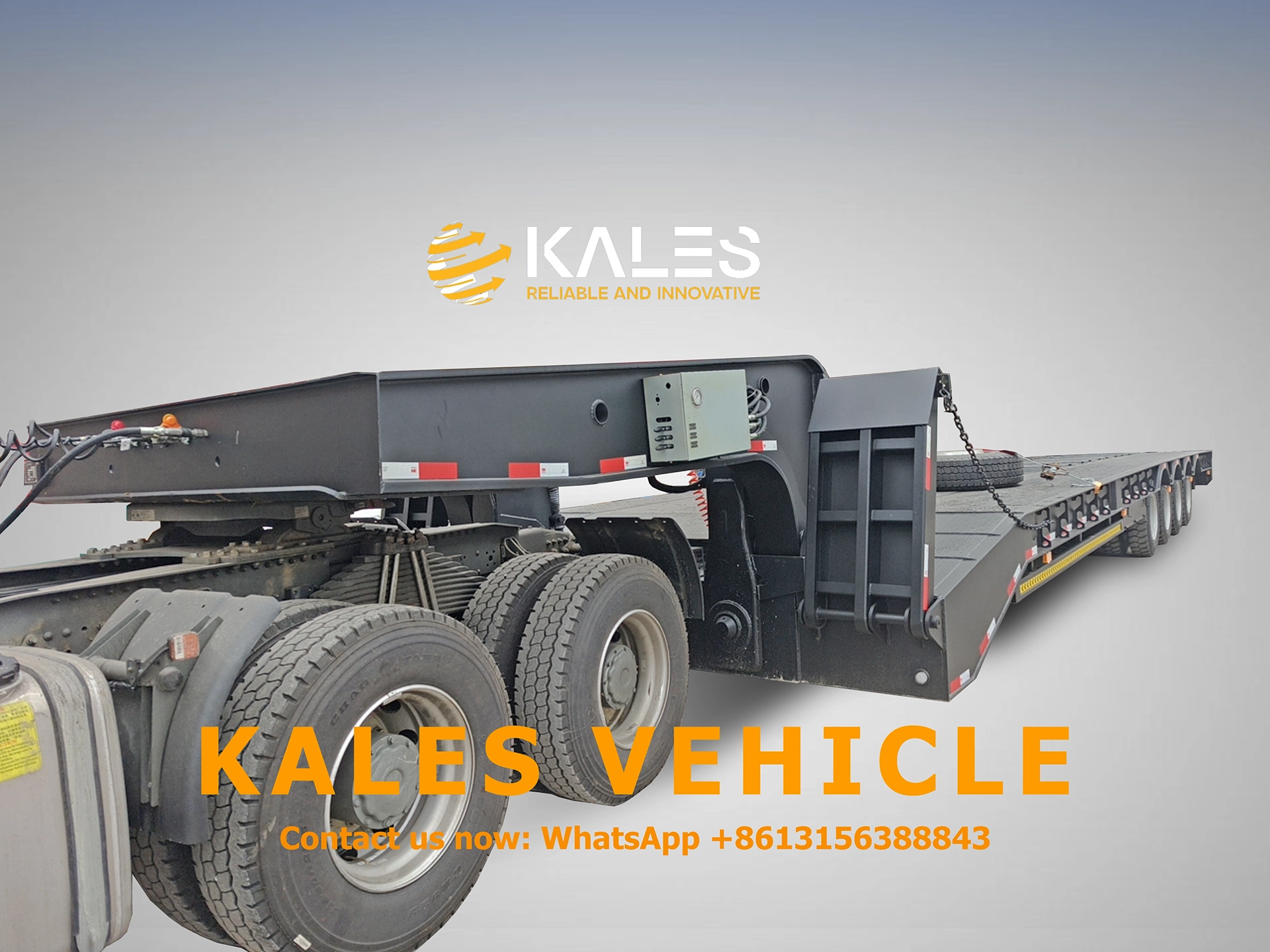
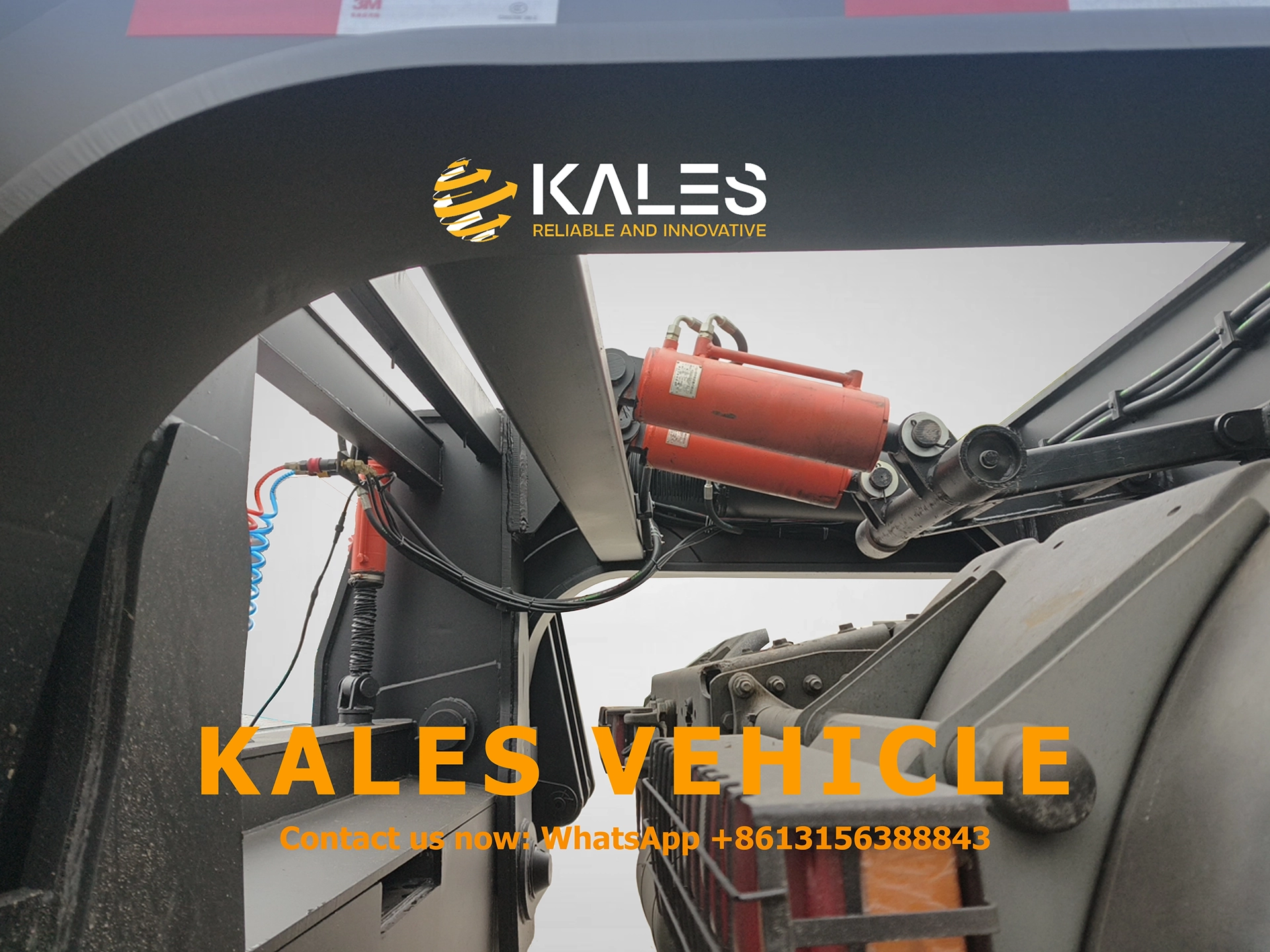
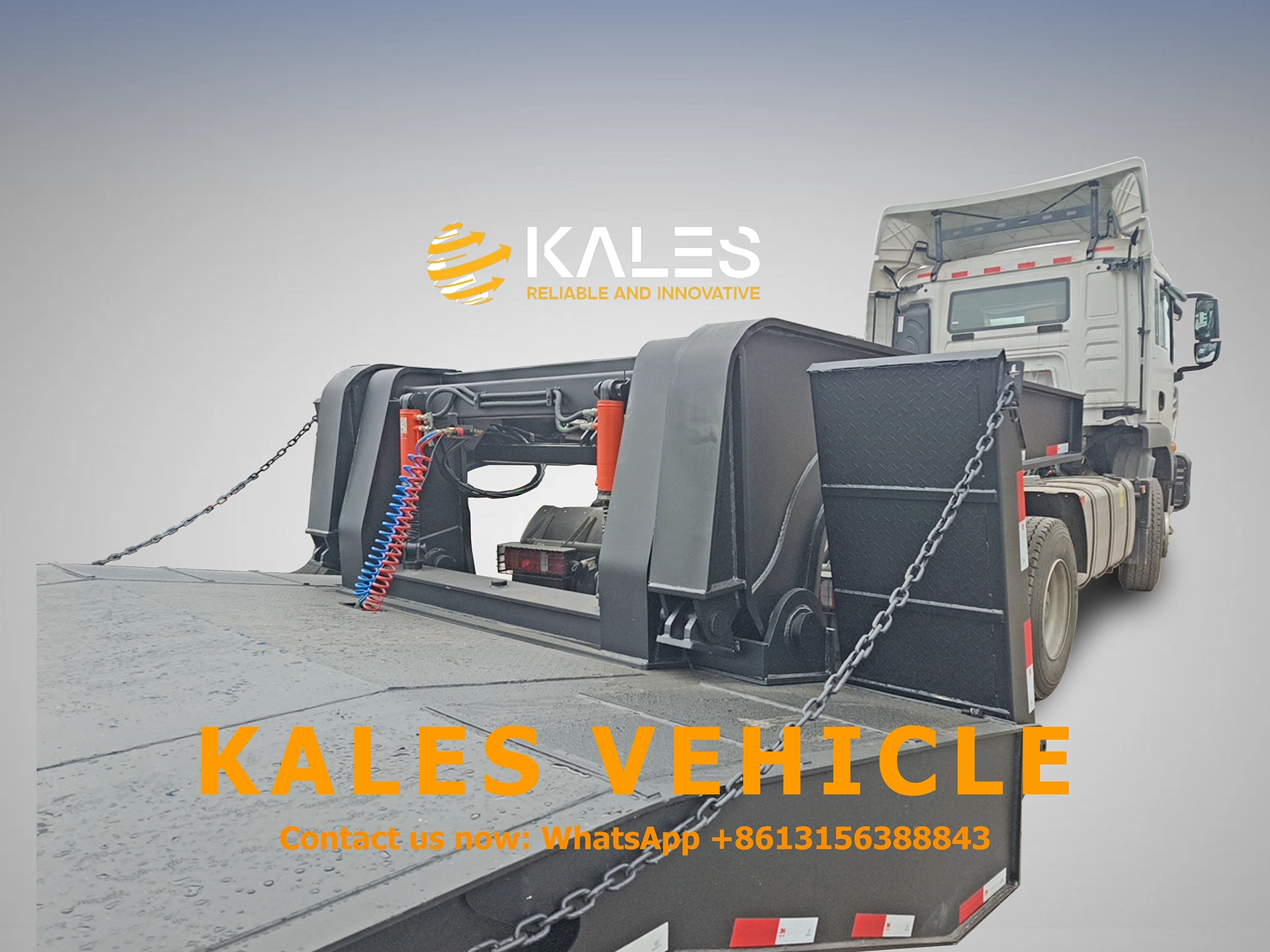
| Gooseneck | Fully detachable gooseneck for front-loading and project-haul loading flexibility |
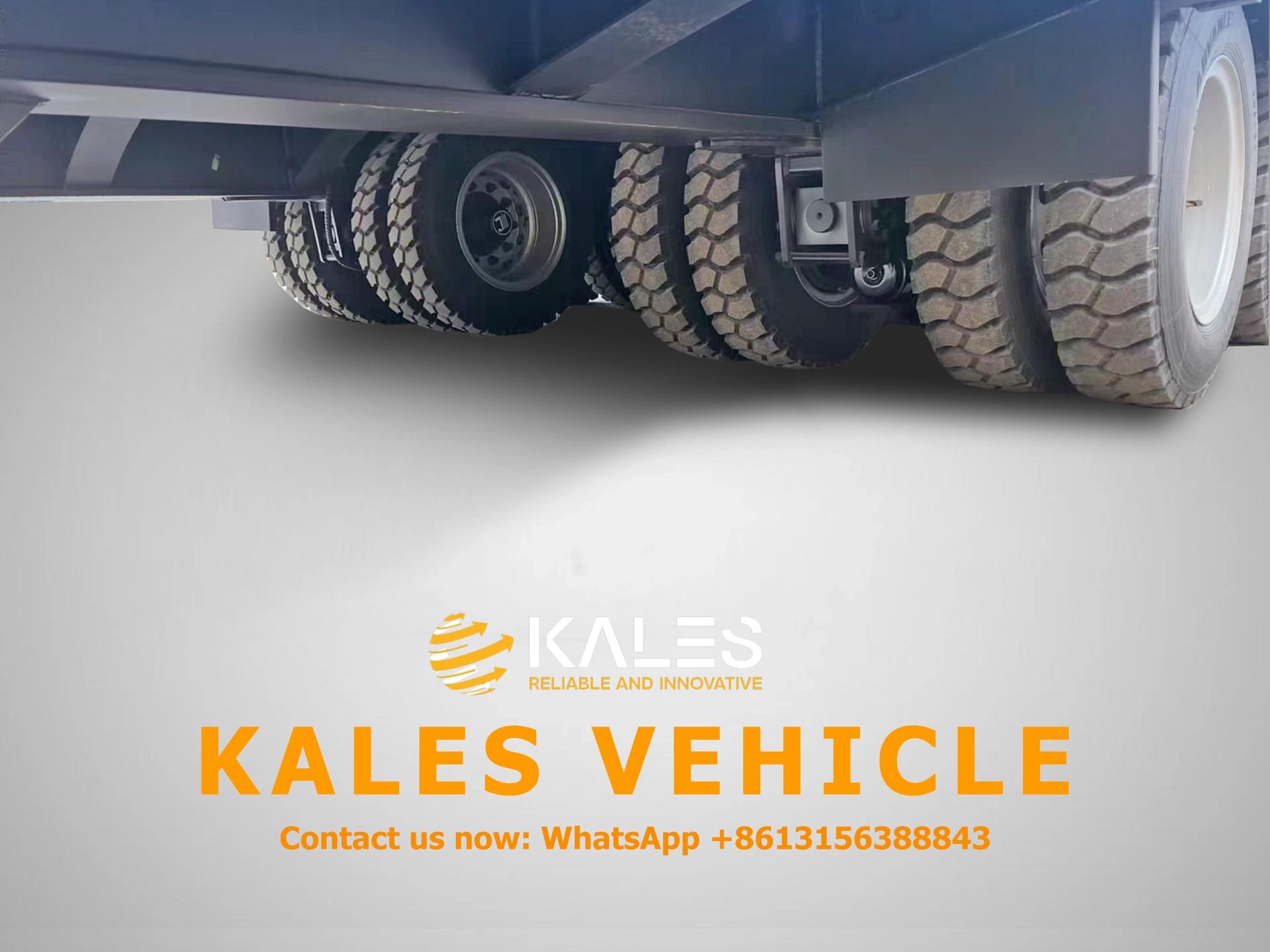
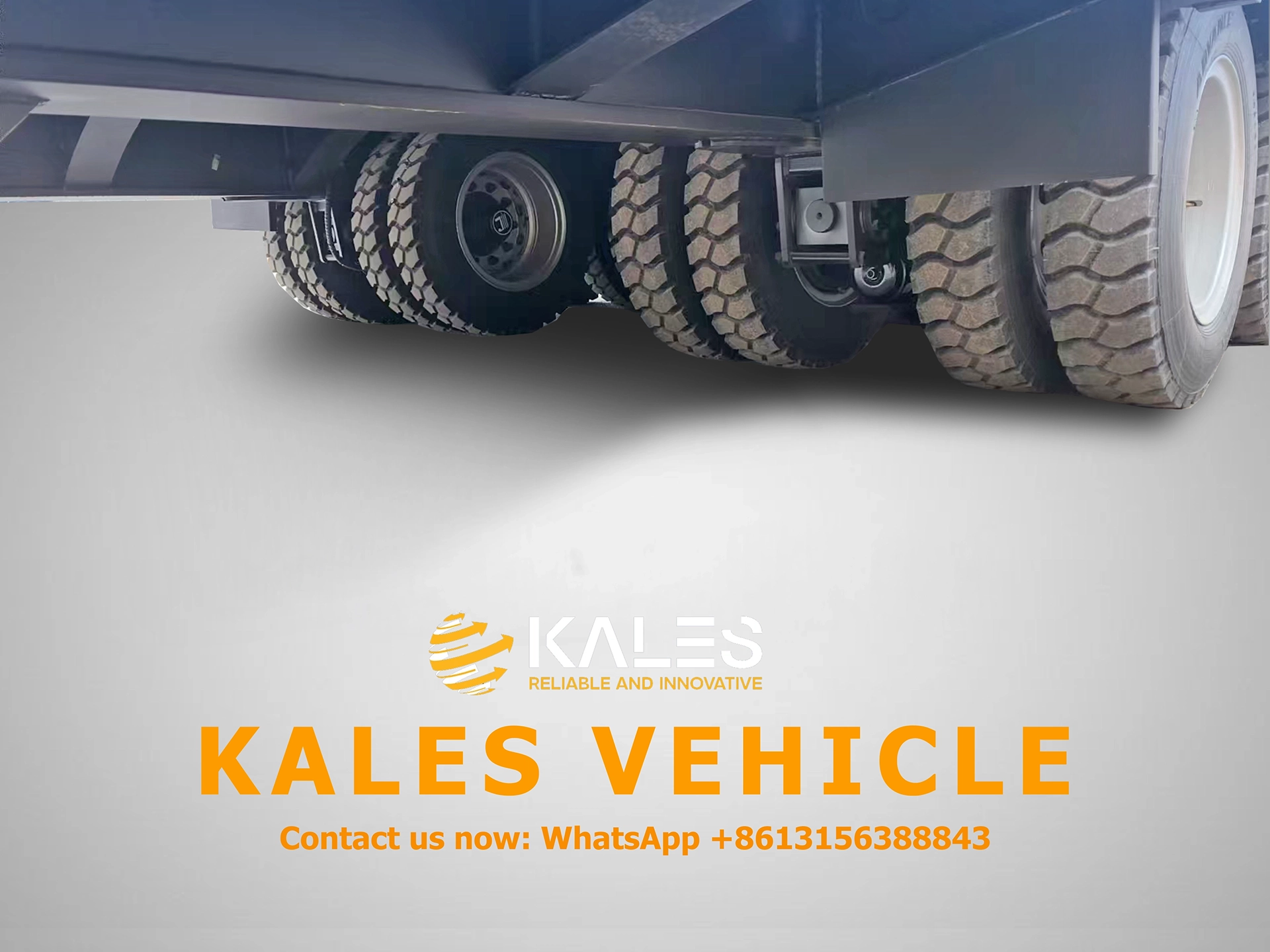
| Axle package | 4 lines / 8 axles heavy-haul configuration |
| Main structure | HG60 high-strength steel heavy-haul frame with reinforced crossmember strategy for concentrated abnormal loads |
| Deck plate | 8 mm anti-slip steel deck plate for heavy concentrated contact loads |
| Operating height | Ultra-low deck height around 970 mm for lower center of gravity and route clearance control |
| Custom quotation | Contact KALES for a tailored quotation based on the required configuration, order quantity, and destination. |
This 150 ton lowboy trailer is the correct fit when the buyer is solving an abnormal-load problem, not simply moving standard plant machinery. It is aimed at power transmission projects, transformer relocation, refinery and petrochemical module work, wind and industrial subassemblies, very heavy tracked equipment, and modular freight that needs more width, more axle distribution, and a better loading method than conventional lowbeds can provide.
| Model path | Choose it when | Do not use it as a substitute for this page when |
|---|---|---|
| 50 Ton Lowbed Trailer with Ladder Ramps | You are moving standard machinery from the rear on a practical fixed-deck 3 axle trailer with a published fixed quotation price | The cargo is transformer-class, ultra-wide, or operationally better suited to detachable-gooseneck heavy haul |
| 80 Ton Lowbed Trailer for Africa | You need a stronger but still practical 3 axle lowbed for mixed-road machinery transport | The project requires 4.2 m deck width, 8 axles, and abnormal-load route planning |
| 80 Ton Telescopic RGN Lowbed Trailer | You need a detachable-gooseneck lowbed for heavier and more specialized machinery than standard rear-ramp units can handle | The freight has already moved into daily transformer, ultra-wide, or modular heavy-haul territory |
| This 150 ton 8-axle detachable-gooseneck lowboy | You need a true project-haul trailer for oversized industrial cargo, very heavy machines, and wide abnormal loads | The real requirement is still ordinary machinery transport or long cargo without extreme single-piece weight |
A 150 ton page only works if it reads like a real project-haul tool. The 4,200 mm deck width is not a decorative spec. It changes the loading envelope for transformers, beams, modules, and wide industrial components that do not sit safely on a normal 3,000 mm lowbed. The 4-line 8-axle structure then supports the axle-distribution logic buyers expect when route approvals, bridge limits, and concentrated load management become part of procurement.
On the 50 ton page, ladder ramps are the right simplification. On this page, that simplification is wrong. Abnormal freight often needs front loading, low-angle entry, side-assisted positioning, or staged installation loading. The detachable gooseneck is therefore part of the transport method itself, not just an optional feature. That is one of the clearest ways to separate this page from both the fixed-deck 50 ton trailer and the Africa-oriented 80 ton lowbed.
Contact KALES for a tailored quotation based on the required configuration, order quantity, and destination.
Serious buyers should review more than nominal payload. The real procurement questions are deck width, cargo footprint, axle grouping, neck operating method, tractor match, turning envelope, permit route restrictions, escort requirements, and whether the trailer will carry transformer-class concentrated loads or mixed modular cargo over time. This is why the page must preserve a procurement-and-engineering tone rather than drifting toward a general lowbed sales pitch.
Share your target market, usage scenario, and preferred configuration.
Receive our model recommendation, specification review, and factory quotation.
Confirm production, inspection, shipment route, and export documents.
Stay supported after delivery with spare parts and remote assistance.
At Kales Vehicle, we keep freight planning practical so your trailer or truck reaches the destination with the right balance of protection, speed, and cost.
Container Shipping, Ro-Ro (Roll-on/Roll-off), and Bulk Cargo each serve different export needs, and we choose the safest route, loading method, and packing approach for the order.
Container loading of Kales semi trailer for export, ensuring secure fastening and space optimization.
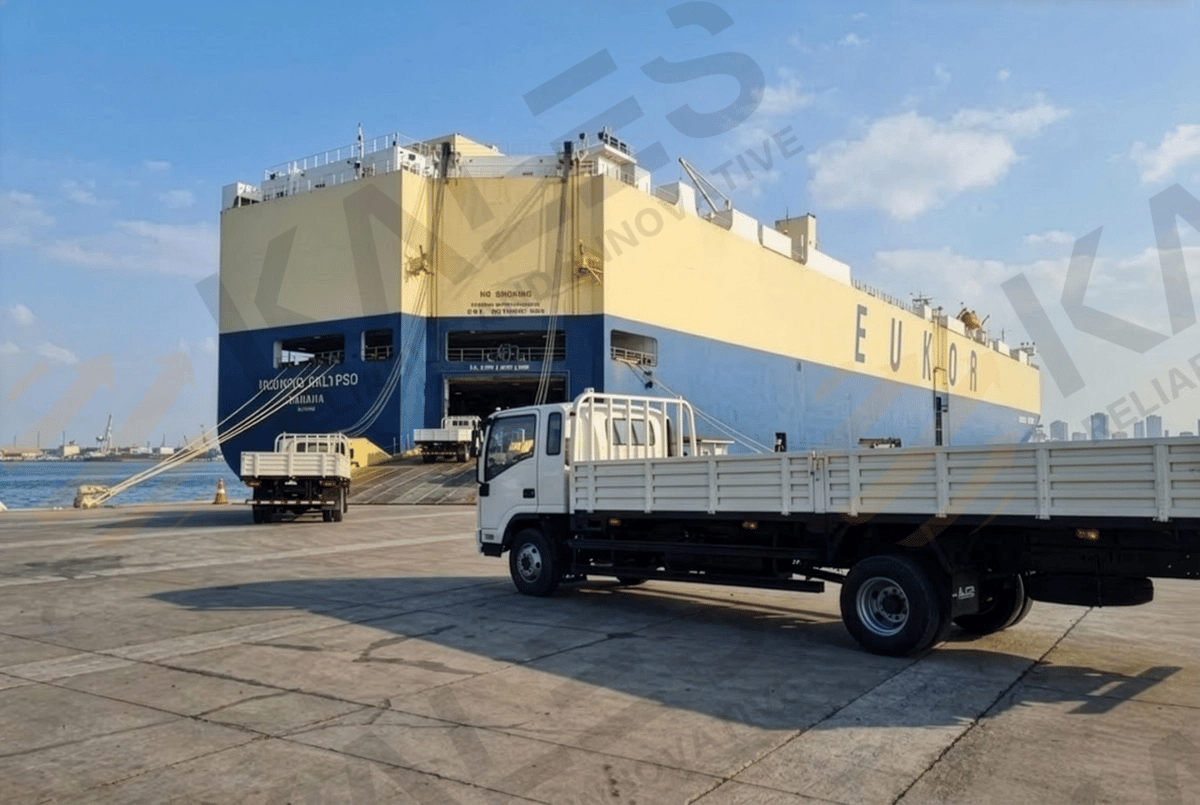
Ro-Ro shipping method for Kales commercial trailers, driving directly onto the vessel for maximum safety.
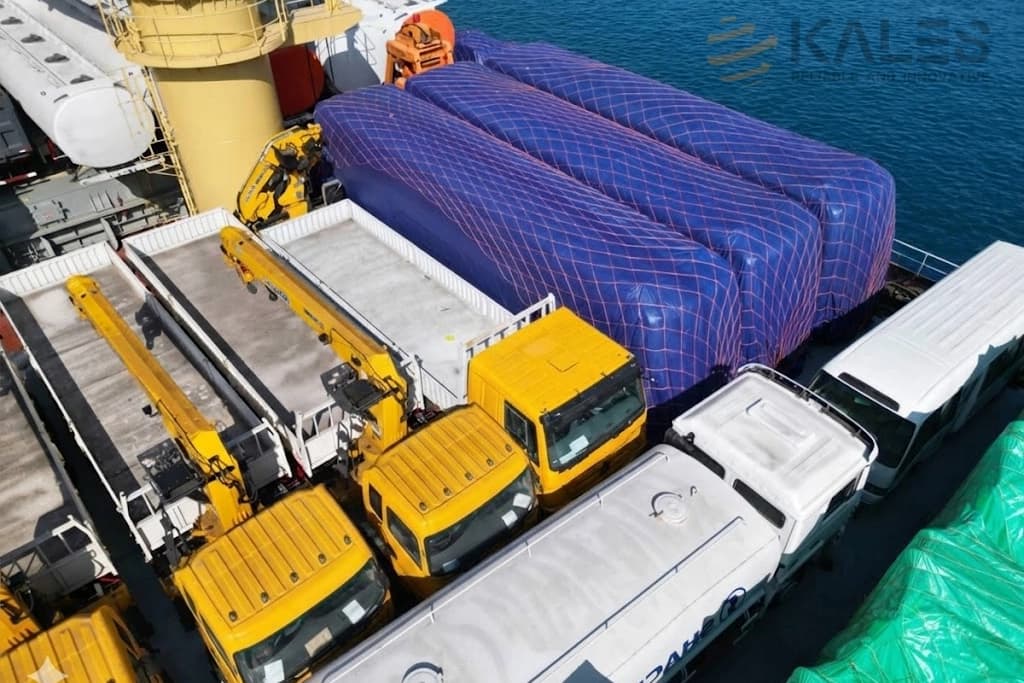
Bulk cargo transport of stacked Kales semi trailers with wax spraying protection against seawater corrosion.
Contact KALES for a tailored quotation based on the required configuration, order quantity, and destination.
Factory engineering notes, maintenance protocols, and buyer checklists related to this equipment.
Mobilizing oversized industrial machinery—including hydraulic excavators, crawler bulldozers, rotary drilling rigs, crus…
In African open-pit mining, quarrying, and bulk mineral haulage—from the gold corridors of Geita and Kahama in Tanzania…
Nigeria represents the largest commercial vehicle market in Sub-Saharan Africa, serving as the industrial and trade loco…
150 Ton 8-Axle Lowbed Trailer with Detachable Gooseneck
Factory Direct · Free Quote