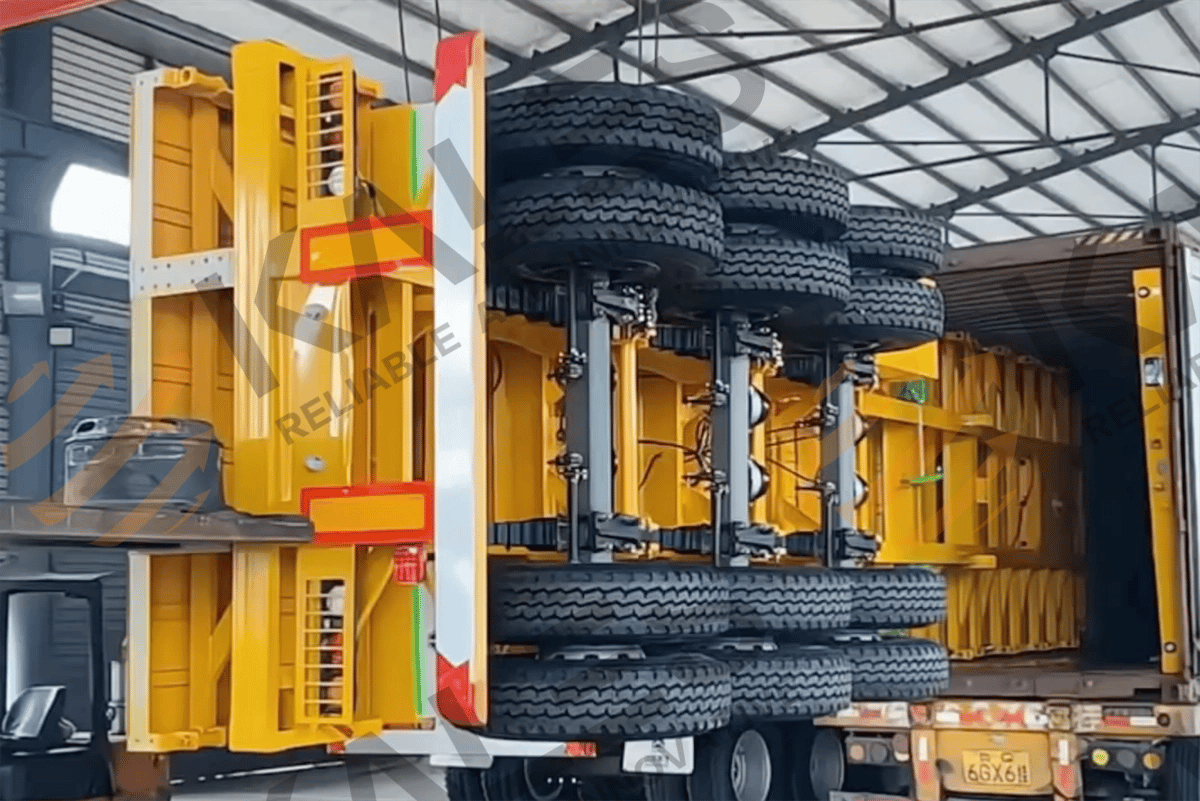
Container Shipping
Container loading of Kales semi trailer for export, ensuring secure fastening and space optimization.



Trailer Type
lowboy
Axles
4 axles
Payload
80
Road Matching
leaf spring
Contact KALES for a tailored quotation based on the required configuration, order quantity, and destination.
✓ Direct technical consultation from factory engineers · Zero trader markup
Factory Direct Export
Zero trader markup
Heavy-Duty Certified
ISO9001 / CCC / CIQ
Global Sea Freight
Container / Ro-Ro / Bulk
Custom Engineering
Tailored configurations
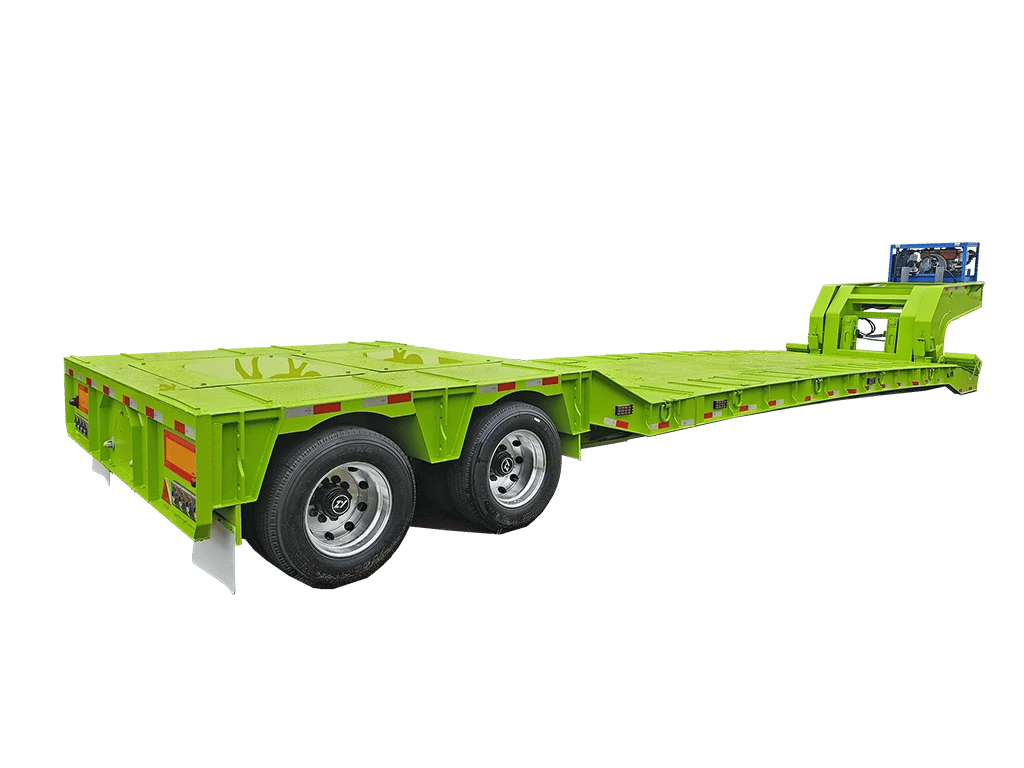
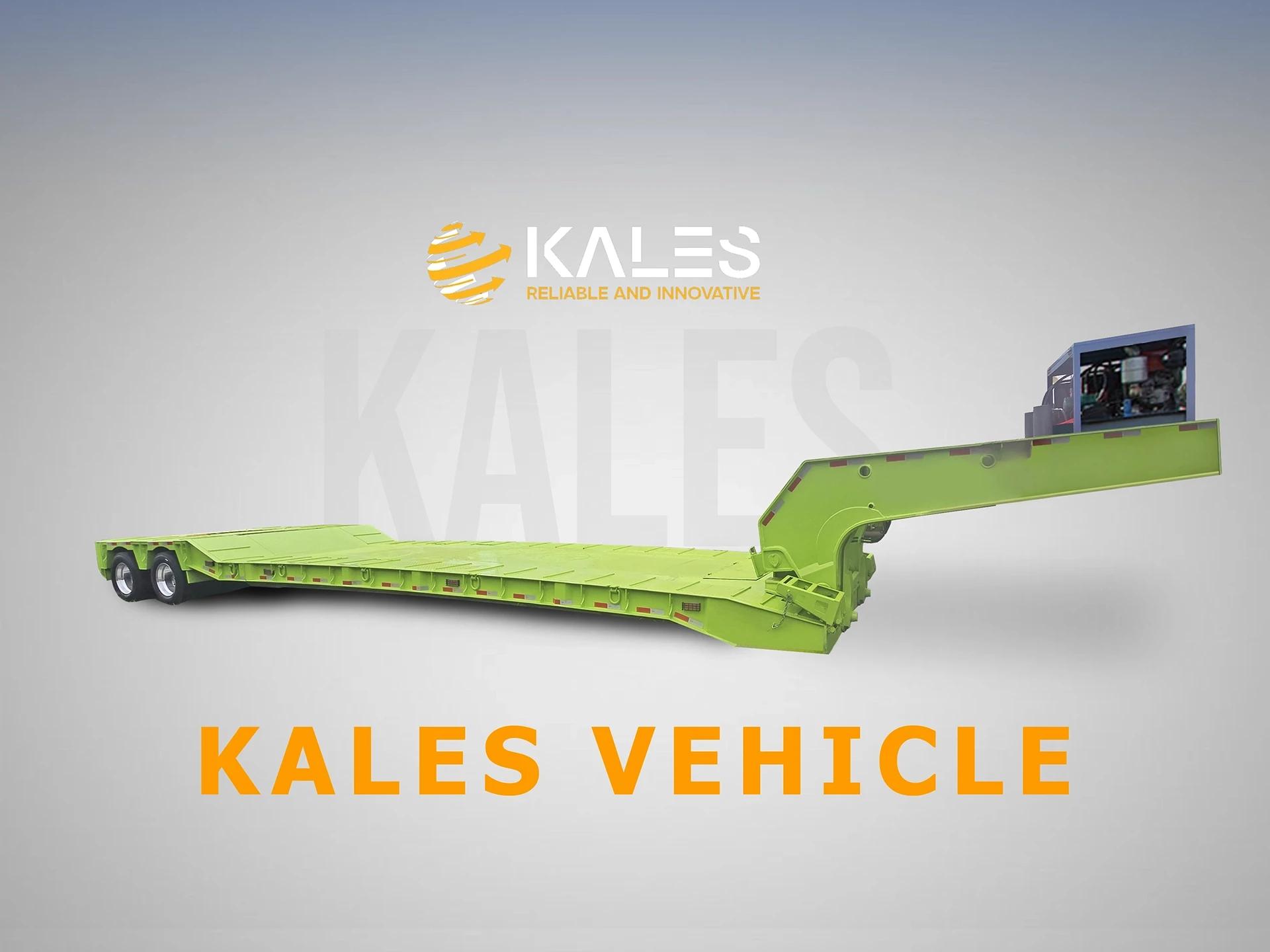
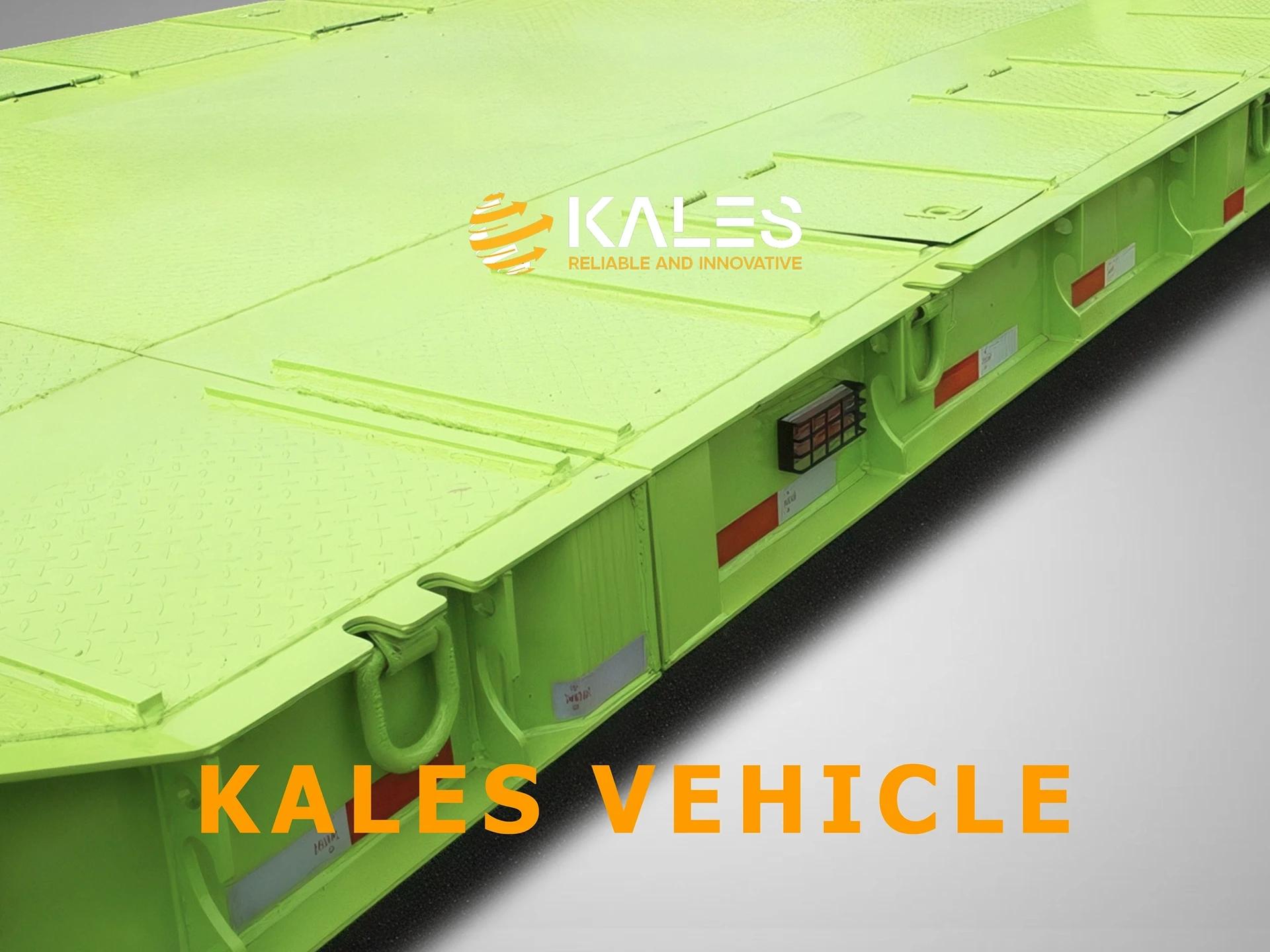
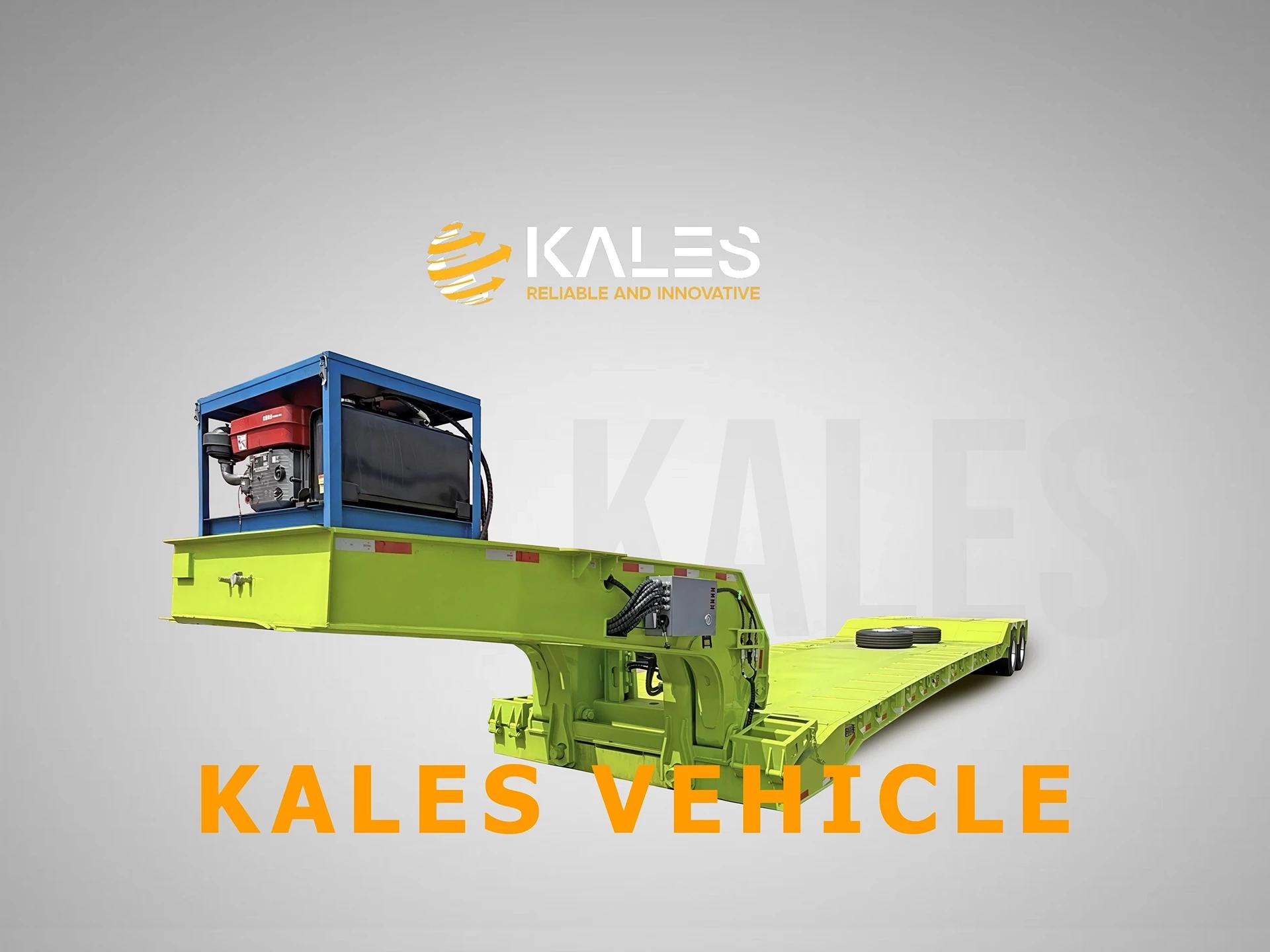
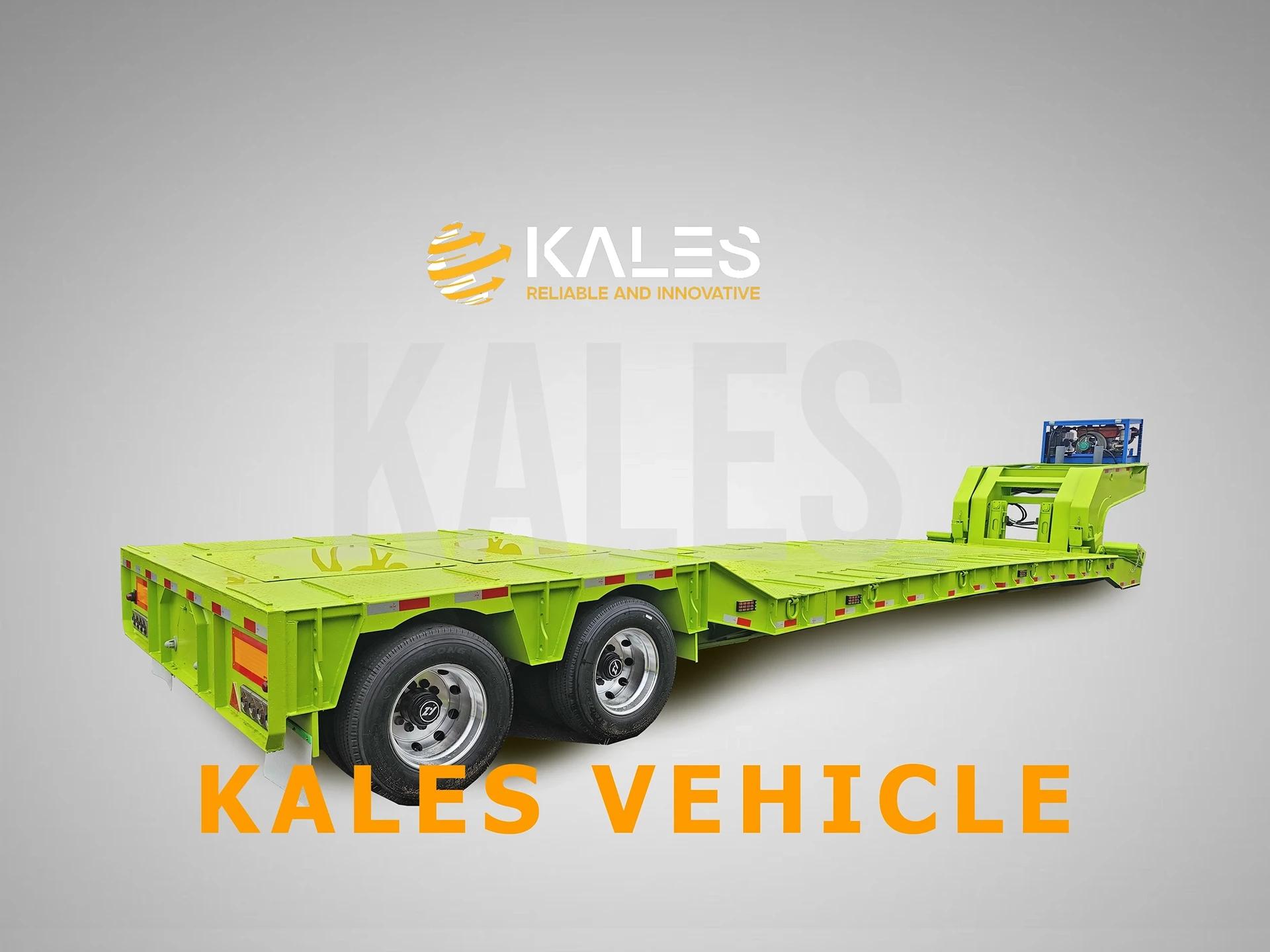
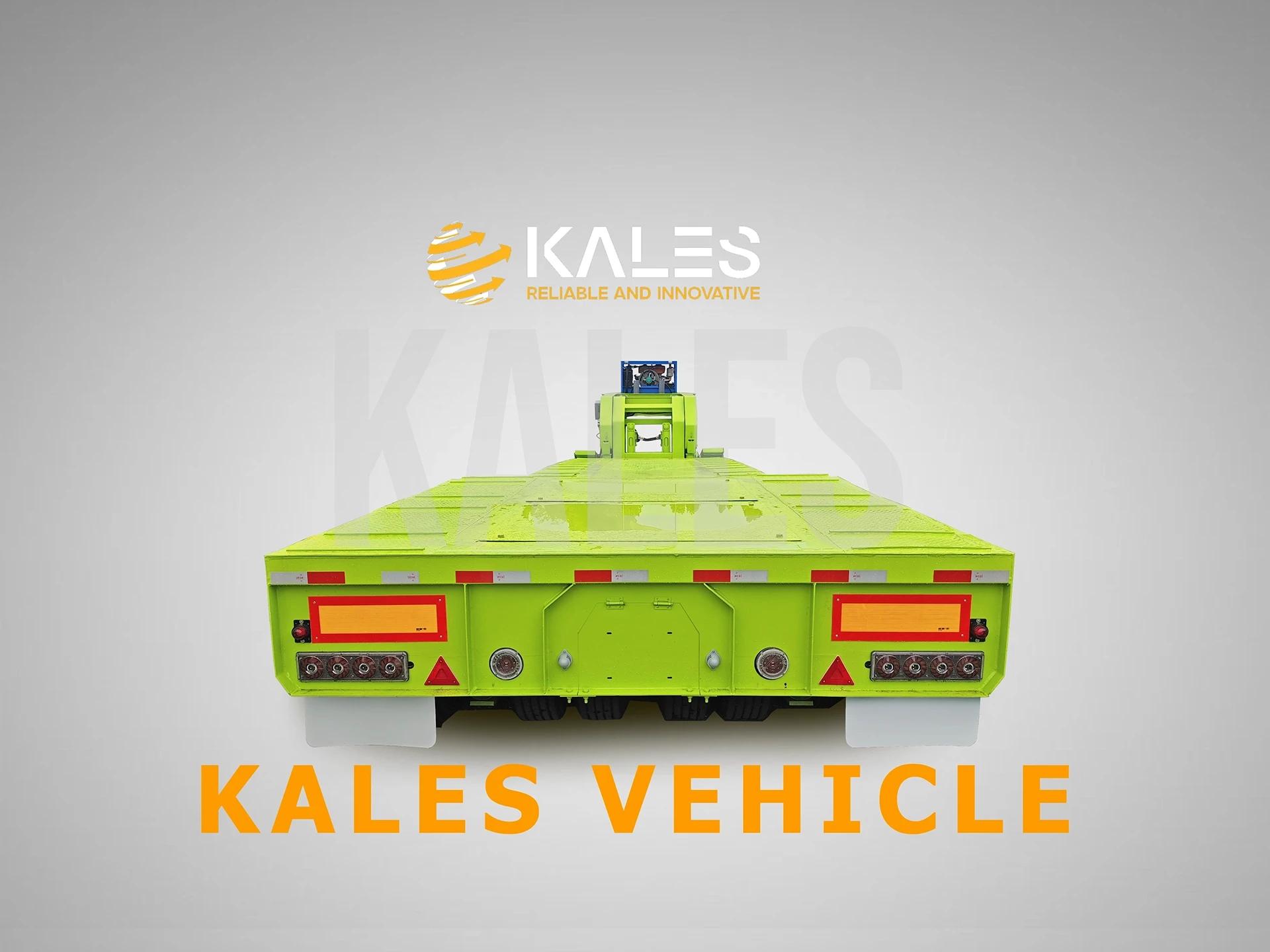
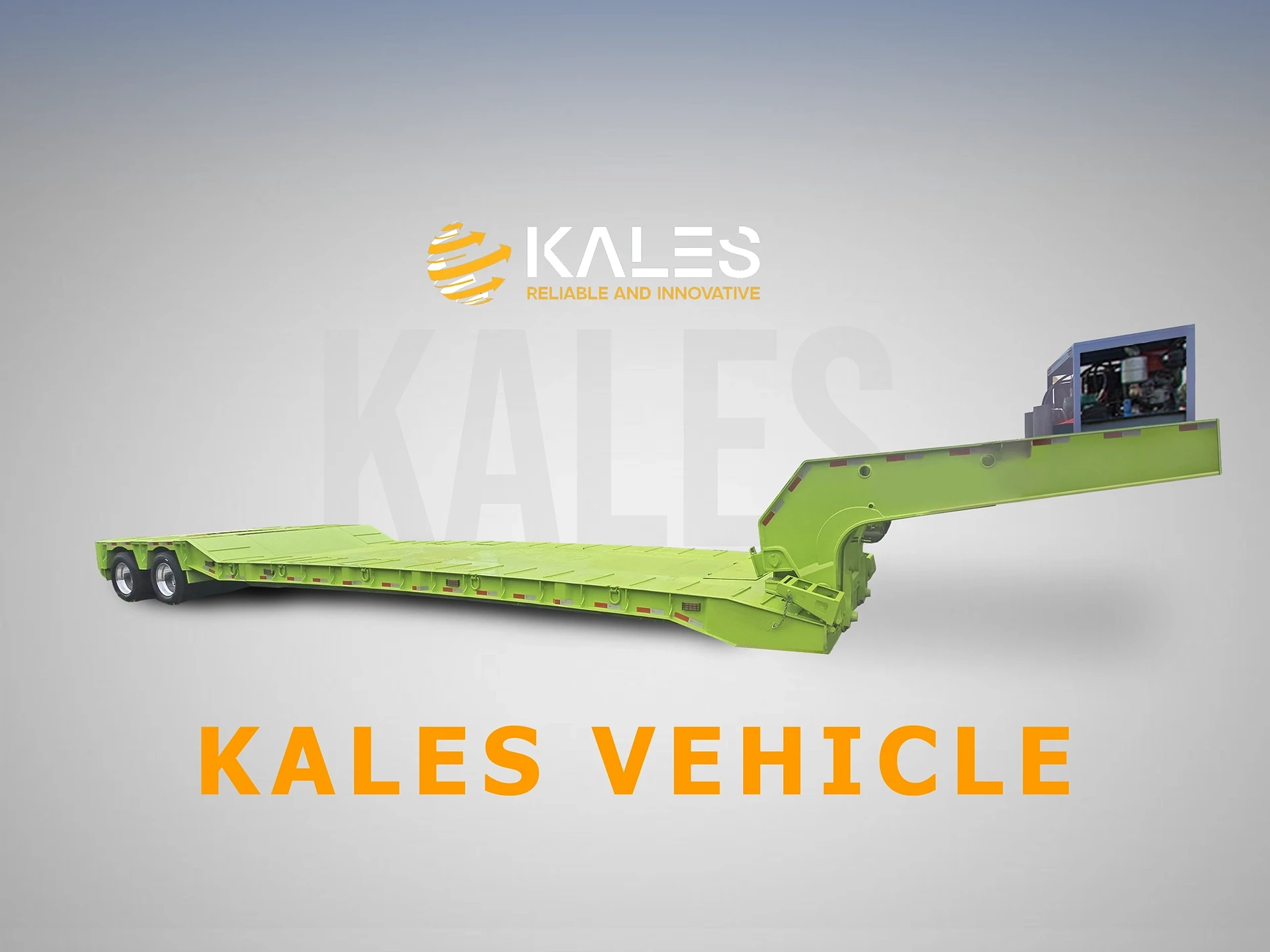
80 ton telescopic detachable-gooseneck RGN lowbed trailer: this Kales heavy-haul platform is built for buyers who need three things on the same trailer: detachable-gooseneck front loading, telescopic deck length for long cargo, and an 80 ton class structure for concentrated machinery and project work. It is for fleets moving crawler excavators, drilling rigs, crushers, long steel members, wind components, and abnormal cargo that does not sit well on a fixed 3 axle lowbed.
Engineering guidance from the Kales Vehicle heavy-haul team for buyers comparing Africa-value fixed lowbeds, global fixed-deck 80 ton lowbeds, side-extension platforms, telescopic RGN trailers, and larger 150 ton project-haul solutions.
| Product type | 80 ton telescopic detachable-gooseneck RGN lowbed semi trailer |
|---|---|
| Primary role | Front-loading heavy machinery transport plus extendable support for long abnormal project cargo |
| Reference model | Kales-RGN-2L4A-Telescopic heavy-haul family |
| Payload logic | About 80 tons in closed heavy-haul mode, with lower practical capacity in extended long-cargo mode depending on route and load distribution |
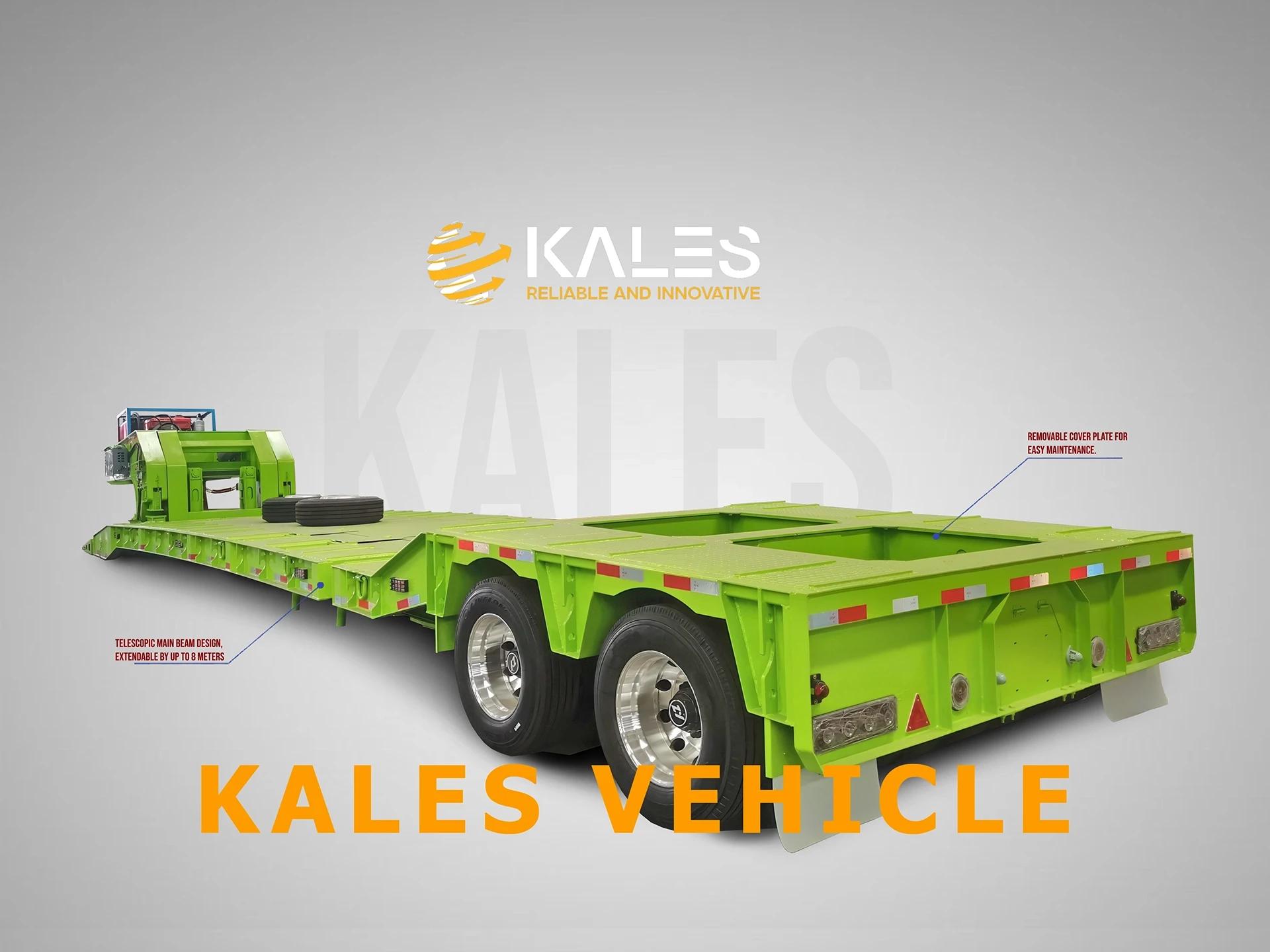
| Extension travel | Up to 4,500 mm telescopic beam travel on the represented family configuration |
| Overall deck length | Up to about 12.2 m depending on extension scope and neck configuration |
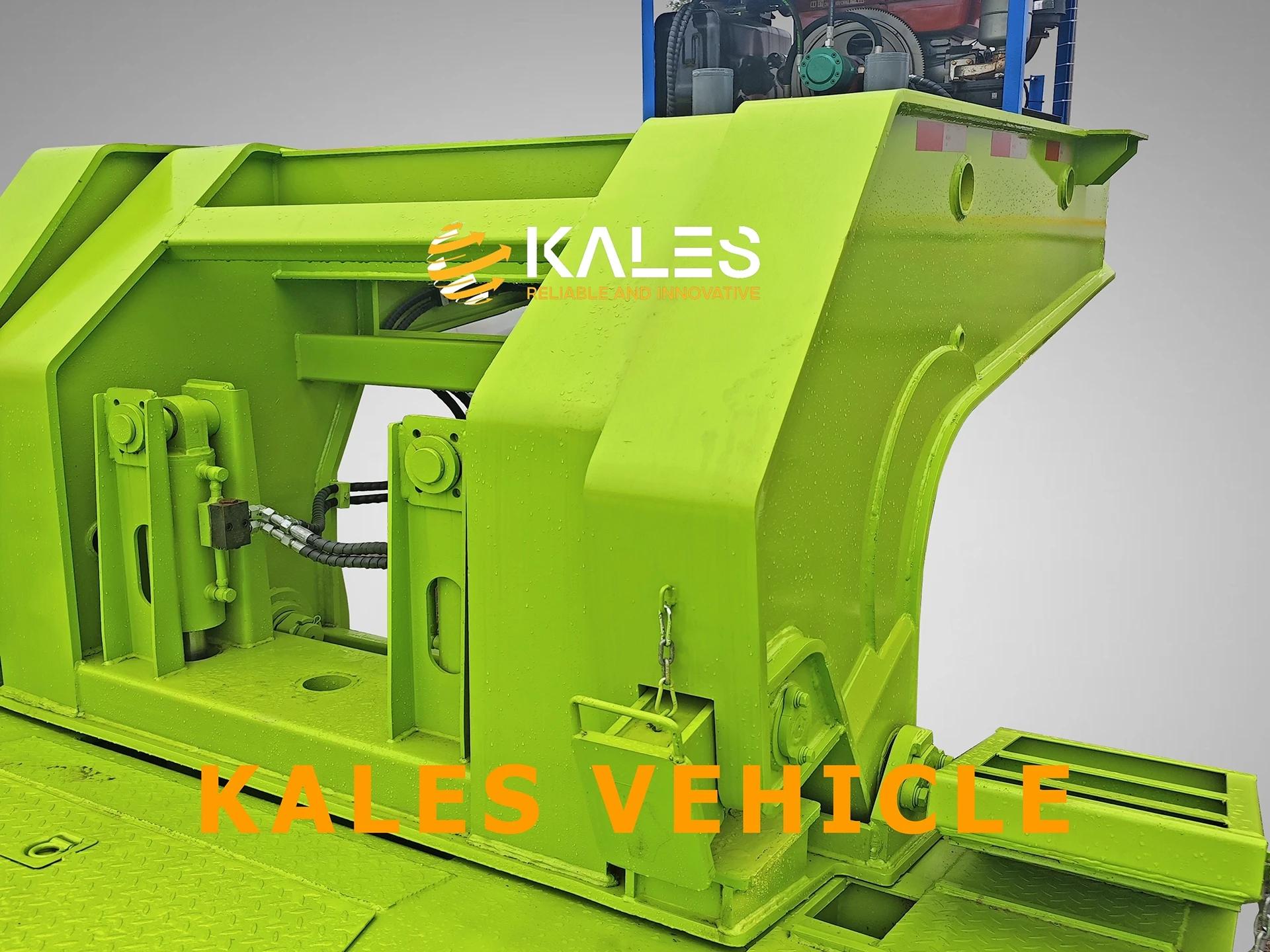
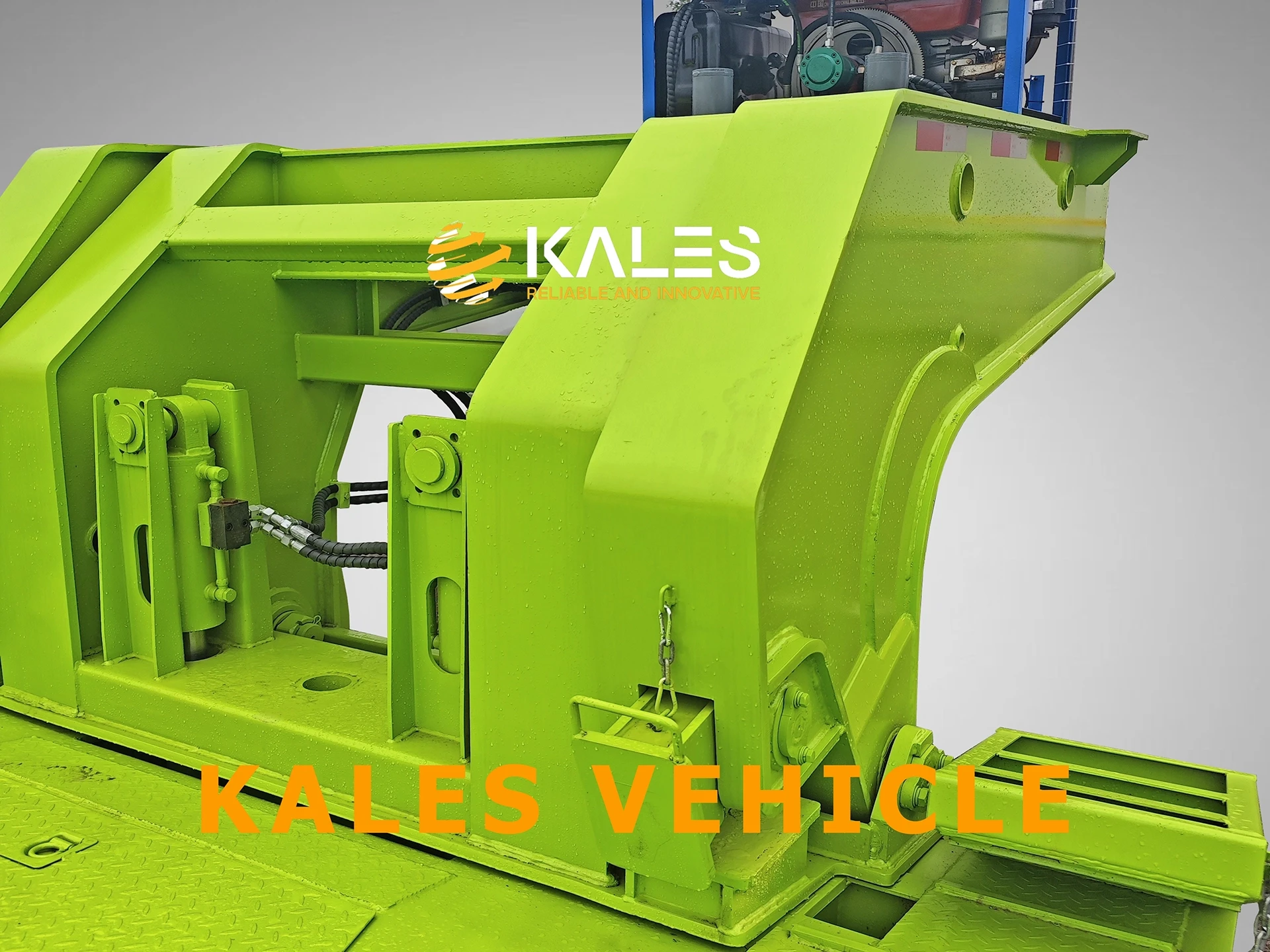
| Gooseneck | Hydraulic detachable gooseneck for front-loading access and low-angle cargo entry |
| Axle package | 2-line 4-axle heavy-haul layout with 16 wheel ends |
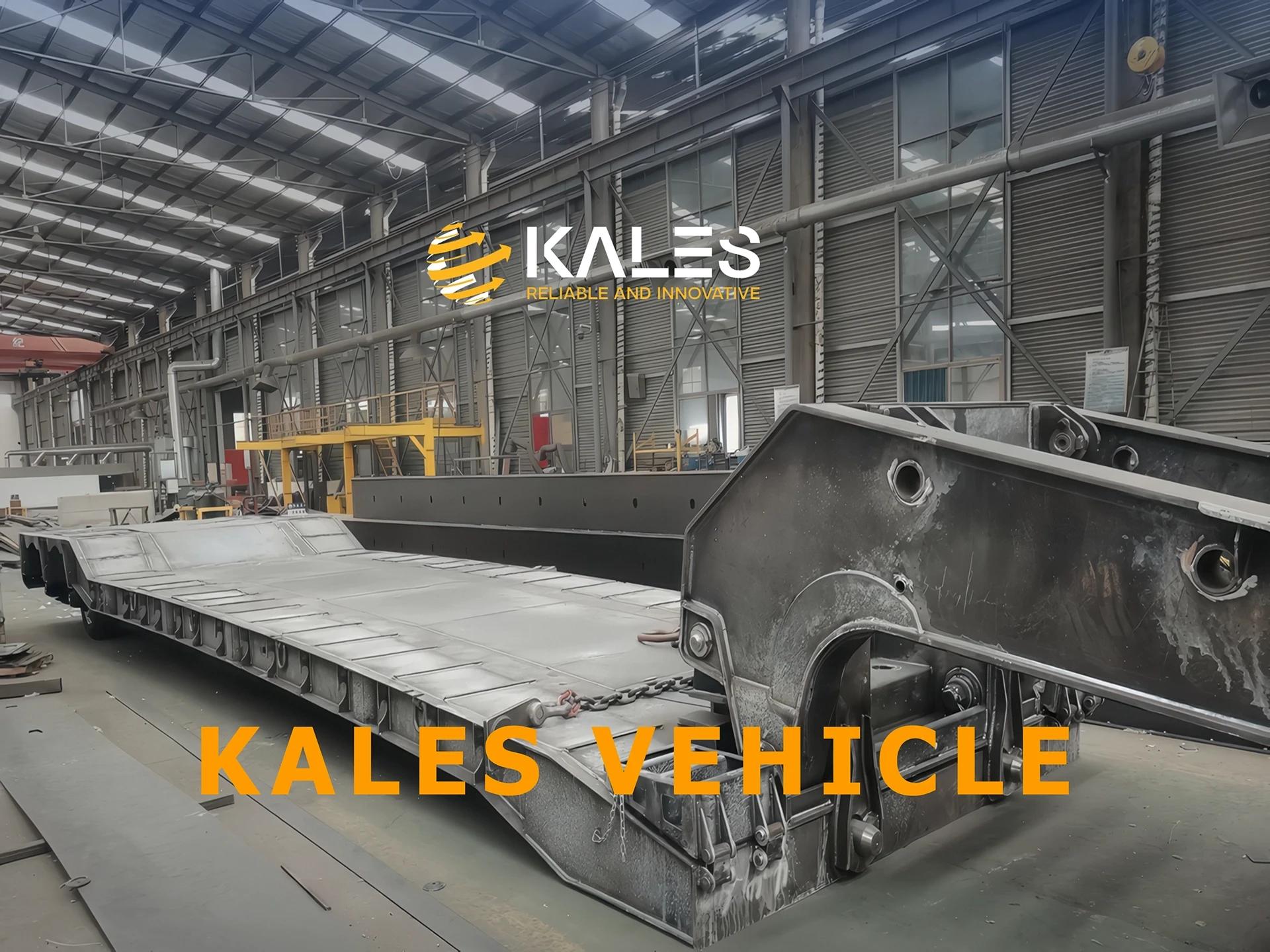
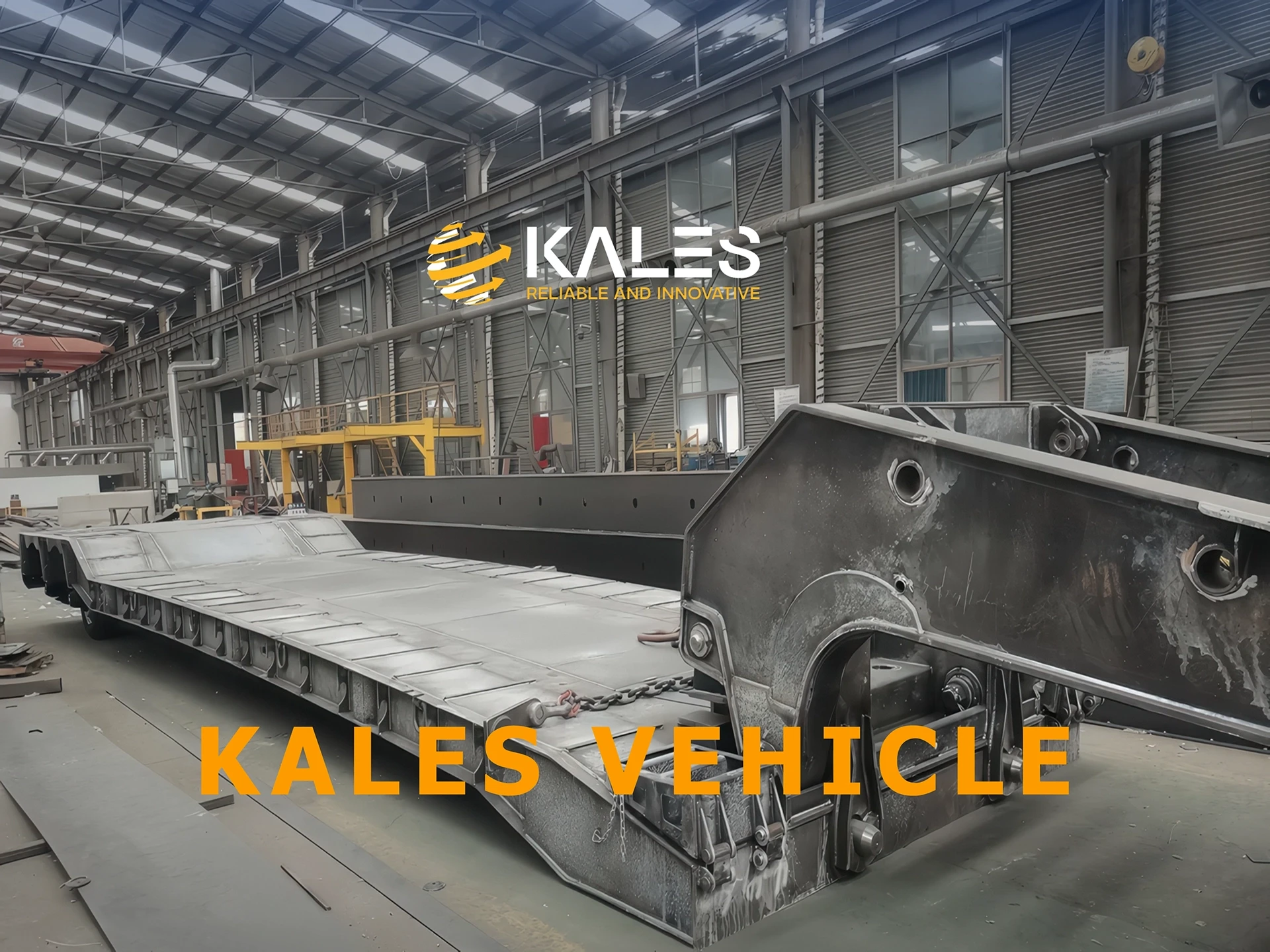
| Main structure | HG60 high-strength steel telescopic beam and low-deck structure for oversized cargo transport |
| Suspension | Heavy-duty mechanical suspension, matched for project-haul route severity |
| Tyres | 265/70R19.5 heavy-haul tire package on the represented build |
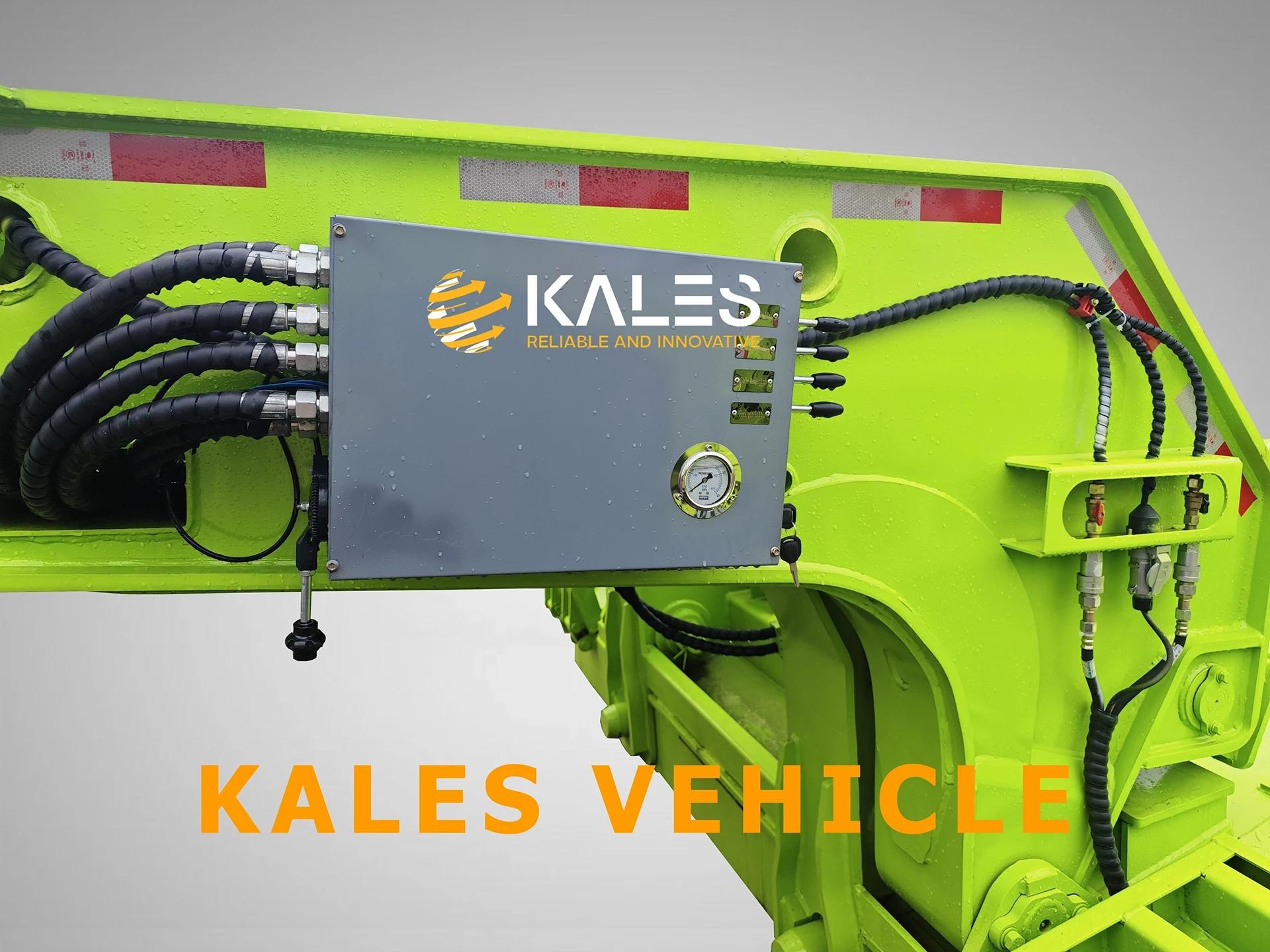
| Hydraulic power | Independent diesel power pack can be specified for gooseneck operation without relying on truck PTO |
| Custom quotation | Contact KALES for a tailored quotation based on the required configuration, order quantity, and destination. |
This page fits fleets that move crawler excavators, tracked drilling equipment, crushers, long plant components, wind-energy sections, long steel members, and other cargo that needs both front-loading access and deck extension. It is strongest where the transport problem is no longer just payload. The real issue is loading method, cargo geometry, ground approach angle, deck length, and route stability under abnormal freight conditions.
| Buyer comparison point | This telescopic RGN page | Africa 3 axle fixed lowbed | Global fixed-deck 80 ton page | Side-extension fixed deck page |
|---|---|---|---|---|
| Primary intent | Front-loading plus telescopic heavy-haul flexibility | Value-led regional machinery hauling | Broader export fixed-deck machinery transport | Width-flexible fixed deck for broader machines |
| Key loading method | Detachable-gooseneck front loading | Rear ramp loading | Rear ramp loading | Rear ramp loading with width support |
| Main cargo challenge | Long abnormal cargo and crawler-machine access | Lower-cost mixed-route heavy equipment work | Export-ready fixed-deck machinery transport | Wider machinery and side-support deck demand |
| When to move up | When the job turns into true ultra-heavy abnormal project haul | When front loading or telescopic length becomes necessary | When front loading or extension becomes necessary | When front loading or extension becomes necessary |
This trailer is not just a fixed lowbed with extra complexity added on top. The removable gooseneck changes how the cargo is loaded. For crawler machines, low-clearance equipment, and awkward long pieces, front loading can be operationally safer and commercially faster than forcing everything onto rear ramps.
The extension system matters because some buyers do not only face a weight problem. They face a geometry problem. Long beams, wind sections, pipes, and long-wheelbase machines need more support length and better center-of-gravity management than a shorter fixed deck can offer. That is the commercial reason this page should own telescopic project-haul intent.
The represented 2-line 4-axle layout with 16 wheel ends improves load spreading on softer surfaces and project routes. That helps buyers operating on mixed industrial yards, mining access roads, and unfinished construction corridors where ground pressure and maneuvering confidence matter as much as nominal payload.
Buyers should evaluate this trailer as a hydraulic heavy-haul system, not only as a chassis. The gooseneck cylinders, hose layout, valve block, locking interfaces, and independent diesel power pack all affect uptime. That service profile is justified only when the operation truly needs front-loading and extendable-project flexibility.
KALES confirms the quotation after reviewing the required specification, quantity, destination, and delivery terms. Send the operating requirements for an accurate proposal.




Share your target market, usage scenario, and preferred configuration.
Receive our model recommendation, specification review, and factory quotation.
Confirm production, inspection, shipment route, and export documents.
Stay supported after delivery with spare parts and remote assistance.
At Kales Vehicle, we keep freight planning practical so your trailer or truck reaches the destination with the right balance of protection, speed, and cost.
Container Shipping, Ro-Ro (Roll-on/Roll-off), and Bulk Cargo each serve different export needs, and we choose the safest route, loading method, and packing approach for the order.
Container loading of Kales semi trailer for export, ensuring secure fastening and space optimization.
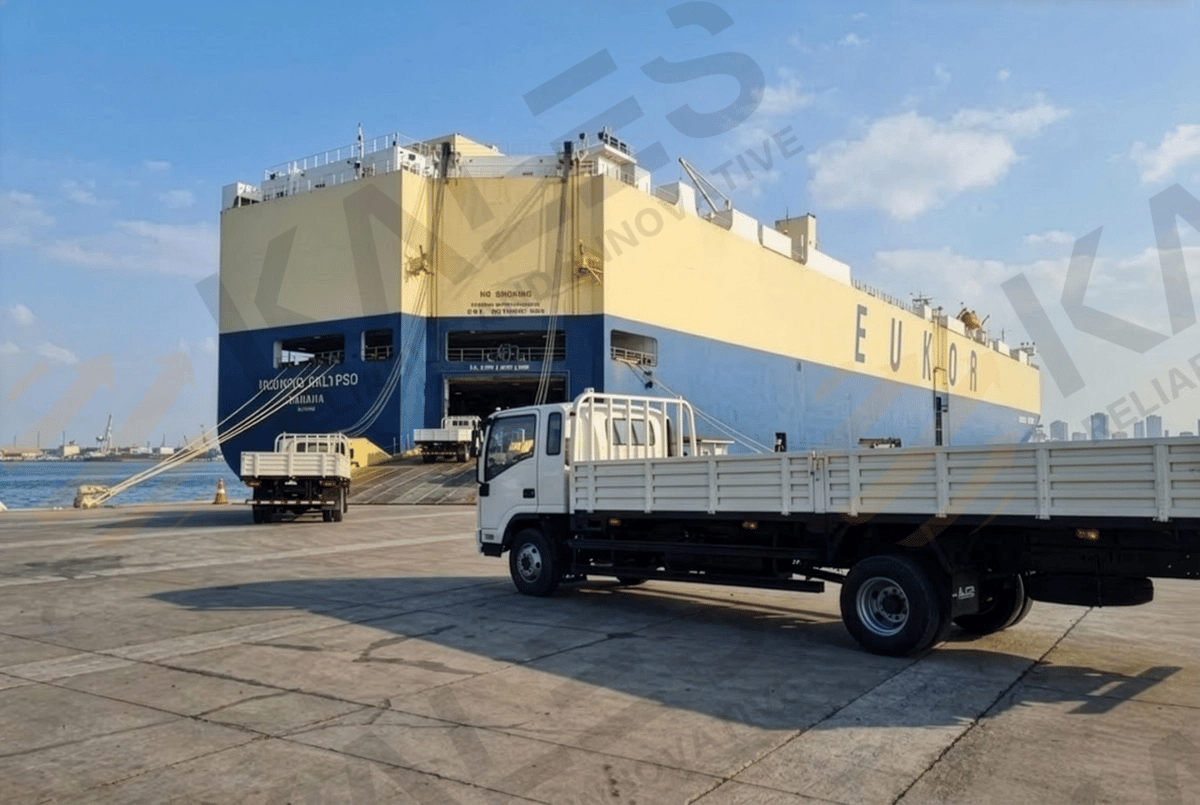
Ro-Ro shipping method for Kales commercial trailers, driving directly onto the vessel for maximum safety.
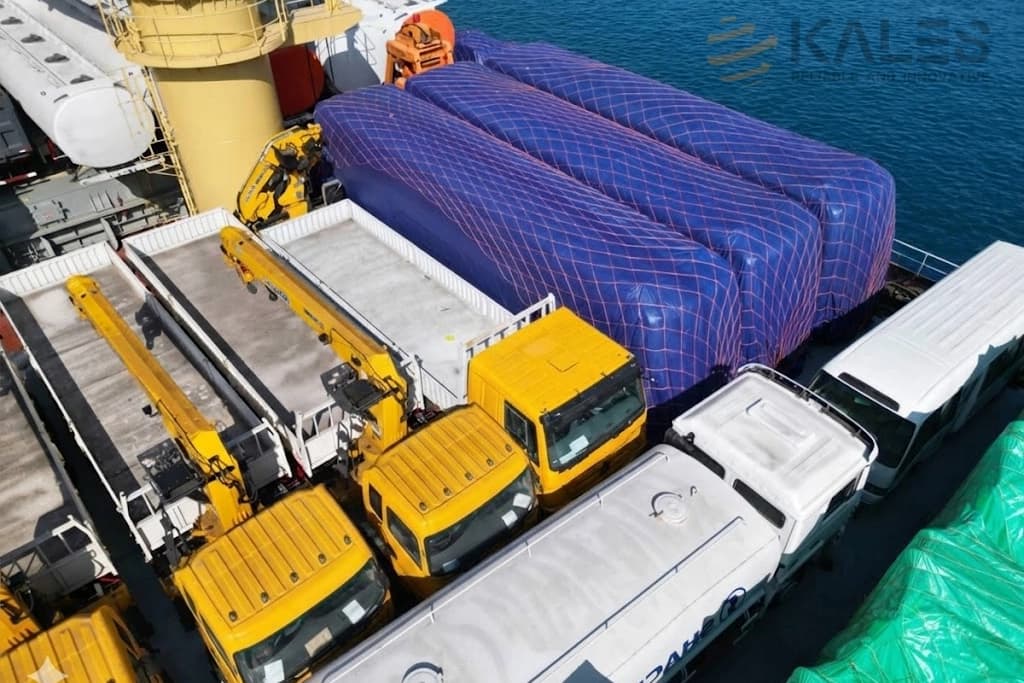
Bulk cargo transport of stacked Kales semi trailers with wax spraying protection against seawater corrosion.
If you are comparing an 80 ton telescopic detachable-gooseneck RGN lowbed trailer, send the cargo model, dimensions, single-piece weight, loading method, route country, and whether the job needs crawler front loading or long-cargo extension. Kales can then confirm whether this telescopic RGN platform is the right fit or whether a fixed-deck or 150 ton project-haul path is more accurate.
Factory engineering notes, maintenance protocols, and buyer checklists related to this equipment.
Mobilizing oversized industrial machinery—including hydraulic excavators, crawler bulldozers, rotary drilling rigs, crus…
In African open-pit mining, quarrying, and bulk mineral haulage—from the gold corridors of Geita and Kahama in Tanzania…
Nigeria represents the largest commercial vehicle market in Sub-Saharan Africa, serving as the industrial and trade loco…
80 Ton Telescopic RGN Lowbed Trailer (Detachable Gooseneck)
Factory Direct · Free Quote