Container Shipping
Container loading of Kales semi trailer for export, ensuring secure fastening and space optimization.



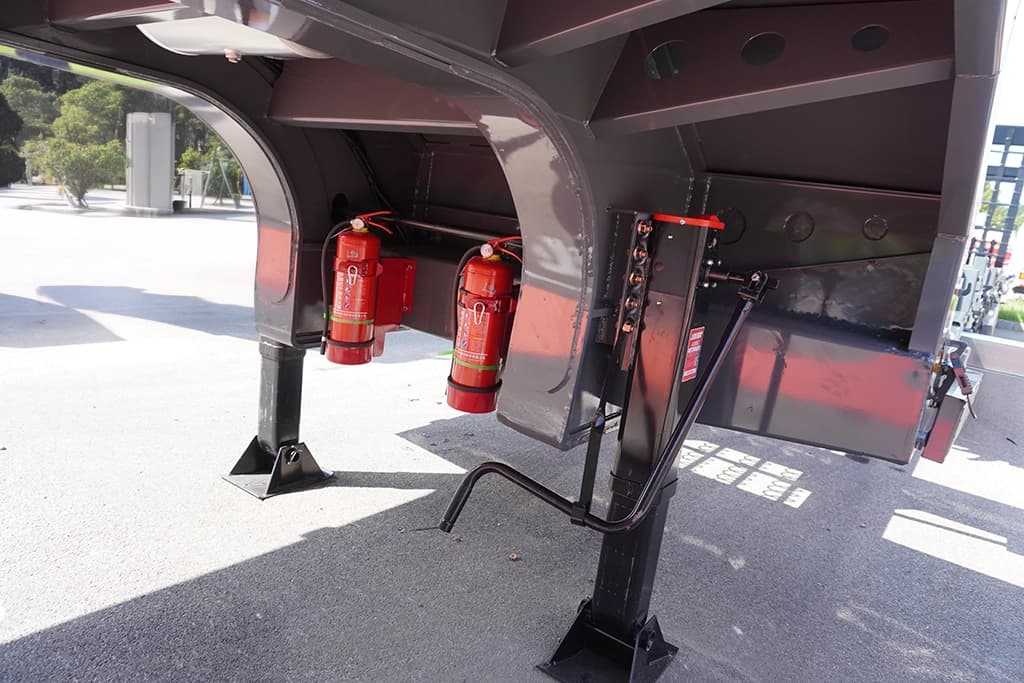
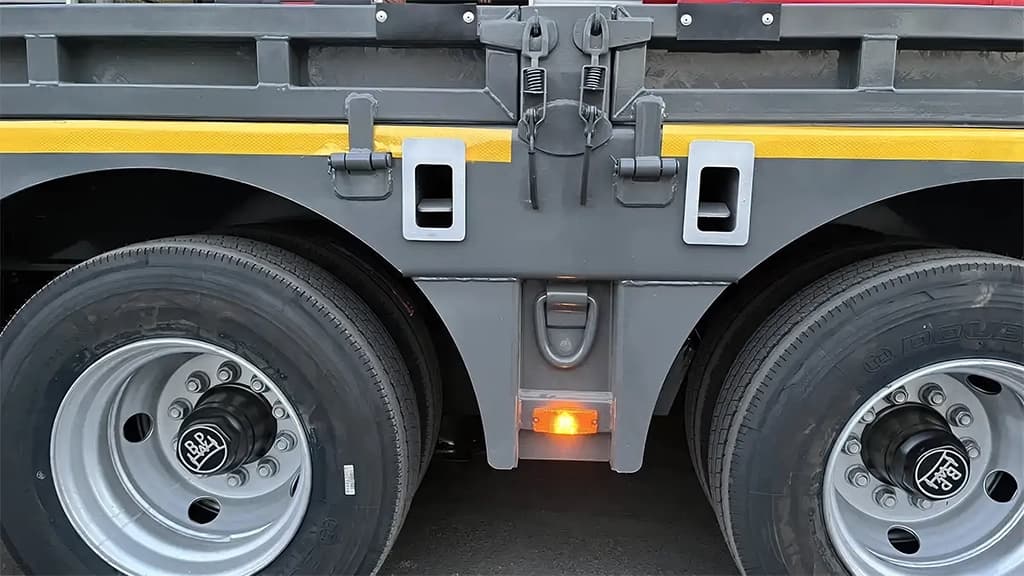
Trailer Type
lowbed
Axles
5 axles
Payload
60
Road Matching
air suspension
Quick answer: choose this 5 axle extendable lowbed trailer when the transport problem is cargo length and deck flexibility rather than extreme single-piece weight. It is the better fit for pipes, poles, beams, long machinery, and project cargo that benefit from up to 6 meters of deck extension, side widening, five-axle stability, and air-suspension support. Move to an RGN or a 150 ton heavy-haul platform only when front-loading access or far higher project weight becomes the real requirement.
✓ Direct technical consultation from factory engineers · Zero trader markup
Factory Direct Export
Zero trader markup
Heavy-Duty Certified
ISO9001 / CCC / CIQ
Global Sea Freight
Container / Ro-Ro / Bulk
Custom Engineering
Tailored configurations
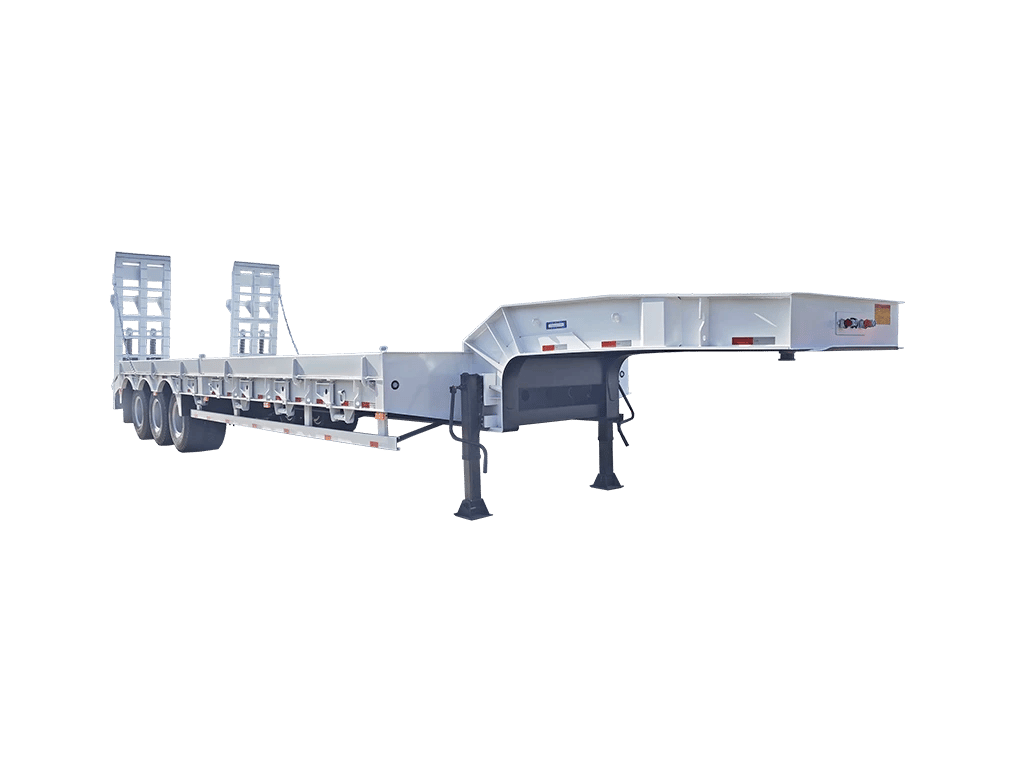
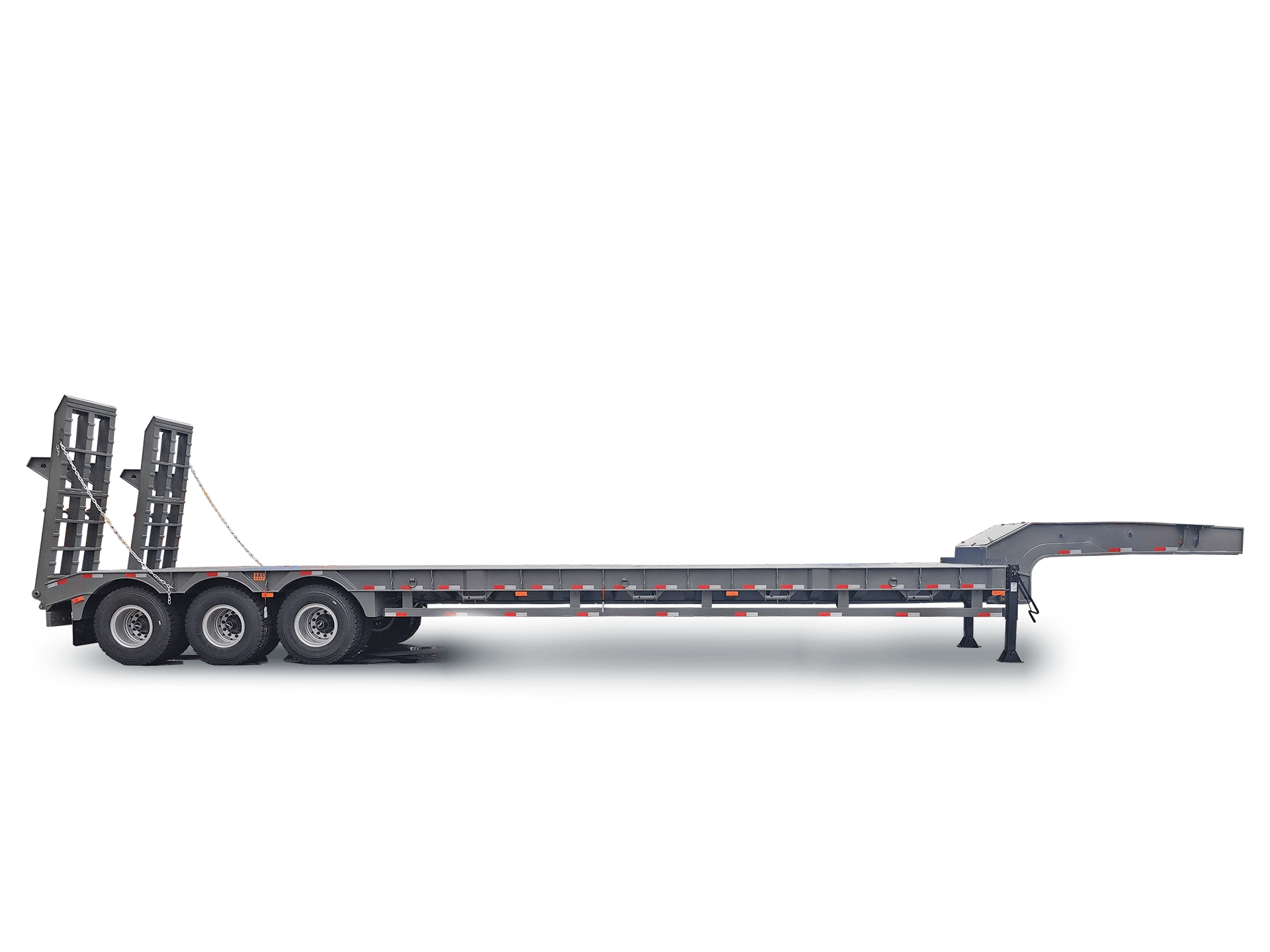
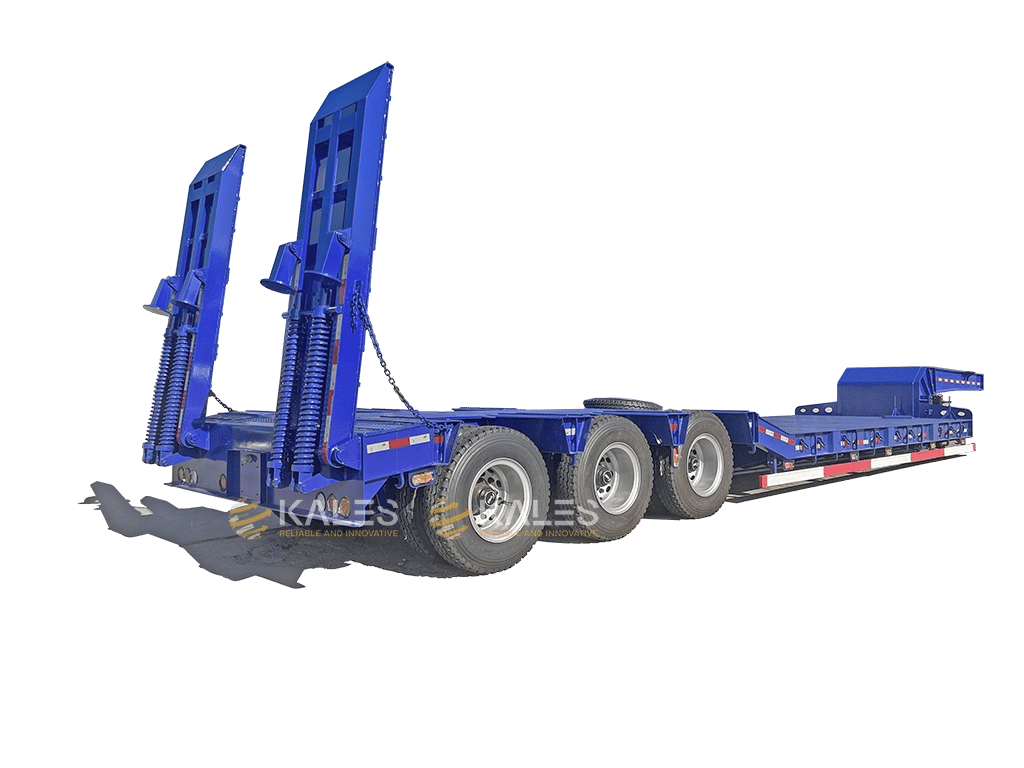
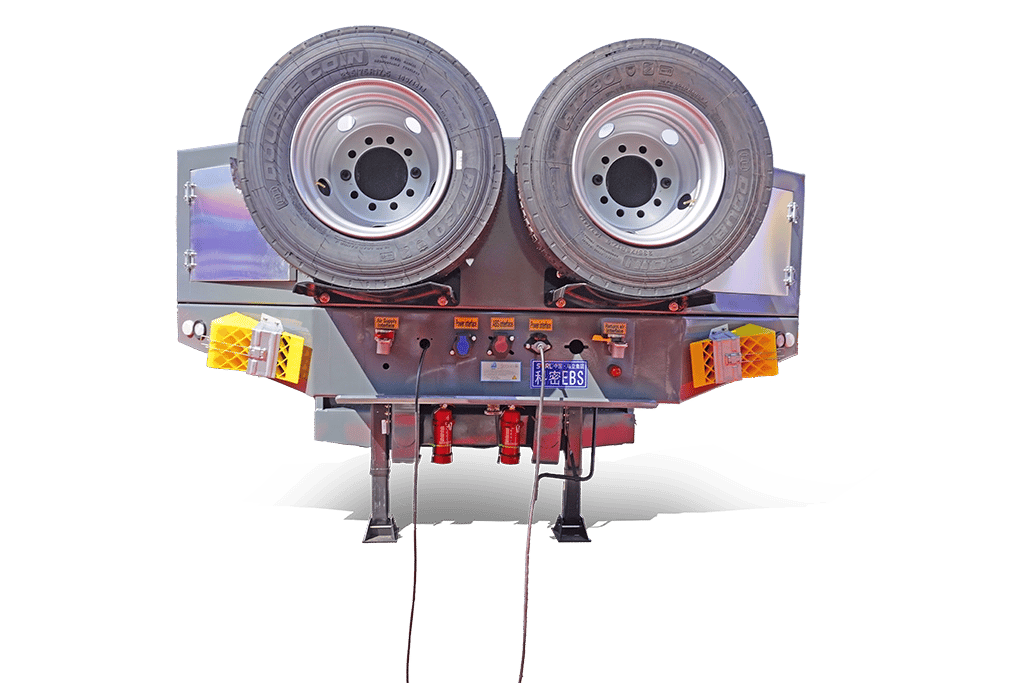
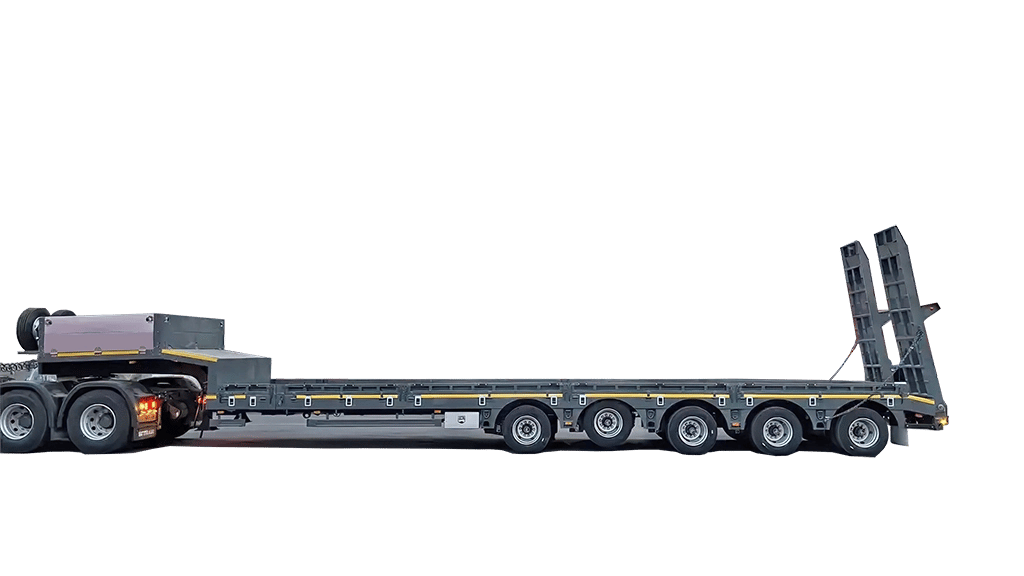
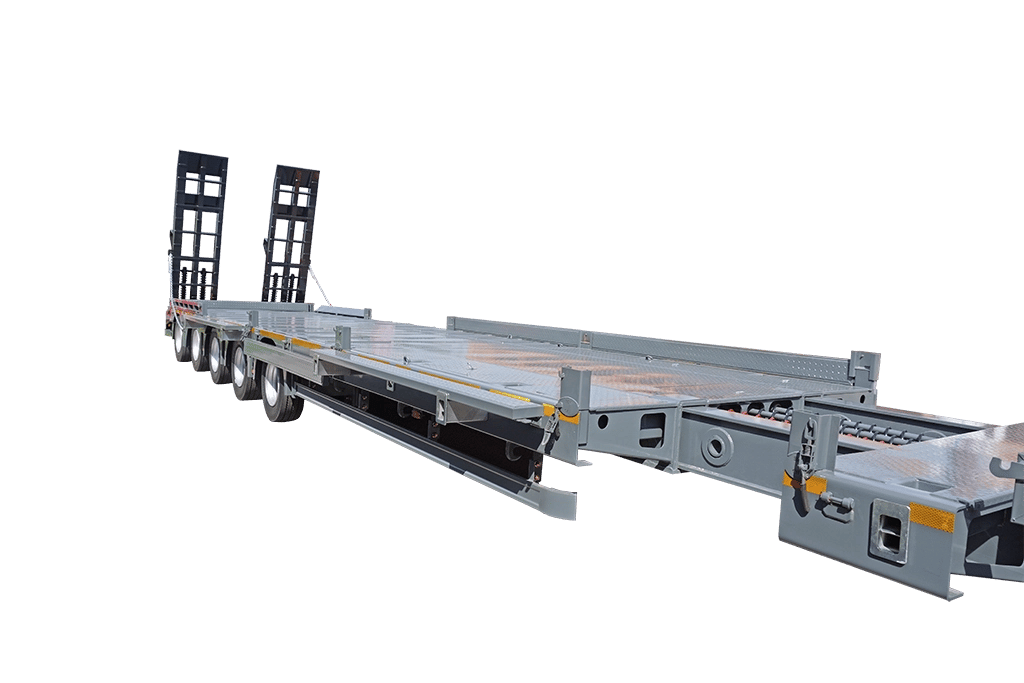
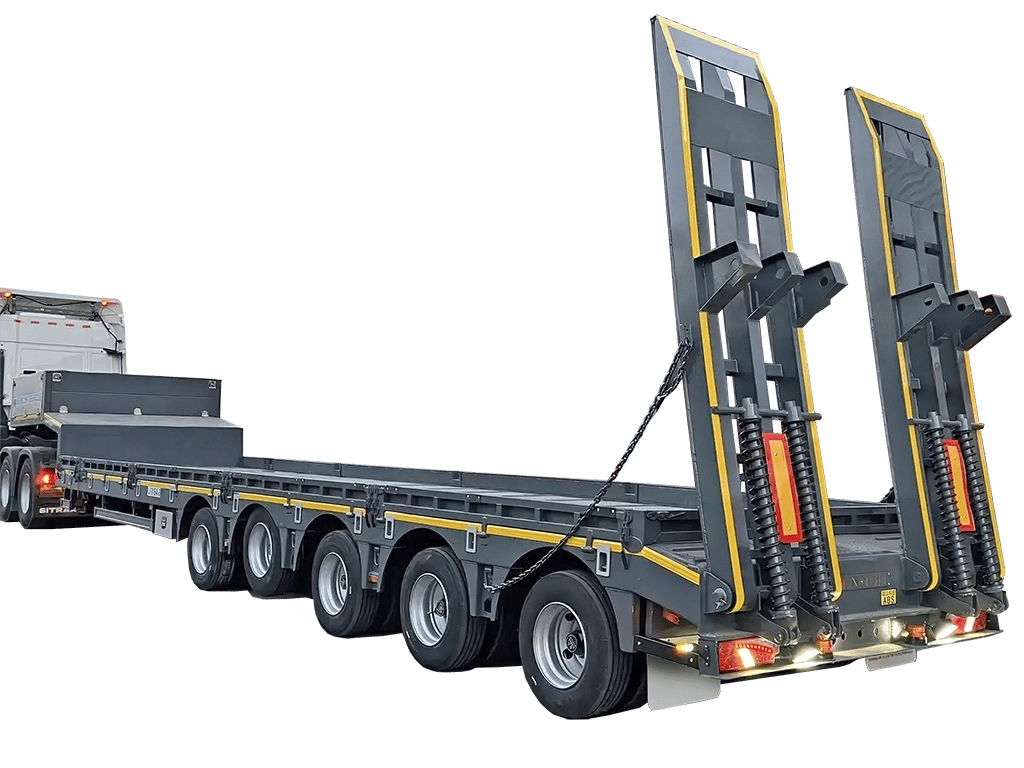
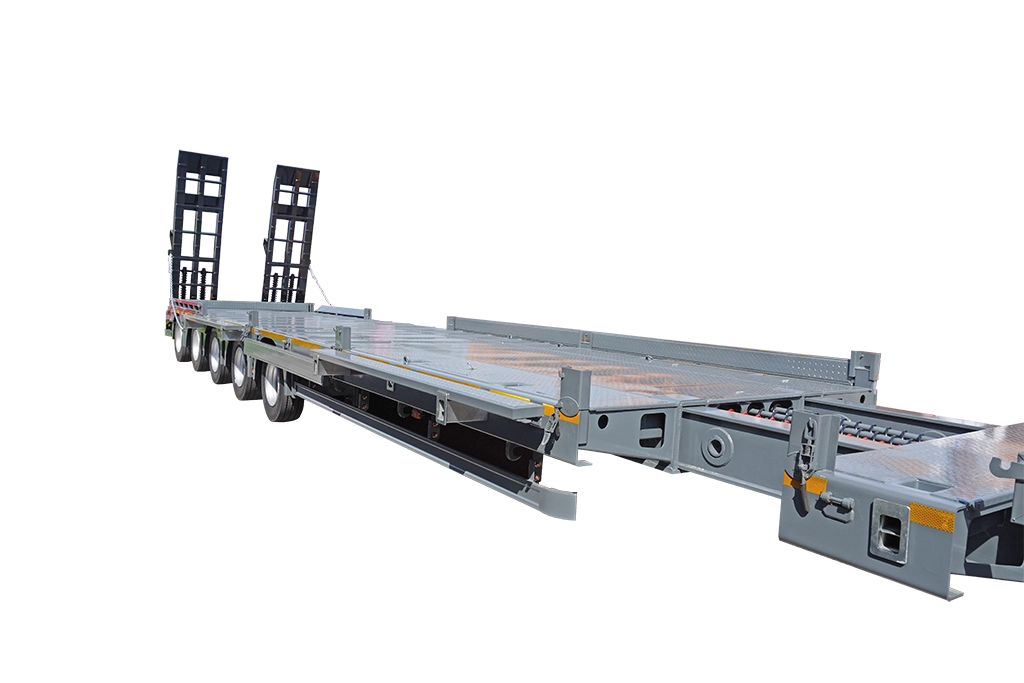
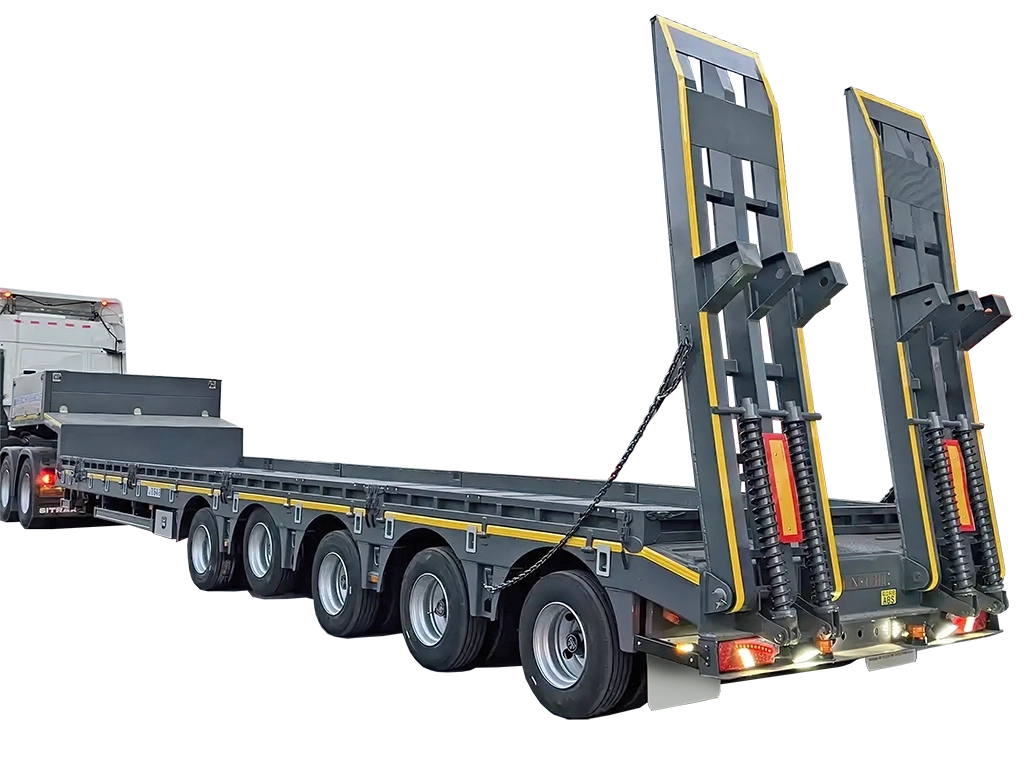
5 axle extendable lowbed trailer: this Kales drop deck platform is built for buyers who need more usable deck length and width flexibility than a fixed lowbed, but do not yet need a detachable-gooseneck heavy-haul trailer. It is positioned for long indivisible cargo, long-wheelbase machinery, steel structures, pipes, poles, and project freight that must stay stable while remaining commercially practical to source and service.
Engineering guidance from the Kales Vehicle lowbed team for fleets comparing fixed lowbeds, extendable drop deck trailers, telescopic RGN platforms, and wider heavy-haul configurations.
| Product type | 5 axle extendable drop deck lowbed semi-trailer |
|---|---|
| Payload positioning | 60 ton class extendable lowbed, with final commercial scope confirmed by extension length, width requirement, axle package, route condition, and permit target |
| Overall dimensions | 16000 × 2550 × 3750 mm |
| Extension length | Up to 6 meters depending on final build |
| Width strategy | Side widening available for oversized-width cargo, with up to 2 meters of additional width capacity depending on configuration |
| Tare weight | 15000 kg |
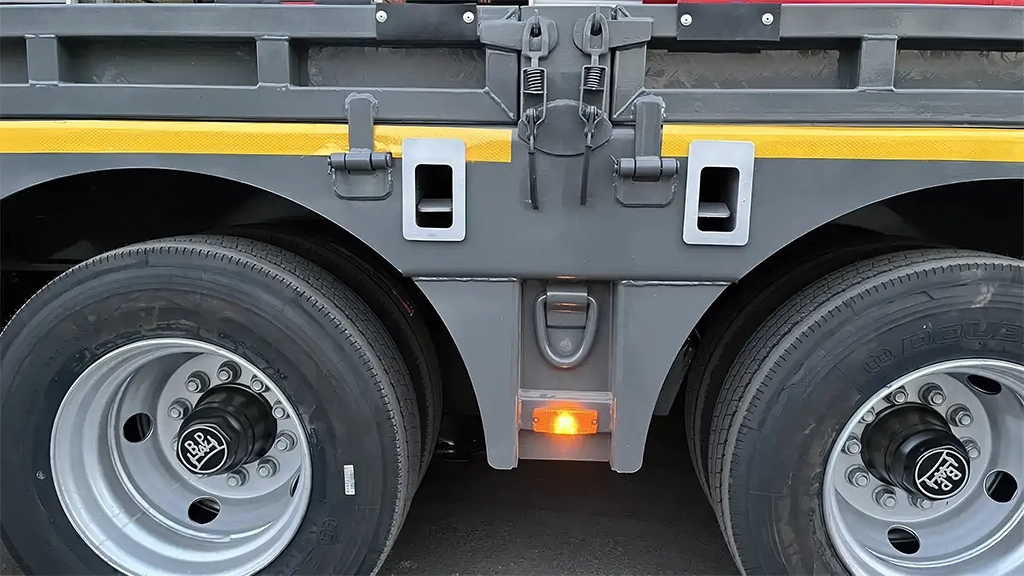
| Axles | 5 axles, BPW, Fuwa, or Kales matching according to project scope |
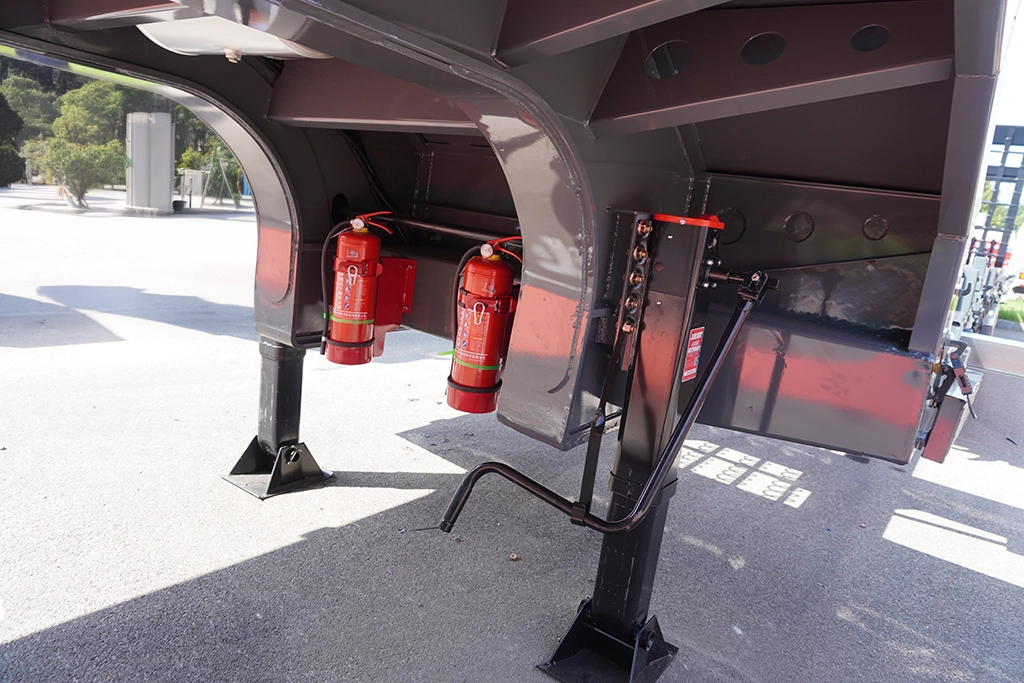
| Suspension | Five-axle air suspension package with lift and steering logic available by configuration |
| Tyres | 235/70R17.5, 20 pcs on the represented family configuration |
| Main beam | Q345B or ST52-3 manganese plate structure with automatic submerged-arc welding |
| Typical cargo focus | Excavators, loaders, cranes, steel pipes, round bars, utility poles, timber, prefab beams, and other long indivisible loads |
| Custom quotation | Contact KALES for a tailored quotation based on the required configuration, order quantity, and destination. |
This extendable lowbed is strongest when the buyer needs more deck adaptability than a fixed 50 ton or 3 axle 80 ton lowbed can provide. It fits fleets carrying long project cargo on highway-plus-regional routes, contractors moving long-wheelbase machines between sites, and industrial transporters dealing with beams, pipes, poles, or structural cargo that does not justify a more complex detachable-gooseneck platform on every trip.
| Product path | Best when | Move away when |
|---|---|---|
| 50 ton fixed lowbed | Shorter machinery and lower-cost routine equipment hauling | You need extendable deck length or width flexibility |
| 80 ton 3 axle Africa lowbed | Cost-controlled heavy equipment transport on mixed African routes | Your cargo is longer and less suited to a fixed deck |
| This 5 axle extendable drop deck | Long cargo, longer machines, width flexibility, and project adaptability | You need front-loading access or far heavier heavy-haul capacity |
| 80 ton telescopic RGN or 150 ton heavy-haul | Front-loading crawler machinery or extreme heavy project cargo | The job is really a length-flexibility problem rather than a specialized heavy-haul problem |
Fixed lowbeds solve many machinery jobs, but they become inefficient when the real challenge is cargo length. The extendable center section lets fleets support long cargo without immediately moving into a more specialized telescopic RGN or a much heavier modular heavy-haul platform. That makes the trailer commercially useful across more project types and reduces the need to over-spec every move.
The represented family configuration uses a five-axle running set with air suspension and 17.5-inch wheel package. In practical fleet terms, this is about load sharing, better control over ride height, and better route adaptability on long cargo moves. Depending on final build scope, buyers can specify axle lift and steering logic that helps manage empty running, turning behavior, and project-route maneuvering.
The published base structure references Q345B or ST52-3 manganese plate with submerged-arc welded beam construction. This is a more grounded engineering signal than generic “ultra-strong” marketing language. Buyers should confirm the final beam section, extension mechanism, width system, and suspension logic against the real cargo plan, because an extendable lowbed must be matched to route use, not sold as a one-size-fits-all promise.
KALES confirms the quotation after reviewing the required specification, quantity, destination, and delivery terms. Send the operating requirements for an accurate proposal.
Share your target market, usage scenario, and preferred configuration.
Receive our model recommendation, specification review, and factory quotation.
Confirm production, inspection, shipment route, and export documents.
Stay supported after delivery with spare parts and remote assistance.
At Kales Vehicle, we keep freight planning practical so your trailer or truck reaches the destination with the right balance of protection, speed, and cost.
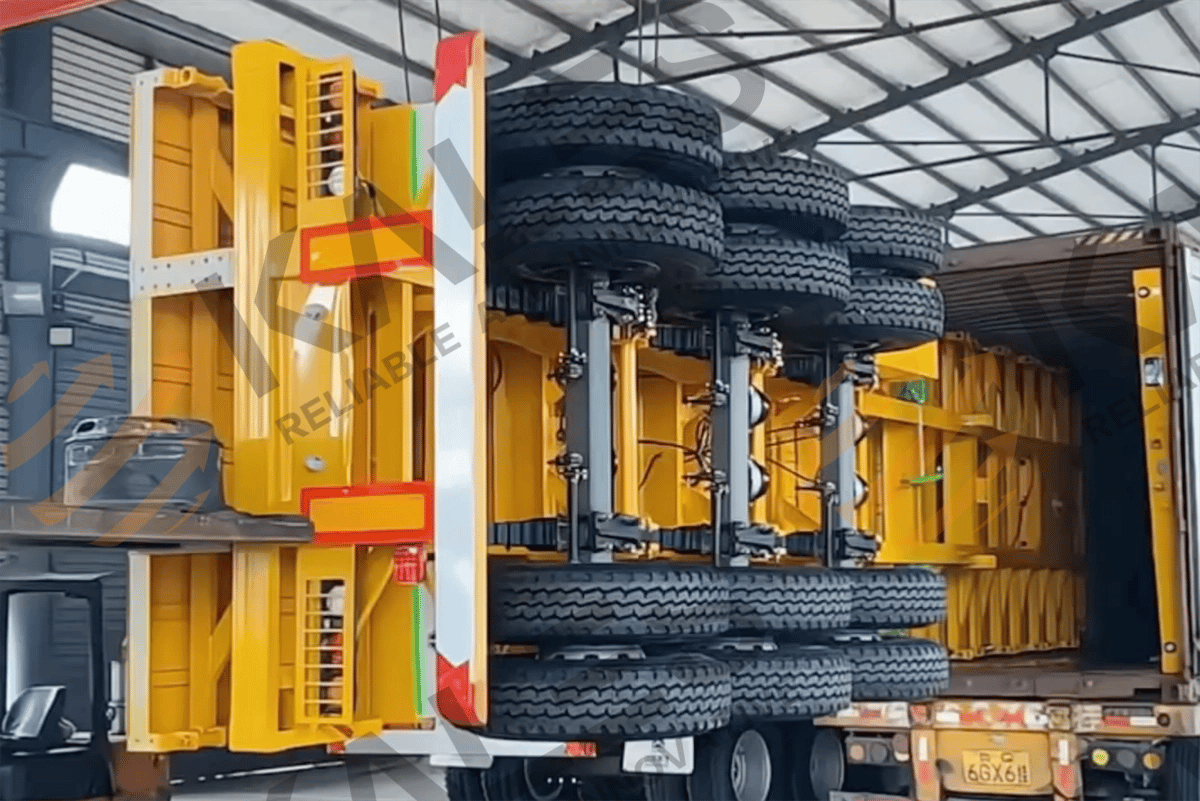
Container Shipping, Ro-Ro (Roll-on/Roll-off), and Bulk Cargo each serve different export needs, and we choose the safest route, loading method, and packing approach for the order.
Container loading of Kales semi trailer for export, ensuring secure fastening and space optimization.
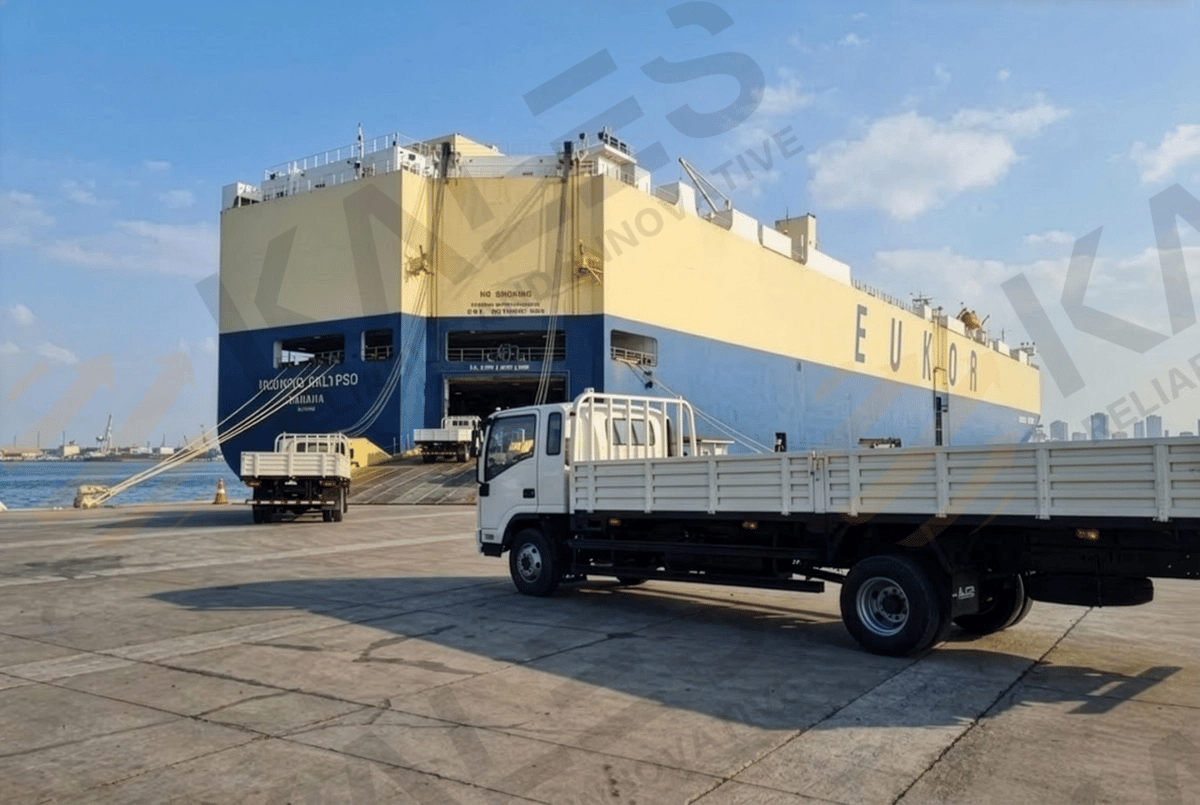
Ro-Ro shipping method for Kales commercial trailers, driving directly onto the vessel for maximum safety.
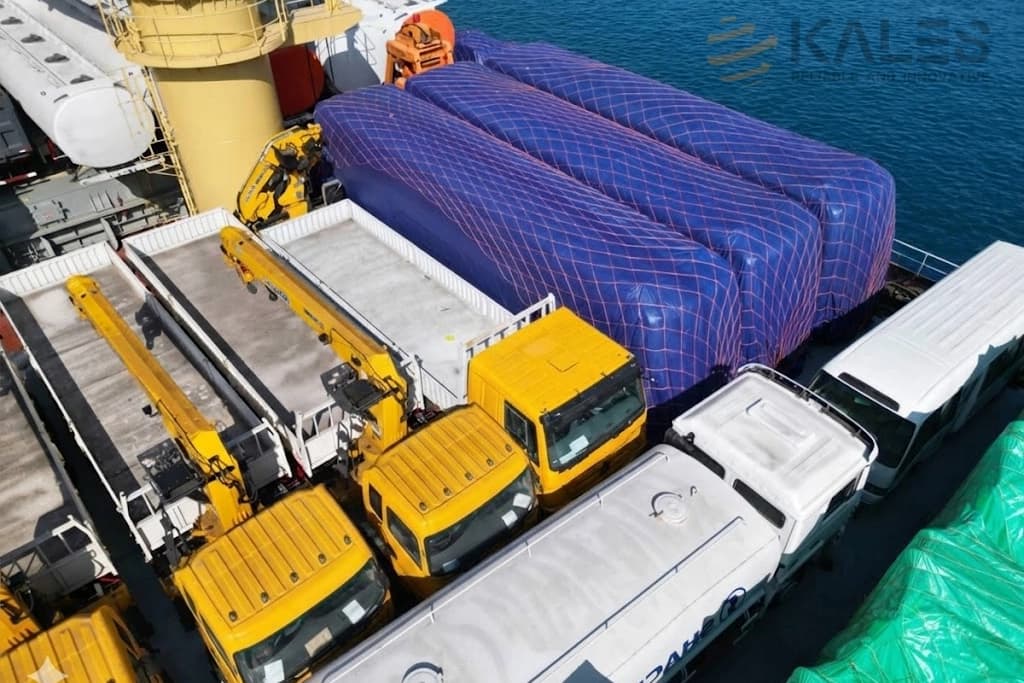
Bulk cargo transport of stacked Kales semi trailers with wax spraying protection against seawater corrosion.
If you are comparing a 5 axle extendable lowbed trailer, send the cargo length, width, single-piece weight, route country, tractor saddle height, and whether you need axle lift, steering support, or side widening. Kales can then match the correct extendable drop deck scope instead of quoting a fixed lowbed that does not really fit the job.
Factory engineering notes, maintenance protocols, and buyer checklists related to this equipment.
Mobilizing oversized industrial machinery—including hydraulic excavators, crawler bulldozers, rotary drilling rigs, crus…
In African open-pit mining, quarrying, and bulk mineral haulage—from the gold corridors of Geita and Kahama in Tanzania…
Nigeria represents the largest commercial vehicle market in Sub-Saharan Africa, serving as the industrial and trade loco…
5 Axle Extendable Lowbed Trailer
Factory Direct · Free Quote