Container Shipping
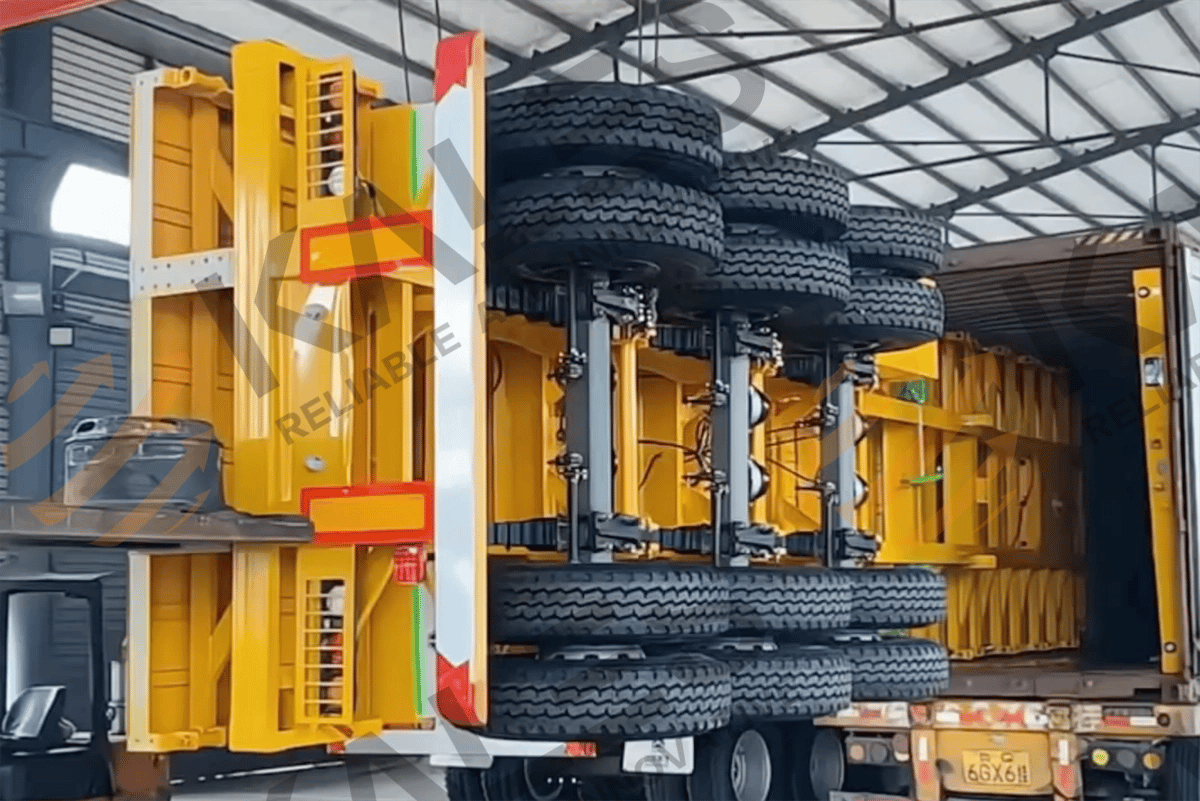
Container loading of Kales semi trailer for export, ensuring secure fastening and space optimization.



Trailer Type
Semi trailer
Axles
Multi-axle options
Payload
Configured to project requirement
Road Matching
leaf spring
Quick answer: choose this Kales aluminum truck wheel family when your operation is road-focused and you want lighter wheel weight, better cooling, and cleaner long-term appearance for trucks, reefers, tankers, and highway trailers. If the priority is only the lowest purchase price for rough abuse with little concern for weight or corrosion, a basic steel wheel is usually the cheaper direction.
✓ Direct technical consultation from factory engineers · Zero trader markup
Factory Direct Export
Zero trader markup
Heavy-Duty Certified
ISO9001 / CCC / CIQ
Global Sea Freight
Container / Ro-Ro / Bulk
Custom Engineering
Tailored configurations
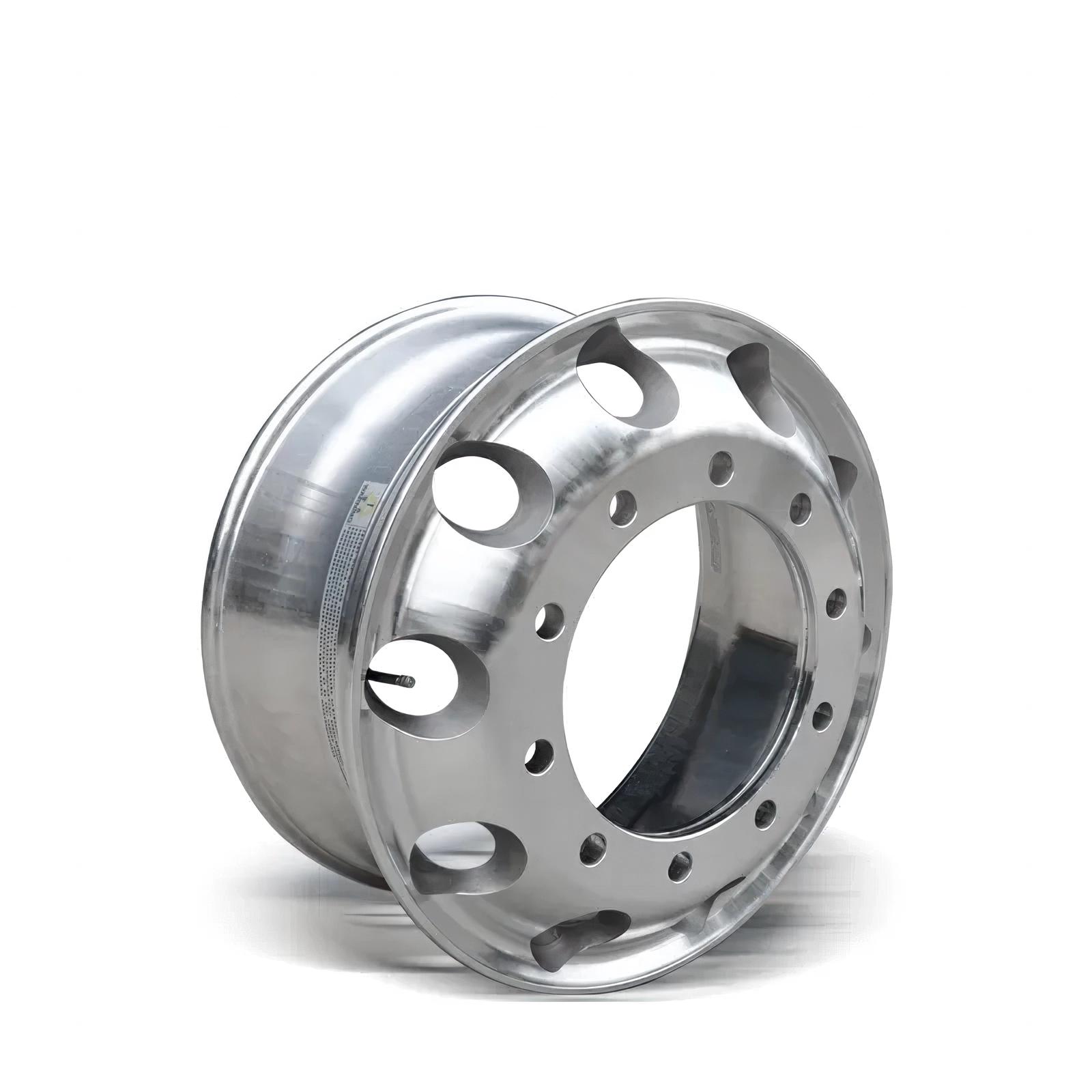
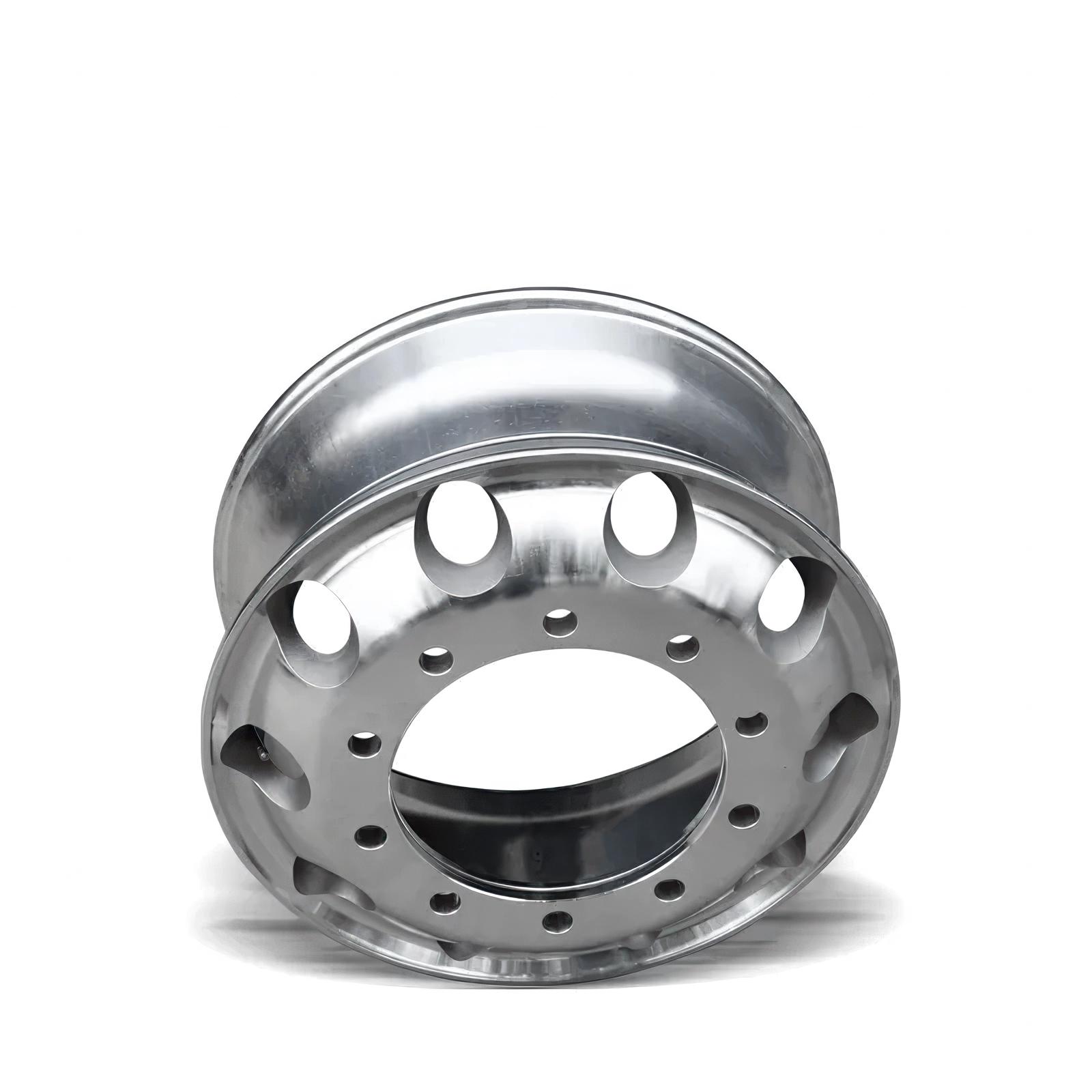
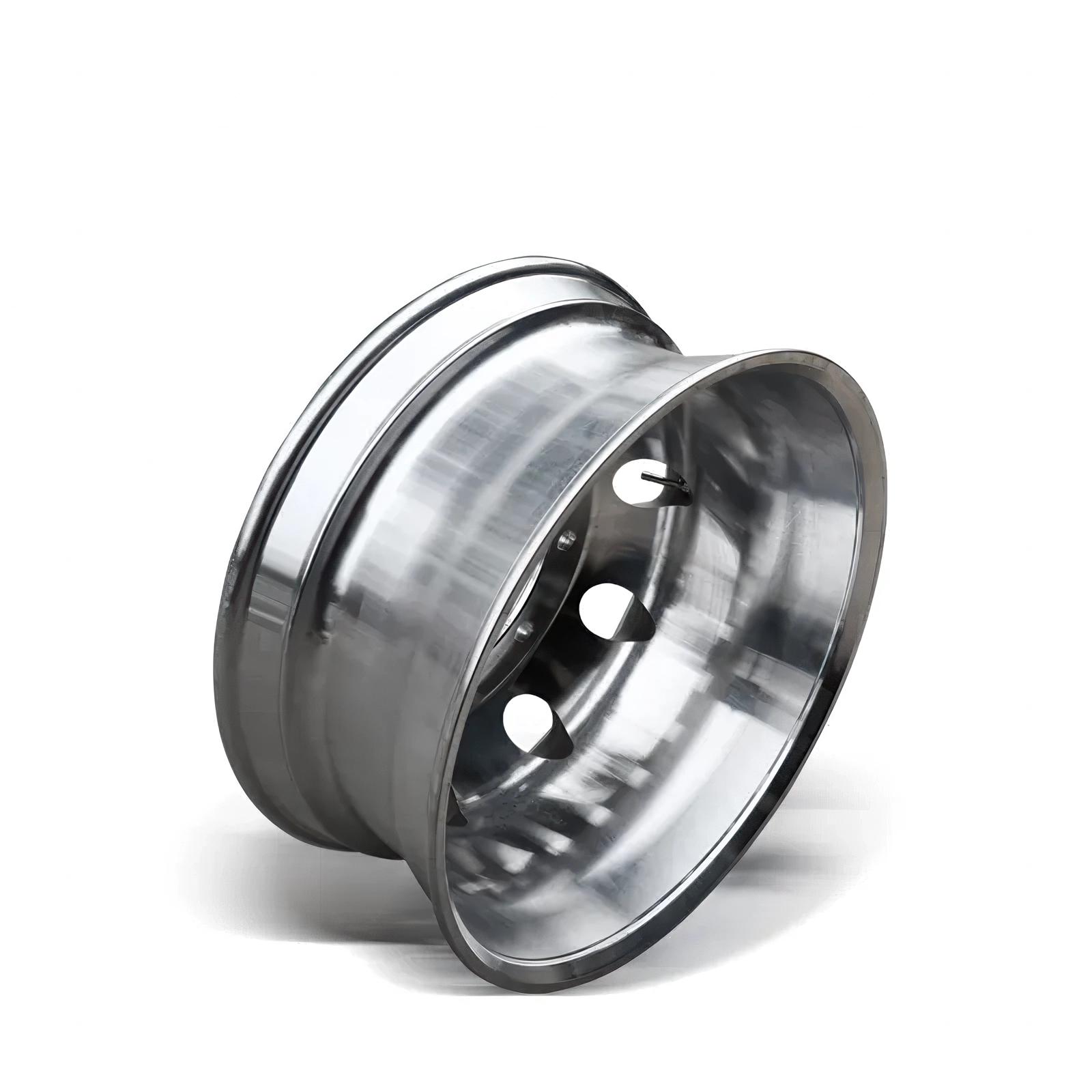
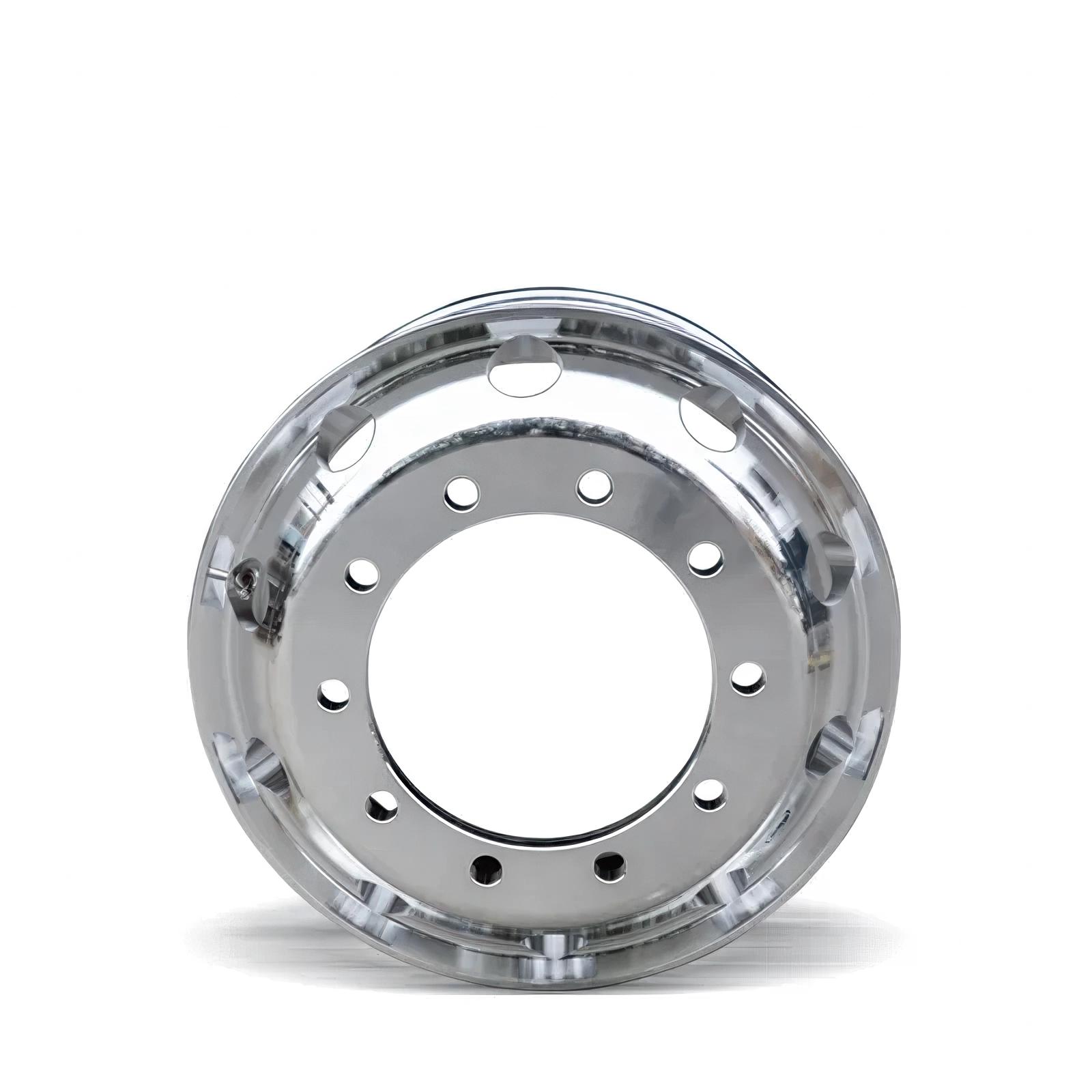
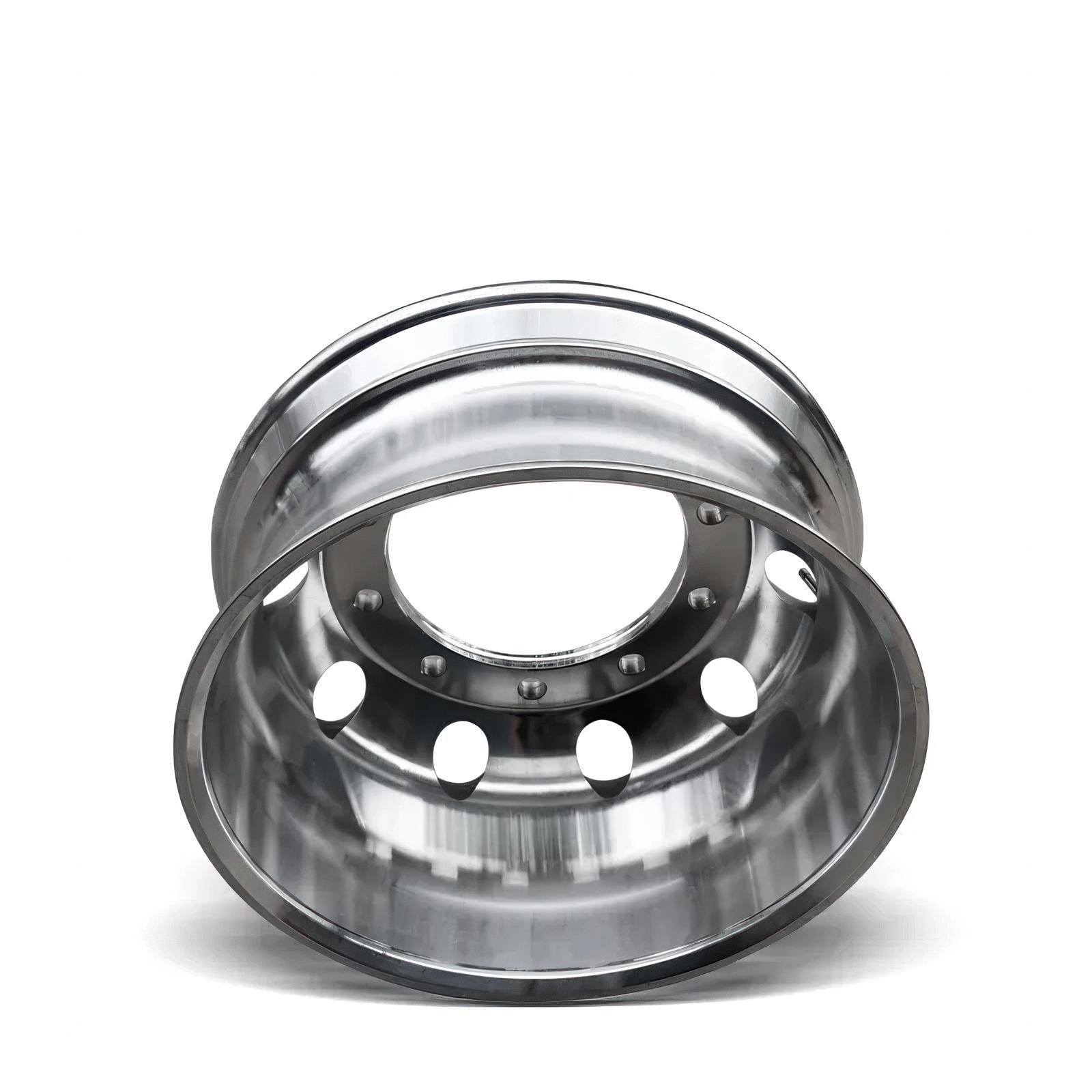
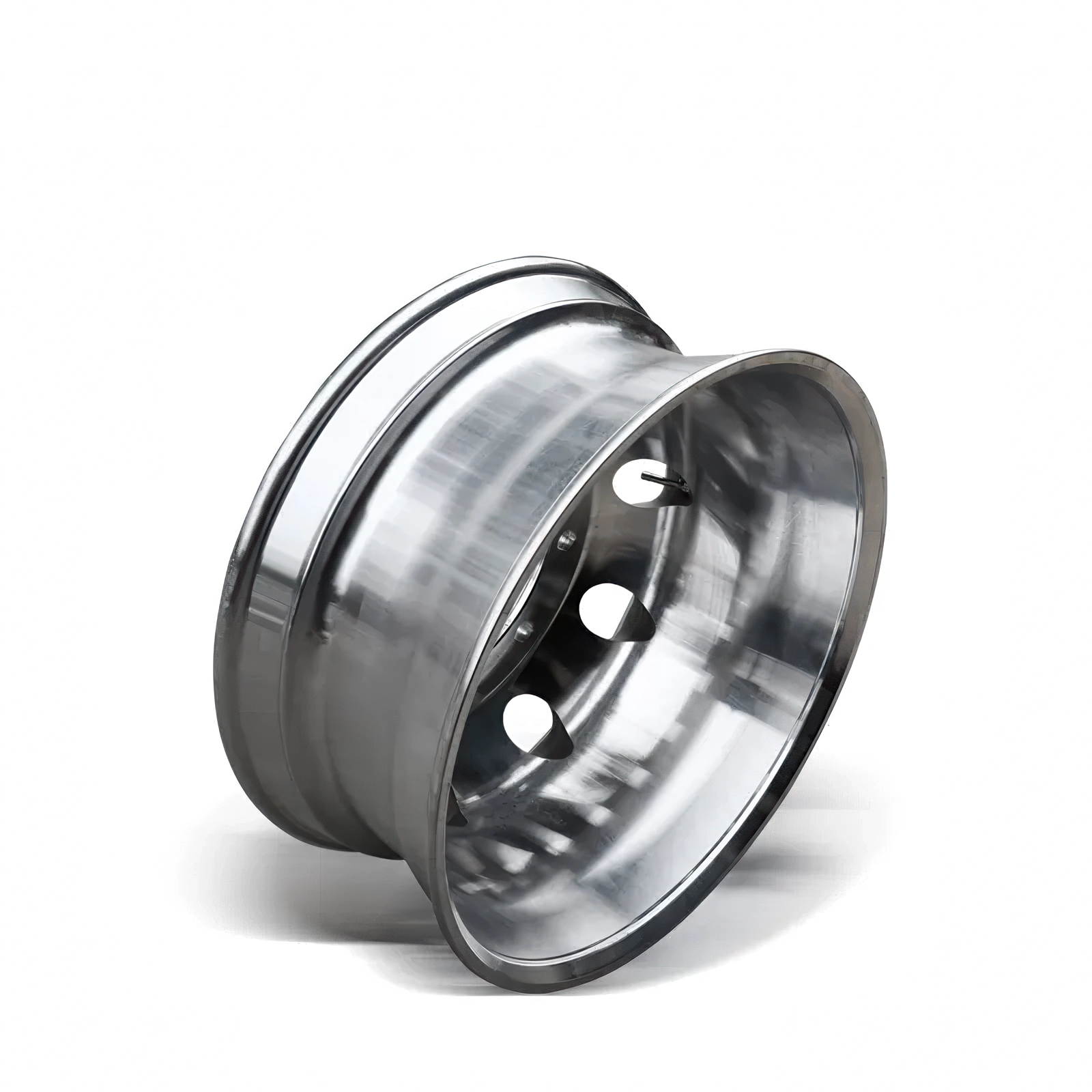
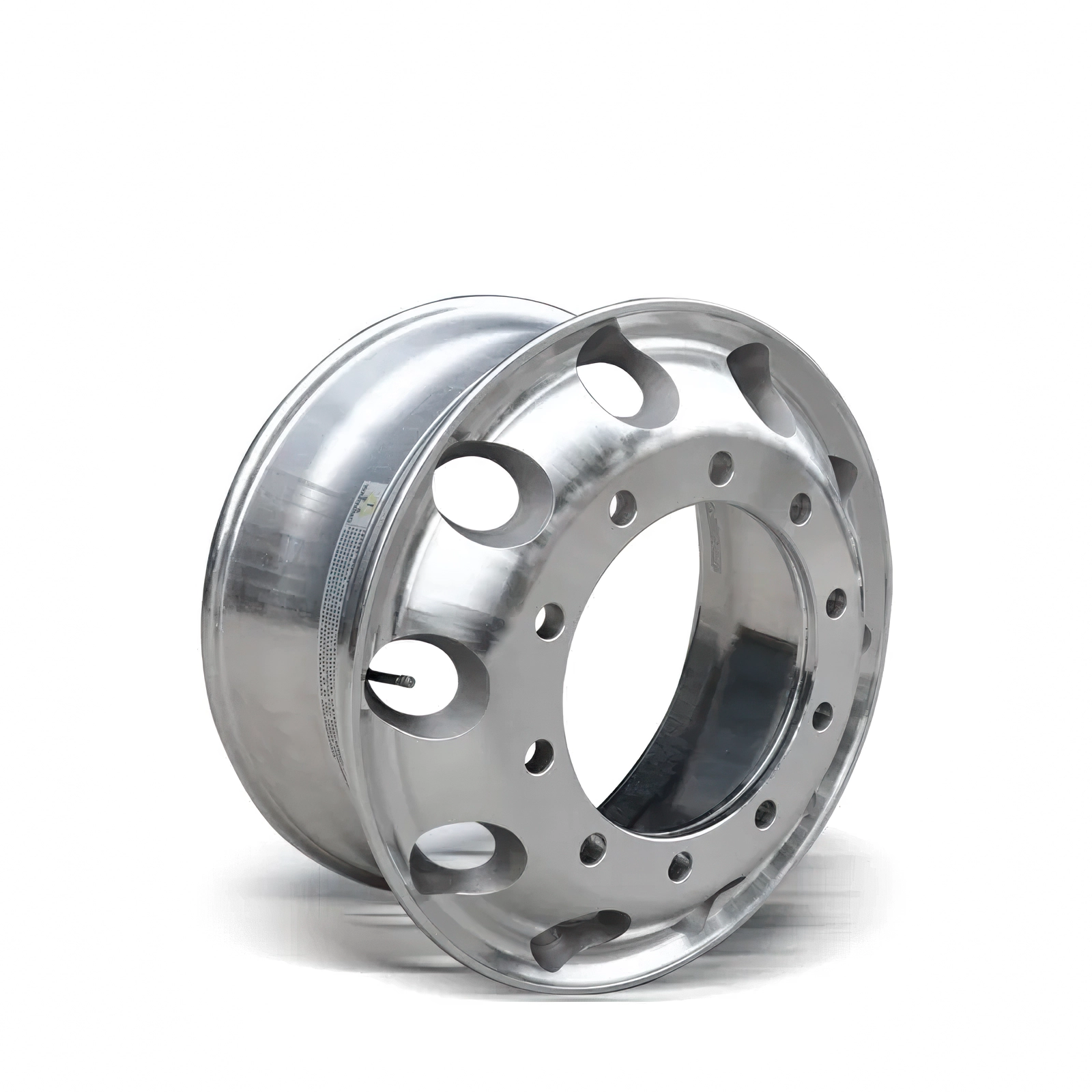
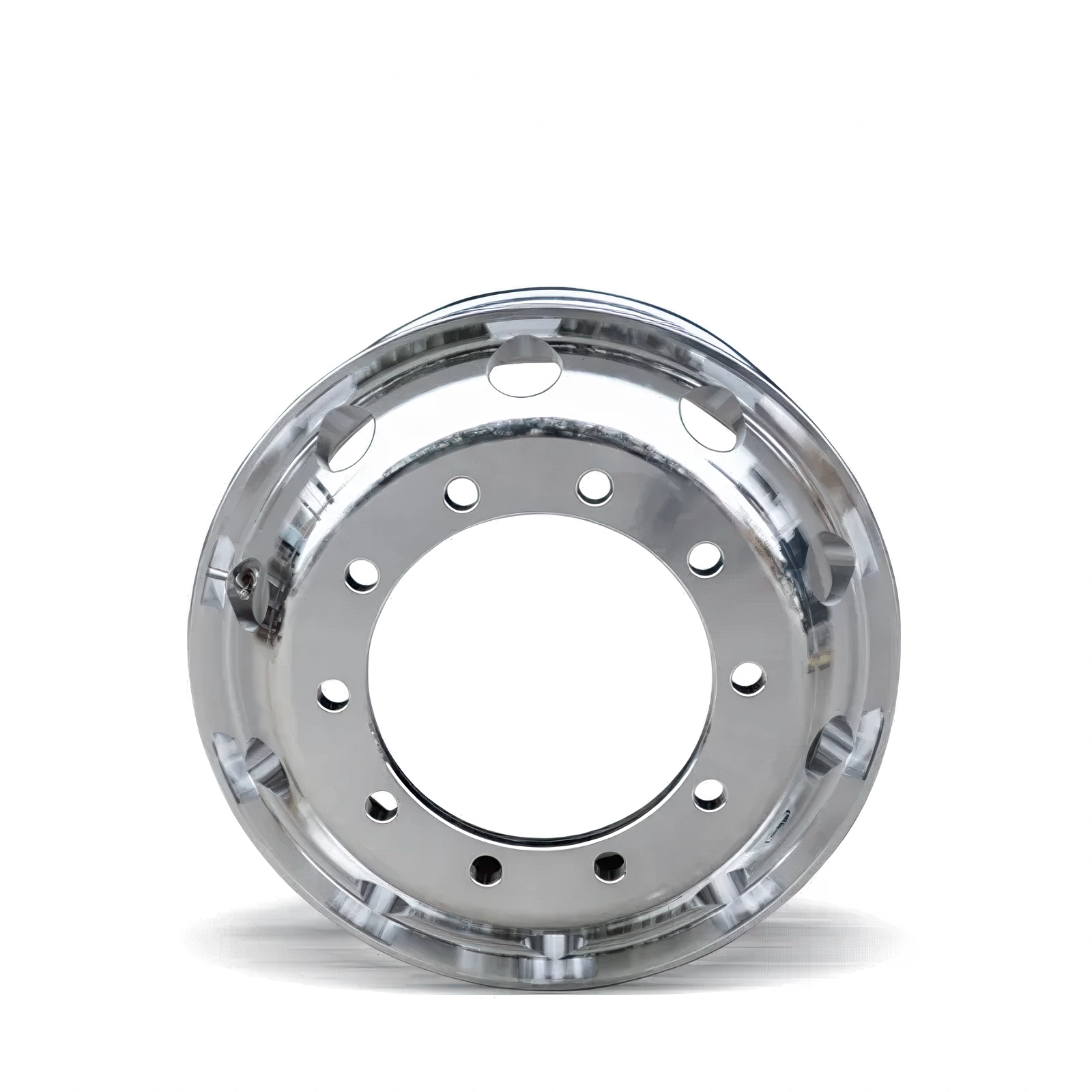
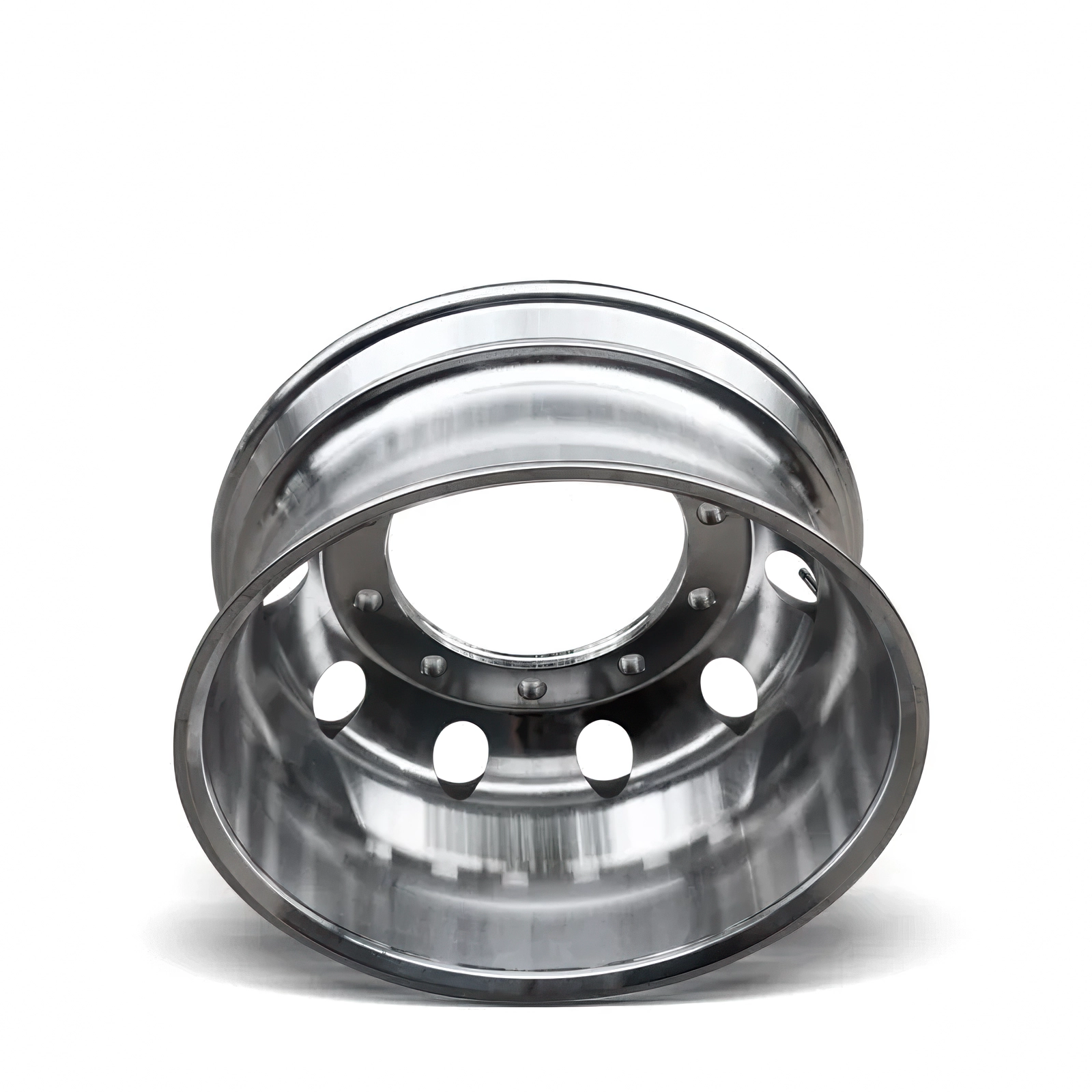
Aluminum truck wheel family: this Kales page is for buyers selecting 22.5 inch, 19.5 inch, and 17.5 inch aluminum rims for highway trucks and trailers where lower tare weight, better corrosion resistance, and heat control matter more than lowest first cost.
Engineering guidance from the Kales Vehicle wheel systems team for fleets comparing aluminum truck wheels against steel wheel replacement in regional and long-haul road service.
| Product type | Aluminum alloy truck and trailer wheel family |
|---|---|
| Core marketed sizes | 22.5 inch, 19.5 inch, and 17.5 inch, with selected 16 inch fitments also available |
| Manufacturing logic | High-strength low-pressure casting |
| Typical application | Highway truck, tanker, reefer, van trailer, and road-freight wheel replacement |
| Representative PCD range | 190 mm to 335 mm |
| Representative max load range | 1,500 kg to 4,125 kg depending on size and model |
| Representative weight range | 9.0 kg to 26.2 kg depending on size and model |
| Custom quotation | Contact KALES for a tailored quotation based on the required configuration, order quantity, and destination. |
| Model | Size | PCD (mm) | Center bore (mm) | Inset (mm) | Weight (kg) | Max load (kg) |
|---|---|---|---|---|---|---|
| KAMT051 | 22.5×9.0 | 335 | 281.2 | 152.5 | 24.6 | 4125 |
| KAMT024 | 22.5×8.25 | 335 | 281.2 | 144.5 | 24.0 | 3650 |
| KAMT036 | 19.5×7.5 | 275 | 222.1 | 134 | 17.5 | 3000 |
| KAMT042 | 17.5×6.75 | 222.25 | 162.2 | 120 | 14.7 | 2000 |
| KAMT025 | 16×5.5K | 190 | 140 | 101.5 | 9.4 | 1500 |
Selection note: the old product table also includes additional 22.5 inch, 19.5 inch, 17.5 inch, and 16 inch variants. Final wheel matching should always be checked by size, PCD, stud hole, center bore, inset, and required load rating rather than by diameter alone.
This aluminum wheel family is best suited to highway-focused fleets and workshops that want lighter wheel assemblies, better corrosion behavior, and cleaner thermal performance on road tractors, trailers, and distribution equipment. It works particularly well where the truck or trailer spends most of its life on paved corridors rather than in severe rock-impact environments.
The correct way to evaluate aluminum truck wheels is to begin with fitment and operating profile, not just wheel diameter. Buyers should verify PCD, stud hole specification, center bore, inset, load class, and whether the truck or trailer actually benefits from lighter highway-oriented wheel assemblies. That prevents expensive ordering mistakes and avoids treating wheel replacement like a generic commodity purchase.
| Buyer situation | Best-fit Kales direction | Why |
|---|---|---|
| Road fleet seeking lighter wheel assemblies | Aluminum truck wheel family | Better aligned with tare-weight reduction, cooling, and corrosion resistance |
| Buyer rebuilding axle and wheel package together | Trailer axle page plus wheel matching | Wheel specification should be checked against axle interface dimensions |
| Highway trailer spec with comfort-oriented running gear | Aluminum wheels plus air suspension | Road-use fleets often combine lighter wheels with smoother suspension logic |
| Buyer whose only requirement is the cheapest rugged wheel | Basic steel-wheel route | Aluminum wheel value is strongest when weight, heat, and corrosion are real operating priorities |
The old table is useful because it shows the real selection variables: size, PCD, stud hole, center bore, inset, wheel weight, and load rating. Those values determine whether the wheel can be matched correctly to the axle and tire package. A buyer who skips that check and orders only by “22.5 inch wheel” is not specifying the part precisely enough.
On road tractors and highway trailers, wheel weight affects overall vehicle mass and operating efficiency. The lighter aluminum options on this page are positioned for buyers who care about tare reduction, fuel discipline, and wheel replacement quality over long route cycles. That is a commercial operating decision, not just an appearance upgrade.
Heat dissipation and corrosion behavior are not secondary benefits on fleets that run long paved corridors. Better wheel cooling helps the tire and brake area work under less thermal stress, while aluminum’s corrosion behavior helps the wheel stay cleaner in humid ports, rainy transport lanes, and chemical road environments.
KALES confirms the quotation after reviewing the required specification, quantity, destination, and delivery terms. Send the operating requirements for an accurate proposal.
Before requesting a quote, send the exact size, PCD, stud hole specification, center bore, inset, target tire, axle or hub standard, and required load rating. Kales can then confirm the correct aluminum wheel model instead of quoting a general diameter that may not match the vehicle interface.
Share your target market, usage scenario, and preferred configuration.
Receive our model recommendation, specification review, and factory quotation.
Confirm production, inspection, shipment route, and export documents.
Stay supported after delivery with spare parts and remote assistance.
At Kales Vehicle, we keep freight planning practical so your trailer or truck reaches the destination with the right balance of protection, speed, and cost.
Container Shipping, Ro-Ro (Roll-on/Roll-off), and Bulk Cargo each serve different export needs, and we choose the safest route, loading method, and packing approach for the order.
Container loading of Kales semi trailer for export, ensuring secure fastening and space optimization.
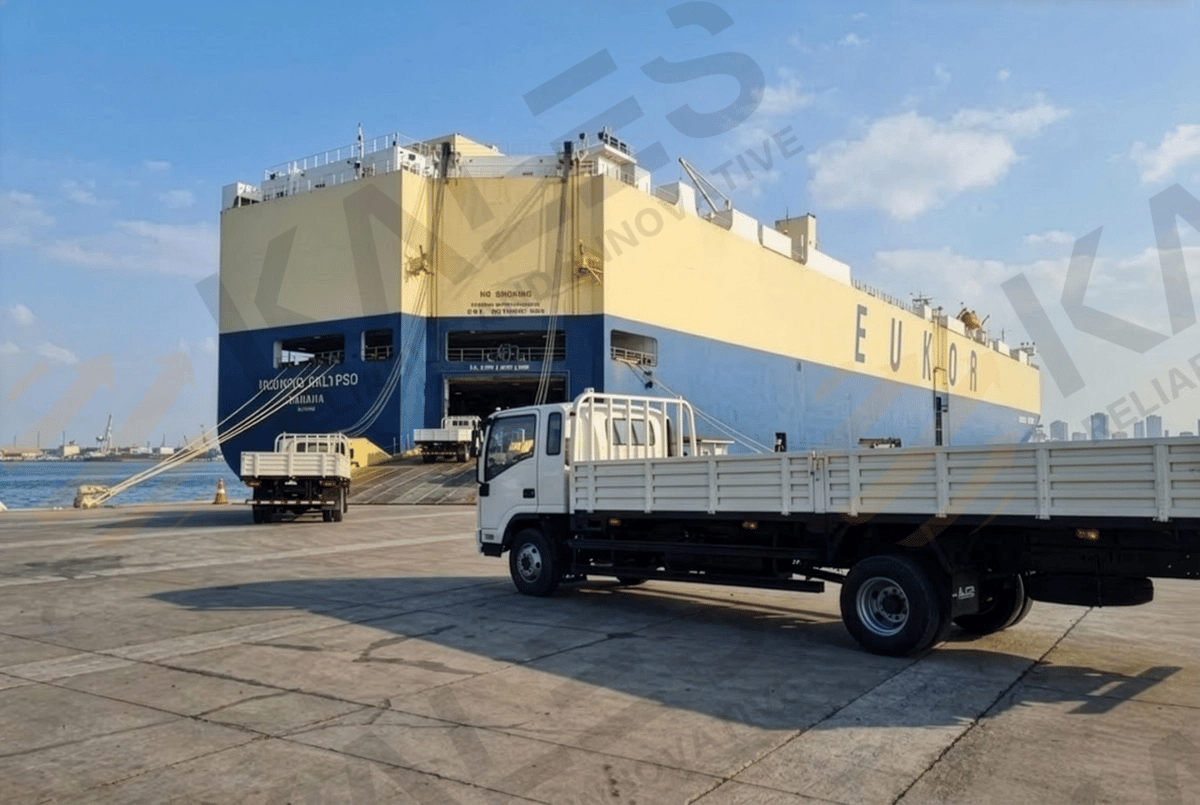
Ro-Ro shipping method for Kales commercial trailers, driving directly onto the vessel for maximum safety.
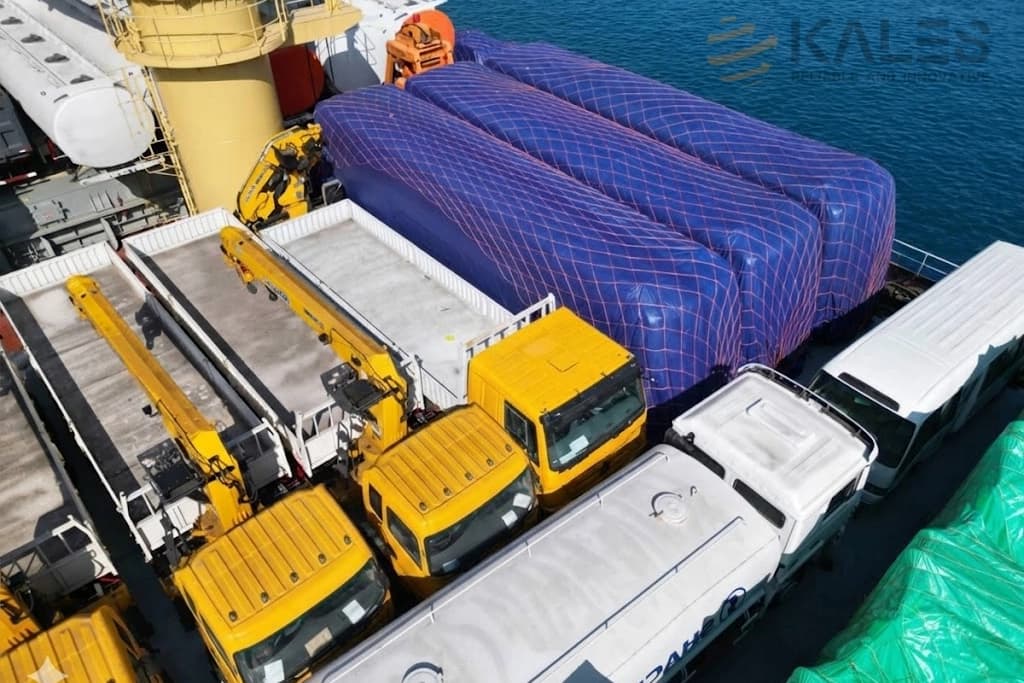
Bulk cargo transport of stacked Kales semi trailers with wax spraying protection against seawater corrosion.
If you need 22.5 inch, 19.5 inch, or 17.5 inch aluminum truck wheels, send your wheel size, PCD, bore, inset, axle standard, and load requirement. Kales can then match the correct road-use aluminum rim model for your truck or trailer fleet.
Factory engineering notes, maintenance protocols, and buyer checklists related to this equipment.
Mobilizing oversized industrial machinery—including hydraulic excavators, crawler bulldozers, rotary drilling rigs, crus…
In African open-pit mining, quarrying, and bulk mineral haulage—from the gold corridors of Geita and Kahama in Tanzania…
Nigeria represents the largest commercial vehicle market in Sub-Saharan Africa, serving as the industrial and trade loco…
Aluminum Truck Wheels 22.5, 19.5, and 17.5 Inch
Factory Direct · Free Quote