Container Shipping
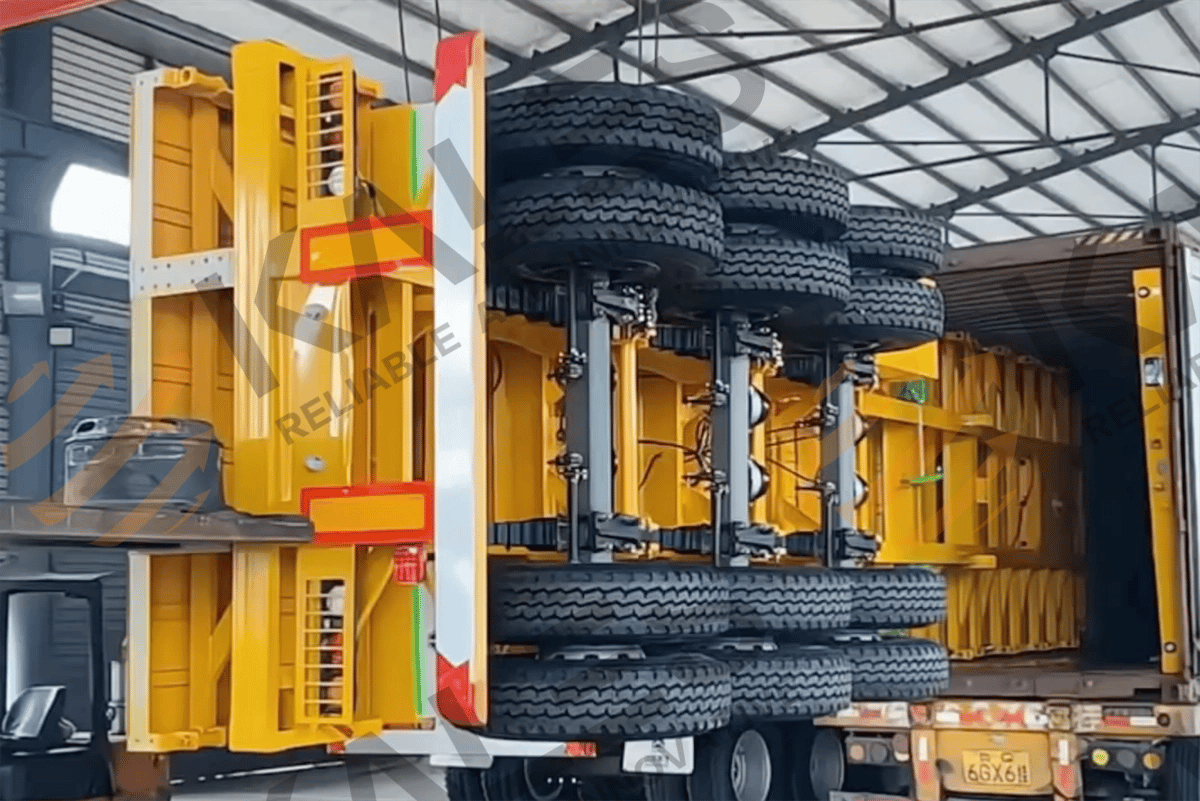
Container loading of Kales semi trailer for export, ensuring secure fastening and space optimization.



Trailer Type
Semi trailer
Axles
Multi-axle options
Payload
Configured to project requirement
Road Matching
leaf spring
Quick answer: choose this hazmat container chassis when your operation needs a dedicated skeletal trailer with visible air suspension, reinforced frame transitions, container locking hardware, mounted safety-equipment storage, and a clearly arranged rear safety zone. Do not order from the photographs alone. Send the container or tank drawing, cargo information, tractor details, route countries, legal weight limits, and required safety equipment so the final chassis can be checked for the actual East African duty cycle.
✓ Direct technical consultation from factory engineers · Zero trader markup
Factory Direct Export
Zero trader markup
Heavy-Duty Certified
ISO9001 / CCC / CIQ
Global Sea Freight
Container / Ro-Ro / Bulk
Custom Engineering
Tailored configurations
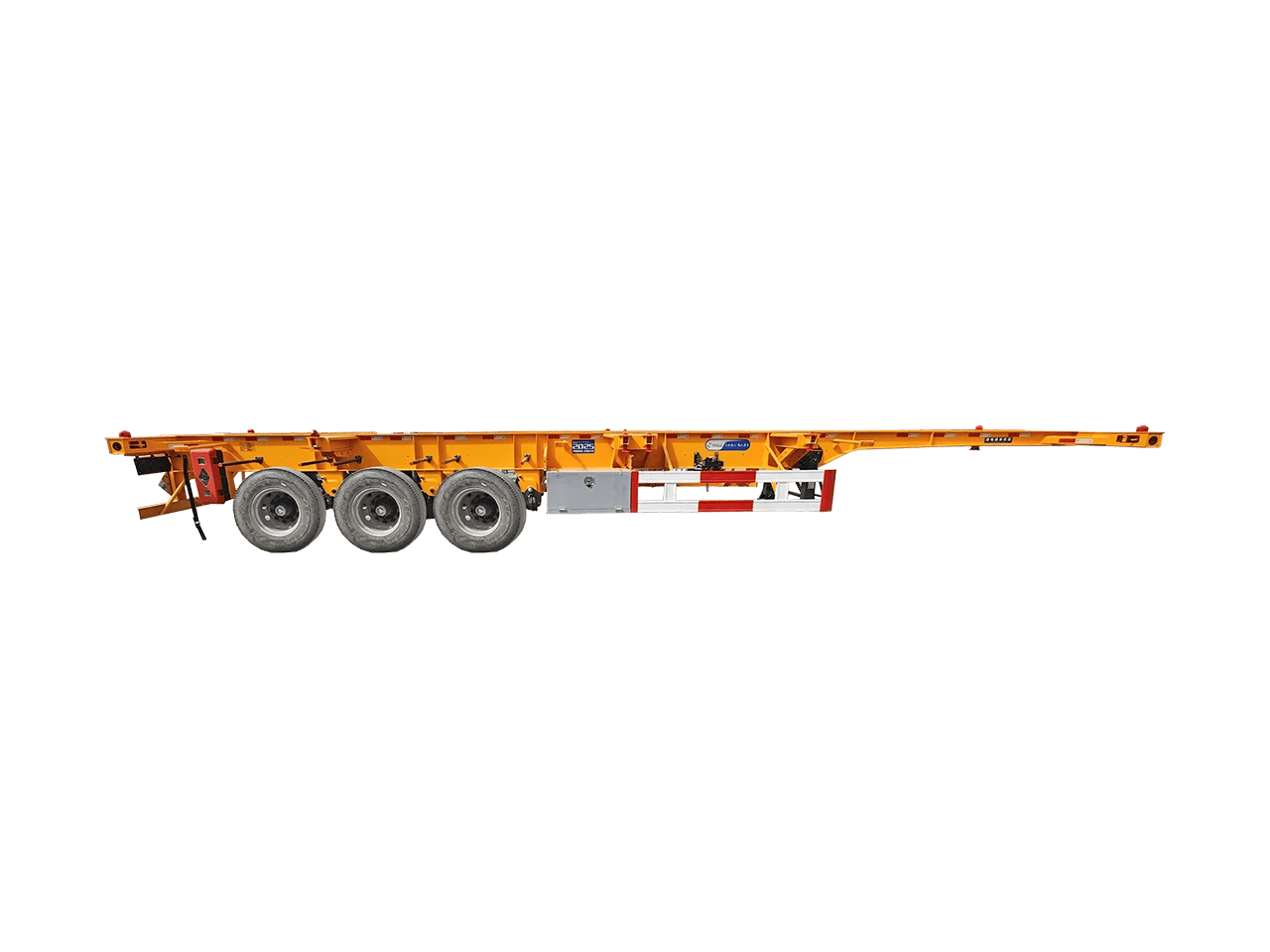
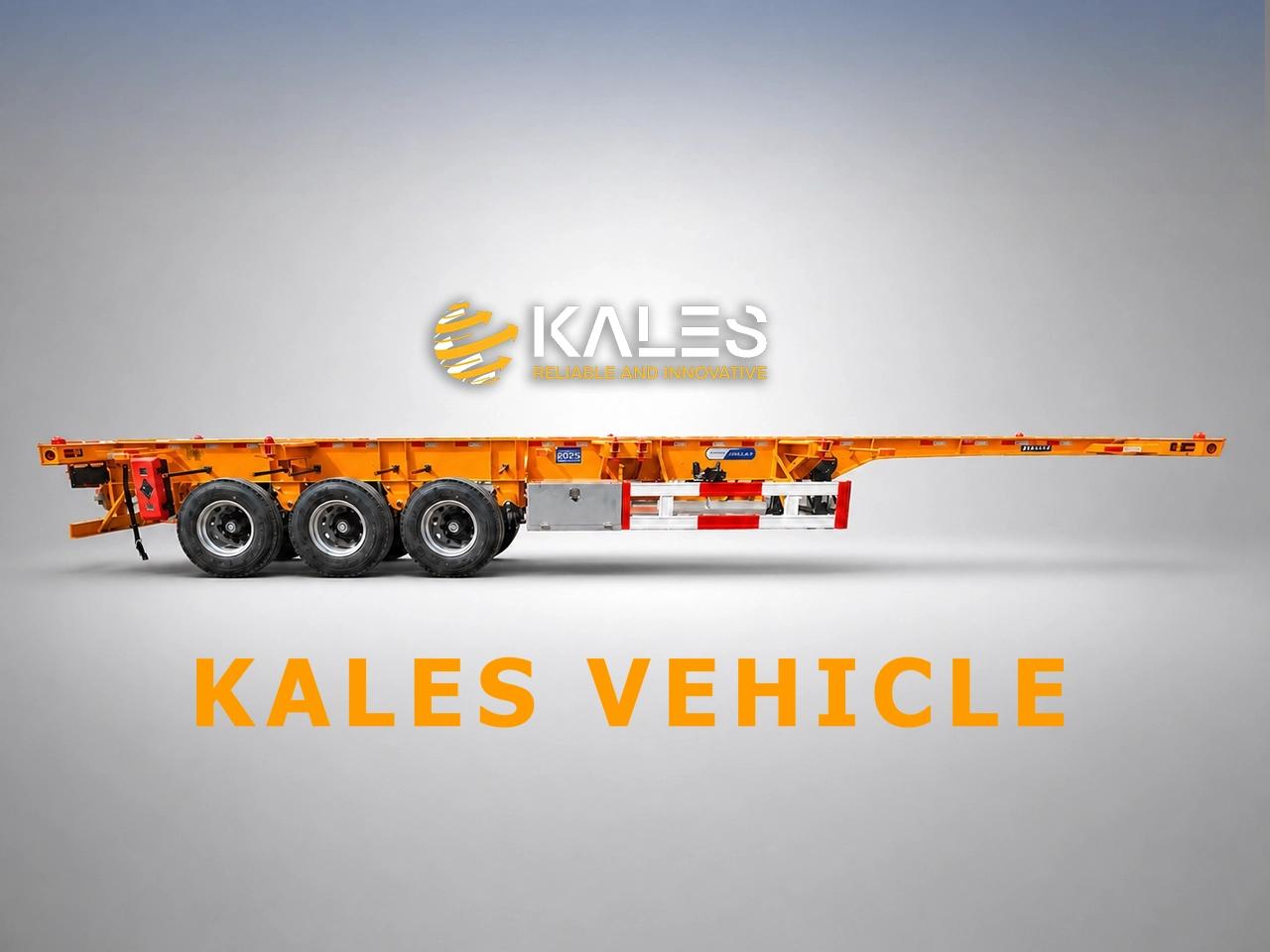
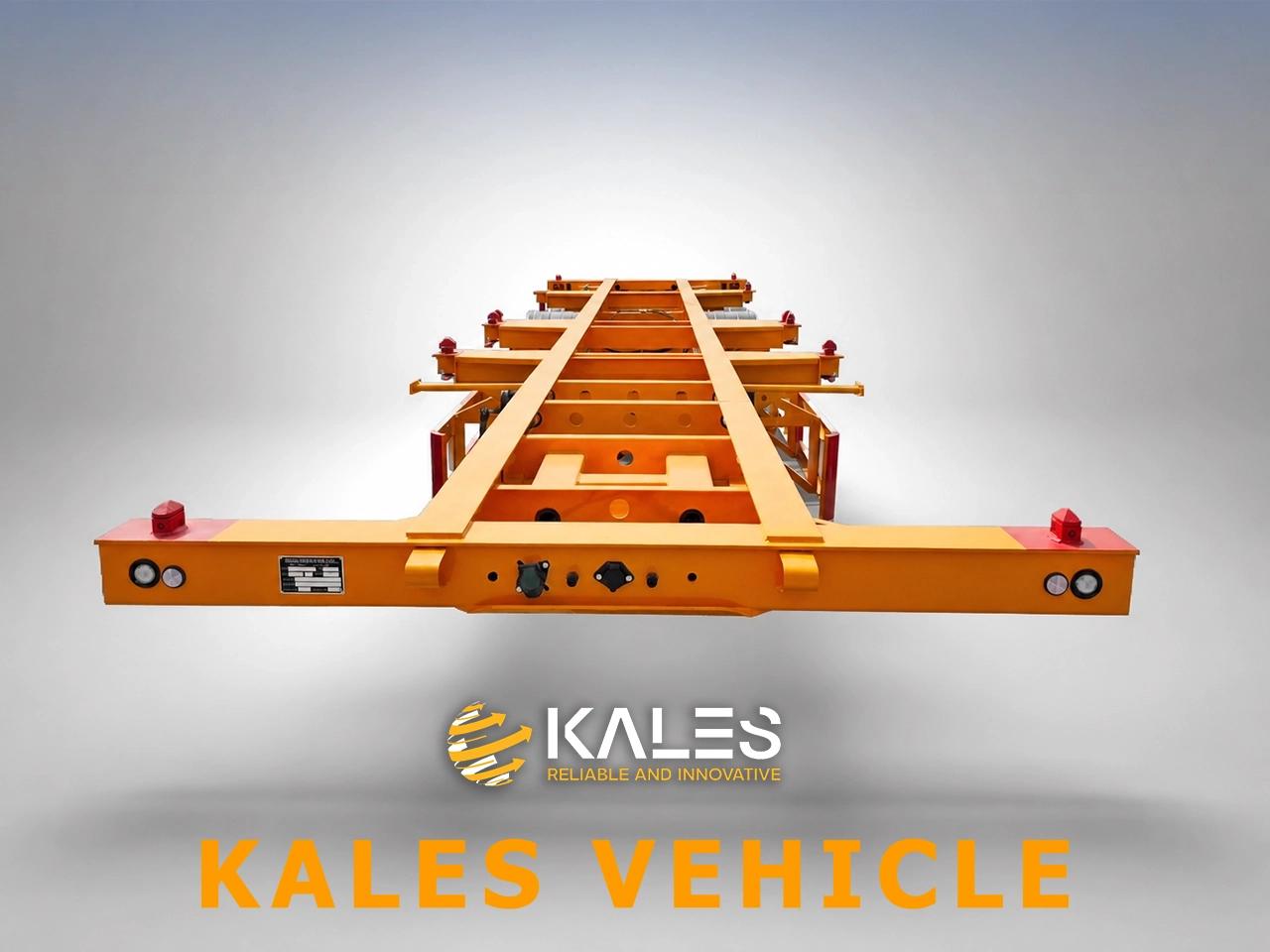
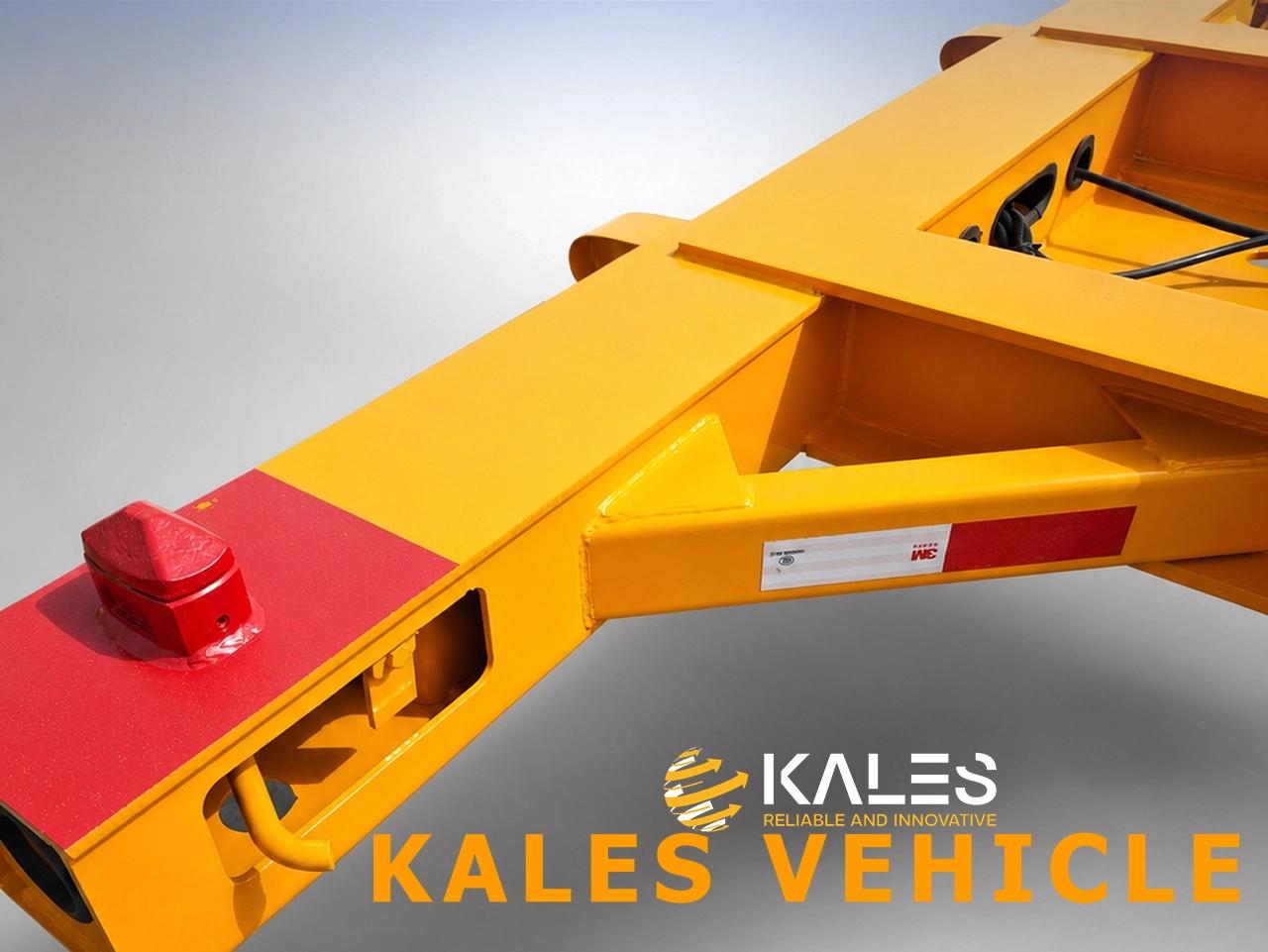
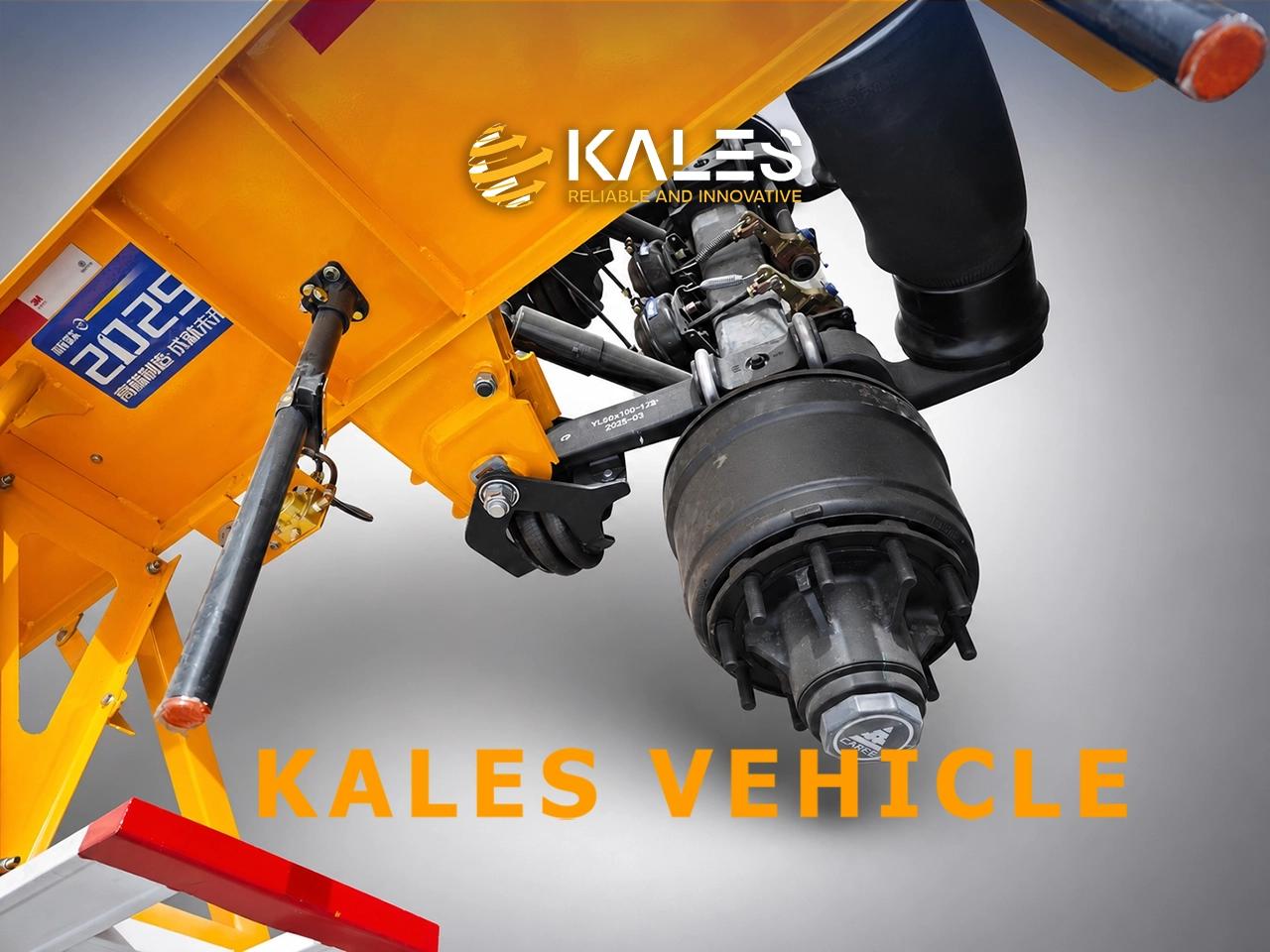
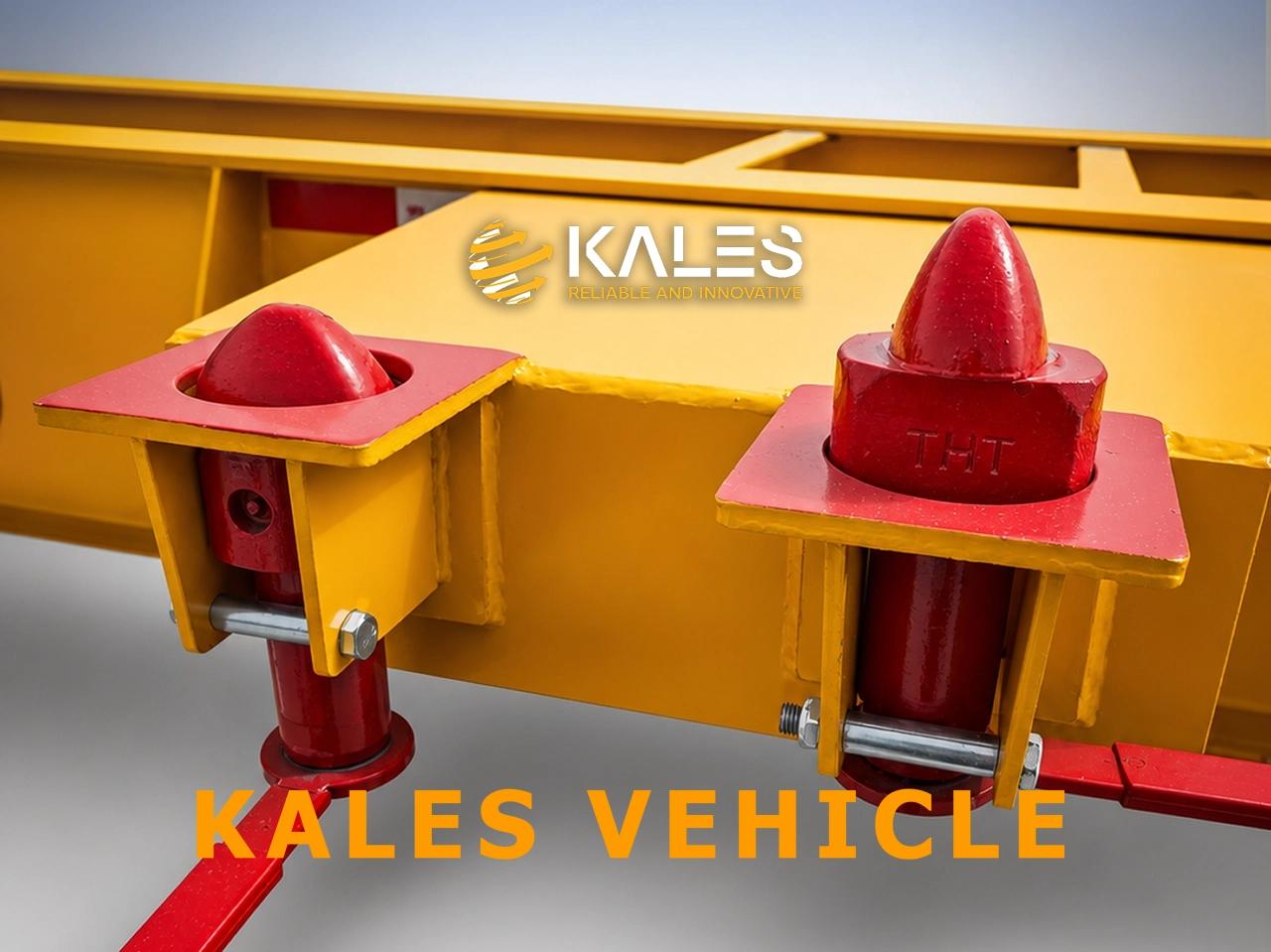
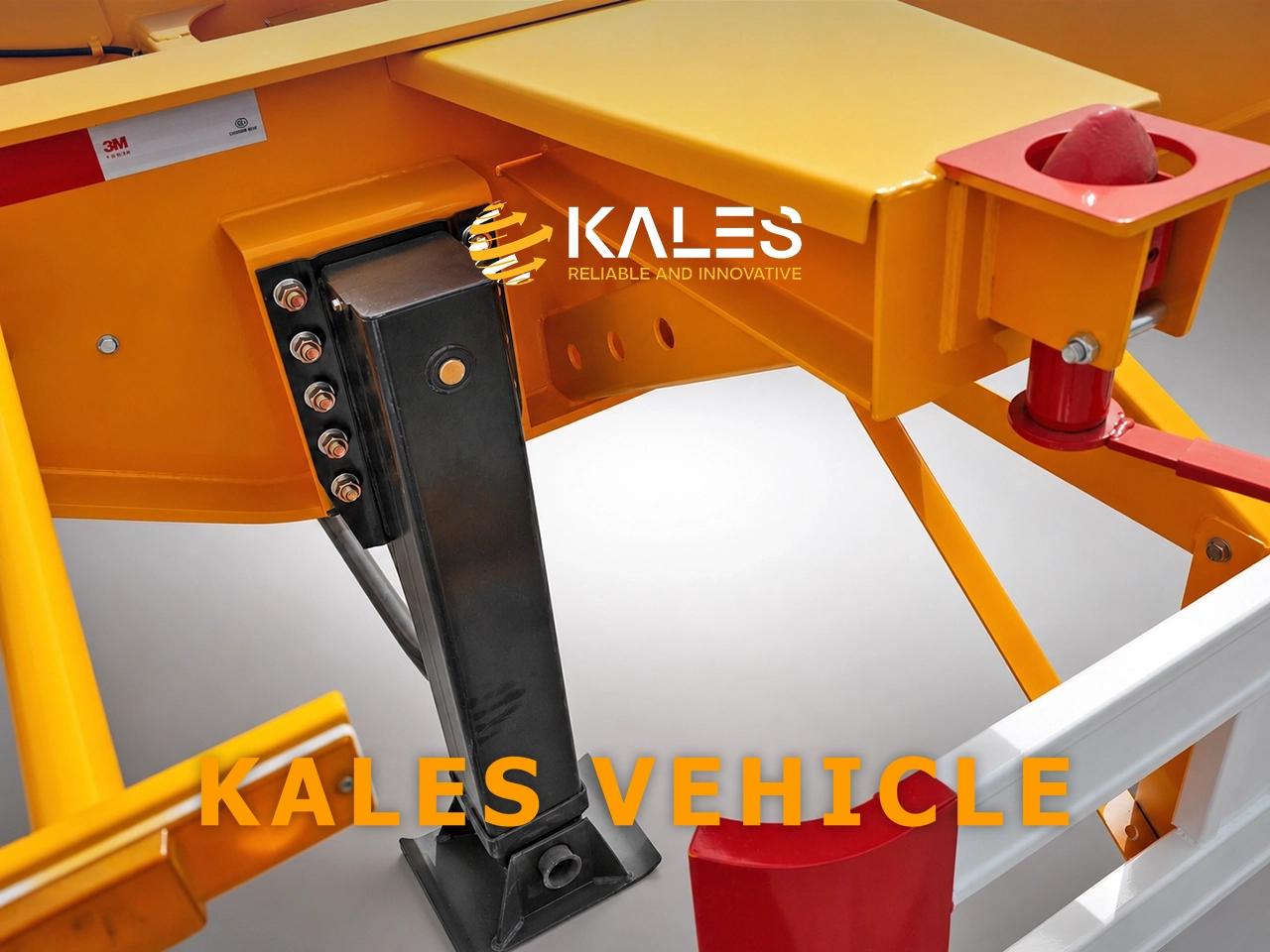
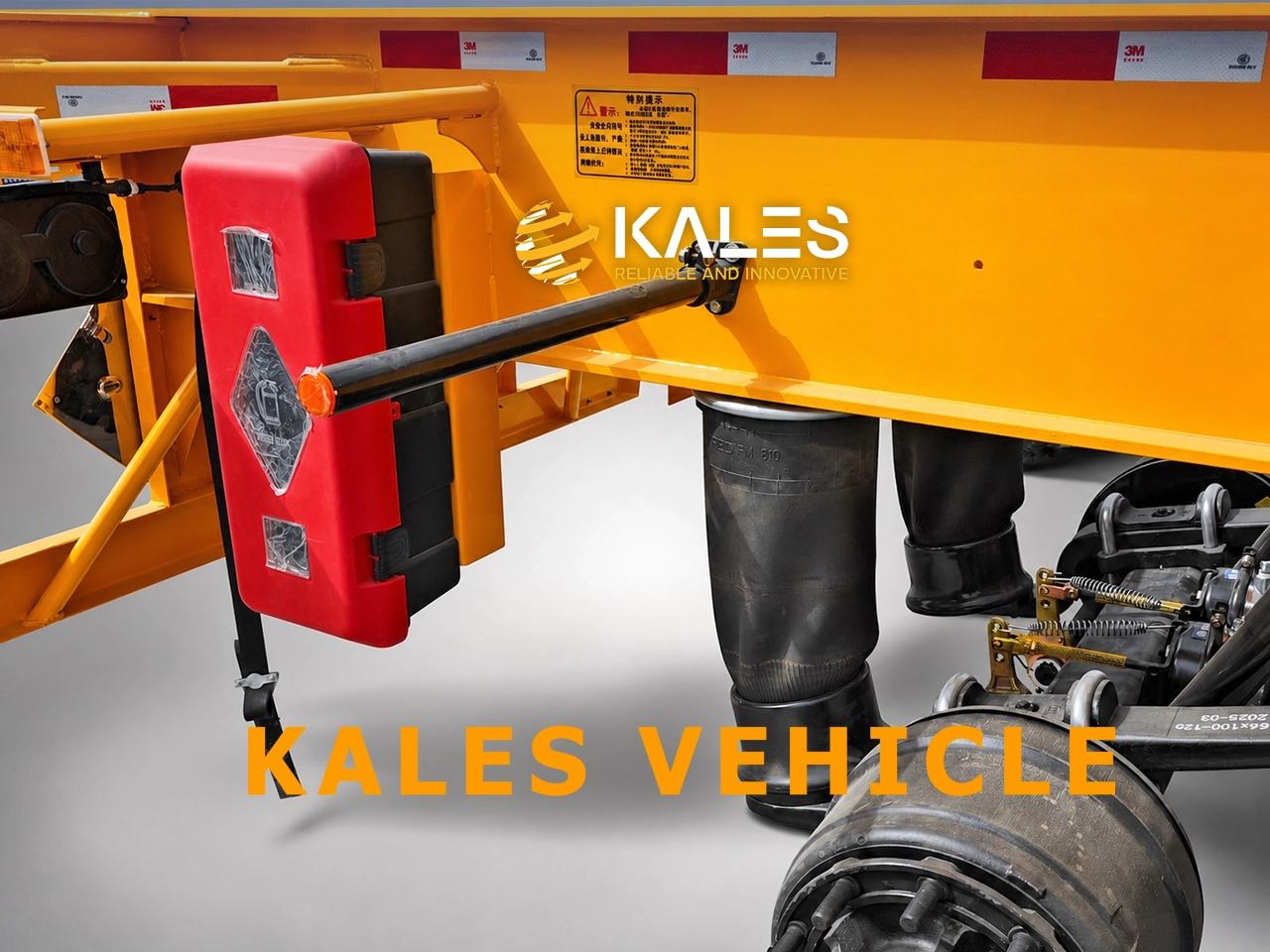
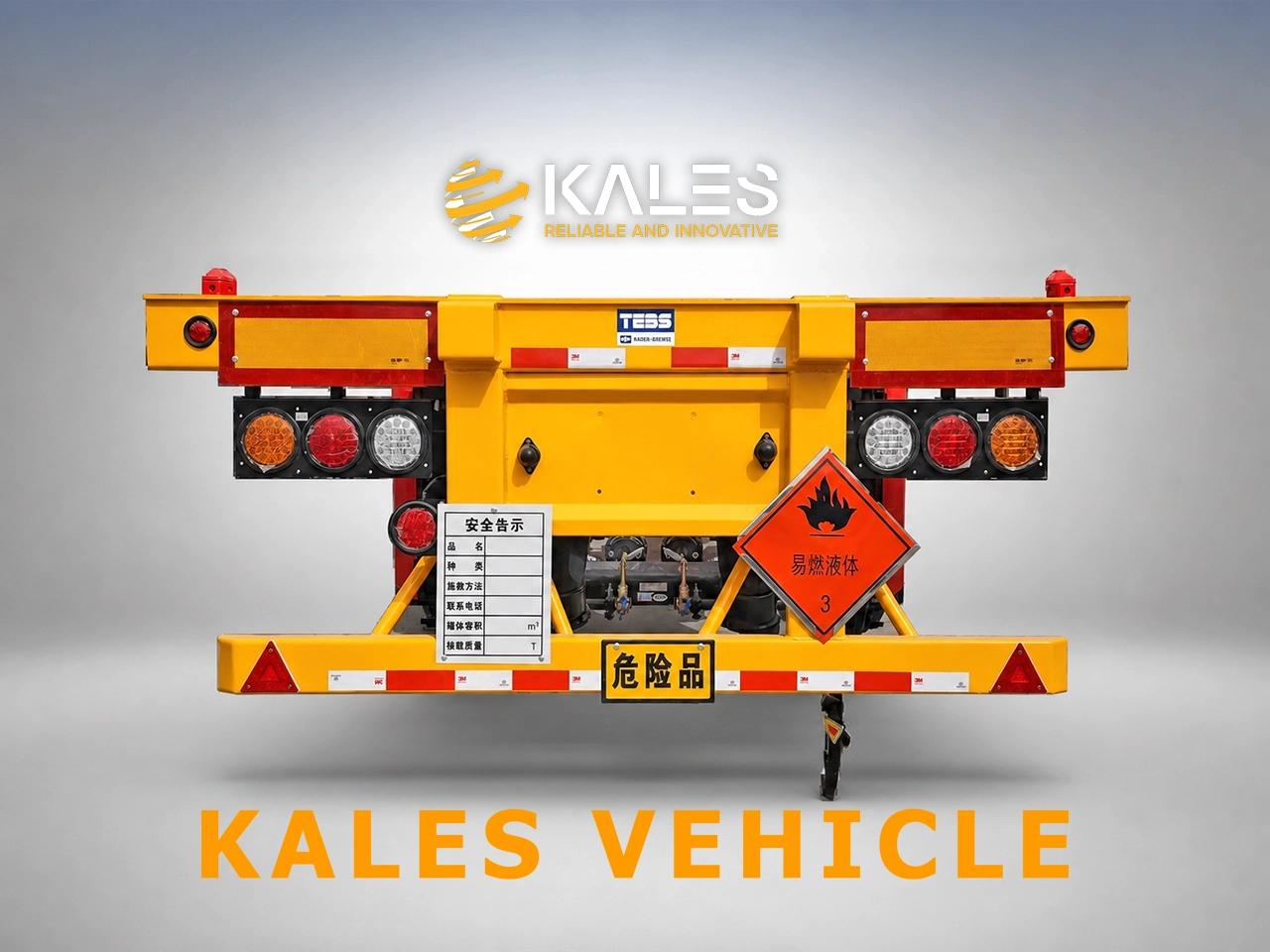
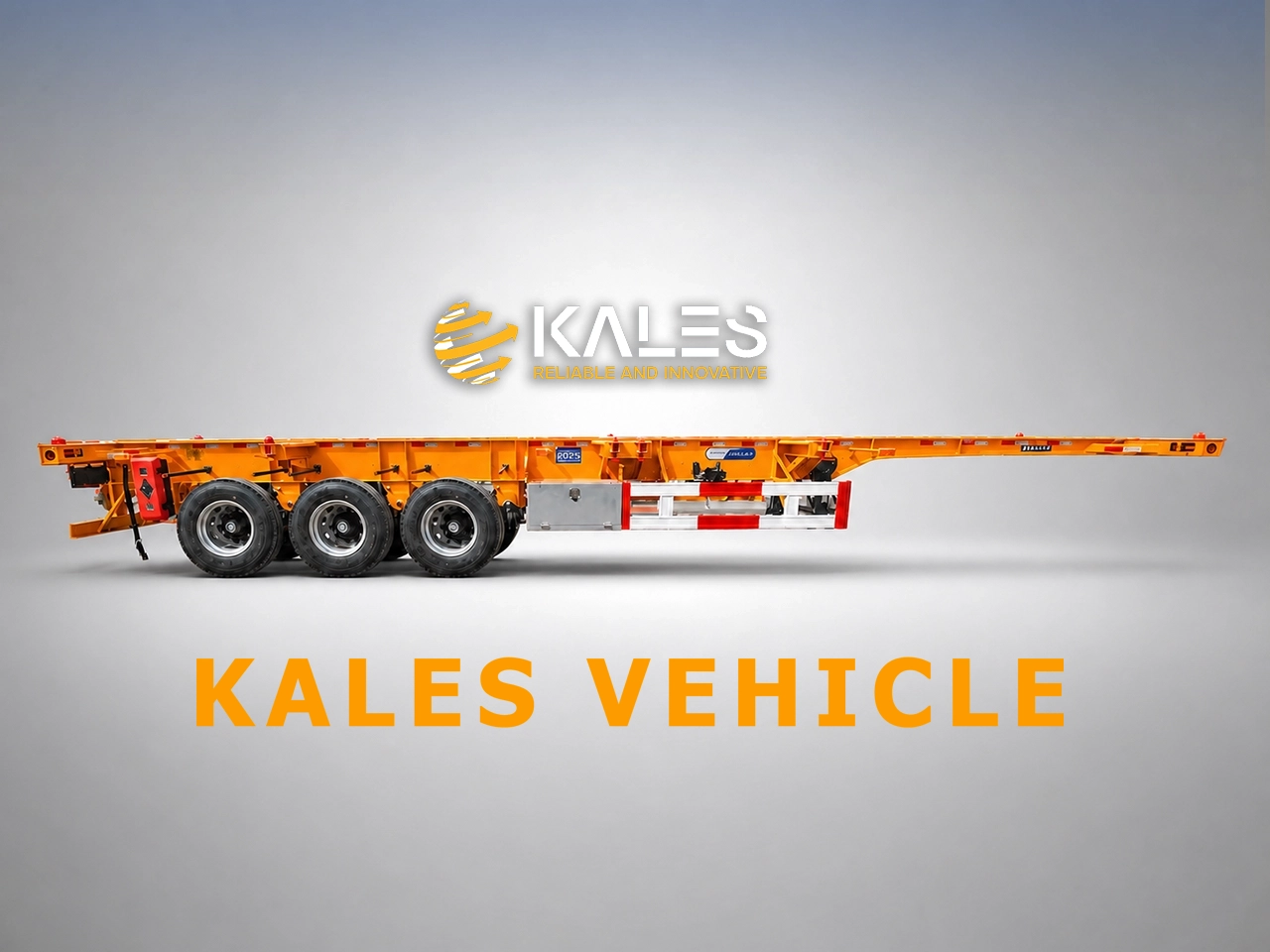
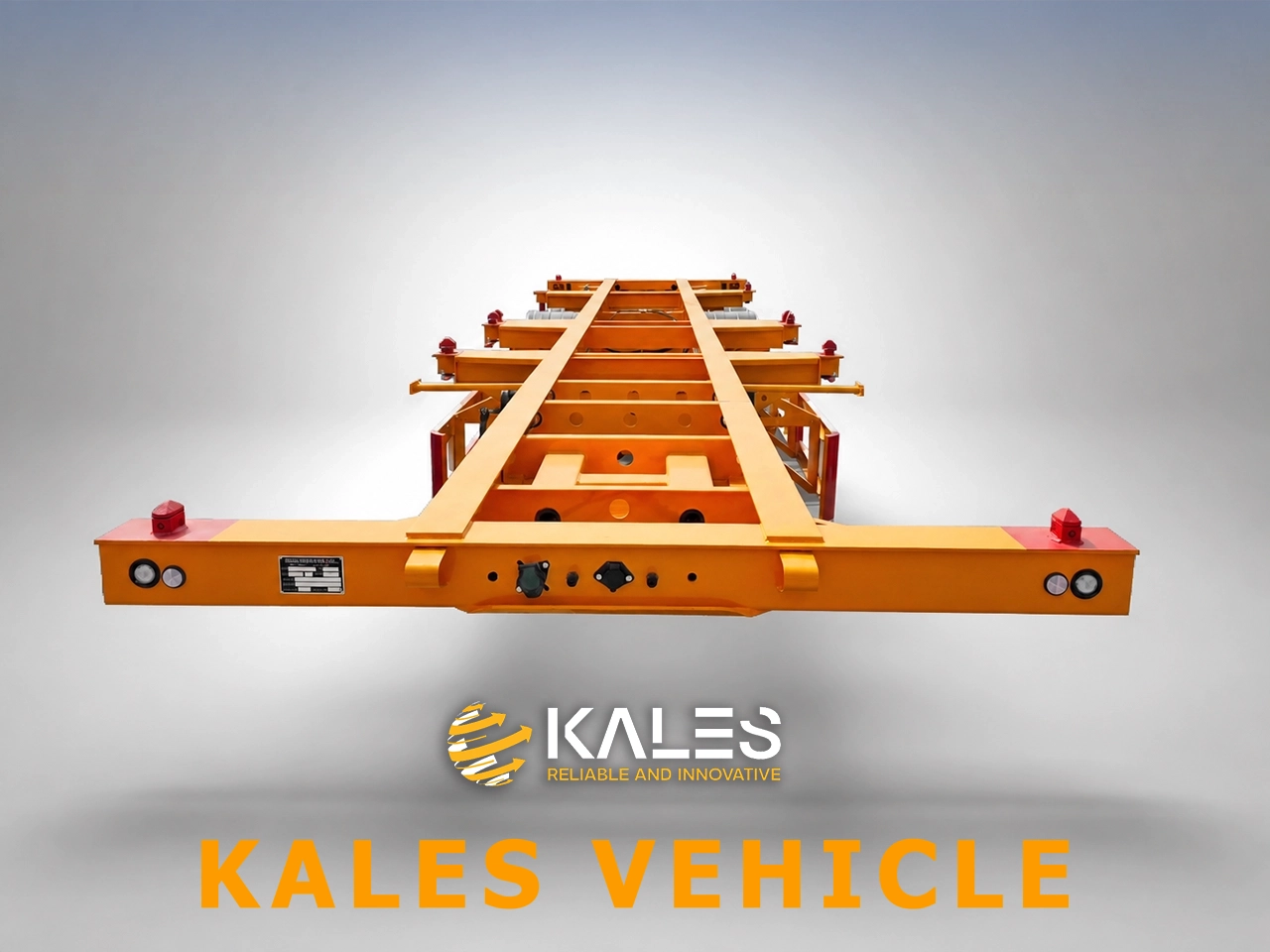
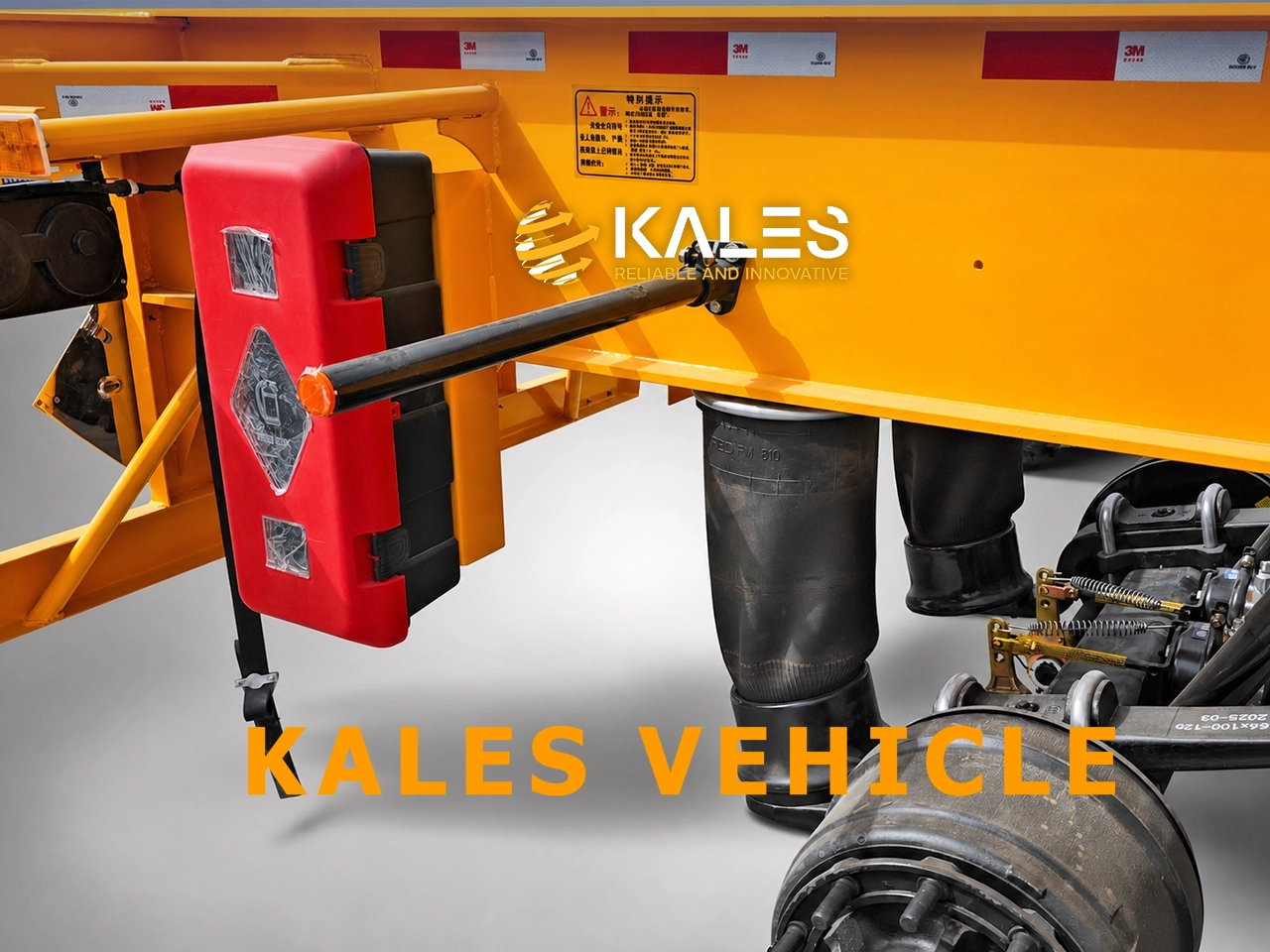
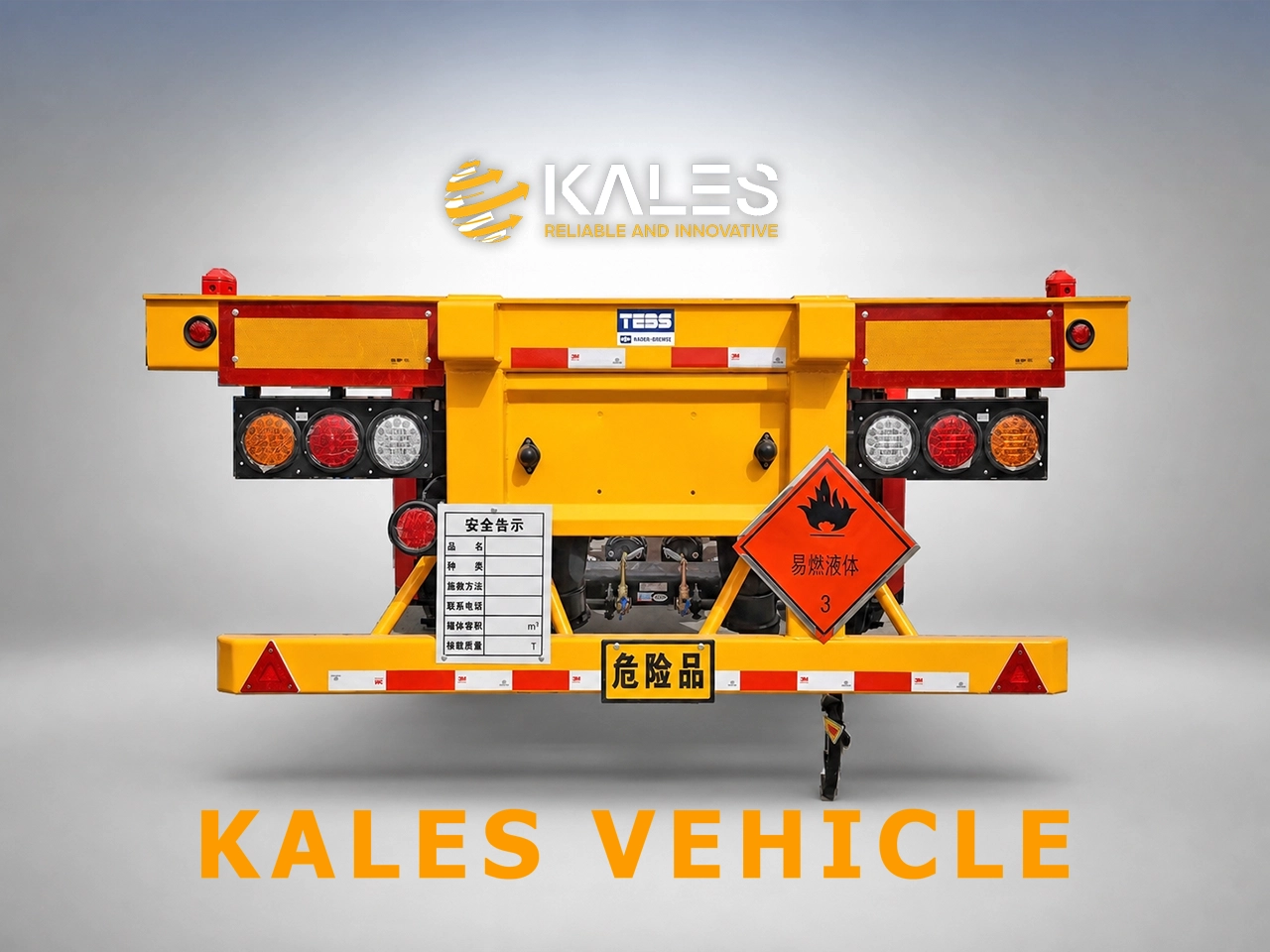
Kales hazmat container trailer for East Africa: this product page documents a configurable tri-axle skeletal chassis for buyers planning ISO tank container and regulated hazardous-cargo movements. The factory images confirm the chassis layout, air suspension hardware, reinforced frame sections, container locking hardware, landing support, equipment cabinet, rear lighting, conspicuity treatment, placard area, and underrun protection.
This is an evidence-led buying page, not a certificate of compliance. The correct trailer configuration depends on the tank or container data plate, cargo classification, legal axle and gross-weight limits, tractor interface, route permits, emergency equipment, inspection regime, and destination-country marking rules. Kales should confirm those items on the signed drawing and supply agreement before production.
| System | Confirmed in the supplied images | Confirm before ordering |
|---|---|---|
| Chassis layout | Tri-axle skeletal semi-trailer with an open center frame | Overall dimensions, tare, design rating, legal payload, axle spacing, and kingpin position |
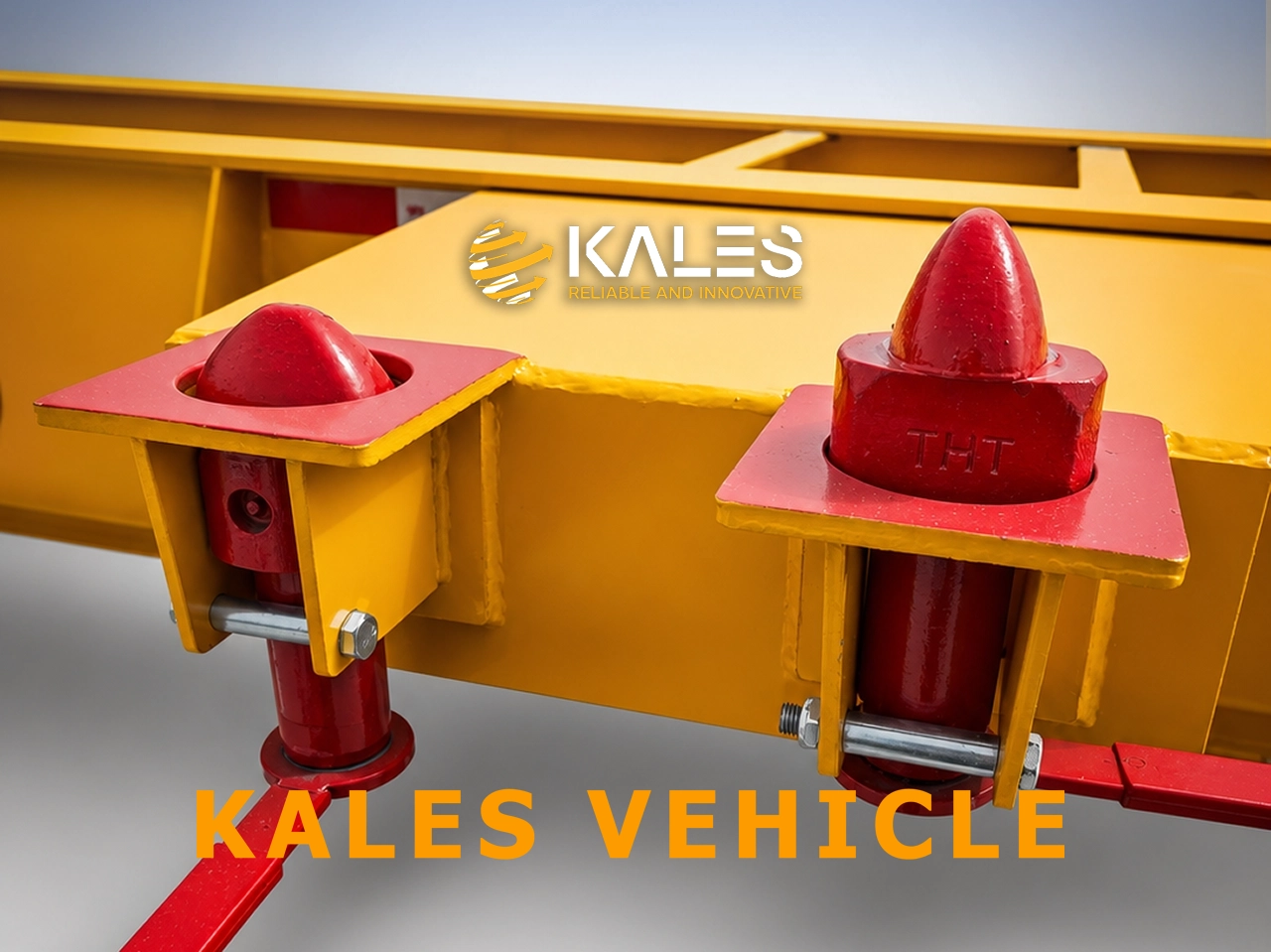
| Cargo interface | Multiple container locking points and visible locking mechanisms | Tank or container size, corner-casting drawing, lock spacing, center of gravity, load concentration, and dispatch pattern |
| Frame | Reinforced gooseneck transition, cross-members, gussets, and welded support structure | Steel grade, section thickness, fatigue basis, weld procedure, inspection method, and corrosion-protection specification |
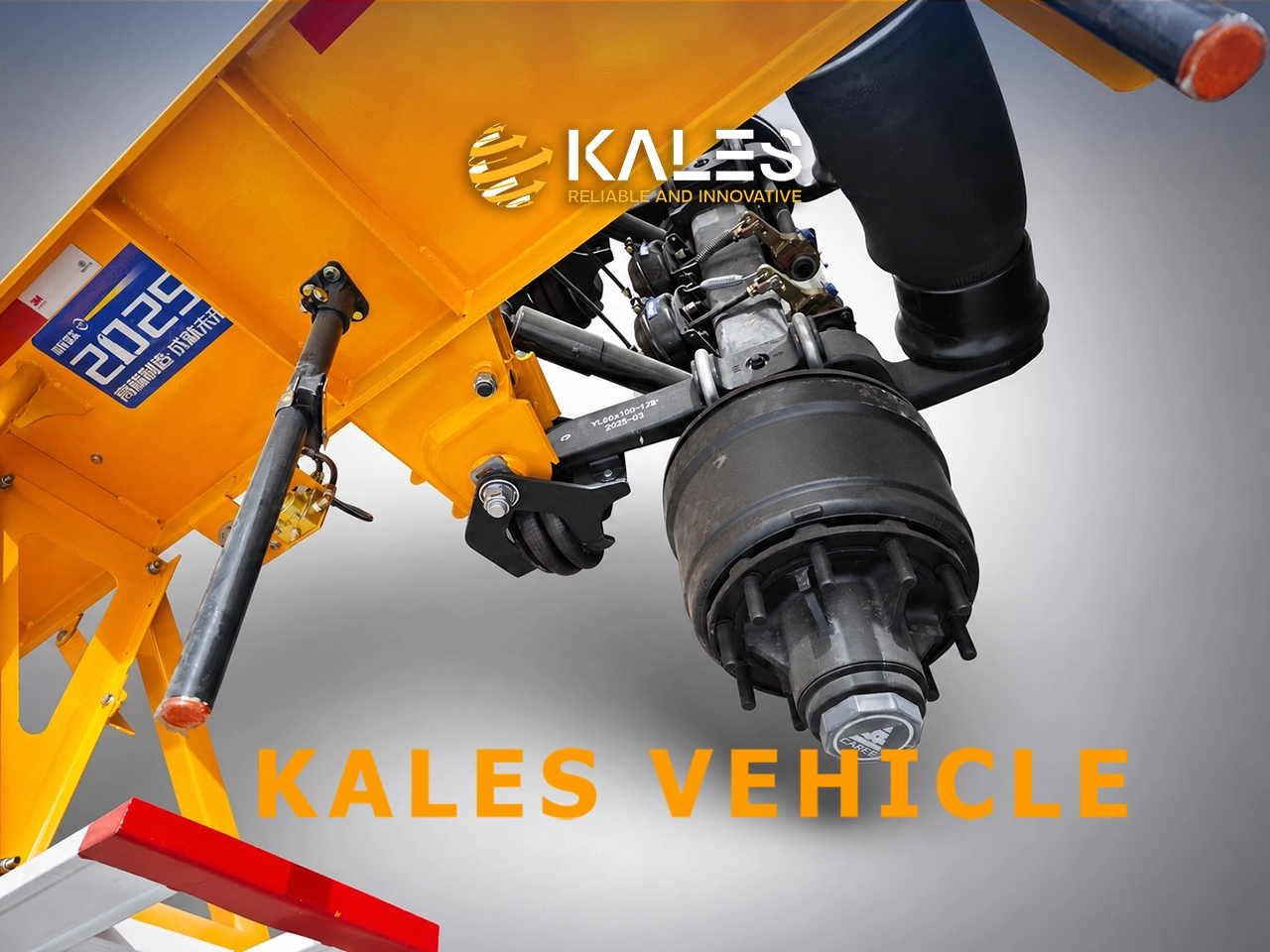
| Suspension | Pneumatic suspension with visible air bags and link hardware | Axle ratings, suspension brand, ride height, control valves, lift-axle requirement, and local service support |
| Braking | Wheel-end brake, air chamber, hoses, and pneumatic hardware are visible | Brake type, ABS or EBS architecture, component brand, tractor compatibility, connector standard, and approval documentation |
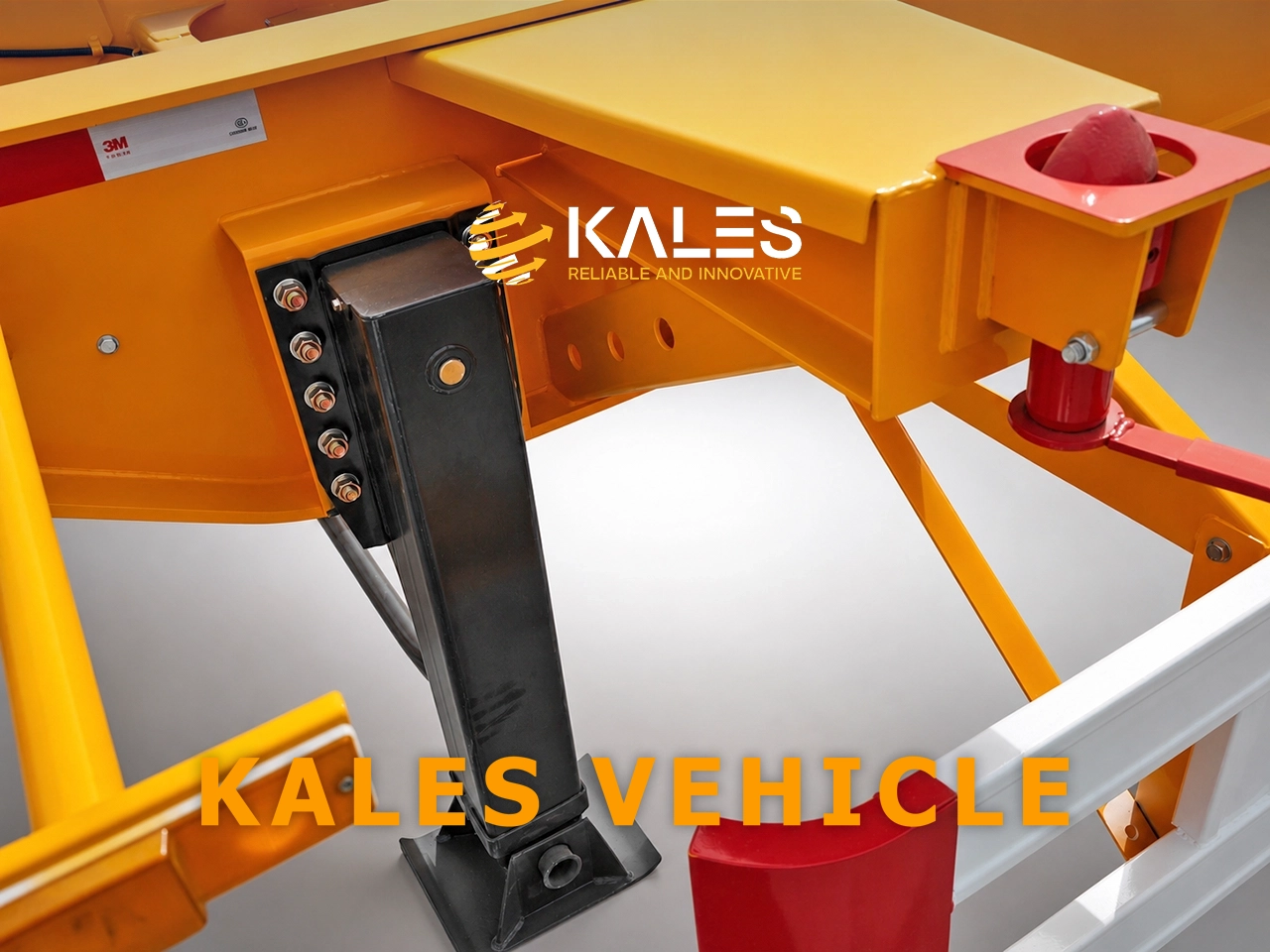
| Landing support | Paired mechanical landing legs mounted below the forward frame | Rated capacity, lift specification, foot type, brand, operating clearance, and spare-parts availability |
| Safety equipment | Protected red equipment cabinet mounted beside the running gear | Required cabinet contents, extinguisher quantity and rating, spill response kit, wheel chocks, PPE, and inspection labels |
| Rear safety zone | LED lamp clusters, reflective markings, placard location, triangles, and rear underrun protection | Destination lighting standard, electrical voltage, connector pinout, placard language and class, conspicuity layout, and underrun dimensions |
| Storage and protection | Side-mounted metal toolbox and side protection structure | Tool inventory, lock type, weather sealing, side-guard geometry, and operator access procedure |
This chassis is a relevant starting point for chemical logistics companies, tank-container operators, port hauliers, and project fleets that need a dedicated container interface rather than a full flatbed deck. It is especially useful when the procurement team wants the running gear, locking points, equipment mounting, and rear safety layout reviewed as one system before dispatch to Tanzania, Kenya, or another East African market.
A hazmat chassis cannot be selected responsibly from a headline tonnage alone. The engineering review should begin with the tank or container identification, overall drawing, corner-casting locations, maximum gross mass, empty and loaded center of gravity, product classification, and any special handling restrictions. Kales can then check lock position, frame load path, axle distribution, tractor load, and clearance using the actual cargo unit.
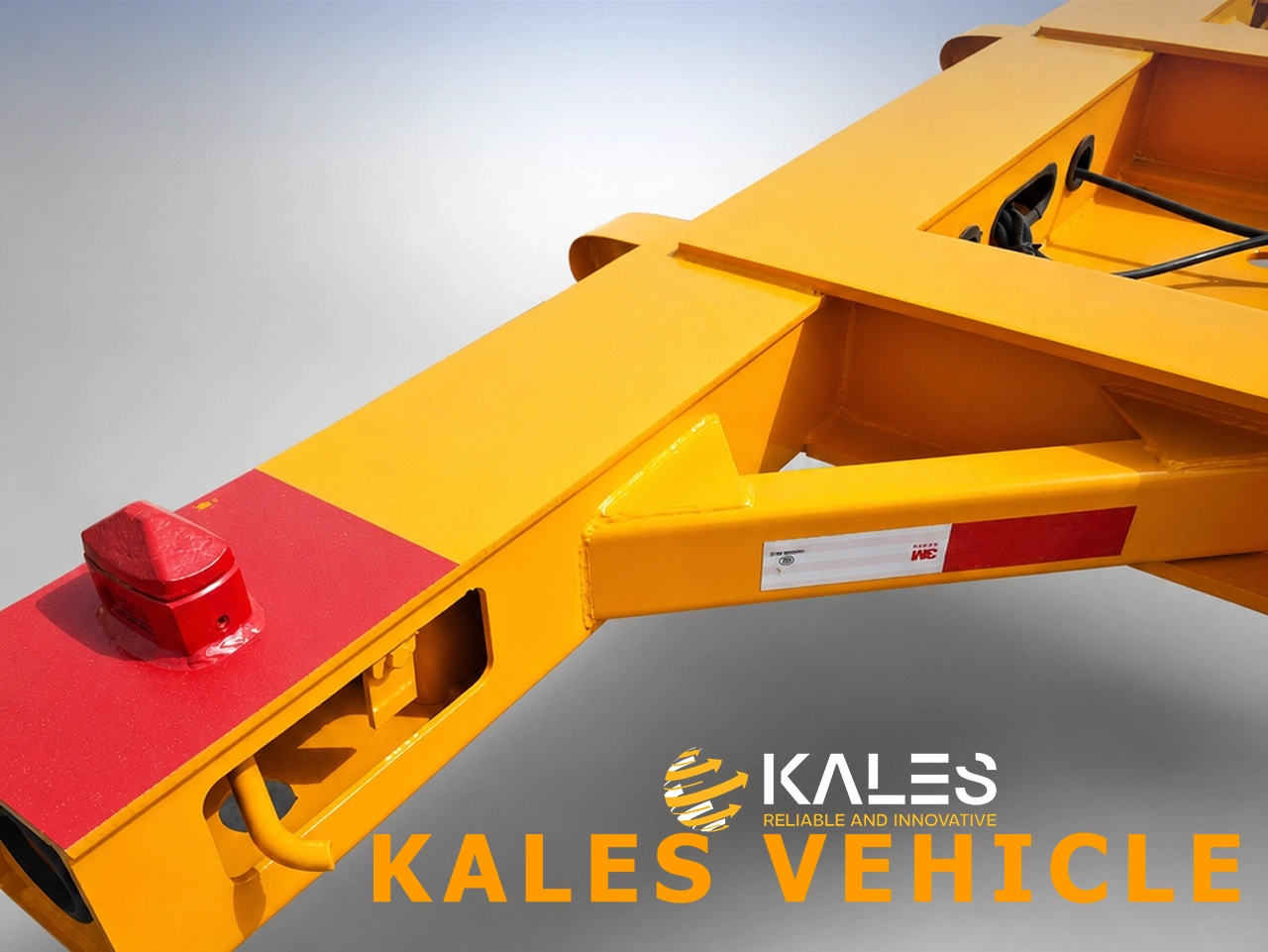
The supplied images show added structure around the gooseneck transition and cross-members. These are useful inspection views because tank-container loads enter a skeletal chassis through discrete locking points rather than through a continuous deck. The final order should state the material specification, member thicknesses, weld procedure, surface preparation, coating system, and factory inspection records instead of relying on paint appearance.
Air suspension hardware is visible, but the photographs do not prove the axle rating, lift function, brake type, or electronic control architecture. The buyer should confirm whether the tractor supports the required pneumatic and electrical connections, whether the selected brake components have service coverage on the operating corridor, and what fault diagnostics and spare parts the workshop can handle.
The locking mechanisms must match the actual container corner castings, operating clearances, and expected load concentration. Acceptance should include a physical fit check or dimensional inspection against the approved drawing, positive lock engagement, retention-pin inspection, and confirmation that handles remain accessible without exposing the operator to the cargo or traffic side.
A mounted equipment cabinet and rear placard area are useful provisions, but they do not establish compliance by themselves. Required extinguishers, spill-control materials, PPE, warning signs, emergency instructions, and placard classes depend on the substance, quantity, container, carrier obligations, insurer, terminal, route, and national rules. The final packing list should name every supplied item and identify which items remain the operator’s responsibility.
Share your target market, usage scenario, and preferred configuration.
Receive our model recommendation, specification review, and factory quotation.
Confirm production, inspection, shipment route, and export documents.
Stay supported after delivery with spare parts and remote assistance.
At Kales Vehicle, we keep freight planning practical so your trailer or truck reaches the destination with the right balance of protection, speed, and cost.
Container Shipping, Ro-Ro (Roll-on/Roll-off), and Bulk Cargo each serve different export needs, and we choose the safest route, loading method, and packing approach for the order.
Container loading of Kales semi trailer for export, ensuring secure fastening and space optimization.
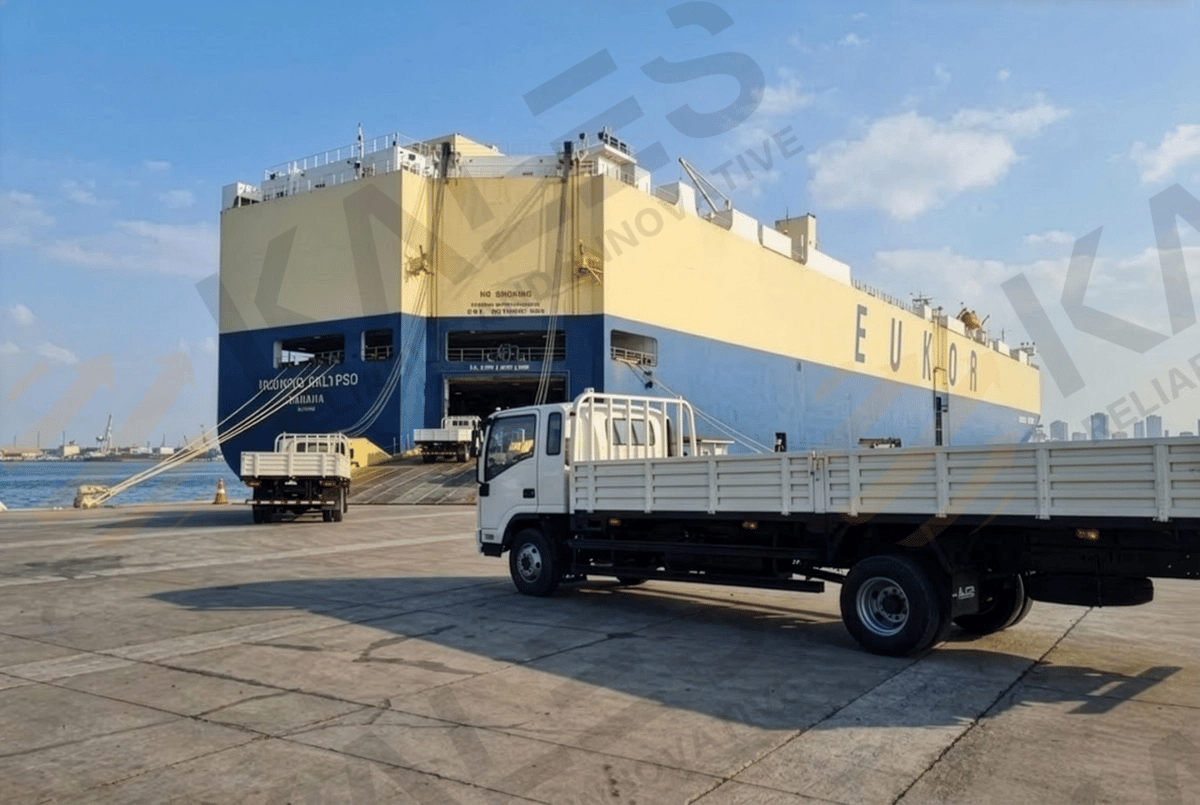
Ro-Ro shipping method for Kales commercial trailers, driving directly onto the vessel for maximum safety.
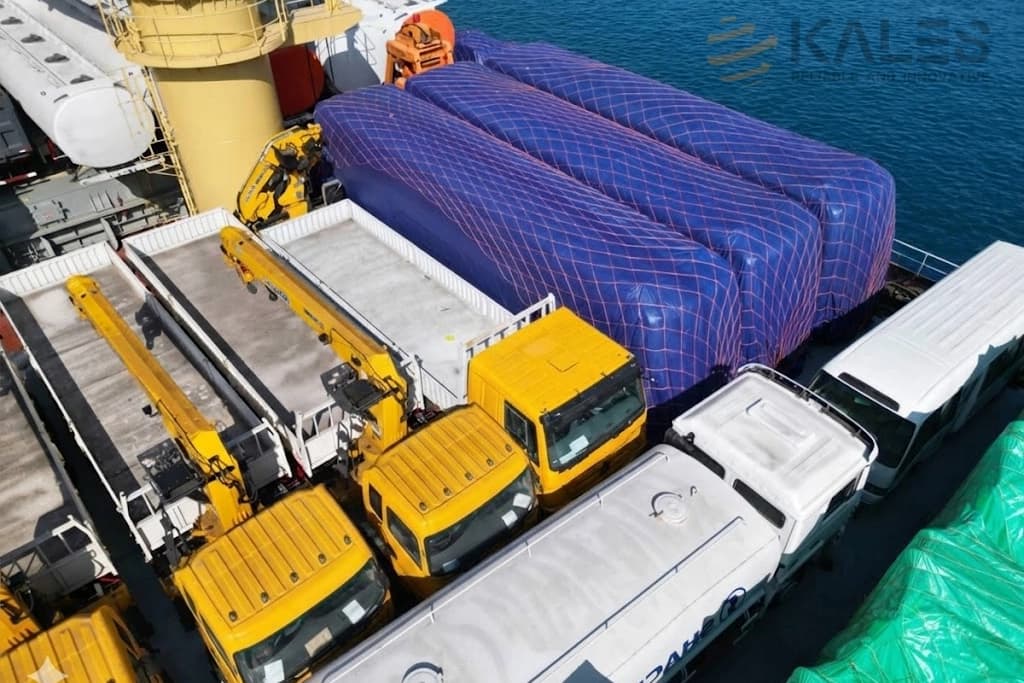
Bulk cargo transport of stacked Kales semi trailers with wax spraying protection against seawater corrosion.
For a useful quotation, send the actual tank or container documents and route information instead of only a target payload. Kales Export Sales Engineering can review the lock interface, frame layout, axle distribution inputs, tractor connection, safety-equipment mounting, rear marking plan, documentation, and factory acceptance scope before pricing the final configuration.
Factory engineering notes, maintenance protocols, and buyer checklists related to this equipment.
Mobilizing oversized industrial machinery—including hydraulic excavators, crawler bulldozers, rotary drilling rigs, crus…
In African open-pit mining, quarrying, and bulk mineral haulage—from the gold corridors of Geita and Kahama in Tanzania…
Nigeria represents the largest commercial vehicle market in Sub-Saharan Africa, serving as the industrial and trade loco…
Kales Hazmat Container Trailer for East Africa
Factory Direct · Free Quote