

Customer Case Study · West Africa · 2025
How a West African fleet went from 4 frame cracks to zero failures with 15 Kales 40ft flatbed trailers
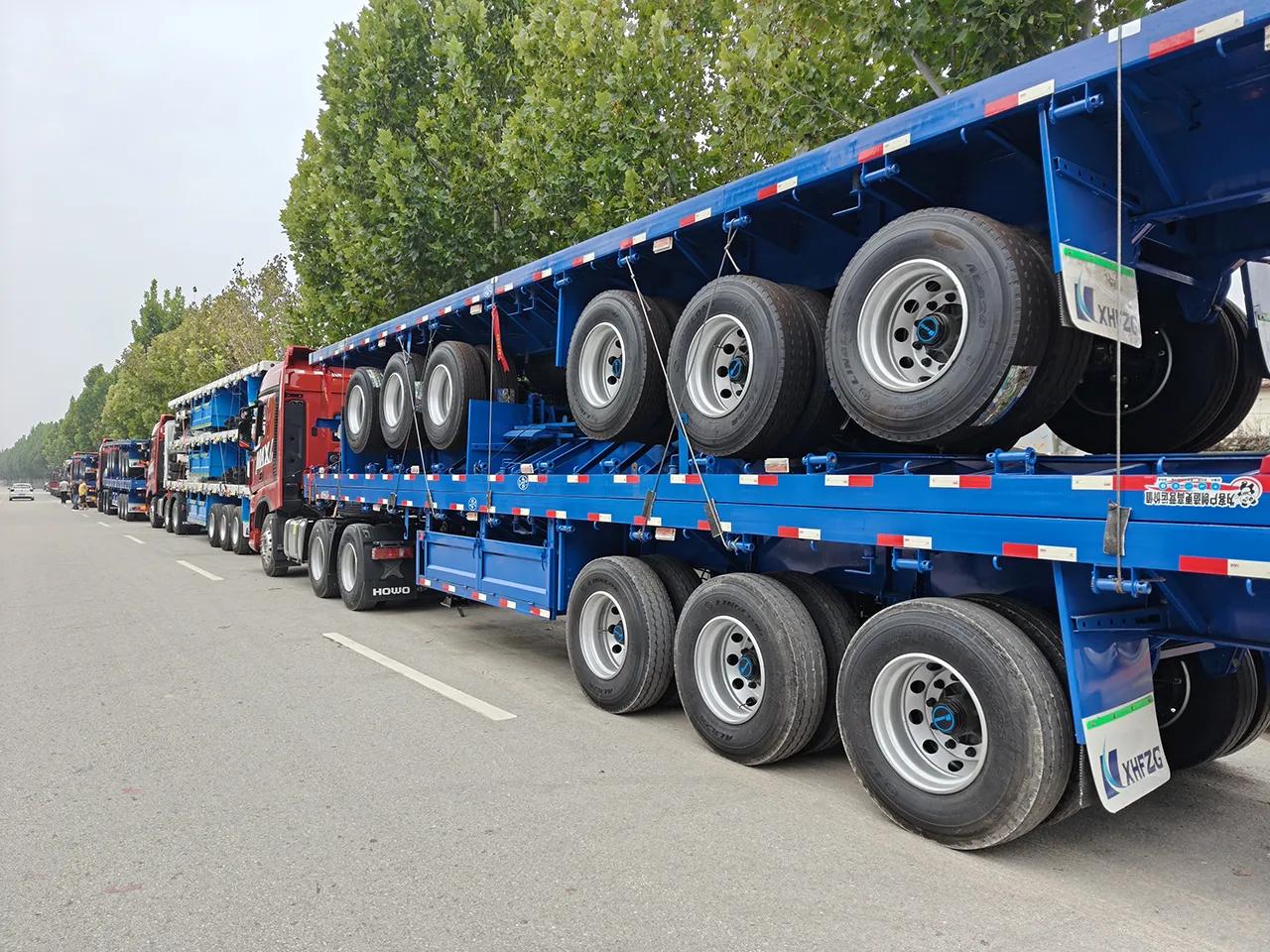
In early 2025, a West African logistics operator approached Kales after repeated failures across its trailer fleet. Four out of ten trailers from a previous supplier developed main beam cracks in less than 12 months, and corrosion had already begun shortening chassis life. Twelve months after switching to 15 Kales 3-axle 40ft flatbed semi-trailers with Q355 steel chassis and full electrostatic powder coating, the fleet reported zero structural failures, 99%+ uptime, and a clear repeat-order intent. This case study shows how the right specification changes the result on the ground.
Project Summary
- Fleet size: 15 units of 3-axle 40ft flatbed semi-trailers
- Region: West Africa
- Original issue: 4 frame cracks across 10 previous trailers within 12 months
- Kales upgrade: Q355 chassis, robotic welding, electrostatic powder coating
- 12-month result: zero structural failures and 99%+ uptime
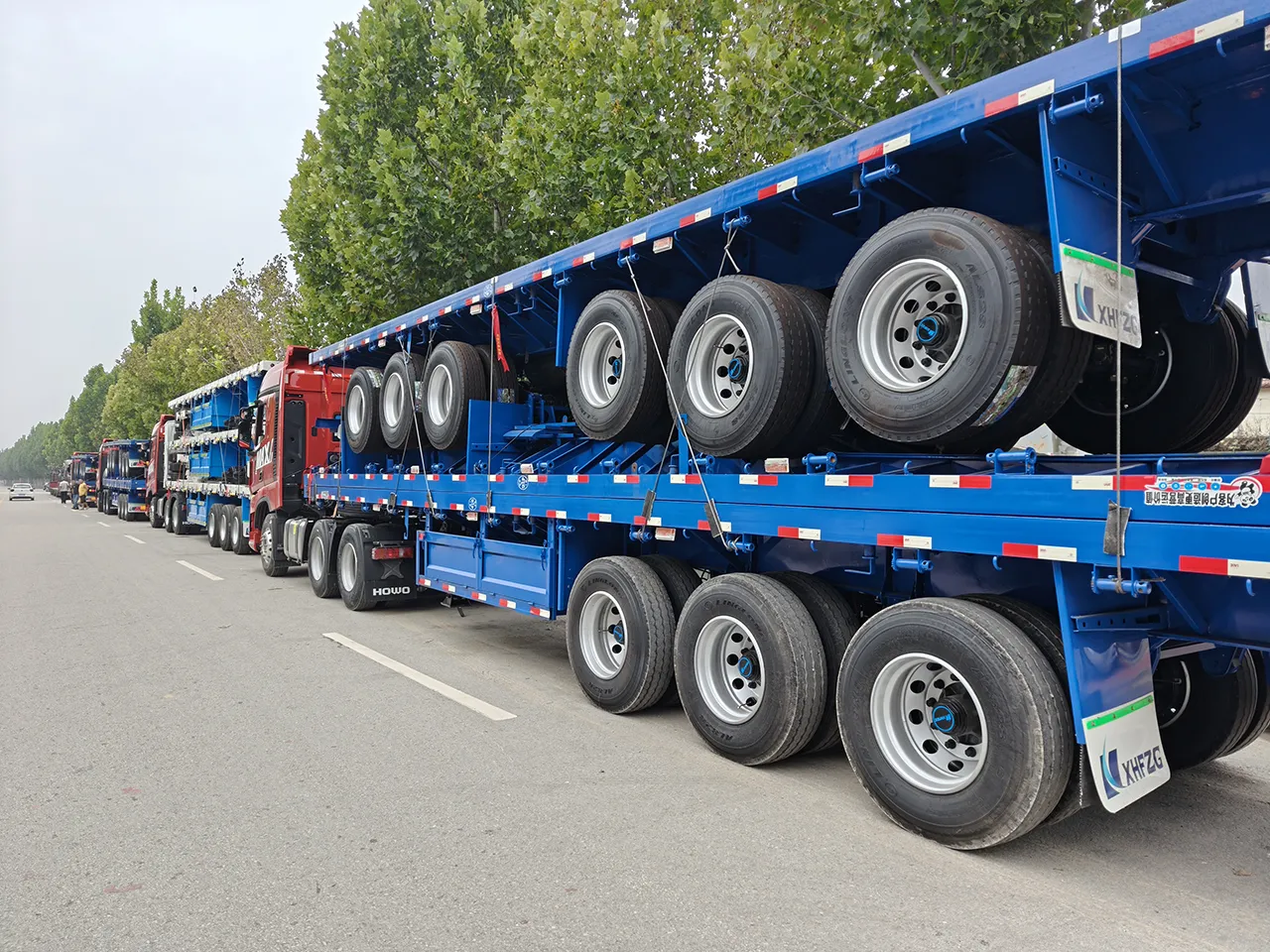
Project at a Glance
| Client | Logistics and haulage company in West Africa |
| Challenge | Previous trailers from another supplier suffered main beam cracks and premature corrosion within 12 months, causing repeated downtime on core haulage routes. |
| Solution | 15 x Kales 3-axle 40ft flatbed semi-trailers with Q355 high-strength steel chassis, robotic welding at critical joints, and full electrostatic powder coating. |
| Outcome | All 15 units stayed operational with zero structural failures after 12 months, supporting 99%+ uptime and a strong basis for repeat purchasing. |
Client Operating Profile
The customer operates a mixed-route haulage fleet serving port, construction, and inland logistics work across West Africa. To keep the buyer anonymous while still making the context useful, this case is best understood as a West African corridor application similar to Nigeria, Ghana, Cote d’Ivoire, Senegal, Togo, and Benin. Their trailers regularly carry containers, bulk cargo, steel products, construction materials, and palletized loads on routes where humidity, road surface quality, and loading practices vary from trip to trip.
| Operating Region | West Africa, with conditions similar to port and inland routes in Nigeria, Ghana, Cote d’Ivoire, and Senegal |
| Typical Cargo | Containers, steel, construction materials, bulk cargo, and general heavy freight |
| Main Buying Concern | Avoiding repeated frame cracks, corrosion damage, and downtime after previous low-cost trailers failed early |
| Fleet Goal | Standardize on a stronger 40ft flatbed trailer platform suitable for 40-50 ton logistics work |
The Problem: Why Their Previous Trailers Failed
The client’s previous trailers, sourced from a low-cost supplier, used inadequate Q235 mild steel for the main beam, a common cost-cutting practice in budget trailer manufacturing. Combined with single-pass manual welding and a thin layer of conventional wet paint, the units were not suited to sustained West African operating conditions.
Four operating stressors pushed the old fleet into early failure:
- Tropical humidity accelerating corrosion under thin paint films
- High operating temperatures reducing fatigue tolerance under load
- Heavy mineral and aggregate cargoes pushing axle loads close to design limits
- Long-distance highway and cross-border runs across demanding regional corridors
Failure Inspection Findings
Before recommending a replacement specification, Kales reviewed the customer’s reported failure pattern. The damage was not limited to surface rust. The previous trailers showed structural fatigue symptoms in the areas that usually carry the highest stress during heavy flatbed operation.
- Main beam fatigue: cracks appeared after repeated heavy loading and long-distance operation.
- Suspension bracket stress: local stress concentration increased under rough-road vibration.
- Coating breakdown: thin wet paint allowed corrosion to spread around weld seams and underside surfaces.
- Inconsistent weld quality: variable weld penetration increased the risk of early cracking around critical joints.
This diagnosis shaped the final trailer specification: stronger steel for the main structure, more consistent welding for high-stress zones, and a more durable coating system for humid and coastal conditions.
The Hidden Cost of Trailer Frame Failure
For heavy-duty logistics operators, a cracked trailer frame creates more cost than the welding repair itself. Every failed trailer can remove capacity from the schedule, delay cargo movement, increase driver waiting time, and force the company to rent substitute equipment during peak demand.
- Direct repair cost: welding, reinforcement, repainting, and workshop labor
- Downtime cost: trailer unavailable for dispatch while repairs are completed
- Replacement capacity cost: rented trailers or outsourced transport
- Operational risk: delayed delivery, missed cargo windows, and reduced customer confidence
- Future resale impact: visible frame repair can reduce second-hand trailer value
The Kales Solution: Engineered for West African Conditions
Kales reviewed the failure pattern and proposed a 15-unit build focused on three upgrades over common market specifications. Each upgrade was selected to answer a known failure mode from the client’s previous fleet.
This configuration was based on the same heavy-duty platform used in the Kales 3-axle 40ft flatbed trailer for Africa, with adjustments made for the customer’s cargo profile, road conditions, and maintenance expectations.
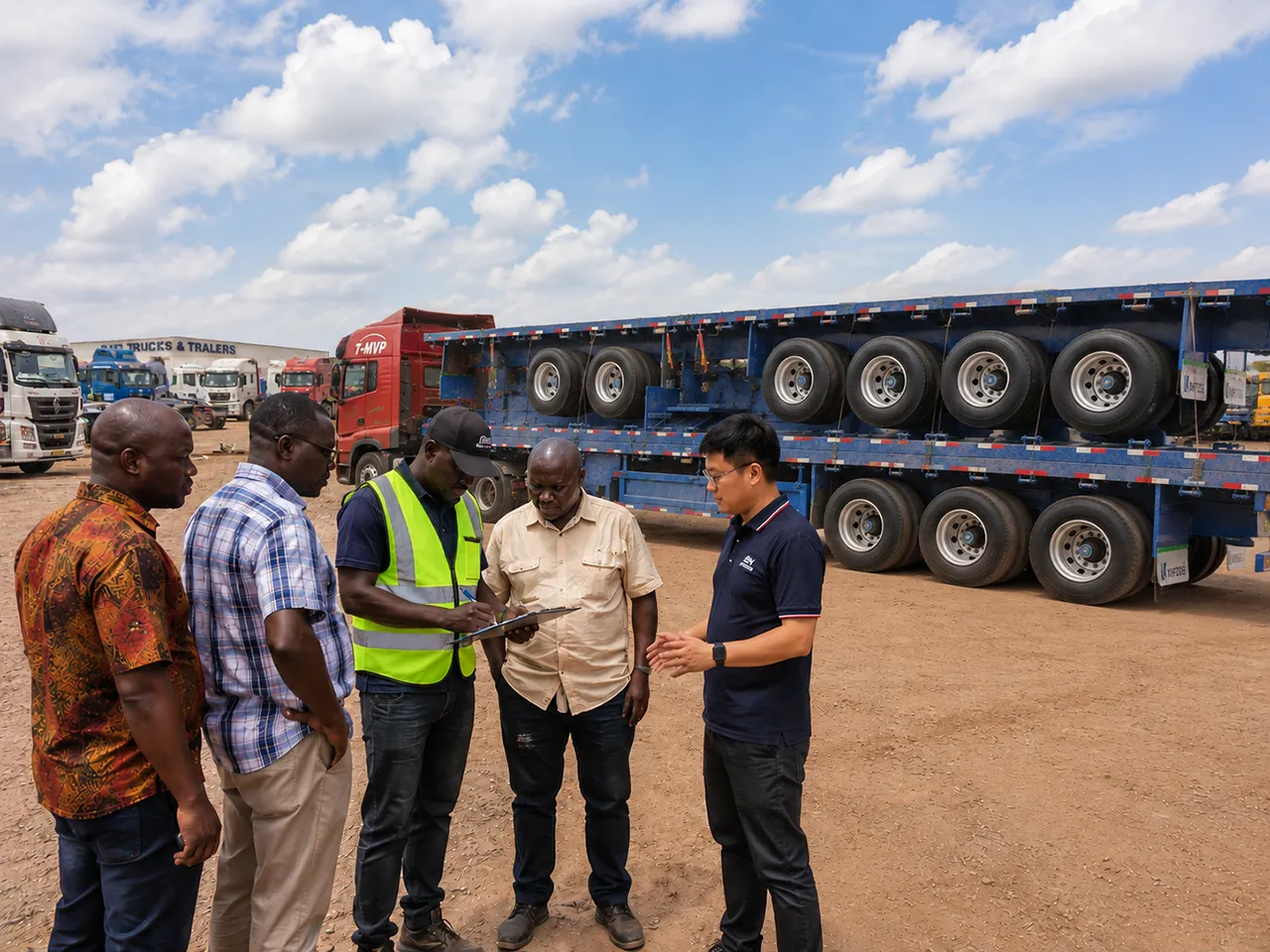
1. Q355 High-Strength Steel Chassis
Compared with Q235 mild steel commonly seen in budget trailers, Q355 high-strength low-alloy steel provides stronger yield strength, better fatigue resistance under cyclic loading, and better performance in critical stress-concentration areas such as the kingpin section and suspension brackets.
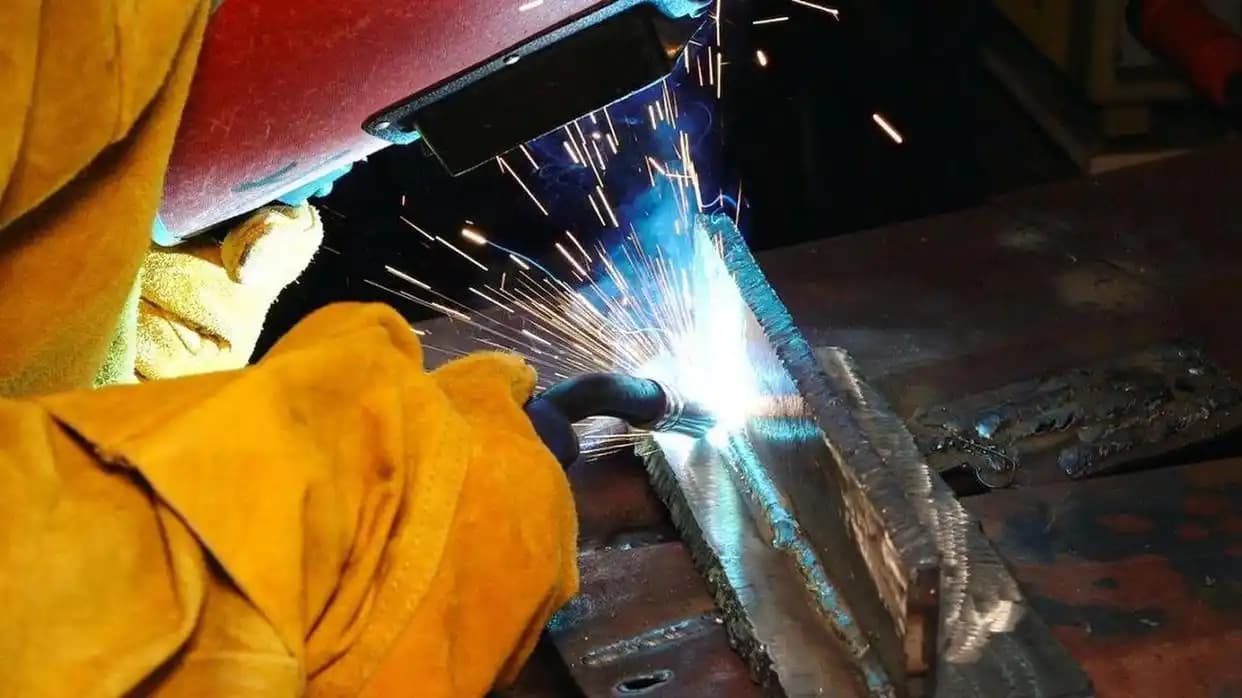
2. Robotic Welding for Critical Joints
All structural welds at high-stress locations, including the kingpin assembly, suspension bracket connections, and main beam intersections, were completed using robotic welding rather than variable manual welding. This improves penetration consistency, reduces porosity risk, and keeps quality uniform across the full batch.
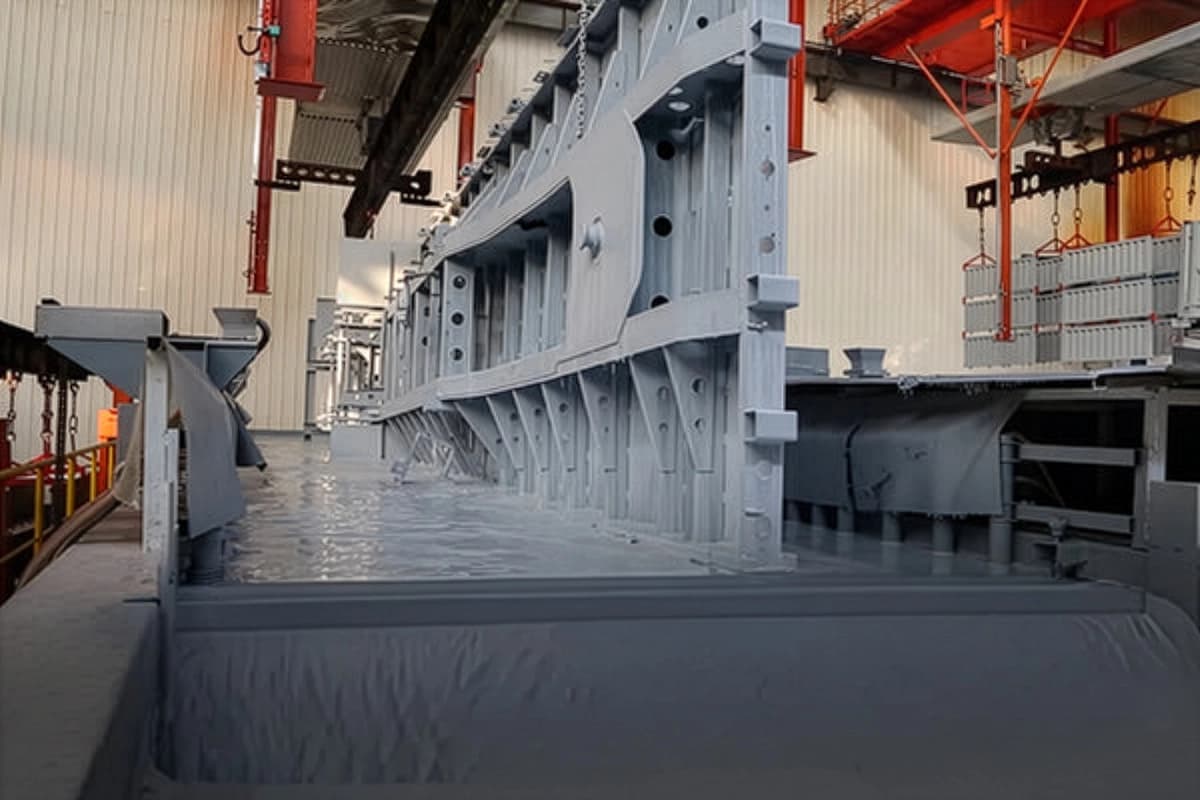
3. Three-Stage Electrostatic Powder Coating
Surface protection in tropical and coastal environments requires more than wet paint. Kales applied a three-stage coating process designed for long service life in corrosive duty cycles:
| Step | Process | Benefit |
|---|---|---|
| 1 | Sandblasting to remove scale, impurities, and rust | Maximizes coating adhesion to the steel surface |
| 2 | Full electrostatic powder coating over the chassis | Creates an even protective layer with no thin spots |
| 3 | High-temperature baking at 200°C in an industrial oven | Hardens the coating shell against scratches, UV, and salt corrosion |
Versatile Cargo Handling: Containers and Bulk Freight
For logistics fleets in West Africa, trailer utilization matters as much as chassis strength. The customer needed a flatbed platform that could handle container moves, construction materials, bagged freight, timber, steel products, and return-trip freight without changing trailer type.
- Container ready: 12 twist locks for 1 x 40ft or 2 x 20ft ISO containers
- Anti-slip floor: 3mm checkered steel plate to reduce cargo shifting
- Bulk cargo ready: 20 rope tighteners to secure bagged cement, timber, steel bars, and other mixed freight
| Feature | Configuration | Fleet Benefit |
|---|---|---|
| Container ready | 12 twist locks for 1 x 40ft or 2 x 20ft ISO | Faster port-to-inland container transport with easier loading and unloading |
| Bulk cargo | 20 rope tighteners along the side beams | Secures cement bags, timber, steel bars, and mixed return freight |
| Flat deck | 3mm textured steel deck | Reduces slippage and protects the chassis from moisture |
Why This Specification Was Chosen
For West African fleets, the right choice is not simply the cheapest trailer. The platform must tolerate variable payloads, tropical humidity, feeder roads, long-distance highway cycles, and repeated loading without turning welds or suspension brackets into recurring repair points.
The customer chose this configuration because it balanced payload, strength, serviceability, and export cost. Kales focused the investment where the service-life impact is strongest: chassis steel, weld consistency, suspension durability, brake reliability, and anti-corrosion protection.
Delivery and Commissioning
- Pre-shipment inspection: welds, chassis, paint finish, and equipment compliance were checked before export.
- Export documentation: commercial invoice, packing list, bill of lading, technical sheet, and warranty were prepared for customs and fleet records.
- Arrival acceptance: the customer inspected the configuration, finish, and operating readiness before the units entered service.
12-Month Performance Results
After 12 months of continuous service, the difference from the previous fleet was clear.
| Metric | Before | After Kales |
|---|---|---|
| Structural failures in year 1 | 4 incidents across 10 units | 0 incidents across 15 units |
| Average repair cost per year | about $6,000 per fleet | $0 structural repair cost |
| Fleet uptime | about 82% | 99%+ |
| Estimated 3-year repair savings | — | $18,000+ |
The improvement came from changing the specification standard, not just replacing old trailers with new ones. Moving to a Q355-based heavy-duty platform reduced repeat frame repair risk, protected dispatch capacity, and created a clearer reference for future procurement.
The ROI story
Beyond avoided repair costs, the larger gain came from uptime. More reliable fleet availability improved route continuity, reduced substitute transport spending, and strengthened the case for continuing with a higher-spec trailer platform.
Operational Impact After 12 Months
- Dispatch reliability improved: fewer unexpected trailer withdrawals from daily planning
- Maintenance became more predictable: inspections focused on routine wear parts instead of structural repair
- Driver confidence improved: stronger chassis and stable braking reduced concern on loaded routes
- Procurement risk decreased: the customer now has a proven specification for future fleet expansion
Recommended Specification for Similar West African Fleets
For buyers operating in West Africa, Kales recommends choosing trailer specifications according to cargo weight, road quality, corrosion exposure, and maintenance capability. A low purchase price may look attractive at first, but weak chassis materials and poor coating quickly increase total ownership cost.
| Operating Scenario | Recommended Configuration | Reason |
|---|---|---|
| General logistics and container work | 3 axles, 13-ton axles, mechanical suspension, Q355 chassis | Balanced for payload, cost, and serviceability |
| Mining or aggregate transport | Reinforced beam, 16-ton axle option, heavy-duty leaf spring suspension | Improves resistance to high payload and rough-road impact |
| Coastal or humid operation | Sandblasting plus electrostatic powder coating | Reduces corrosion around weld seams and underside surfaces |
| Long-distance cross-border routes | Branded brake system, reliable landing gear, common tire size | Makes maintenance easier across regional workshops |
What Other West African Fleet Operators Should Take Away
- Material grade matters more than sticker price. Lower upfront cost can quickly be erased by beam repairs and downtime.
- Surface protection defines service life in humid climates. A proper coating process is a structural decision, not a cosmetic one.
- Welding consistency matters on heavy-duty routes. Stable weld quality is essential for long-distance, high-payload use.
Buyer Checklist Before Ordering Flatbed Trailers for Africa
Before ordering a new batch of flatbed semi-trailers, fleet owners should confirm the operating conditions clearly. These details help Kales recommend the right model and avoid under-specification.
- Target cargo: container, steel, cement, aggregate, equipment, or mixed freight
- Expected payload: normal working load and maximum occasional load
- Road condition: highway, port road, mining road, rural feeder road, or mixed route
- Climate exposure: coastal humidity, rainy season operation, dust, or salt air
- Maintenance access: preferred axle, tire, brake, and landing gear brands available locally
- Shipping destination: target country, port, inland delivery point, and preferred delivery schedule
Frequently Asked Questions
What is the load capacity of a Kales 3-axle 40ft flatbed trailer?
The standard configuration carries up to 50 tons of payload using 3 x 13-ton heavy-duty axles. For mining and aggregate work, a 16-ton axle upgrade is available depending on the tractor and local road regulations.
How long does shipping take from China to West Africa?
Container shipping to Lagos, Tema, Abidjan, or Dakar typically takes 30-38 days. RoRo shipping for fully assembled units can take a little longer depending on the route and vessel schedule.
What documentation is provided with each trailer?
Each unit ships with a certificate of origin, commercial invoice, packing list, bill of lading, manufacturer specification sheet, and a 12-month structural warranty certificate. Customs clearance assistance is available for regular destination markets.
Are spare parts available locally in West Africa?
Yes. Kales maintains spare-parts arrangements with partners in Lagos, Tema, Abidjan, and Dakar. Branded components such as BPW axles, JOST landing gear and kingpins, and WABCO brakes are also widely serviceable at independent workshops across the region.
What is the warranty on Kales flatbed trailers?
The standard warranty covers the chassis structure and main welds for 12 months, electrical and hydraulic components for 6 months, plus pass-through warranties from branded suppliers such as BPW, JOST, and WABCO under their original terms.
Can the trailer specifications be customized?
Yes. Length, axle count, kingpin size, suspension type, tire size, and brake configuration can all be adjusted. Minimum order quantity for custom configurations is typically 5 units.
Which flatbed trailer model was used in this West Africa case?
The project used a customized version of the Kales 3-axle 40ft flatbed semi-trailer for Africa, configured with Q355 steel, heavy-duty axles, mechanical suspension, JOST-compatible kingpin options, and electrostatic powder coating for humid and high-load operating conditions.
Why is Q355 steel better than Q235 for heavy-duty flatbed trailers?
Q355 steel has higher yield strength than Q235 mild steel, which helps the main beam resist bending and fatigue under repeated heavy loads. For fleets carrying containers, aggregate, steel, or construction materials, Q355 is usually a better choice for long-term chassis durability.
Is electrostatic powder coating necessary for West African trailer operation?
For humid, coastal, or rainy-season operation, electrostatic powder coating gives stronger and more even protection than basic wet paint. It is especially useful around weld seams, chassis underside areas, and structural edges where corrosion usually starts first.
Need a flatbed trailer spec for West African routes?
Share your cargo type, target payload, road conditions, and destination port. Kales will recommend the right 3-axle 40ft flatbed trailer configuration for your fleet.
Published by: Kales Truck Engineering Team
Last updated: May 21, 2026
Related: 3-Axle 40ft Flatbed Trailer for Africa · All Semi Trailers · Request a Quote