

What is semi-trailer brake fade? Brake fade is the dangerous loss of a commercial truck’s stopping power during long mountain descents. It occurs when aggressive, continuous braking pushes drum or rotor temperatures past 600°F (325°C), burning away friction limits. By 1,000°F (538°C), linings vaporize and mechanical fade expands the drums outward, resulting in catastrophic failure without warning.
💡 Key Takeaways
- Thermal Thresholds: Friction braking degrades rapidly above 600°F (325°C). At 1,000°F (538°C), drums expand away from shoes, resulting in complete mechanical brake fade.
- Active Control: Never ride the brake pedal. Use the Snub Braking technique (firmly apply brakes for 3 seconds to drop speed by 5-6 mph, then release completely to cool).
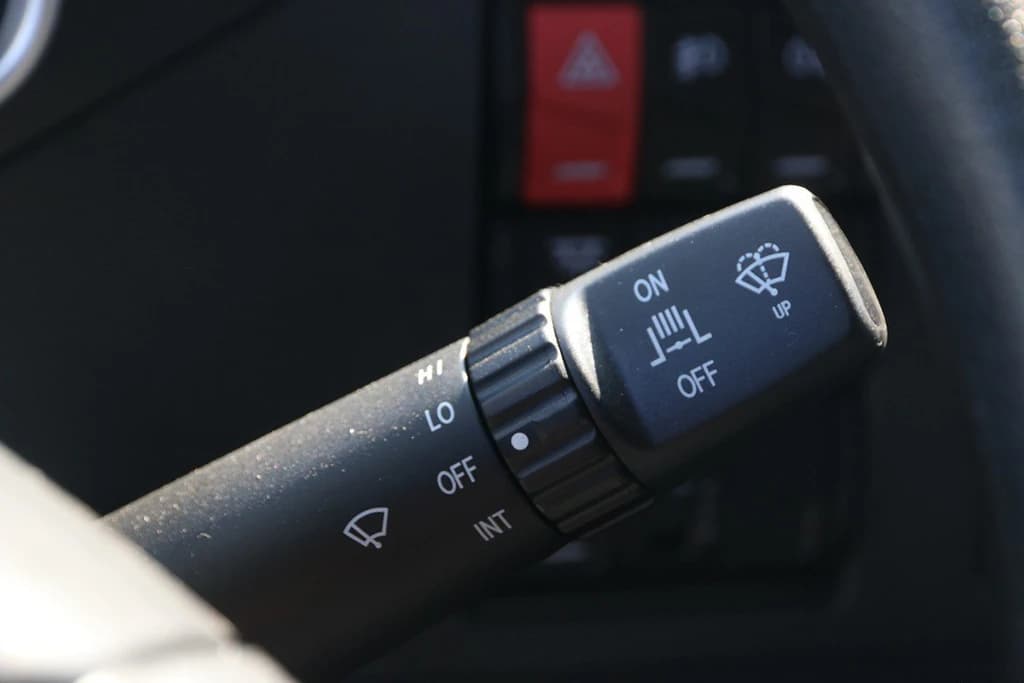
- Engine Retarders: Rely primarily on auxiliary brakes (Jacobs engine brake or hydraulic retarders) in a lower gear. In-gear motoring cuts fuel consumption to zero while protecting foundation brakes.
- Safety Systems: Specify trailers with WABCO ABS/EBS and Roll Stability Support (RSS) to maintain lane control on slick mountain curves and prevent jackknifing.
The Physics of Downhill Safety
How temperature escalates into total mechanical failure during continuous braking.
| Brake Temperature | Physical Phenomenon | Danger Level |
|---|---|---|
| < 400°F (204°C) | Normal heat dissipation through drums/rotors. | Safe Operation |
| ~ 600°F (325°C) | Lubricants vaporize; friction coefficient drops rapidly. | Warning (Fade Begins) |
| 1,000°F+ (538°C+) | Linings vaporize; extreme heat expands the drum outward away from the shoes. | Catastrophic Failure |
The Standardized Safety Process for Mountain Grades
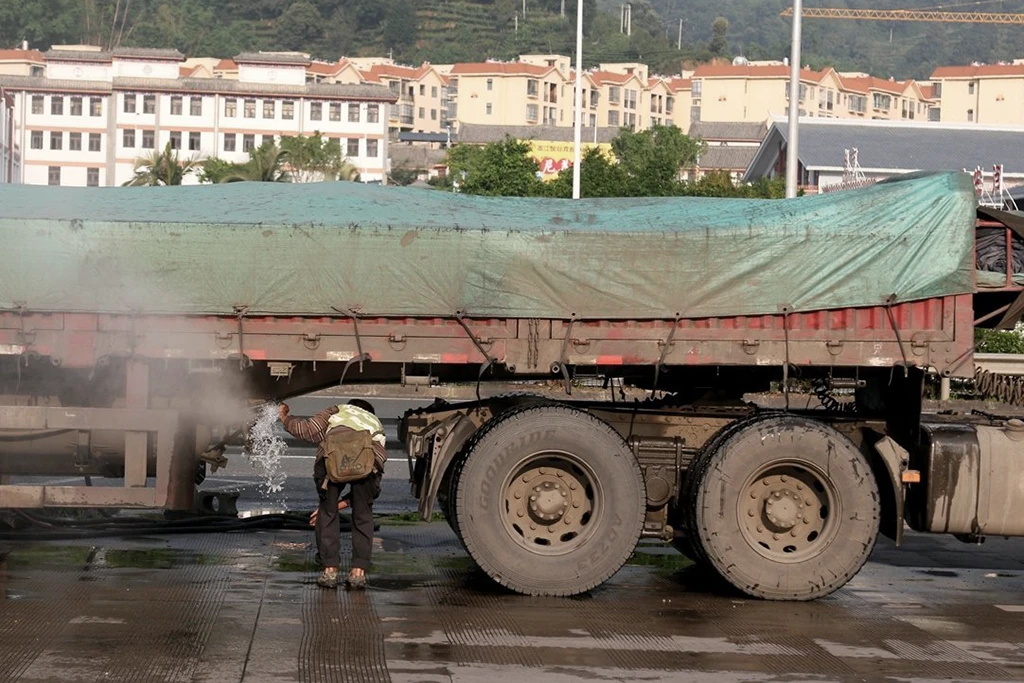
Step 1: The “Pre-Trip Inspection” (PTI) Is Non-Negotiable 🔧
Before cresting a mountain pass, you must verify the thermal capacity and active tolerance of your foundational components. Vehicles suffering from continuous operation wear are severely jeopardized on 6%+ grades.
- Brake Clearances: Visually inspect slack adjusters. Brakes slightly out of adjustment heat up faster because other axles must absorb the stopping burden.
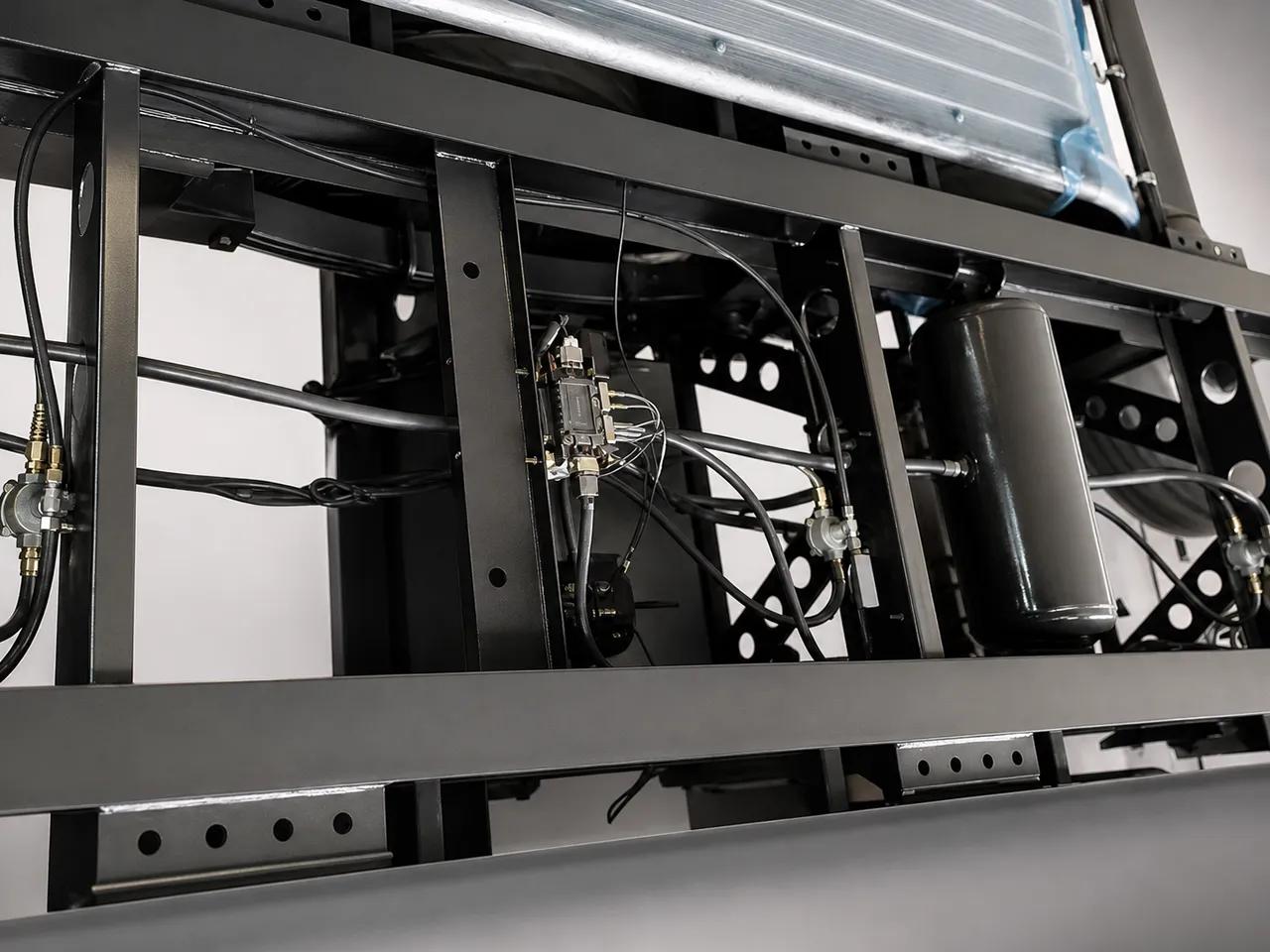
- Air Systems: Bleed the air dryer to ensure zero moisture. Damp lines severely delay air transfer to the trailer relay valves.
- Tire Degradation: 1,000°F brake heat bleeds directly into wheel rims and tires, elevating blowout risks on defective rubber.
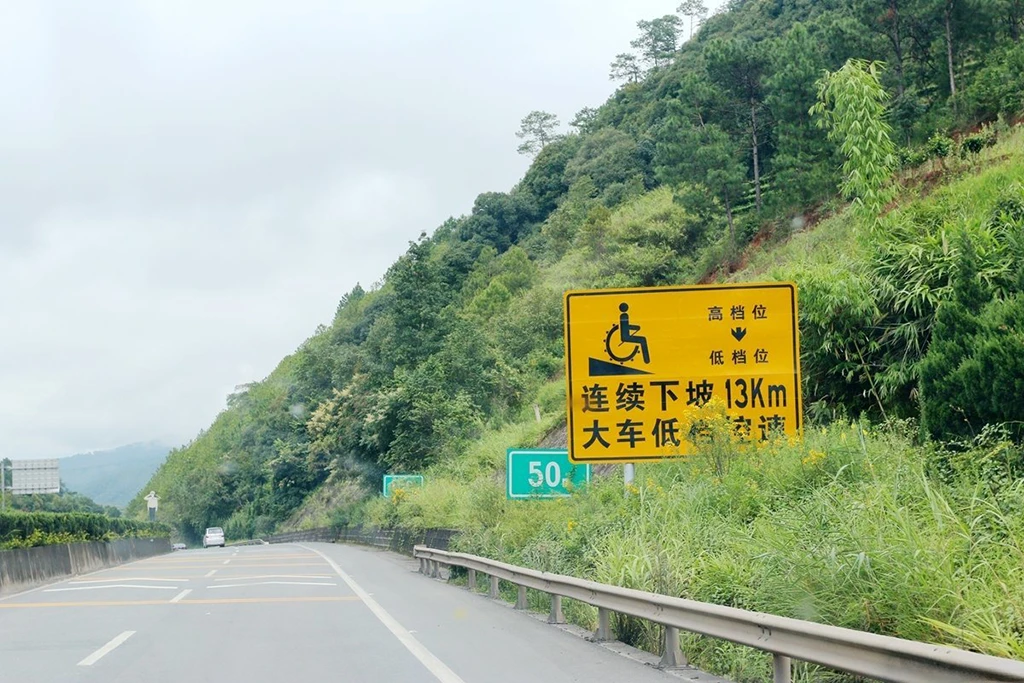
Step 2: Securing the “Right Gear” Strategy ⚙️
Defensive thermal management begins with the transmission, not the foot pedal. The golden rule for long grades is utilizing lower gears before crossing the peak. This allows engine compression to hold back the load naturally.
🛑 The Danger of Neutral Coasting
Coasting a semi-trailer in neutral is illegal and eliminates critical engine compression resistance. Furthermore, idling RPMs fail to power the air compressor fast enough to replace the massive air volume lost during continuous downhill braking.
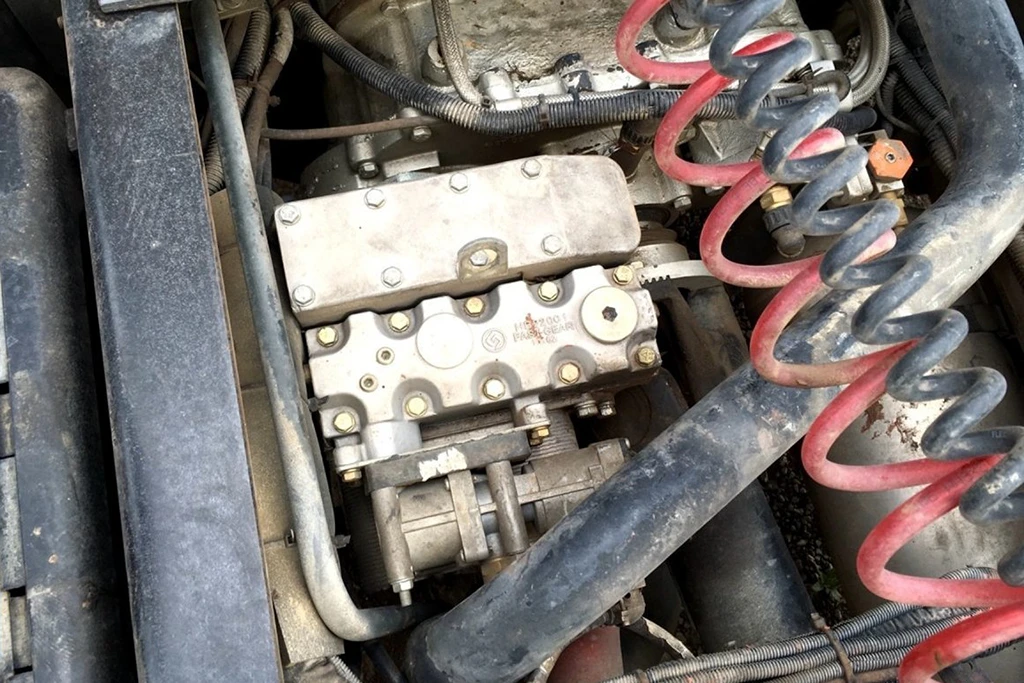
Step 3: Mastering “Snub Braking”
“Riding” the brakes with light, continuous pressure acts as an immediate catalyst for glaze and drum expansion. Instead, official **CDL Guidelines** mandate the **Snub Braking** cycle to force intermittent cooling intervals:
- Allow the vehicle speed to drift up to your established “safe control speed” (e.g., 40 mph).
- Apply service brakes firmly to cut the speed by 5-6 mph in approximately 3 seconds.
- Release the pedal completely. This flushes the friction zone with air, bleeding heat off the drum.
- Repeat when the vehicle drifts back to the safe control speed limit.
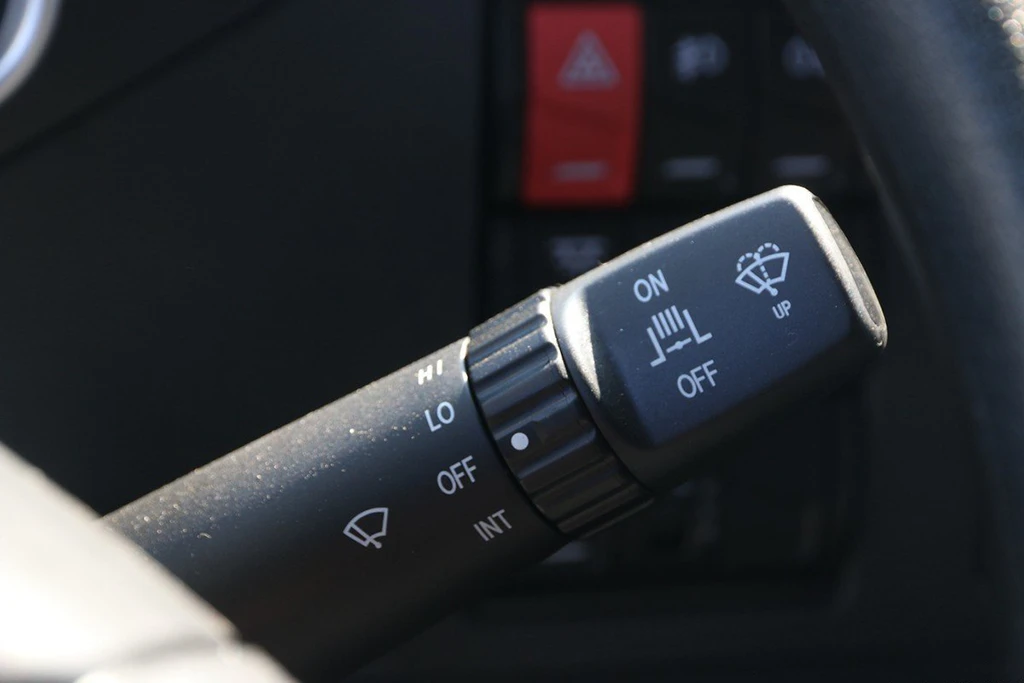
Step 4: Weather Adaptation Formulas 🌧️
Weather severely restricts the braking coefficient of friction on the asphalt. Wet roads or icy conditions mandate an immediate drop in baseline downhill speed by at least 1/3 (or 33%). When pairing wet conditions with the “Jake Brake” (engine brake), monitor your drive axles—aggressive engine braking on slick surfaces can trigger a dangerous trailer jackknife.
5. Specify Heavy-Duty Braking Hardware For Active Safety
While driving habits prevent overheating, specifying high-standard trailer chassis and braking hardware provides the foundation for safe heavy hauling:
- WABCO ABS/EBS/RSS Braking Systems: Integrated Roll Stability Support (RSS) monitors lateral acceleration. It automatically applies individual trailer brakes to correct stability before a rollover can occur.
- Premium Axles (BPW / FUWA): Recommending 13-ton or 16-ton capacity axles ensures thermal resilience. Larger drums (typically 420x220mm) offer expanded heat sink mass, delaying the onset of brake fade.
- Drum vs. Disc Brakes: Air disc brakes offer superior resistance to fade and zero drum expansion. However, heavy-duty drum brakes remain the standard for dusty or unpaved regional routes where seal contamination is a risk.
- High-Strength Q355B Steel Chassis: Standardizing on high-tensile Q355B steel chassis reduces empty weight, cutting down the overall kinetic energy the brakes must absorb.
Post-Descent Brake Audit for Fleet Managers
A descent should not be considered finished when the vehicle reaches flat road. Fleet managers should treat every heavy downgrade as a brake audit opportunity, especially when the route includes mountain passes, mining roads, border queues, or hot-weather operation. The driver should report smoke, odor, warning lights, weak braking response, unusual vibration, or any wheel-end that appears hotter than the others.
The maintenance team should then check whether the heat was evenly distributed. One overheated drum can indicate a dragging brake, weak return spring, poor adjustment, contaminated lining, wheel bearing issue, or an air-line problem. Four overheated drums on the trailer usually point to descent technique, overspeed, wrong gear, overloaded cargo, or insufficient cooling time. Those two patterns require different corrective action.
A practical fleet policy is to log brake events by route, driver, trailer number, load weight, weather, and repair finding. If the same trailer repeatedly shows high brake temperature after the same corridor, the problem may be specification related: brake size, drum quality, axle load distribution, tire rolling resistance, or suspension condition. If the same driver repeatedly reports hot brakes on different trailers, training and descent planning should be reviewed first.
This record-based approach is what turns brake fade prevention into E-E-A-T evidence. It gives the fleet a defensible reason for choosing heavier brake hardware, EBS diagnostics, better maintenance intervals, or driver retraining, instead of relying on general advice after a near-miss.
Descent Brake-Heat Control Checklist
A safe downgrade plan starts before the tractor enters the grade. The driver should know the gross weight, grade length, weather, road surface, escape ramp locations, and the maximum speed that can be held without continuous service-brake pressure. If the truck is already too fast at the top of the hill, no braking system can remove heat fast enough for the whole descent.
Before descending, confirm air pressure recovery, check for ABS or EBS warnings, listen for air leaks, and inspect brake chambers, slack adjusters, hoses, drums, linings, tires, and wheel-end temperature. CVSA air-brake guidance treats pushrod stroke and proper brake adjustment as inspection-critical because excessive stroke reduces available braking force and can make one wheel end work harder than the others.
Before the grade
Choose the gear before speed builds, verify brake adjustment, confirm retarder function, and set a maximum speed for the descent.
During the grade
Do not coast in neutral. Use engine braking first, then controlled service-brake intervals to bring speed back into the safe range.
After the grade
If odor, smoke, long pedal travel, warning lights, or uneven wheel-end heat appears, stop safely and let the brakes cool before continuing.
Hardware selection also matters. Heavy-duty drums, correctly rated brake chambers, stable axle alignment, healthy tires, ABS/EBS diagnostics, and consistent lubrication reduce the chance that a descent becomes an emergency. Brake fade prevention is therefore a fleet maintenance program, not only a driving technique.
Related KALES guides
ABS, EBS and RSS braking guide | Common trailer brake faults | Semi-trailer maintenance manual | Trailer lubrication guide | Tire condition and retreading guide
Safety references
- CVSA air brake chamber pushrod stroke guidance for brake adjustment checks.
- CVSA Operation Airbrake inspection procedure for systematic air-brake inspection.
- California DMV commercial air-brake handbook on downgrade braking and engine braking as the primary speed-control method.
Our Final Recommendation
Downhill trailer safety relies entirely on avoiding extreme temperatures. A driver using Snub Braking essentially prevents the foundation brakes from breaching the 600°F (325°C) threshold where mechanical friction drop-off begins. Do not ride the pedal, remain in a lowered gear, and maintain your pneumatic lines impeccably.
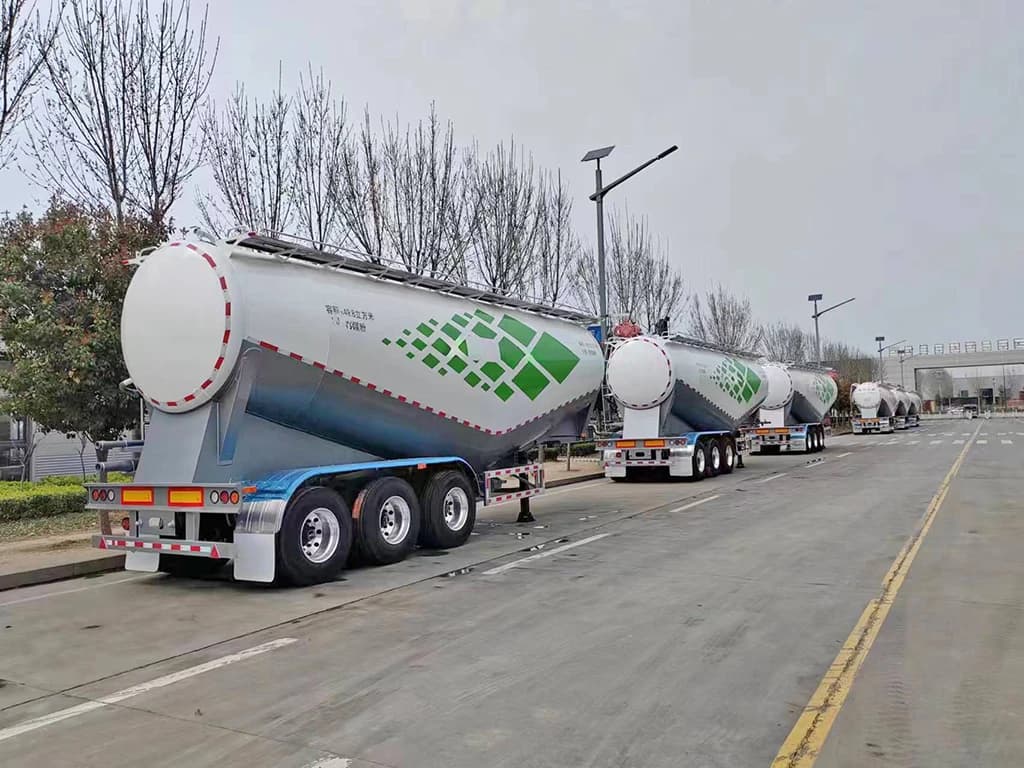
Since long-haul safety starts from the ground up, explore our KALES Heavy-Duty Semi-Trailers. Our units are structurally optimized to accommodate integrated high-performance axles and advanced auxiliary braking configurations specifically engineered for safe, loaded mountain descents.
Frequently Asked Questions
At what temperature does semi-truck brake fade occur?
Brake fade initiates as drum temperatures surpass 600°F (325°C), burning away crucial friction lubricants. By the time temperatures escalate to 1,000°F (538°C) or higher, physical expansion forces (mechanical fade) push the drum dangerously out of the brake shoe’s reach, leading to total failure.
What is the “Snub Braking” technique?
Snub braking is a commercial driving method for descents. Instead of resting a foot on the brake constantly, a driver firmly applies the brakes for about 3 seconds to shave off 5-6 mph from their top safe speed, then completely releases them to allow immediate airflow and cooling before repeating the cycle.
What percentage of truck crashes involve brake problems?
FMCSA analyses reveal that brake system issues or failures contribute to approximately 29% to 33% of all large truck accidents, stressing the vital importance of proper downhill heat management and pre-trip inspections.
Still undecided on the safest trailer configuration?
Don’t guess. Let our engineering team configure the precise braking load parameters for your fleet’s mountain operations.
Need help applying this guide?
Share your trailer type, payload, routes, operating climate, and photos with Kales. Our team can review the key points from this guide and recommend a practical specification for your fleet.
- Send photos of your tractor, trailer, or current component layout
- Confirm payload, road conditions, gradients, climate, and duty cycle
- Receive a specification or maintenance recommendation within 24 business hours
Email: jennylee@kalestruck.com | WhatsApp: +86 131 5638 8843 | Request a quote