


Lead Fleet Maintenance Engineer, Kales Vehicle
What is a semi-trailer pre-trip inspection and coupling procedure? A semi-trailer pre-trip inspection is a mandatory safety protocol involving the visual and mechanical verification of the fifth-wheel coupling, air brake system pressure (800-850 kPa), and wheel nut torque (600-650 N.m). Proper execution of these steps, in accordance with commercial driving regulations, prevents trailer detachment, load loss, and severe highway accidents.
Key takeaways before coupling
- A safe semi-trailer coupling is not confirmed by a click sound alone; it requires a visual fifth wheel jaw check, a controlled tug test, connected air and electrical lines, and a brake response test.
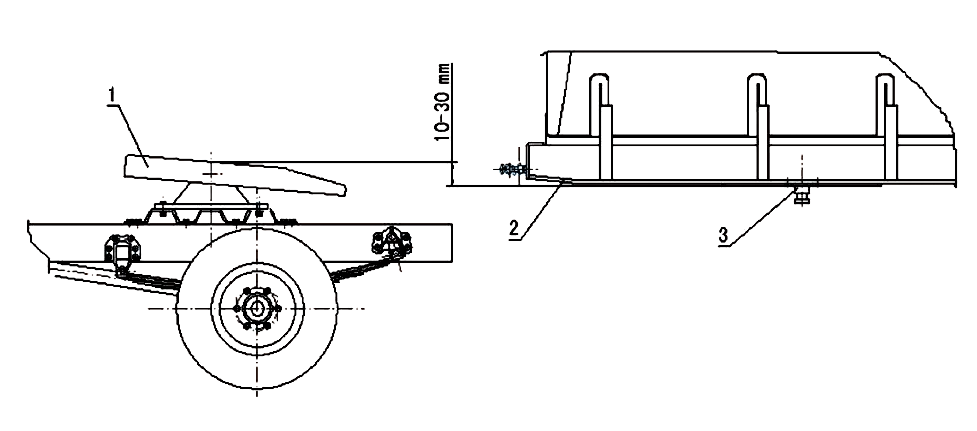
- The kingpin plate should sit 10-30 mm lower than the fifth wheel before backing under the trailer, so the tractor lifts the trailer slightly and prevents a false lock.
- Any hissing air line, ABS warning lamp, damaged gladhand seal, cracked landing gear pad, missing wheel nut or unverified retorque is a no-go defect until corrected.
- For new trailers, the first loaded trip is part of commissioning: wheel nuts, suspension U-bolts and air fittings need a documented recheck after the initial 50-100 km.
⚠️ DANGER / WARNING
Always park the tractor and semi-trailer on a level, firm surface and engage the parking brakes before attempting to couple or uncouple. Failure to visually verify that the fifth wheel jaws securely lock around the kingpin can result in trailer detachment, load loss, and severe accidents. Chock the trailer wheels before reversing.
The “Emergency Room” Matrix
| Symptom | Possible Root Cause | Immediate Solution |
|---|---|---|
| The fifth wheel jaws fail to lock around the semi-trailer kingpin. | The trailer kingpin plate is resting too high relative to the tractor fifth wheel. | Lower the landing gear so the kingpin plate sits 10 to 30 millimeters below the center of the fifth wheel. |
| A loud hissing noise comes from the air line connections at the front of the trailer. | The rubber seals inside the red or yellow gladhands are damaged, or dirt is blocking the connection port. | Disconnect the gladhands, clean off any debris, and replace the rubber seals if they show signs of cracking. |
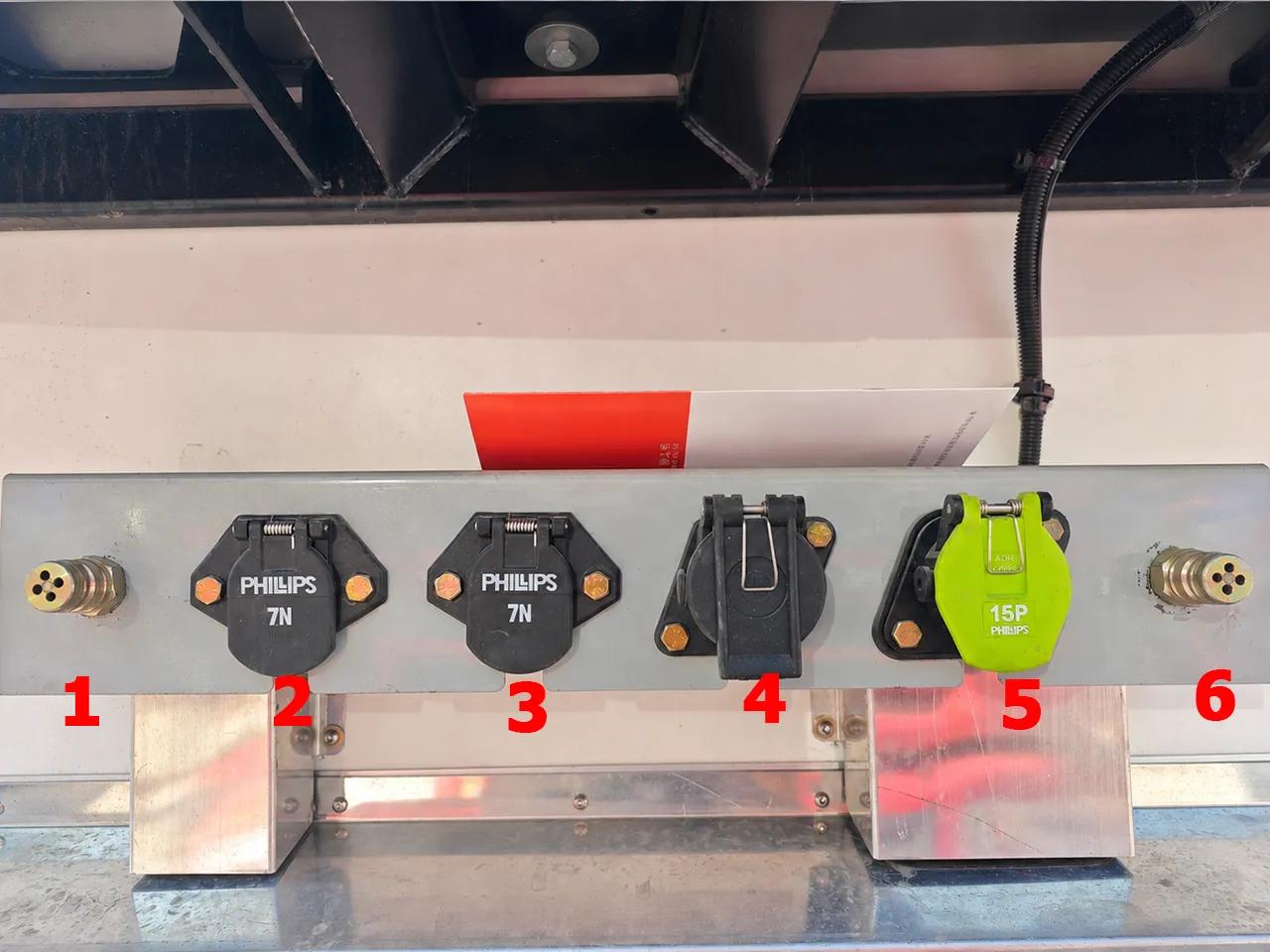
| The trailer ABS warning light stays illuminated on the dashboard. | The 7-pin electrical plug or the dedicated ISO ABS cable is not fully inserted into the tractor socket. | Push the electrical cables firmly into their respective sockets and ensure the locking caps snap fully shut over them. |
| Your new trailer exhibits loose wheel nuts shortly after beginning its first commercial haul. | The new steel rims, studs, and paint layers naturally settle and compress during their initial period under heavy load. | Retorque every wheel nut to the specified 600 to 650 N.m using a calibrated heavy-duty torque wrench. |
Critical Specs & Torque Settings
- Wheel Nut Torque Requirement: 600 – 650 N.m
- Initial Retorque Interval: First 50 – 100 km (30 – 60 miles) of loaded driving
- Air Brake System Operating Pressure: 800 – 850 kPa (116 – 123 psi)
- Optimal Coupling Height Difference: Kingpin plate 10 – 30 mm lower than fifth wheel center
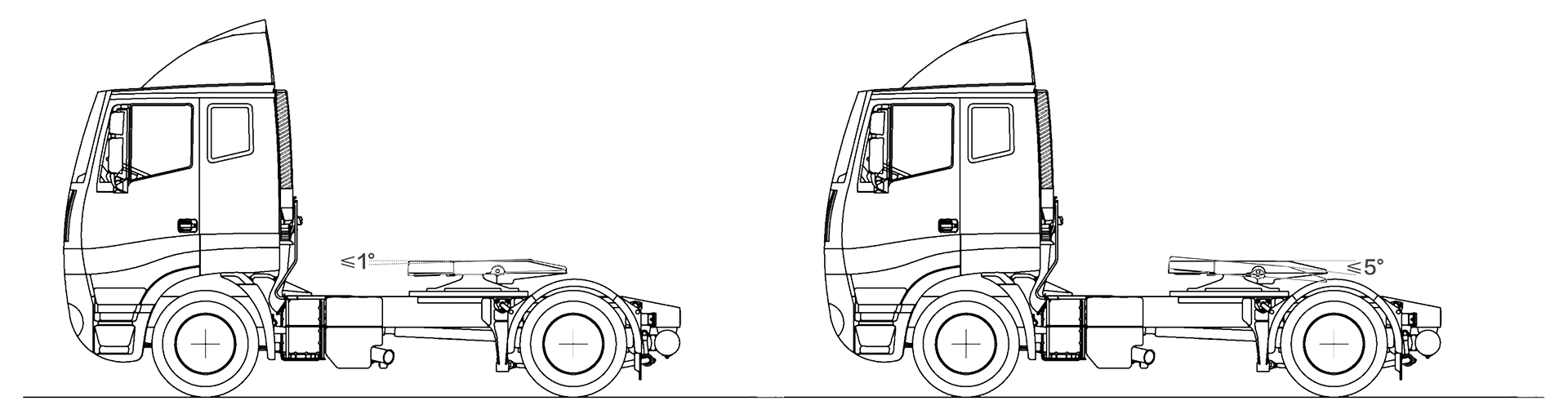
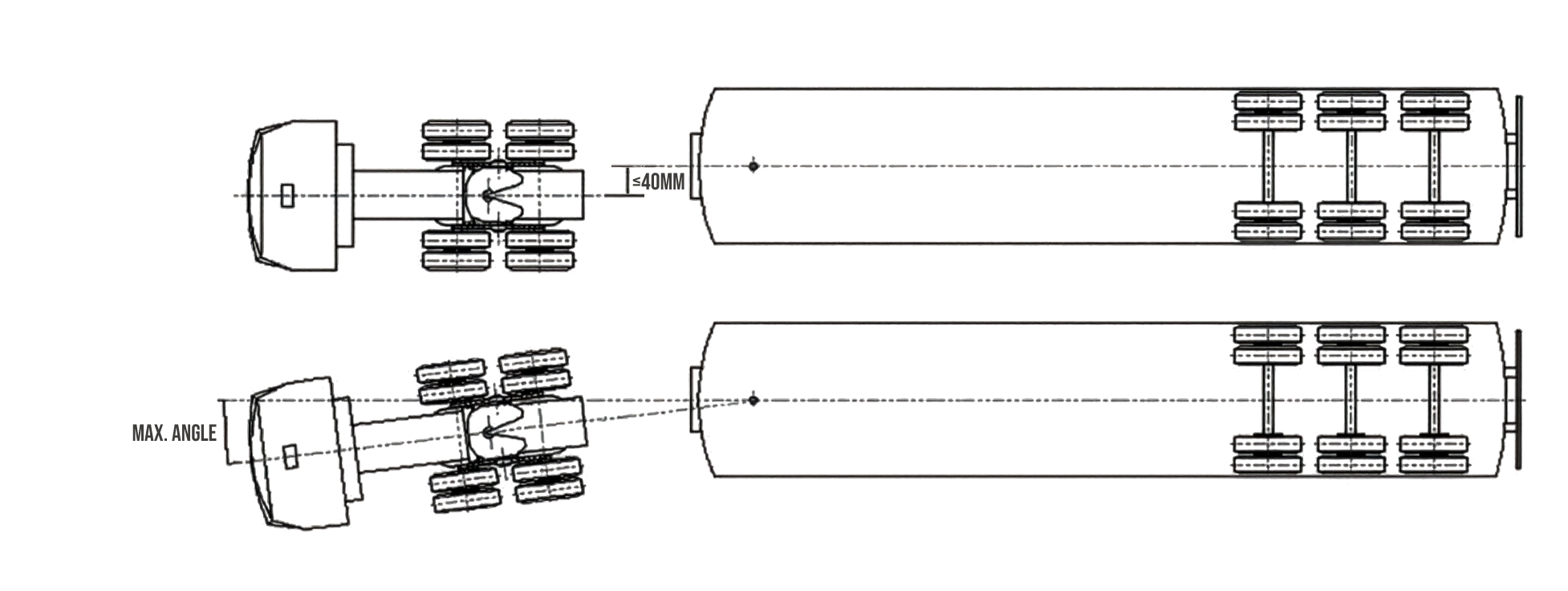
- Maximum Articulation Angle for Coupling: 5 degrees or less
- Coupling Centerline Tolerance: Within 40 mm
In our experience servicing thousands of commercial fleets, failure to perform the mandatory 50km wheel nut retorque procedure is the number one cause of hub damage and catastrophic wheel-off incidents on brand-new trailers. Never skip this initial maintenance step.
Step-by-Step Coupling Guide
Step 1: Adjust Landing Gear
Crank the landing gear handle to raise or lower the trailer. Set the height so the kingpin plate sits exactly 10 to 30 millimeters lower than the center of the tractor’s fifth wheel. This allows the tractor chassis to physically lift the trailer slightly during engagement.
Step 2: Align the Tractor
Open the locking jaw mechanism on the fifth wheel. Reverse the tractor slowly, keeping the trailer and tractor centerlines within a 40-millimeter tolerance. Keep the tractor articulation angle equal to or less than 5 degrees to avoid damaging the kingpin.
Step 3: Lock & Visually Inspect
Reverse the tractor until the kingpin slides in and locks automatically into the fifth wheel. Exit the cab and shine a flashlight directly under the fifth wheel to visually confirm the jaws are entirely closed around the kingpin shank. Never rely solely on the sound of the latch or an in-cab tug test.
Step 4: Connect Pneumatics & Electrical
Attach the red gladhand to the supply line. Attach the yellow gladhand to the control line. Plug the 7-pin and ISO cables into the receptacles. Open the fast-fill supply valve to build the system pressure to at least 800 kPa, in accordance with commercial driver handbook combination-vehicle guidance.
Go / no-go checks before leaving the yard
Use the coupling procedure as a release gate, not just a routine. Under commercial vehicle rules, drivers must be satisfied that key parts and accessories are in good working order before operation and must review inspection reports when defects were previously noted. In practical fleet work, that means the driver and dispatcher should both know which defects stop the truck immediately.
- Fifth wheel and kingpin: go only when the jaws are fully closed around the kingpin shank, the release handle is seated and there is no visible gap. Stop for a high-riding kingpin, loose handle, missing safety clip or metal cracking.
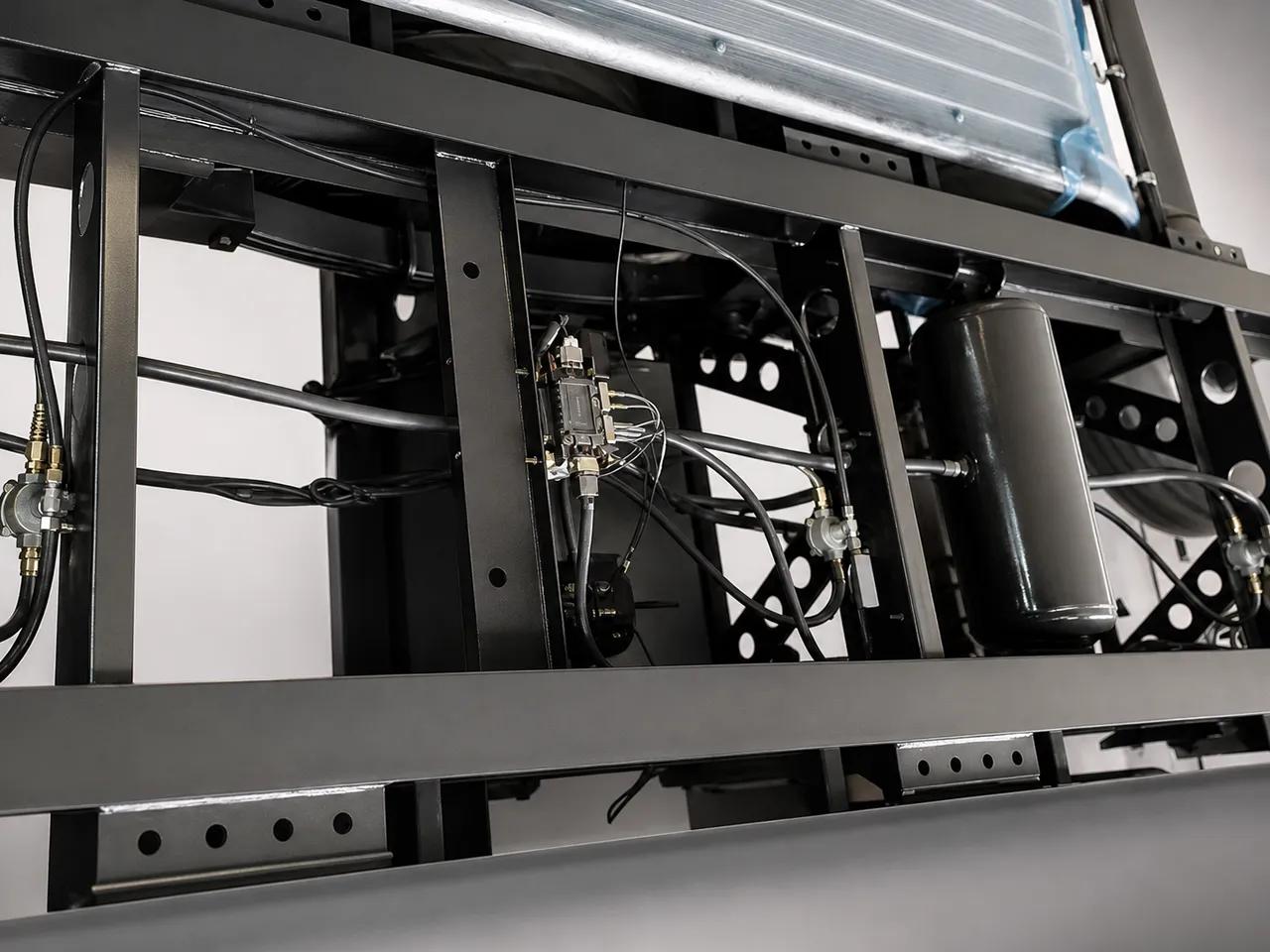
- Air lines and gladhands: go only when red and yellow lines are connected, seals are clean and no audible leak appears while pressure builds. Stop for hissing, crossed lines, damaged seals or pressure that cannot recover.
- Electrical and ABS: go only when the 7-pin plug, ABS/ISO line, brake lamps and turn signals are confirmed. Stop for an ABS lamp that stays on, intermittent lights, corrosion or damaged cable insulation.
- Landing gear: go only when the legs are fully raised, crank secured and pads undamaged. Stop for a bent leg, cracked foot pad, stuck gearbox or incomplete retraction.
- Wheel end: go only when all wheel nuts are present, hub seals are dry and first-trip retorque is recorded. Stop for a missing nut, fresh rust trail, oil leak or abnormal tire bulge.
Preventative Maintenance Checklist
- Pre-Trip: Inspect all red and yellow gladhands to ensure the rubber seals are clean and intact.
- Pre-Trip: Test all brake, turn, and clearance lights to confirm they illuminate brightly.
- Pre-Trip: Build air pressure to 850 kPa and listen carefully around the axles for any hissing sounds indicating air leaks.
- Post-Delivery (New Trailers): Retorque all the wheel nuts to 600-650 N.m after driving the first 50-100 kilometers under load.
- Weekly: Verify that all suspension U-bolts and axle plates remain tight and free from metal fatigue cracks.
- Weekly: Examine tire pressures and tread depths across all axles.
Need Spare Parts?
We stock all Kales Vehicle original parts, including heavy-duty gladhands, 7-pin electrical cords, ABS sensors, and replacement wheel studs. Consult the exploded view diagrams in your owner’s manual to find the exact Part Number you require.
Yard Release Log: Turning Coupling Into a Signed Safety Control
For fleets, the coupling task should end with a short release log, not only a driver memory check. Record the trailer number, tractor number, kingpin lock confirmation, air-pressure build, ABS lamp behavior, light test, landing gear position and wheel-end condition before the unit leaves the gate. This creates a practical evidence trail if a brake, electrical or wheel-end fault appears during the first shift.
A dispatch note also helps mixed fleets: when tractors rotate between flatbeds, lowbeds and tankers, the next driver can see whether fifth wheel height, air-line routing or wheel retorque already required attention on the previous trip.
Related KALES guides and trailer choices
Coupling safety is connected to brake condition, tire condition, fifth wheel geometry and trailer configuration. Use these related pages when training drivers or specifying a new trailer for mixed fleet work.
- Semi-trailer maintenance manual for service intervals after delivery.
- Semi-trailer troubleshooting guide for ABS, brake, tire and electrical symptoms.
- ABS, EBS and RSS braking guide for fleets upgrading brake safety.
- 40ft flatbed semi-trailer for container and general cargo lanes.
- 80 ton lowbed semi-trailer for machinery and heavy equipment transport.
Sources used for safety context
- 49 CFR 392.7 on driver equipment inspection before operation.
- 49 CFR 396.13 on driver inspection report review and sign-off.
- 49 CFR 393.70 on coupling device requirements.
- CVSA inspection levels for roadside and terminal inspection context.
- Commercial Driver Handbook combination-vehicle guidance for coupling, uncoupling and combination-vehicle training context.
Frequently Asked Questions
Why did my semi-trailer wheel come loose during the first trip?
New rims and studs naturally settle during initial loaded use, which reduces wheel nut clamping force. Retorque all wheel nuts to 600-650 N.m after the first 50 to 100 kilometers of loaded driving and record the result before the trailer continues long-haul work.
What is the correct height for coupling a semi-trailer to a tractor?
The trailer kingpin plate should sit 10 to 30 mm lower than the center of the tractor fifth wheel. This lets the tractor lift the trailer slightly during engagement and helps the fifth wheel jaws close securely around the kingpin.
How do I reliably test the air brake system during a pre-trip inspection?
Build pressure to 800-850 kPa, listen around axles and gladhands for air leakage, then apply the service brake and confirm that all trailer wheels respond together. Do not dispatch if pressure drops abnormally or a chamber, hose, or coupling leaks.
Which coupling defects are no-go items before yard release?
Stop dispatch for an unlocked fifth wheel, visible gap between upper plate and fifth wheel, damaged kingpin, leaking gladhands, ABS lamp fault, unretracted landing gear, loose wheel nuts, missing safety locks, or any brake pressure failure. Record the defect and verify repair before release.
Stuck? Let our Engineers Help.
Experiencing persistent coupling issues or air leaks? Send us a photo or video of the affected component.
Need help applying this guide?
Share your trailer type, payload, routes, operating climate, and photos with Kales. Our team can review the key points from this guide and recommend a practical specification for your fleet.
- Send photos of your tractor, trailer, or current component layout
- Confirm payload, road conditions, gradients, climate, and duty cycle
- Receive a specification or maintenance recommendation within 24 business hours
Email: jennylee@kalestruck.com | WhatsApp: +86 131 5638 8843 | Request a quote