


Africa Semi-Trailer Guide

Reviewed by Jason
Lead Engineer, Kales Vehicle
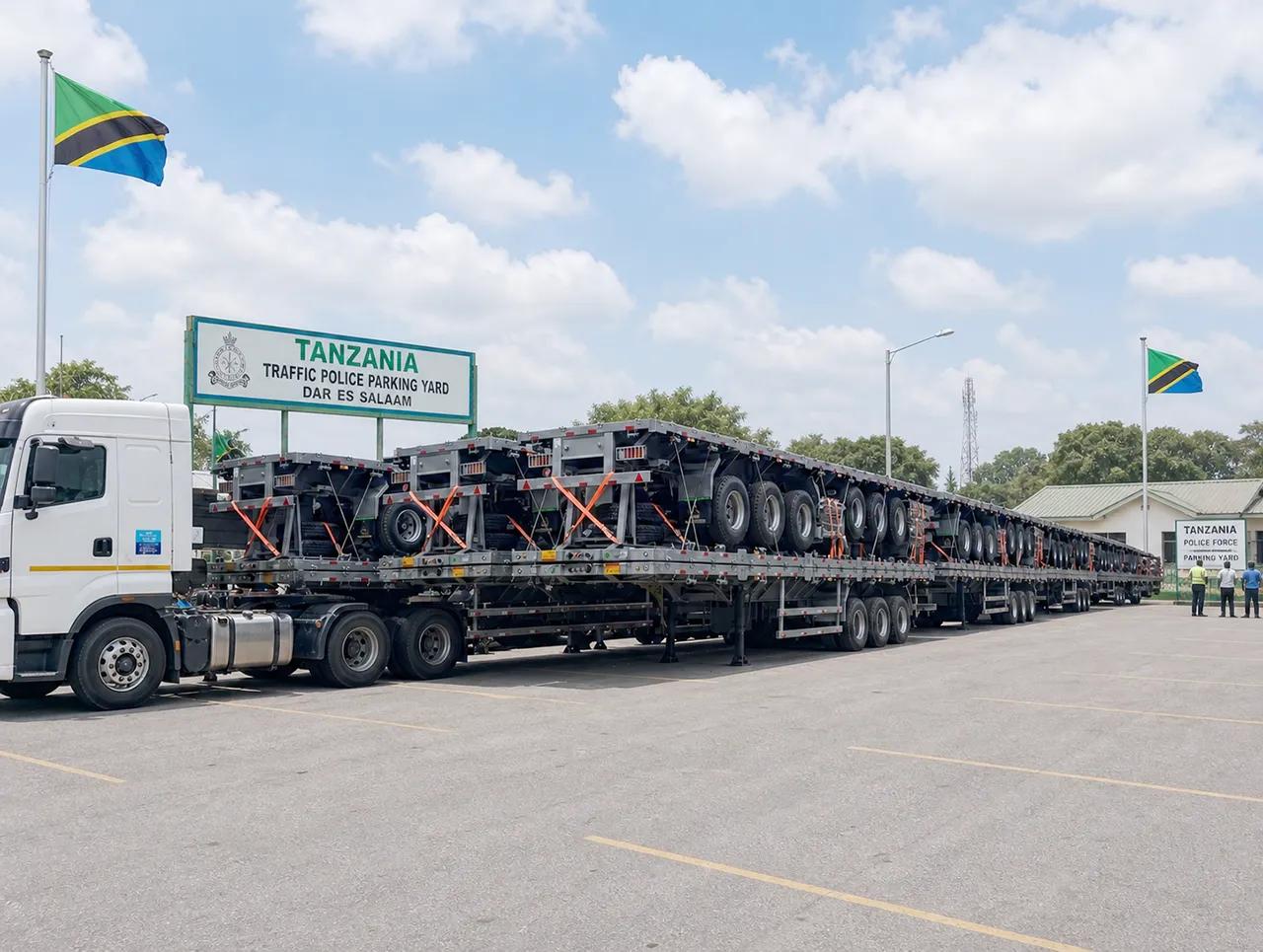
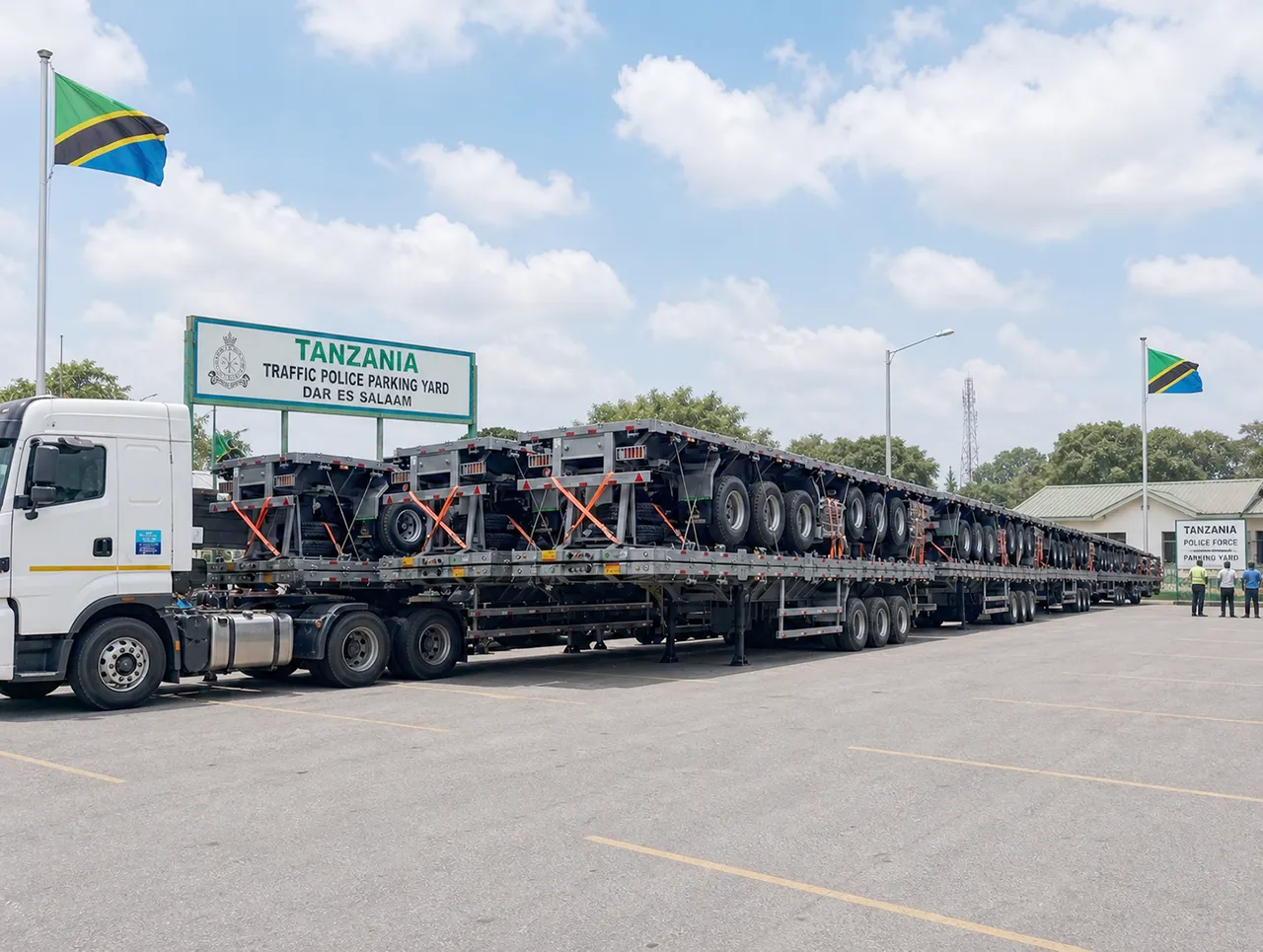
The best semi-trailer for Africa is not one universal heavy-duty model. It is a trailer specified for a named country, legal axle regime, cargo, road corridor, tractor, workshop network, and port plan. East African corridor fleets often prioritize axle-load compliance and grade performance; Southern African fleets usually need precise combination, dimensional, braking, and high-speed stability checks; West African buyers commonly place more weight on rough-road durability, corrosion control, heat management, and parts availability. Confirm the rules in every country on the route before production.
Quick Answer: How to Buy a Semi-Trailer for Africa
- Start with the operating country and corridor, not a catalog payload. Legal mass depends on national rules, axle spacing, axle groups, tractor configuration, and the complete vehicle combination.
- Send the real cargo profile. Include maximum single-piece weight, load distribution, density, dimensions, loading method, and empty-return frequency.
- Match the trailer to the tractor before ordering. Fifth-wheel height, kingpin position, turning clearance, air and electrical connections, braking control, and gross combination limits must work together.
- Choose running gear for the route and service network. Suspension, tires, wheels, brakes, axles, and spare parts should be maintainable where the trailer operates.
- Compare landed lifecycle cost, not ex-factory price alone. Include freight, port handling, tax, assembly, homologation, spares, fuel, tires, maintenance, and downtime.
In This Guide
- Seven inputs to define before requesting a quote
- East, West and Southern Africa specification matrix
- Regional buying guidance
- Chassis, suspension, brakes, tires and corrosion
- Landed cost and supplier verification
- RFQ checklist
Seven Inputs to Define Before Requesting a Semi-Trailer Quote
Africa is not one homologation or operating zone. Even where regional programs encourage harmonization, national authorities enforce vehicle registration, dimensions, axle loads, roadworthiness, dangerous-goods rules, and permits. A useful quotation therefore begins with operating data, not only a request for a “60 ton trailer.”
- Countries and exact route: list the registration country, every transit country, border crossings, ports, mine or construction sites, paved-road share, unpaved-road share, gradients, and seasonal access constraints.
- Cargo: state cargo type, density, maximum payload requested, maximum legal payload expected, single-piece weight, dimensions, center of gravity, loading equipment, and load-restraint method.
- Tractor: provide tractor make and model, axle layout, fifth-wheel height and position, permitted gross combination mass, tire size, air couplings, voltage, lighting connector, and ABS/EBS interface.
- Legal envelope: confirm overall length, width, height, axle-group mass, axle spacing, turning requirements, underrun protection, lighting, braking, and any abnormal-load permit conditions with the relevant road authority.
- Duty cycle: give annual distance, trips per day, average speed, empty-return share, loading cycles, ambient temperature, dust, mud, standing water, coastal exposure, and downtime target.
- Maintenance capability: identify local axle, brake, suspension, tire, electrical, hydraulic, and welding support. Specify preferred brands only after checking parts availability.
- Delivery scope: define Incoterm, destination port, stacking or containerization method, port lifting plan, assembly responsibility, documentation, commissioning, training, warranty process, and initial spares.
Use the tractor-trailer matching guide to measure fifth-wheel height, front swing radius, rear clearance, and kingpin setback before approving a drawing.
East, West and Southern Africa Semi-Trailer Specification Matrix
This matrix is a procurement starting point, not a legal approval. Country regulations and route surveys take priority over regional labels.
Regional Fit
What to verify first in each operating region
The right specification follows the corridor, cargo, tractor, and repair network.
East Africa
First checks: EAC/national axle-load rules, weighbridge exposure, long inland corridors, grades, border operation, tire availability, and empty returns.
Common applications: container and general cargo flatbeds, sidewall trailers, tankers, and construction logistics.
Southern Africa
First checks: national combination and dimensional rules, vehicle standards, high-speed stability, mining or abnormal-load permits, braking, and established parts networks.
Common applications: mining tippers, lowbeds, tankers, container chassis, and highway freight trailers.
West Africa
First checks: national and transit-country rules, pavement variability, drainage and rainy-season exposure, heat, corrosion, port conditions, and field-service capability.
Common applications: general-cargo flatbeds and sidewalls, tankers, cement bulkers, tippers, and construction-support trailers.
Regional Buying Guidance for African Fleets
East Africa: Design Around the Corridor and Weighbridge
For Kenya, Tanzania, Uganda, Rwanda, Burundi, South Sudan, and other East African operations, begin with the current national implementation of regional vehicle-load controls. The East African Community acts library is a useful official reference point, but buyers should still obtain written confirmation from the registration authority and road agency in every operating country.
Long port-to-inland routes make axle distribution, grade performance, tire temperature, brake heat, and fuel consumption important. Do not assume a tri-axle layout automatically gives a particular legal payload. The tractor axle layout, trailer axle spacing, tare mass, load position, and local formula all affect the legal result.
Air suspension and a lift axle may help in a compliant design where the route, regulation, controls, and service network support them. Mechanical suspension can remain the more repairable choice on severe roads or in workshops with limited pneumatic capability. Compare both options in the leaf spring versus air suspension guide.
Southern Africa: Verify the Complete Vehicle Combination
South Africa and neighboring SADC markets have developed freight corridors, but a capable highway does not remove legal or engineering constraints. Verify the complete combination: tractor, semi-trailer, axle groups, dimensions, coupling geometry, brakes, tires, lighting, speed rating, load restraint, and any cross-border requirements. The SADC transport program provides regional context; national road-traffic and standards authorities remain the final sources for an individual vehicle.
Mining and project cargo require a route survey and permit review before a lowbed or heavy tipper is frozen. The machine footprint, concentrated load, deck height, ramp angle, ground clearance, articulation, bridge limits, and escort conditions matter more than a headline tonnage. Buyers comparing platforms should first review flatbed, step-deck, and lowbed selection.
West Africa: Prioritize Durability Without Oversimplifying the Region
Nigeria, Ghana, Côte d’Ivoire, Senegal, and their neighboring markets do not share one road condition or one vehicle rule. A coastal highway, Sahel corridor, urban port route, quarry road, and remote construction site create different requirements. Confirm national and transit-country regulations, then document the actual route condition and maintenance network.
For rough roads, examine fatigue-sensitive details: crossmember spacing, suspension mounting, local reinforcement, weld access, landing-gear bracing, mud protection, hose routing, electrical sealing, and tire clearance. For coastal and humid service, specify surface preparation, coating system, cavity protection, fastener treatment, drainage, and inspection criteria rather than asking only for “anti-rust paint.” The semi-trailer painting and anticorrosion guide explains the evidence buyers should request.
Brake choice must follow the risk profile. Mud and simple field service may favor proven drum-brake packages in some fleets, while frequent high-energy braking, modern diagnostics, or applicable homologation may favor disc brakes with the correct control system. Neither design is universally safer in every West African duty cycle. Compare heat, inspection, spares, ABS/EBS compatibility, and technician capability in the disc versus drum brake guide.
How to Specify the Main Trailer Systems
Chassis and Payload
A heavier chassis is not automatically more durable, and a lighter chassis is not automatically more profitable. The design must carry the declared load spectrum while controlling fatigue, deflection, local stress, tare mass, weld quality, and repairability. Ask for a general arrangement drawing, material certificates for critical steel, welding and inspection records, axle-load calculation, tare-weight estimate, and payload statement tied to the intended legal combination. The semi-trailer chassis material guide covers Q355-class and high-strength steels, aluminum, traceability, and welding controls.
Suspension, Axles, Tires and Wheels
Choose suspension only after defining the road, load variability, rollover sensitivity, empty mileage, service network, and regulatory needs. Confirm axle rating, track width, brake package, bearing and seal availability, wheel-end inspection method, alignment tolerances, and local parts support. Tire size must fit legal axle loads, rim capacity, ground clearance, inflation practice, speed, heat, and replacement availability. Use the semi-trailer tire and wheel selection guide before approving super singles, duals, steel wheels, or aluminum wheels.
Braking and Electrical Compatibility
Specify the braking system as a tractor-trailer system. Confirm service and emergency circuits, ABS/EBS architecture, power connector, warning lamps, diagnostic access, load sensing, spring-brake behavior, reservoir capacity, hose protection, and local compliance. UNECE Regulation No. 13 is an internationally recognized braking reference and is available from the UNECE vehicle regulations portal; it does not replace destination-country approval. For system-level choices, review the semi-trailer braking systems guide.
Body Type and Cargo Control
Use a flatbed or skeletal trailer for containers only when twist-lock positions, deck loading, and route rules match the container program. Use sidewalls or fences when cargo retention and mixed freight justify them. Use a lowbed for machinery only after checking concentrated loads and route clearance. Tankers and bulkers require cargo compatibility, pressure or discharge design, rollover assessment, valves, emergency controls, cleaning, and dangerous-goods compliance where applicable.
Representative product pages can help define questions, but they are not substitutes for engineering approval. Compare a 40 ft flatbed semi-trailer, an Africa-focused drop-side trailer, and a 45,000 L aluminum fuel tanker only after the route and cargo requirements are documented.
Compare Landed Lifecycle Cost, Not Only the Trailer Price
A low ex-factory quotation can become expensive after ocean freight, port storage, lifting, assembly, customs, homologation, local modifications, unavailable spares, tire mismatch, or downtime. Request a transparent commercial comparison with the same scope for every supplier.
| Cost or risk | What to request | Why it matters |
|---|---|---|
| Vehicle and options | Base specification, option list, exclusions, currency, validity, and production lead time | Prevents unlike-for-like quote comparisons |
| Freight and port | Incoterm, shipping method, package dimensions, lifting points, unstacking plan, and destination charges | Exposes costs that sit outside the factory price |
| Compliance | Drawings, certificates, destination review responsibility, inspection plan, and permit assumptions | Reduces rework and registration delay |
| Operation | Estimated tare, legal payload calculation, tire configuration, fuel-sensitive options, and maintenance schedule | Connects the specification to revenue and running cost |
| Support | Warranty terms, claim workflow, remote support, parts list, prices, and recommended initial stock | Limits downtime after delivery |
If the purchase also includes tractor heads, inspect and price them separately. The refurbished HOWO truck guide for African fleets provides a structured inspection and warranty checklist.
How to Verify an Export Semi-Trailer Supplier
Supplier verification should produce evidence, not only sales claims. Ask for business registration, factory address, recent production media, welding and quality procedures, component traceability, drawing control, inspection records, loading plan, warranty terms, and references relevant to the same trailer type and duty cycle. For remote inspections, require a live video sequence tied to the vehicle identification and agreed inspection points.
- Before deposit: approve the technical specification, drawing, component brands or acceptable equivalents, inspection plan, delivery scope, change-control rule, payment milestones, and warranty.
- During production: review material and component records, key dimensions, weld preparation, alignment, coating preparation, and any agreed hold points.
- Before shipment: verify VIN/chassis identity, tare where available, dimensions, brake and lighting function, leaks, fastener torque records, coating checks, accessories, spares, documents, and packaging.
- At destination: follow the approved lifting and assembly plan, inspect transport damage, commission the trailer, train operators, and record the handover condition.
Semi-Trailer RFQ Checklist for African Buyers
Send this minimum data set with the first request for quotation:
- Registration country, transit countries, destination port, and exact operating corridor
- Cargo type, density, maximum unit weight, dimensions, center of gravity, and loading method
- Desired payload and the legal limit confirmed for the intended vehicle combination
- Tractor model, axle layout, fifth-wheel height, coupling position, voltage, air connectors, and ABS/EBS interface
- Road surface mix, maximum gradient, ambient temperature, rain, dust, mud, coastal exposure, and annual distance
- Preferred locally supported axle, suspension, brake, tire, wheel, hydraulic, and electrical brands
- Required certificates, inspection witness points, Incoterm, delivery date, spares, training, and warranty support
Frequently Asked Questions
What is the best semi-trailer for African roads?
There is no single best model for all African roads. The correct trailer is the one matched to the destination country’s laws, cargo, route surface, gradients, tractor, loading method, climate, and local maintenance network. A compliant flatbed for an East African corridor may need a different suspension, brake, tire, and corrosion package from a mining lowbed in Southern Africa or a coastal tanker in West Africa.
Is a three-axle semi-trailer legal everywhere in Africa?
No. A three-axle layout does not create one continent-wide legal payload. Legality depends on national rules, axle and axle-group limits, spacing, dimensions, tractor configuration, gross combination limits, cargo distribution, and sometimes route permits. Confirm the complete combination with the responsible authority in every operating country.
Should African fleets choose leaf spring or air suspension?
Choose by duty cycle and support capability. Mechanical leaf spring suspension can offer simpler field repair and strong rough-road tolerance. Air suspension can improve ride, load sharing, height control, and compatibility with some lift-axle or sensitive-cargo applications, but it requires suitable controls, protection, parts, and technicians. Neither is universally correct.
Are drum brakes always better than disc brakes in West Africa?
No. Drum brakes may be attractive where parts familiarity, mud exposure, and simple field service dominate. Disc brakes may suit fleets that value inspection access, consistent response, modern EBS integration, and managed high-energy braking. The decision must also consider heat, dust, water, axle specification, tractor compatibility, local regulation, and workshop skill.
What documents should I request before paying a semi-trailer deposit?
Request the signed technical specification, general arrangement drawing, commercial scope, component schedule, inspection plan, certificate list, production and delivery schedule, packaging plan, warranty terms, change-control procedure, and payment milestones. Clarify who is responsible for destination-country approval before production begins.
How many semi-trailers can be stacked for ocean shipping?
There is no safe universal number. Stacking depends on trailer type, structure, dimensions, carrier acceptance, port equipment, lifting analysis, securing design, and destination unstacking capability. Require a shipment-specific packing drawing, lifting points, center-of-gravity information, securing method, and an approved unstacking procedure.
Sources and Compliance References
Reviewed July 10, 2026. These sources provide regional or technical context. Buyers must verify the latest national rules and obtain destination-country approval for the exact vehicle combination.
Final Recommendation
Buy the route, not the brochure. Freeze the country, corridor, cargo, tractor, legal envelope, duty cycle, and maintenance plan before selecting payload, axle count, suspension, brakes, tires, or steel grade. Then compare suppliers on documented compliance, manufacturing evidence, landed lifecycle cost, and support. This process produces a more defensible African semi-trailer specification than adding weight or choosing the lowest quotation.
Request an Africa Route-Specific Trailer Specification
Send your destination country, operating corridor, cargo, tractor details, expected legal payload, road conditions, port, and preferred delivery term. The Kales Vehicle team can review the inputs and prepare a configuration and drawing for local compliance confirmation.
Contact Kales Vehicle for a semi-trailer specification review