

Last updated: February 2026
What is the most effective way to optimize heavy-duty truck fuel efficiency? Heavy-duty truck fuel efficiency is optimized by combining aerodynamic hardware (like trailer side skirts and cab roof fairings) with active fleet telematics and precise tire management. This integrated approach reduces aerodynamic drag and excessive engine idling, yielding up to 15% in fuel savings and avoiding a $5,583 annual idling penalty per truck.
“At highway speeds, 50% to 70% of a heavy-duty truck’s engine power is consumed solely to overcome aerodynamic drag. Upgrading your trailer hardware provides an immediate and measurable return on investment.”
— Lead Aerodynamics Engineer, Kales Vehicle
The Data-Driven Efficiency Matrix
Based on industry fuel-saving impact studies across heavy-duty operations.
| Efficiency Upgrade | Fuel Savings / Cost Avoidance | Primary Cause of Fuel Waste | Source/Evidence |
|---|---|---|---|
| Trailer Side Skirts | 4% to 15% fuel savings | Underbody air turbulence | ATA / NACFE |
| Cab Roof Fairings | 10% to 14% MPG increase | Tractor-trailer gap drag | Aerodynamic modeling |
| Idling Elimination | ~$5,583/year per truck saved | 0.8 gallons/hour fuel burn | US Department of Energy |
| Tire Pressure Maintenance | Avoid 1% penalty per 10 PSI | Hysteresis (Heat friction) | US Department of Energy |
1. Leverage Aerodynamics: The Highest-ROI Hardware

Side Skirts
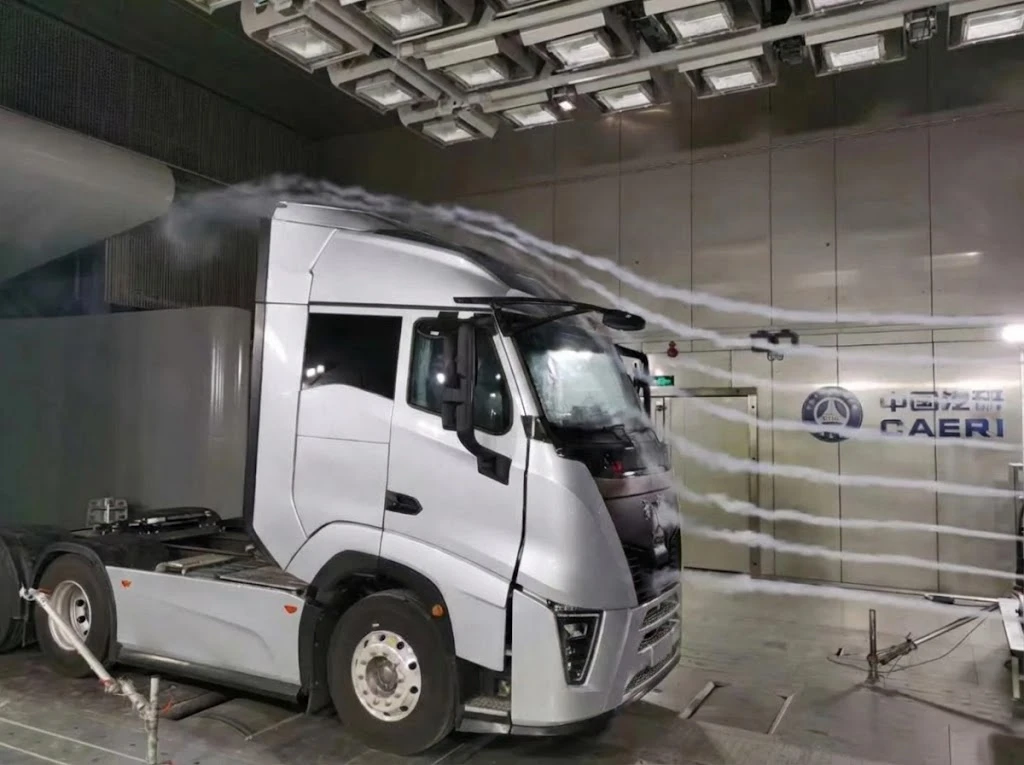
Side skirts prevent high-speed wind from flowing underneath the trailer and interacting with the bogie axles. Research shows that standard trailer side skirts reduce fuel consumption by an average of 6.69%, with optimized setups reaching a 15% savings window on long-haul routes.
Cab Roof Fairings
Closing the gap between the tractor and a high-wall semi-trailer is critical. Well-designed cab roof fairings lower the truck’s overall drag coefficient by up to 30%, which translates to a 10% to 14% improvement in miles-per-gallon (MPG). Modern semi-trailers, like those manufactured by Kales Vehicle, are engineered to integrate seamlessly with these tractor deflectors.
2. Fleet Telematics: Eliminating the $5,583 Idling Penalty
While hardware reduces drag, telematics stops silent budget killers like excessive engine idling.

The Verified Cost of Idling
A heavy-duty truck consumes approximately 0.8 gallons of diesel per hour while idling. Over a typical year (1,800 idling hours), a single truck burns around 1,500 gallons of wasted fuel—costing an average of $5,583 per year. Furthermore, this incomplete combustion accelerates engine wear, adding an estimated $2,000 in annual maintenance costs. Telematics software tracks these idle times, allowing fleet managers to enforce limits or justify the installation of Auxiliary Power Units (APUs).
3. Master Tire Management
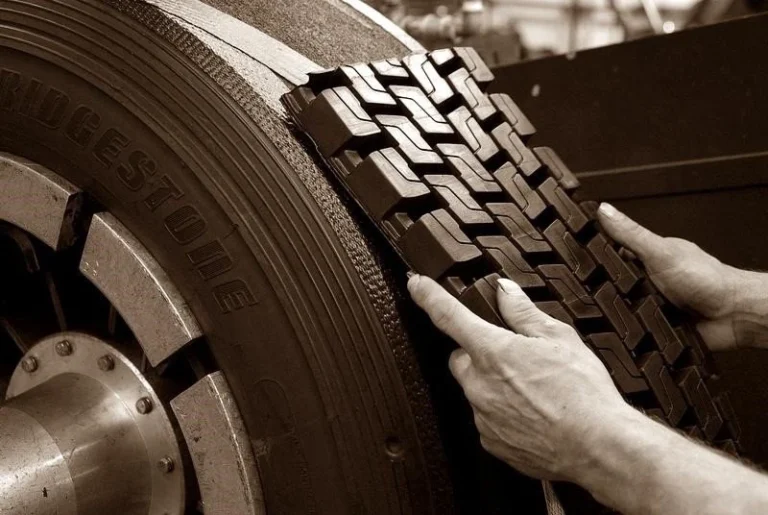
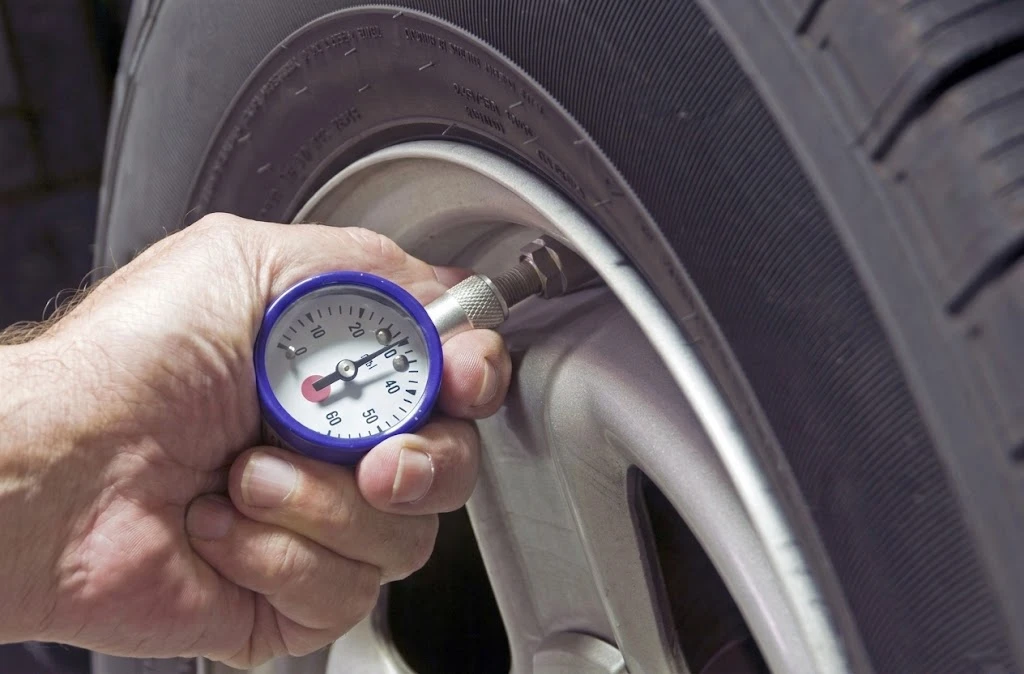
Tires account for up to 30% of a truck’s total rolling resistance (the energy lost when a tire flexes against the road surface, known as hysteresis).
The Underinflation Penalty
When tires are underinflated, they flex excessively. Data shows that for every 10 PSI drop below the recommended pressure (typically 100-130 PSI for loaded front tires), a truck suffers a 0.5% to 1% penalty in fuel economy. If pressure drops by 14.5 PSI (1 bar), fuel consumption spikes by 2%. Equipping your trailers with Automatic Tire Inflation Systems (ATIS) and switching to Low Rolling Resistance (LRR) tires can inherently improve efficiency by 3% to 10%.
4. Optimize Route Planning & Driver Behavior
Smart Routing and Eco-Driving
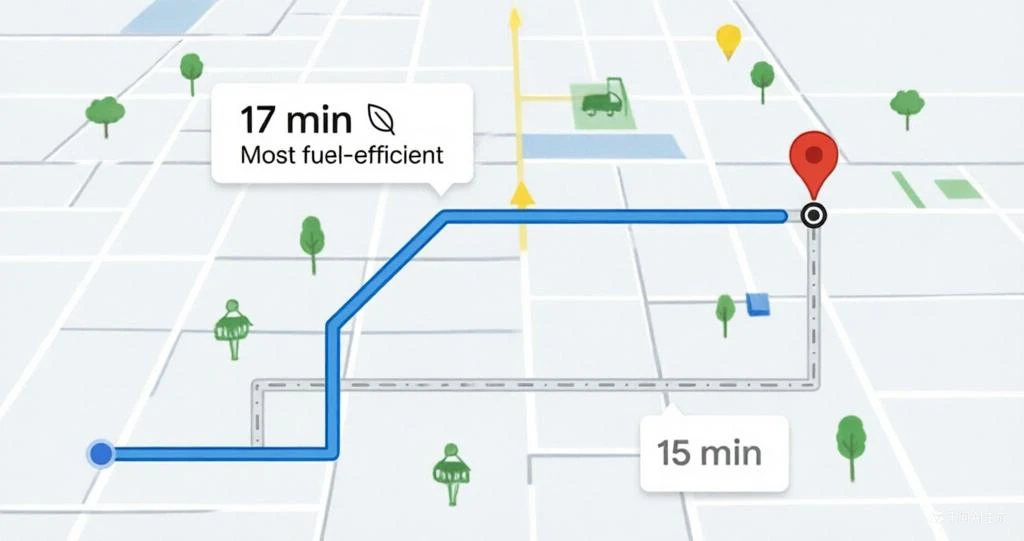
Driver behavior impacts total fuel economy by up to 30%. Rapid acceleration, hard braking, and exceeding 65 mph exponentially increase wind resistance and fuel burn. By using GPS logistics to route trucks around steep inclines and stop-and-go traffic hours, fleets can drastically reduce diesel consumption.
Implementation Strategy: 4 Steps to Maximum ROI
- Upgrade Trailer Hardware: Install aerodynamic side skirts and cab roof fairings to immediately lower the overall drag coefficient by up to 30%.
- Deploy Telematics Tracking: Monitor idle times to eliminate the 0.8 gallons/hour fuel burn penalty.
- Automate Tire Management: Implement ATIS (Automatic Tire Inflation Systems) to prevent the 1% fuel penalty per 10 PSI pressure drop.
- Optimize Routes: Utilize GPS navigation to actively avoid traffic congestion and steep inclines.
Frequently Asked Questions (FAQ)
-
How much fuel does a semi-truck use while idling?
- A heavy-duty semi-truck consumes an average of 0.8 gallons of diesel per hour while idling. For a long-haul truck idling 10 hours a day, this amounts to roughly $30 per day and over $5,500 annually in wasted fuel costs.
-
Do trailer side skirts actually save fuel?
- Yes. Trailer side skirts redirect air away from the rear axles and undercarriage, reducing aerodynamic drag. Depending on the route and speed, side skirts provide a verified fuel savings of 4% to 15%.
-
How does tire pressure affect heavy-duty truck fuel economy?
- Tire pressure directly affects rolling resistance. A drop of just 10 PSI across a vehicle’s tires increases fuel consumption by up to 1% due to excessive heat and friction (hysteresis) generated by the underinflated rubber.
Our Final Recommendation
Improving operational efficiency requires a holistic strategy. Start with the hardware: upgrading to low-drag trailers equipped with side skirts and Low Rolling Resistance tires provides immediate, passive fuel savings. Next, implement telematics to actively coach drivers and eliminate high-cost idling hours.
Since hardware fundamentally caps how efficient your fleet can be, ensuring your trailers are designed for modern aerodynamics is step one. Check out our Fuel-Efficient Semi-Trailers designed with minimized drag coefficients to protect your bottom line.
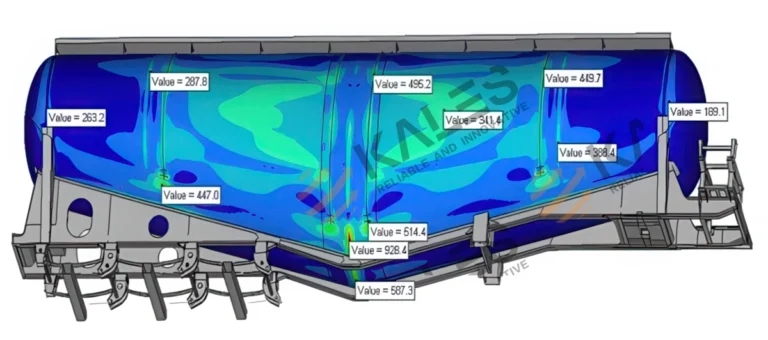
Still undecided? Don’t guess on aerodynamics and load capacities. Let our engineering team simulate the ideal trailer setup for your fleet’s routes.