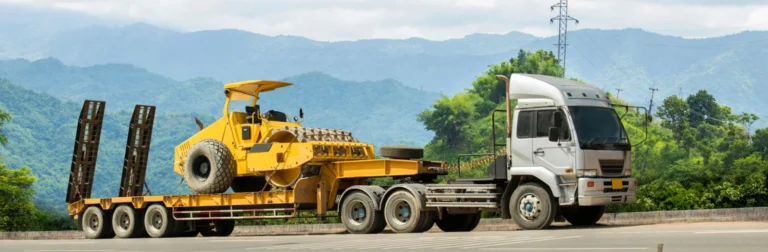


For even the most seasoned heavy-haul truck drivers, navigating long downhill stretches (often called “mountain grades”) remains one of the most challenging road conditions. These sections are hotspots for truck accidents, primarily due to brake fade caused by overheating.
Controlling a loaded semi-trailer on a steep decline requires more than just skill—it requires strategy. What specific factors should be considered when facing continuous long downhills? How can you ensure the safety of both your cargo and yourself? Here is the comprehensive KALES guide to mountain driving safety.
1. The “Pre-Trip Inspection” (PTI) is Non-Negotiable
Vehicles that have been in operation for extended periods often suffer from component fatigue. Before tackling a mountain route, a rigorous inspection is essential. Pay special attention to these safety-critical components:
- Brake System: Check for proper brake clearance (slack adjusters), brake pad thickness, and cracks in the brake drums.
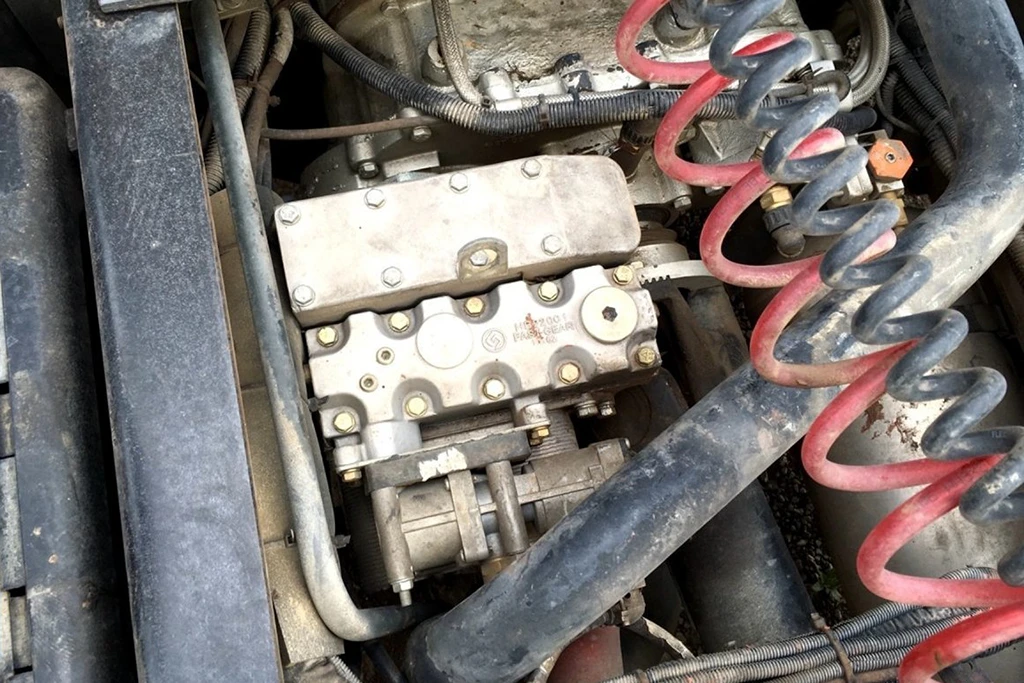
- Air System: Ensure the air compressor is building pressure correctly and check the air dryer for moisture buildup.
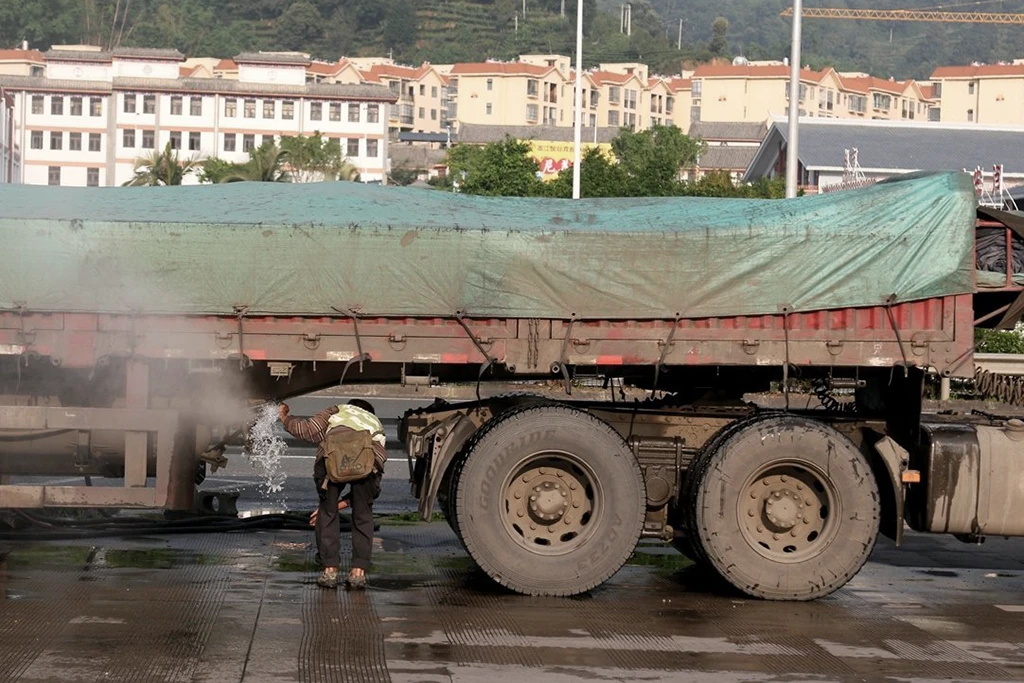
- Cooling Measures: In regions where “brake water spray” systems are legal and common (such as parts of South America or Asia), ensure your water tank is full and nozzles are unblocked to prevent thermal failure.
Pro Tip: Never assume a familiar truck is safe. Always perform a check before a major descent.
2. Gear Selection: The “Right Gear” Strategy
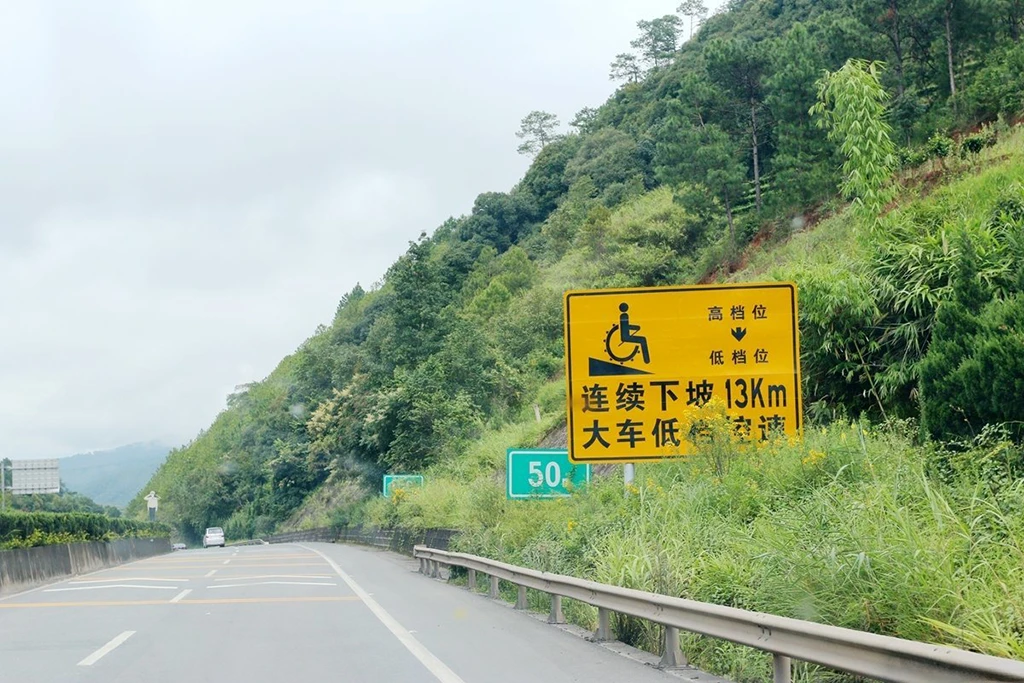
Defensive driving starts before the slope begins. The golden rule of mountain driving is: “Go down the hill in a gear lower than the one you used to go up it.”
Avoid Neutral Coasting at All Costs
There is a dangerous misconception that “coasting in neutral” saves fuel. In reality, this is a life-threatening practice. Coasting in neutral:
- Disables Engine Braking: You lose the natural resistance of the engine.
- Depletes Air Pressure: The engine idles, meaning the air compressor works less efficiently while you are braking frequently, potentially leading to total brake failure.
- Illegal: It is illegal in almost all jurisdictions.
Always downshift before the descent begins. Engaging the transmission allows you to utilize engine compression resistance to control speed, significantly reducing the load on your service brakes.
3. Master Auxiliary Braking & “Snub Braking”
Modern commercial vehicles, including KALES trucks, are often equipped with advanced auxiliary braking systems. Understanding how to combine these with your service brakes is key.
- Engine Brake (Jake Brake): Best for controlling speed at lower RPMs, but use with caution on slippery/icy roads to prevent jackknifing.
- Hydraulic Retarder: Extremely effective at higher speeds. It uses viscous drag to slow the drivetrain without touching the wheel brakes.
The “Snub Braking” Technique
Do not “ride the brakes” (keeping your foot lightly on the pedal continuously). This glazes the brake pads and causes overheating. Instead, use the Snub Braking method:
- Let the vehicle speed increase to a “safe speed” (e.g., 40 mph).
- Apply the service brakes firmly to reduce speed by 5 mph (down to 35 mph).
- Release the brakes completely to let them cool while the auxiliary brakes hold the speed.
- Repeat the process.
4. Adapt to Weather & Road Conditions
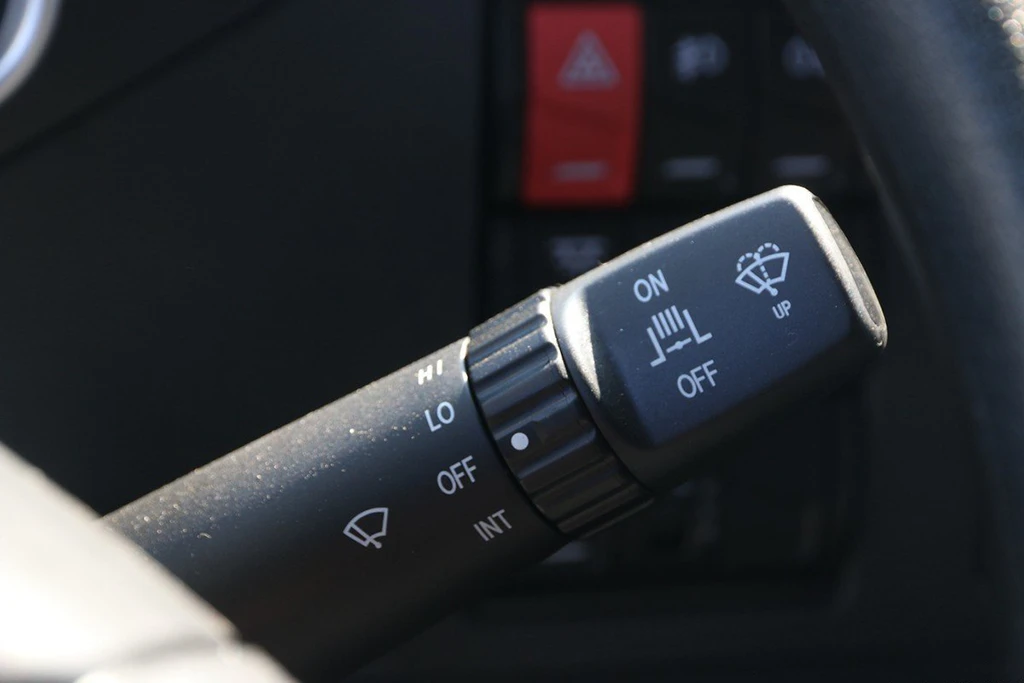
Mountain weather is unpredictable. Wet roads, fog, or ice drastically increase stopping distances.
In low-visibility or slippery conditions, reduce your speed by at least 1/3 below the posted limit. Maintain a significantly larger following distance. If you are using an engine brake on a wet surface, verify that your truck has an ABS system engaged to prevent wheel lockup.
Conclusion: Safety First
Driving on long downhill slopes presents unique challenges, but maintaining a calm and steady mindset is crucial. Do not panic. By combining thorough inspections, proper gear selection, and the use of auxiliary devices like retarders, you can navigate any mountain road safely.
Looking for a heavy-duty truck designed for safety on rugged terrain? Contact KALES Vehicle today to learn about our trucks equipped with advanced braking systems.